Table of Contents >> Show >> Hide
- What Termites Actually Look Like Before We Start Guessing
- 1. Flying Ants
- 2. Carpenter Ants
- 3. Acrobat Ants
- 4. Carpenter Bees
- 5. Powderpost Beetles
- 6. Mayflies and Green Lacewings
- Signs It Is Probably Termites and Not a Look-Alike
- When to Call a Professional
- Real-World Experiences Homeowners Often Have With Termite Look-Alikes
- Final Thoughts
Spot a small bug near a baseboard, windowsill, or suspicious piece of wood and suddenly your brain skips straight to: Great, my house is becoming an all-you-can-eat buffet for termites. Fair reaction. Termites have earned their terrible reputation. But here is the good news: not every tiny wood-loving or winged insect is a termite, and some of the most commonly confused look-alikes are far easier to manage.
The trick is knowing what to inspect before panic buys a flashlight, a magnifying glass, and three unnecessary cans of spray. In this guide, we will break down six bugs that look like termites, explain the easiest ways to tell them apart, and show you when you are looking at a nuisance, a moisture problem, or a true call-the-pros-now wood-destroying pest issue.
What Termites Actually Look Like Before We Start Guessing
Before comparing termite look-alikes, it helps to know the termite basics. Most homeowners do not see worker termites often because they avoid light and stay hidden inside wood, soil, or mud tubes. When termites do show themselves, people usually notice winged reproductive termites, often called swarmers. These are the bugs most likely to trigger the classic, “Uh-oh, what are those?” moment.
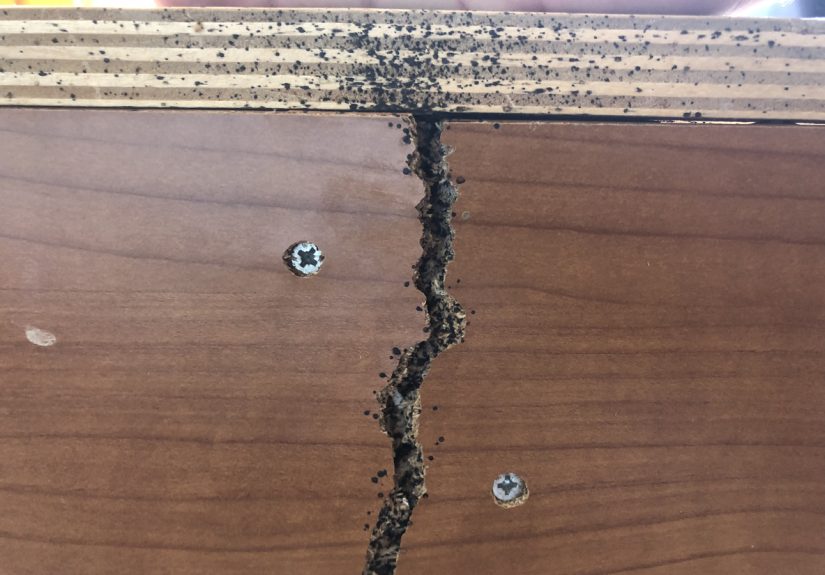
In general, termites have a broad, straight-looking waist rather than a pinched middle. Their antennae are straight or bead-like, not bent like an ant’s. If they have wings, the two pairs are usually the same length. Depending on species and life stage, termites may look creamy white, pale tan, or darker brown. Their damage signs matter just as much as their appearance: mud tubes, hollow-sounding wood, blistered or papery surfaces, piles of shed wings, and in the case of drywood termites, tiny pellet-like droppings.
That last part matters because insect identification is not just about the bug itself. It is about the whole crime scene. A termite leaves clues. The bug is the suspect, but the evidence is in the wood.
1. Flying Ants
Flying ants are probably the most famous termite impersonators. They swarm, they show up in numbers, and at a quick glance they can make a homeowner feel like the foundation just filed for emotional support.
Why they get confused with termites
Both flying ants and termite swarmers appear in groups and both may turn up near windows, doors, lights, or other spots where startled humans are likely to stand and point. They also have wings, which is enough to fool people who do not spend weekends studying insect anatomy.
How to tell the difference
Start with the body shape. Flying ants have a narrow, clearly pinched waist. Termites do not. Next, look at the antennae: ants have elbowed antennae, while termites have straight ones. Finally, compare the wings. Flying ants have front wings that are longer than the back wings. Termite swarmers usually have two pairs of wings that are about the same length.
Behavior also helps. Ants are often seen around food and open living spaces. Termites are more likely to be associated with wood damage, shed wings, mud tubes, or hidden structural activity. If the bugs are snacking near pet food, crumbs, or kitchen mess, ants are more likely than termites.
2. Carpenter Ants
Carpenter ants are the heavyweight champions of termite confusion because, unlike regular ants, they can also damage wood. That similarity sends a lot of homeowners down the wrong diagnostic hallway.
Why they get confused with termites
Carpenter ants tunnel into wood to build nests, and that can make people assume termites are the culprit. If you notice wood damage, a few large dark ants, and a rising desire to move out immediately, carpenter ants are a strong possibility.
How to tell the difference
Carpenter ants are usually darker than termites and often look black, red-black, or deep brown. They have a narrow waist, bent antennae, and long legs. Winged carpenter ants also have mismatched wing sizes, with larger front wings and smaller rear wings.
The wood damage tells a story too. Carpenter ants do not eat wood; they excavate it. Their galleries look smooth and clean, almost sanded. Termite galleries look rougher and more irregular because termites feed on the wood as they tunnel. Carpenter ants may also leave coarse, fibrous debris or frass nearby. Termite evidence depends on species: subterranean termites often build mud tubes, while drywood termites leave pellet-like droppings.
In other words, carpenter ants are more like messy renovators with power tools. Termites are more like silent vandals eating the walls from the inside.
3. Acrobat Ants
Acrobat ants do not get the same headlines as carpenter ants, but they are another easy mix-up, especially in homes with old moisture damage or previous termite issues.
Why they get confused with termites
Acrobat ants often nest in damp, decayed wood or in voids left behind by other insects. If termites have already damaged an area, acrobat ants may move in later. That makes the scene extra confusing because the wood may already look compromised before the ants arrive.
How to tell the difference
Like other ants, acrobat ants have a pinched waist and elbowed antennae, so they do not match the broader body shape of termites. They may also raise their abdomen over the body when disturbed, which gives them their circus-worthy name. Some species release an unpleasant odor when upset.
They can leave behind bits of wood or insulation, but they usually are not causing the same kind of ongoing structural feeding associated with termites. If you see ant-like body shape plus activity in previously damaged or rotting wood, acrobat ants deserve a spot on your suspect list.
4. Carpenter Bees
Carpenter bees are the least subtle bugs on this list. They are large, fuzzy, and about as sneaky as a leaf blower in a library. Still, their damage can resemble termite signs enough to confuse people.
Why they get confused with termites
Carpenter bees bore into wood and leave holes behind. When a homeowner notices fresh openings on fascia boards, railings, decks, sheds, or trim, the first thought is often termites.
How to tell the difference
Start with the obvious: carpenter bees are much larger than termites. They look like robust bees, not tiny pale insects. Their entrance holes are also distinctive. Carpenter bees create nearly perfect round holes, often about a half-inch wide, usually on the underside of wooden surfaces. You may also see sawdust beneath the hole or yellowish staining near the entrance.
Termite kick-out holes and damage look different. Drywood termites push out tiny pellets from very small openings, while subterranean termites are more likely to leave mud tubes and hidden internal feeding damage. If the hole is large, round, and clean enough to make a drill jealous, carpenter bees are the more likely culprit.
5. Powderpost Beetles
Powderpost beetles are another wood-damaging pest that can make homeowners immediately suspect termites. The similarity is not in the bug’s body shape so much as in the evidence left behind.
Why they get confused with termites
These beetles infest wood and leave holes and powdery residue. If all you see is weakened wood and fine debris, it is easy to assume termites are responsible.
How to tell the difference
Powderpost beetles have a typical beetle shape, more oval or elongated than a termite. Their calling card is tiny round exit holes, often pinhead-sized, paired with very fine powder that can look like flour or sawdust. They are especially associated with unfinished or certain hardwood materials, including flooring, furniture, trim, and stored lumber.
Termite damage usually does not look like a field of neat little shot holes. Termites create galleries inside wood, and the external evidence varies by species. Drywood termites may leave pellet piles, while subterranean termites often hide their work behind paint, wood surfaces, or mud tubes. If the wood has many tiny exit holes and powder sifts out when disturbed, powderpost beetles deserve serious consideration.
6. Mayflies and Green Lacewings
This final category is really a double feature. Mayflies and green lacewings can both be mistaken for flying termites because they have wings, they may gather in numbers, and they tend to trigger the universal homeowner reaction of swatting first and identifying later.
Why they get confused with termites
Both insects may swarm or gather around lights, windows, and outdoor areas. At a glance, a fast-moving cluster of fragile winged insects can look like termite swarmers, especially if the viewer is already primed for bad news.
How to tell the difference
Mayflies are usually easier to identify once one lands. Adults are often larger than termite swarmers and have long tail filaments extending from the abdomen. Their body is longer and more delicate. They are commonly found near water, so if your property sits near a pond, stream, marsh, or lake, mayflies become much more likely.
Green lacewings are beneficial insects often found in gardens. Adults have large, clear, highly veined wings held roof-like over the body when at rest, along with longer antennae than termites. In colder periods they may appear browner, which can increase the confusion. Still, lacewings have a more delicate, net-winged look than the thicker, simpler-winged profile of termite swarmers.
Neither mayflies nor lacewings chew up your house. They may be annoying in numbers, but they are not secretly drafting blueprints for your structural collapse.
Signs It Is Probably Termites and Not a Look-Alike
If you are still unsure, focus on the evidence termites leave behind. Subterranean termites often build mud tubes along foundations, crawl spaces, walls, piers, or other sheltered routes between soil and wood. Wood may sound hollow when tapped and look blistered, soft, or papery on the surface. Doors and windows can start sticking if internal damage changes how wood components fit together.
Drywood termites are more likely to leave small piles of pellet-like frass near kick-out holes. Homeowners may also find discarded wings on windowsills or floors after a swarm. The biggest red flag is when the bug evidence and the damage evidence point in the same direction. A winged insect plus shed wings plus mud tubes plus hollow wood is not the kind of combo platter you want to ignore.
When to Call a Professional
There is nothing wrong with trying to identify a bug yourself, but there is a point where curiosity should hand the flashlight to experience. If you see mud tubes, repeated swarms indoors, extensive wood damage, frass piles, or any insect activity tied to structural wood, a professional inspection is the smart move. The earlier you identify a termite problem, the less likely it is to become a budget-eating home repair saga.
A pest professional can tell the difference between an active termite infestation, old damage, moisture-related decay, and a look-alike insect moving into an already vulnerable area. That matters because treatment depends on the actual pest. Spraying the wrong bug is like putting sunscreen on a leaky pipe: technically action, but not the action you need.
Real-World Experiences Homeowners Often Have With Termite Look-Alikes
One of the most common experiences goes like this: someone notices a cluster of winged insects on a sunny afternoon near a window, takes one blurry phone photo from three feet away, and declares the house officially doomed. In many cases, the insects turn out to be flying ants or seasonal swarmers like mayflies. What fooled the homeowner was not the insect itself, but the sudden number of insects appearing at once. Swarming behavior makes everything feel more dramatic, and to be fair, bugs do love a dramatic entrance.
Another frequent scenario involves old wood around a window frame, deck rail, garage trim, or basement sill. The homeowner sees damage and assumes fresh termite activity. But sometimes the actual issue is carpenter ants in damp wood, acrobat ants in existing voids, or carpenter bees boring into exposed lumber year after year. The experience many people describe is confusion caused by layered problems: moisture damage first, then a secondary pest later. That is why looking only at the insect and ignoring the condition of the wood can lead to the wrong conclusion.
Powderpost beetles create a different kind of panic. Homeowners may find a fine powder on a hardwood floor, furniture leg, beam, or stored board in a workshop and immediately think termites are actively chewing through the house. In reality, the powder and neat little holes point in a different direction. The practical lesson from these cases is simple: the pattern of the damage matters. Termites, beetles, ants, and bees all leave signatures, and those signatures are often easier to compare than the insects themselves.
People living near lakes, streams, and marshy areas often share another experience: large seasonal hatches of winged insects that seem to appear out of nowhere. Mayflies especially can create a brief but unforgettable scene around outdoor lights, porches, and siding. A homeowner who has never seen a hatch before may assume the insects came from inside the structure. They usually did not. Context matters. If the area is close to water and the insects have long tails, this is usually a nature event, not a structural emergency.
Gardeners and backyard plant lovers sometimes have the opposite experience with green lacewings. They spot a delicate winged insect near a light or windowsill, worry about termites, and then learn they are actually looking at a beneficial predator that helps control aphids and other soft-bodied pests. That realization often flips the emotional script from “This is terrible” to “Wait, this bug is helping me?” Nature loves a plot twist.
Across all of these experiences, the biggest lesson is that panic usually starts when people identify by vibe instead of by features. A better method is to slow down and check four things: body shape, antennae, wing size, and the condition of the wood around the insect. Add location to the list too. Near water? Mayflies. In a garden? Lacewings are possible. In damp framing or wall voids? Carpenter ants or acrobat ants move up the list. Mud tubes on a foundation or pellet piles beneath wood? Now termite concern becomes much more serious.
Homeowners also consistently say they wish they had documented the signs sooner. A few clear photos of the insect, wings, holes, frass, tubes, or damaged wood can help a pest professional make a much faster and more accurate call. So if you find something suspicious, take pictures before cleaning it up. It may not feel glamorous, but “forensic bug photography” is a surprisingly useful homeowner skill.
Final Thoughts
The main takeaway is reassuring: plenty of bugs look like termites, but most can be separated quickly once you know what to check. Flying ants have pinched waists and mismatched wings. Carpenter ants leave smoother galleries. Acrobat ants often move into damaged wood rather than causing termite-style destruction. Carpenter bees make large round holes. Powderpost beetles leave tiny shot holes and fine powder. Mayflies and green lacewings may swarm, but they do not eat your house.
Termites, on the other hand, bring a more specific set of warning signs: broad bodies, straight antennae, equal wings on swarmers, mud tubes, hollow-sounding wood, shed wings, and sometimes pellet-like frass. If those clues are lining up, do not rely on guesswork. Get an inspection and make sure the only thing eating your home improvement budget is your actual improvement list.