Table of Contents >> Show >> Hide
- Why Wall Color Matters When You Sell
- General Rules for Choosing Paint Colors to Sell
- The Most Popular Wall Paint Colors for Selling a House
- Room-by-Room: Best Wall Paint Colors for Selling
- Colors You Should Think Twice About
- How to Test Paint Colors Like a Pro
- Real-Life Lessons from the Paint Roller: Seller Experiences & Tips
- Final Takeaway
If you’ve ever stared at a fan deck of 1,000 paint chips and thought, “I just want the sell-my-house-faster color,” you’re not alone. The right wall paint colors can make rooms look bigger, photos look brighter, and buyers fall in love before they even realize the dishwasher is from 2009.
Real estate pros and paint companies agree: certain shades consistently help homes sell faster and sometimes for more money. Studies from Zillow have even linked specific colorslike pale blue bathrooms and neutral, “greige” roomsto higher sale prices compared with similar homes in other colors.
So let’s skip the guesswork. Below, we’ll walk through the most popular wall paint colors for selling a house, where to use them, and which shades to avoid if you don’t want buyers quietly saying, “We’ll keep looking.”
Why Wall Color Matters When You Sell
First impressions happen online
Most buyers meet your home on their phone, not your front porch. Neutral, well-chosen paint colors photograph better, make spaces feel larger, and help your listing stand out in those endless real estate scroll sessions. Cool, light neutrals are especially good at making rooms feel airy and bright in listing photos.
Color influences emotions (and offers)
Paint colors quietly shape how buyers feel in your home. Soft neutrals help people relax and picture themselves living there. Aggressive reds, neon greens, or dark, heavy colors can make rooms feel smaller or more chaoticexactly the opposite of what you want when someone is mentally moving their sofa into the space.
The ROI is huge
A few gallons of paint and a weekend of rolling can yield a serious return. Zillow’s paint color analyses have repeatedly found that homes with cool, neutral wall colorsespecially pale blues in bathrooms and “greige” on exteriorssold for several thousand dollars more than expected.
General Rules for Choosing Paint Colors to Sell
1. Go neutral, but not boring
Neutral doesn’t mean “builder beige from 1995.” Today’s best-selling shades are soft whites, warm greiges, light taupes, and subtle gray-beige blends. They work with almost any furniture and feel current but not trendy. Design pros and stagers consistently recommend these tones because they appeal to the broadest range of buyers.
2. Use color strategically
If you love color, you don’t have to banish it completelyjust keep it soft and spa-like. Pale blue or blue-gray bathrooms, gentle green bedrooms, or a single deep accent wall in a dining room can add personality without scaring off buyers. Surveys show that light blue bathrooms, in particular, tend to earn higher offers.
3. Keep the palette cohesive
When you’re selling, your house should feel like one story, not 12 unrelated chapters. Use a main neutral color through most of the home, then vary depth and undertone slightly from room to room. This creates flow, makes the house feel larger, and avoids the “rainbow hallway” effect.
4. Consider lighting and LRV
Paint companies talk a lot about Light Reflective Value (LRV), a number that indicates how much light a color bounces around a room. Light neutrals with midrange LRVs (about 50–60) are often ideal for selling because they brighten spaces without feeling stark or cold.
The Most Popular Wall Paint Colors for Selling a House
Exact brand names change from year to year, but the winning types of colors are remarkably consistent. Here are the categories that show up again and again in designer recommendations, real estate advice, and paint company best-seller lists.
1. Warm white
Warm white is the ultimate “blank canvas” color. It reflects plenty of light, works with nearly any flooring, and instantly freshens a tired space.
- Why buyers love it: Feels clean and new, makes rooms look bigger, and pairs with any decor stylemodern, farmhouse, traditional, you name it.
- Where to use it: Small living rooms, hallways, kitchens with darker cabinets, and spaces that don’t get much natural light.
- Example shades (by concept): soft cream-whites and slightly warm off-whites similar to popular “Canvas,” “White Dove,” or “Chantilly Lace” ranges highlighted by real estate pros.
2. Soft greige (gray + beige)
Greige is the all-star of selling colors. It combines the warmth of beige with the sophistication of gray, so it feels both cozy and modern.
- Why buyers love it: It works with wood tones, white trim, and black accents. Greige looks particularly elegant in photos and can help spaces feel more high-end.
- Where to use it: Main living areas, open-concept spaces, and hallways.
- Example shades (by concept): light to mid-tone greiges similar to beloved “Agreeable Gray,” “Repose Gray,” or “Edgecomb Gray” that frequently top lists of best interior colors for selling.
3. Light gray and taupe
Cooler light grays had their huge moment, but the best ones for selling now are “soft” grays and taupes with a touch of warmth. They read modern but not icy.
- Why buyers love it: Light grays feel crisp and contemporary, especially in homes with lots of white trim, black hardware, or modern finishes.
- Where to use it: Living rooms, home offices, secondary bedrooms.
- Pro tip: Avoid extremely cool, blue-leaning graysthey can look gloomy, especially in north-facing rooms.
4. Pale blue and blue-gray (especially in bathrooms)
When it comes to bathrooms, pale blue and blue-gray shades are surprisingly powerful. Several analyses from Zillow found that homes with these serene bathroom colors sold for thousands more than expected.
- Why buyers love it: Light blue feels spa-like and cleanexactly what buyers want in bathrooms and sometimes bedrooms.
- Where to use it: Bathrooms, powder rooms, and guest bedrooms. Keep the tone soft and muted for broad appeal.
5. Soft green and sage
Nature-inspired colors continue to trend, and soft sage or muted green can work beautifully when sellingespecially in bedrooms and bathrooms. Recent design trend reports highlight olive and sage as popular, calming choices that still feel neutral.
- Why buyers love it: Feels organic, restful, and in line with current biophilic design trends.
- Where to use it: Bedrooms, bathrooms, cozy reading nooks, or as an accent wall in a dining room.
6. Deep blue and dark green accents
Believe it or not, dramatic colors can help your home stand out when used sparingly. Recent data suggests that many buyers now prefer deep greens, blues, and charcoals over all-white interiorsespecially for focal spaces like dining rooms or feature walls.
- Why buyers love it: Rich blues and greens look luxurious, especially paired with warm wood, brass, or marble.
- Where to use it: One accent wall, a small office, or a formal dining roombalanced with lighter neutrals elsewhere.
Room-by-Room: Best Wall Paint Colors for Selling
Living room and entry
Your main living areas should usually be painted in the primary neutral you choose for the houseoften a warm white or soft greige. These spaces set the tone and will show up in the majority of listing photos.
- Best bets: Warm white, soft greige, light taupe.
- Avoid: Bright accent walls, heavy dark colors, or intense trendy shades (like neon anything).
Kitchen
In the kitchen, you want walls that support the star of the showyour cabinets and countertops. Neutrals again are your best friend.
- Best bets: Warm white or light greige to complement cabinets; very pale blue or green can work for a cottage or coastal look.
- Avoid: Strong yellow or redthese can reflect onto counters and make everything look off in pictures.
Bedrooms
Buyers want bedrooms that feel like a retreat, not a nightclub. Soft, calming tones win here.
- Best bets: Light greige, soft gray, pale blue-gray, or muted sage.
- Kids’ rooms: If you have very bold colors now (lime green, hot pink), repaint to something softer and more neutral before listing.
Bathrooms
This is where light blue and blue-gray really shine. Pair them with white trim, white tile, and chrome or brushed nickel fixtures for a clean, spa-like look buyers love.
Hallways and small spaces
Use your lightest neutralusually a warm white or pale greigeto brighten narrow hallways and small entryways. These areas often lack natural light, so skip darker colors here.
Colors You Should Think Twice About
Every home is unique, but there are some wall colors that commonly turn buyers off or lower perceived value. Several real estate and staging sources caution sellers to avoid these:
- Very bright colors: Neon green, hot pink, fire-engine red, or bold purple can make rooms feel smaller and more personal.
- Strong yellows and oranges: These can be overpowering in photos and in person.
- Very dark colors in small rooms: Charcoal, black, or deep jewel tones can work as accents, but painting an entire small bedroom in them may make buyers feel boxed in.
- Overly cool, sterile whites: Crisp white can be gorgeous in modern homes with great lighting, but in many spaces it just highlights every flaw in the walls.
How to Test Paint Colors Like a Pro
Before you commit to one color for the whole house, test a few finalists. Here’s how to do it without losing your mindor your security deposit.
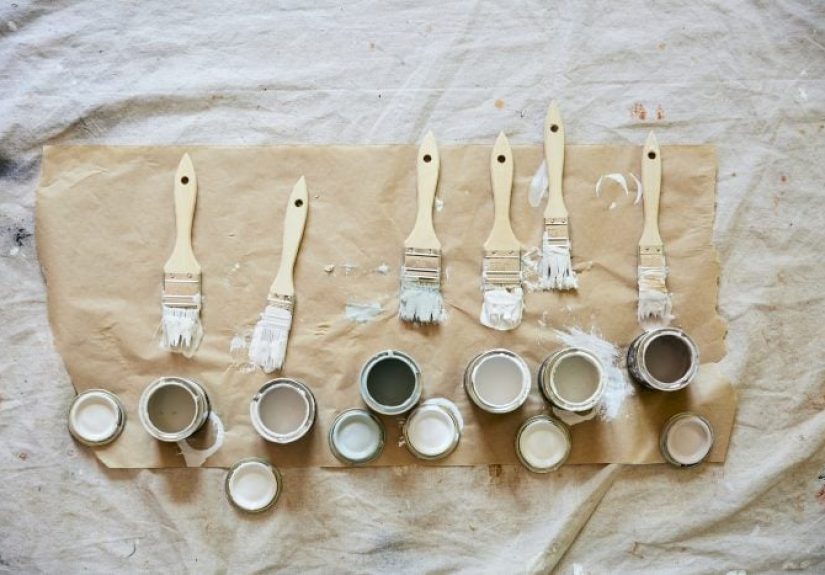
- Pick 2–4 candidates per space. Look at best-seller lists from major paint brands and real estate recommendations to narrow down your options to tried-and-true shades.
- Paint large samples. Either paint poster boards or 2–3 foot squares on different walls.
- Check them at different times of day. Morning, afternoon, evening, and with lights on at night. A color that’s perfect at noon might look muddy at 7 p.m.
- Compare with fixed finishes. Hold samples next to your flooring, countertop, and tile. The color should harmonize with those surfaces, not fight them.
- Ask your agent or stager. They know what’s selling in your area right now and can steer you away from risky choices.
Real-Life Lessons from the Paint Roller: Seller Experiences & Tips
Choosing the best wall paint colors for selling a house isn’t just about theory and color chartsit’s about what actually happens once the For Sale sign goes up. Here are some experience-based insights drawn from real estate agents, stagers, and homeowners who’ve recently sold. Think of it as friendly advice from people who have already scrubbed the paint out of their hair.
1. The “one weekend repaint” that changed everything
Many sellers report that their homes sat on the market with little interestuntil they painted. One family with a mix of red, mustard, and teal walls repainted the entire first floor in a warm greige and their bathrooms in pale blue. The very next round of showings produced multiple offers. Their agent’s take: buyers could finally see the house, not just the paint.
The lesson: If your current colors are bold or highly personal, neutralizing them is often the single most effective prep step you can take before listing.
2. When “just white” backfires
On the flip side, some sellers make everything stark white, hoping it will feel clean and modern. But in homes with average lighting and older finishes, bright white can actually emphasize imperfections in the walls and make dated tile or countertops look harsher.
Stagers frequently recommend a softer white or light greige instead, especially in older homes or properties with textured walls. The slightly warmer tone helps blur minor flaws and creates a more welcoming atmosphere.
3. Matching your neighborhood (and buyer profile)
Sellers in trendy urban condos can sometimes get away with a bit more dramalike a deep navy accent wallbecause buyers in those markets often expect bolder design. Suburban family buyers, however, tend to prefer light, flexible neutrals they can customize later.
Experienced agents advise looking at recently sold listings in your neighborhood. Notice which colors show up again and again in the photos. That’s a good indication of what local buyers respond toand a smart starting point for your own color choices.
4. Don’t forget the ceiling and trim
People focus so much on wall colors that they forget the supporting cast. Fresh white trim and a clean, consistent ceiling color can make your new wall paint look more expensive and intentional. In contrast, dingy baseboards or yellowed ceilings can drag the whole look down, even if your walls are perfect.
Many sellers have found it worthwhile to at least touch up trim in high-traffic areas (entryway, living room, kitchen) and paint ceilings in any room that looks shadowy or stained. It’s not glamorous work, but it really pays off in photos and in person.
5. The power of continuity
One of the most common comments agents hear during showings of well-painted homes is, “It just feels so calm in here.” That feeling usually comes from continuity: using one or two main neutrals throughout, instead of switching colors in every room.
Homeowners who’ve successfully sold quickly often say they were surprised by how much bigger and more expensive their house looked once the color palette was simplified. Even if each previous color was nice on its own, the patchwork effect made the house feel choppy. A unified schemewarm white or greige in main areas, soft blue or green in baths and bedroomsgives buyers that coveted “move-in ready” impression.
6. When to skip repainting
Repainting the entire house isn’t always necessary. If your current colors are already light, neutral, and in good shape, you may only need touch-ups. Agents often suggest prioritizing the following:
- Highly personalized rooms (kids’ neon bedrooms, bright accent walls).
- Spaces that photograph poorly (dark hallways, dingy bathrooms).
- Rooms where touch-ups clearly don’t match the original color anymore.
If you’re unsure, ask your agent for a brutally honest walkthrough. A good agent will tell you where paint will make a differenceand where you can save your time and money.
7. Budget-friendly strategies that still look polished
Not everyone has the budget for a full professional paint job. Sellers on a tighter budget often focus on “high-impact” zones: the entry, main living space, kitchen walls, and primary bedroom. Painting just those spaces in a cohesive neutral can dramatically change how the entire home feels.
Another trick: if trim is in rough shape but you can’t repaint it all, at least clean it thoroughly, touch up obvious chips, and repaint baseboards or door frames in the most visible areas. Fresh walls plus decent-looking trim is almost always better than perfect trim with dated, dark wall colors.
Final Takeaway
Choosing the most popular wall paint colors for selling a house doesn’t have to be stressful. Focus on light, inviting neutralswarm whites, soft greiges, and gentle graysthen layer in pale blues and soft greens in bathrooms or bedrooms if you want a bit of personality. Use deep blues and greens sparingly as accents, and avoid harsh whites, super-bright colors, and very dark shades in small rooms.
At the end of the day, the goal isn’t to create your dream color paletteit’s to create a calm, flexible backdrop that lets buyers picture their dream life in your home. If the walls help them fall in love faster and bid a little higher, that’s a pretty amazing job for a few cans of paint.
meta_title: Best Wall Paint Colors for Selling Your House
meta_description: Discover the most popular wall paint colors for selling a house fast, plus expert tips, room-by-room ideas, and mistakes to avoid.
sapo: Want your home to leap off the screen and into buyers’ hearts? The right wall paint colors can make rooms look bigger, brighter, and more “move-in ready” in just a weekend. From tried-and-true warm whites and greiges to value-boosting pale blues in the bathroom, this guide breaks down the most popular paint colors for selling a house, where to use them, which bold shades to avoid, and how to test colors like a proso you can list with confidence and attract stronger offers.
keywords: wall paint colors for selling a house, best paint colors to sell your home, popular neutral paint colors, greige paint for resale, light blue bathroom paint, staging paint colors, real estate paint tips