Table of Contents >> Show >> Hide
- What Makes Paprika Nutritionally Interesting?
- 1. Paprika Delivers a Concentrated Dose of Antioxidant Compounds
- 2. It Can Support Eye Health
- 3. Paprika Helps Support Immune Function
- 4. It Supports Healthy Skin and Cell Function
- 5. It Can Make Lower-Sodium Eating More Enjoyable
- 6. Hot Paprika May Modestly Support Thermogenesis and Appetite Control
- 7. Paprika Compounds Show Promise for Heart and Metabolic Health
- 8. It Adds a Small but Meaningful Nutrient Upgrade to Meals
- How to Get the Most Health Benefits From Paprika
- Real-Life Experiences With Paprika in Everyday Cooking
- The Bottom Line
Paprika is the kind of spice people buy for color, then keep around for years like a decorative candle. That is a mistake. This vivid red powder does more than make deviled eggs look confident. When it is fresh and used well, paprika adds smoky sweetness, gentle heat, and a surprising nutritional bonus.
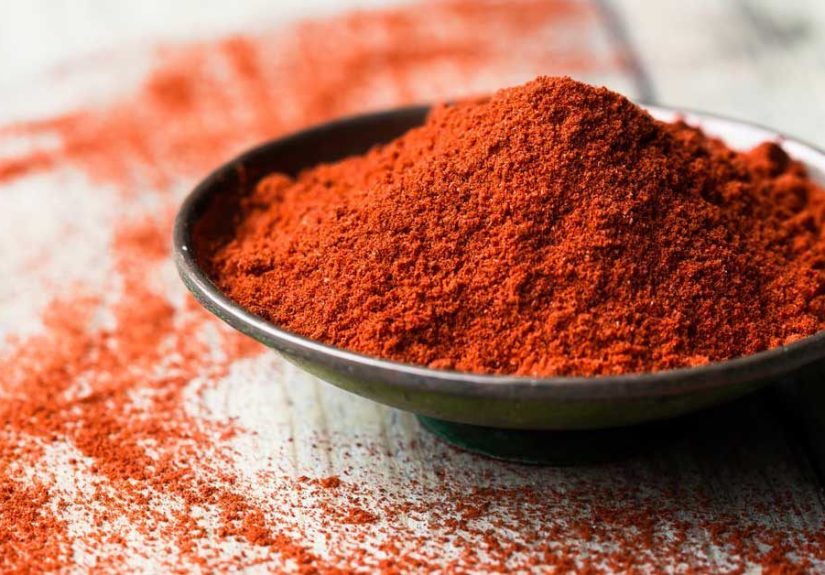
Made from dried and ground peppers in the Capsicum annuum family, paprika comes in several forms, including sweet, smoked, and hot paprika. That difference matters. Sweet paprika is known more for carotenoids and flavor, while hot paprika can also bring some capsaicin, the compound behind the peppery kick. So no, all paprika is not the same, and yes, your spice drawer may be holding more potential than you thought.
If you are looking for miracle-food nonsense, paprika is not here for that. It is still a spice, and most people use it by the teaspoon, not the bucket. But gram for gram, paprika is packed with plant compounds and nutrients that can support health in real ways. In other words, it is not magic dust. It is just impressively hardworking red dust.
What Makes Paprika Nutritionally Interesting?
Paprika contains carotenoids, including beta-carotene, lutein, zeaxanthin, and capsanthin, along with smaller amounts of vitamin E, iron, and vitamin B6. Because carotenoids are pigments, they are part of the reason paprika looks like it belongs in a sunset. They are also part of the reason nutrition researchers keep paying attention to peppers and pepper-derived foods.
Another point worth knowing: paprika is low in calories for the amount of flavor it delivers. That means it can make healthy foods more exciting without asking for extra sugar, extra butter, or a dramatic amount of salt. For anyone trying to eat better without chewing through a joyless plate of steamed sadness, that matters.
1. Paprika Delivers a Concentrated Dose of Antioxidant Compounds
One of the biggest science-backed benefits of paprika is its antioxidant content. Paprika is rich in carotenoids and other plant compounds that help protect cells from oxidative stress. Oxidative stress is basically what happens when unstable molecules put wear and tear on your cells over time. Think of it as biological rust, only less charming.
The carotenoids in paprika, especially capsanthin and beta-carotene, are the real headliners here. These compounds are being studied for their role in helping the body manage oxidative damage and inflammation. That does not mean paprika can cancel out a week of fast food and four hours of sleep. It does mean it is one more smart ingredient that can contribute to a diet rich in protective plant compounds.
This is also why fresh paprika tends to taste brighter and more alive. As spices sit around forever, some of those compounds degrade. If your paprika smells like cardboard with abandonment issues, it is probably time for a new jar.
2. It Can Support Eye Health
Paprika contains carotenoids linked to eye health, especially lutein and zeaxanthin. These compounds are known for accumulating in the retina, where they help filter damaging light and support visual function. That is a big reason carotenoids keep showing up in conversations about aging eyes and long-term vision support.
Beta-carotene matters too, because the body can convert it into vitamin A, and vitamin A is essential for normal vision. In plain English, paprika contains compounds that your eyes actually know what to do with. That is a pretty neat trick for a spice most people only think about when making potatoes look more attractive.
Now for the honest part: paprika alone is not an eye-health plan. It works best as part of a diet that also includes leafy greens, orange vegetables, eggs, and other nutrient-dense foods. But adding paprika to meals is an easy way to sneak more eye-supportive compounds into everyday cooking.
3. Paprika Helps Support Immune Function
Because paprika provides provitamin A carotenoids, it can contribute to immune support. Vitamin A plays an important role in maintaining immune function and supporting the tissues that line parts of the body such as the respiratory and digestive tracts. Those tissues act like your body’s front-door security system, and vitamin A helps keep the doors in good shape.
This does not mean you should treat paprika like cough syrup in a fancy red suit. It means that regularly using carotenoid-rich foods and spices can help strengthen the nutritional foundation your immune system depends on.
For people who already eat a colorful diet, paprika becomes one more helpful player. For people who do not eat many vegetables, it is not a full solution, but it is a better choice than pretending ketchup counts as produce.
4. It Supports Healthy Skin and Cell Function
Vitamin A is not only a vision nutrient. It also supports normal cell growth and differentiation, which matters for skin and other tissues. Paprika’s carotenoids, along with its small amount of vitamin E, make it a spice with some legitimate beauty-from-food potential, even if it is not the sort of thing influencers wave around in a smoothie glass.
Healthy skin depends on much more than one ingredient, of course. Hydration, sleep, overall diet, and sun protection still do the heavy lifting. But nutrients involved in cell turnover and antioxidant defense can help support the process. That is where paprika earns a quiet little gold star.
There is also a practical angle here. Paprika often helps people eat more nutrient-rich meals, like roasted vegetables, bean stews, grilled fish, soups, and chicken. And when a spice makes healthy food more appealing, that is not just a culinary benefit. That is a real behavioral health win.
5. It Can Make Lower-Sodium Eating More Enjoyable
Here is one of paprika’s most underrated benefits: it makes lower-sodium food taste like food. Not punishment. Not regret. Food.
Major heart-health guidance encourages people to replace some salt with herbs and spices when cooking. Paprika is especially useful because it brings color, depth, and a little sweetness or smokiness depending on the type. That means you can pull back on sodium without making every meal taste like boiled weather.
This matters because lower sodium intake is associated with healthier blood pressure for many people. Paprika itself is not a blood pressure medication, but it can be part of a cooking style that supports better heart health. Stir it into soups, sprinkle it on eggs, rub it onto salmon, or toss it with chickpeas before roasting. Suddenly the salt shaker is not the only personality in the kitchen.
6. Hot Paprika May Modestly Support Thermogenesis and Appetite Control
This benefit comes with a very important asterisk: it applies mostly to hot paprika, not every paprika on earth. Hot paprika can contain capsaicin and related capsaicinoids, compounds studied for their ability to slightly increase energy expenditure, support fat oxidation, and help some people feel fuller after eating.
The keyword here is slightly. Hot paprika will not turn lunch into a cardio session. Still, the research around capsaicin suggests it may have modest effects on thermogenesis and appetite in some settings. That is why spicy foods are often discussed in the context of weight-management strategies.
But dosage matters. Many of the stronger findings come from concentrated capsaicin or pepper extracts, not from a casual teaspoon of paprika on roasted carrots. So the smartest way to present this benefit is simple: hot paprika may provide a mild metabolic edge, but it works best as part of a bigger healthy routine, not as a loophole around one.
7. Paprika Compounds Show Promise for Heart and Metabolic Health
Researchers are also interested in paprika’s xanthophyll carotenoids, including capsanthin and other pepper pigments, for potential effects on blood lipids, body fat distribution, and oxidative balance. Some supplement studies using paprika xanthophyll extracts have found improvements in measures such as abdominal fat or circulating carotenoid levels.
That is promising, but this is where nutrition writing often runs off the rails, so let us keep both shoes on the ground. There is a difference between a standardized extract taken daily in a controlled study and the amount of paprika you shake into a dry rub while listening to music in your kitchen. The science is interesting, but ordinary cooking amounts are likely to produce gentler effects.
Still, paprika deserves credit for being part of a dietary pattern that supports heart health. It works beautifully with beans, lentils, olive oil, vegetables, and lean proteins. When a spice helps healthier foods taste better and may contribute beneficial plant compounds at the same time, that is a very respectable double win.
8. It Adds a Small but Meaningful Nutrient Upgrade to Meals
Paprika is not just colorful dust. It contributes small amounts of iron, vitamin B6, vitamin E, and other micronutrients. Iron helps the body make hemoglobin, the protein in red blood cells that carries oxygen. Vitamin B6 is involved in more than 100 enzyme reactions, especially those linked to metabolism. Vitamin E acts as an antioxidant.
Are these huge amounts in a normal serving? No. Paprika is still a spice, not a steak, a sweet potato, or a multivitamin. But small upgrades count, especially when they happen often. A teaspoon here, another there, day after day, meal after meal, can meaningfully improve the overall nutrient quality of your diet.
That is one of the least glamorous but most useful truths in nutrition: health is often built from repeated little choices, not one dramatic superfood moment filmed in natural window light.
How to Get the Most Health Benefits From Paprika
Choose the right type
Sweet paprika is mild and earthy. Smoked paprika adds deep, woodsy flavor. Hot paprika has more kick and may contain more capsaicin-related benefits. Keep all three around if you cook often. Your weeknight meals will become noticeably less boring.
Use it with a little fat
Carotenoids are fat-soluble, which means they are better absorbed when eaten with a source of fat. Paprika on olive-oil roasted vegetables makes more nutritional sense than paprika sprinkled onto dry rice crackers while standing at the counter questioning your life choices.
Store it properly
Keep paprika in an airtight container away from heat, moisture, and light. A cool pantry is better than the cabinet above the stove. Fresher paprika tastes better and is more likely to retain its color and beneficial compounds.
Use it on real food, not just garnish duty
Paprika works well on eggs, beans, lentils, potatoes, yogurt sauces, chicken, fish, roasted cauliflower, hummus, popcorn, and soups. The more often you use it in nutrient-dense meals, the more useful it becomes.
Real-Life Experiences With Paprika in Everyday Cooking
One of the most noticeable real-world experiences with paprika is how quickly it changes the mood of a meal. A plain pan of roasted vegetables can feel a little worthy and dull, but add olive oil, garlic, and paprika and suddenly the tray smells like you actually planned dinner. That matters more than people think. Healthy eating is easier to stick with when food smells warm, looks colorful, and tastes like someone cared.
Many home cooks discover paprika through one recipe and then start using it everywhere. First it is sprinkled over roasted potatoes. Then it ends up in soups, egg dishes, yogurt dips, sheet-pan chicken, and bean skillets. Over time, paprika becomes less of a special-occasion spice and more of a daily tool. That everyday use is where its real value shows up. It helps people build meals around vegetables, legumes, and lean proteins because it makes those foods more interesting without much effort.
Another common experience is learning that different paprikas behave differently. Sweet paprika gives a gentle, rounded flavor. Smoked paprika can make a simple pot of lentils taste almost like it simmered with bacon, even when it did not. Hot paprika adds a sharp little spark that wakes up eggs, chili, or roasted chickpeas. Once people figure that out, they stop treating paprika as one generic red powder and start using it more intentionally. The result is usually better cooking and less dependence on heavy sauces or too much salt.
There is also a practical health experience tied to paprika: it often helps with sodium reduction in a way that feels realistic. Anyone who has tried to cut back on salt knows the first few meals can taste tragically sincere. Paprika helps fix that. It adds depth and warmth, which makes lower-sodium dishes feel complete. For people trying to manage blood pressure or simply improve their eating habits, that small shift can be surprisingly powerful. When food still tastes satisfying, it is easier to stay consistent.
People who like meal prep tend to love paprika for another reason: it holds up well in big-batch cooking. It works in marinades, dry rubs, stews, grain bowls, and roasted protein recipes that taste good for days. Paprika can make a container of leftover chicken and rice taste less like repetition and more like lunch with a plan. That may not sound glamorous, but it is exactly the kind of experience that supports better choices during a busy week.
Then there is the visual effect. Paprika makes food look vibrant. That may sound superficial, but appearance influences appetite and enjoyment. A dusting of paprika over hummus, deviled eggs, potato wedges, or soup adds a restaurant-style finish with almost no effort. Meals feel more satisfying when they look appealing, and satisfying meals are often easier to stick with than bland ones.
In real life, this may be paprika’s greatest superpower: it helps healthy eating feel less like a program and more like normal, delicious cooking. It is affordable, easy to use, and versatile enough for weeknight dinners, snacks, and weekend projects. No dramatic cleanse. No rare ingredients. Just a spice that quietly makes good food easier to want.
The Bottom Line
The science-backed benefits of paprika are real, but they are best understood in context. Paprika can provide antioxidant carotenoids, support eye and immune health through vitamin A-related compounds, help make lower-sodium meals more satisfying, and in hot forms may offer modest capsaicin-related benefits for metabolism and appetite. It can also contribute small amounts of other nutrients that support overall wellness.
Will paprika change your life by Tuesday? Probably not. But can it make nutritious meals taste better, look better, and contribute meaningful compounds along the way? Absolutely. And in nutrition, that kind of steady, everyday advantage is often more useful than flashy promises.