Table of Contents >> Show >> Hide
- What Plaque Psoriasis Treatment Is Really Trying to Do
- How Doctors Choose the Right Psoriasis Treatment
- Topical Treatments for Plaque Psoriasis
- Phototherapy for Plaque Psoriasis
- Oral Systemic Treatments
- Biologic Treatments for Moderate to Severe Plaque Psoriasis
- Benefits and Risks at a Glance
- Self-Care That Supports Medical Treatment
- When to Talk to a Doctor Sooner Rather Than Later
- What Real Treatment Experiences Often Look Like
- Conclusion
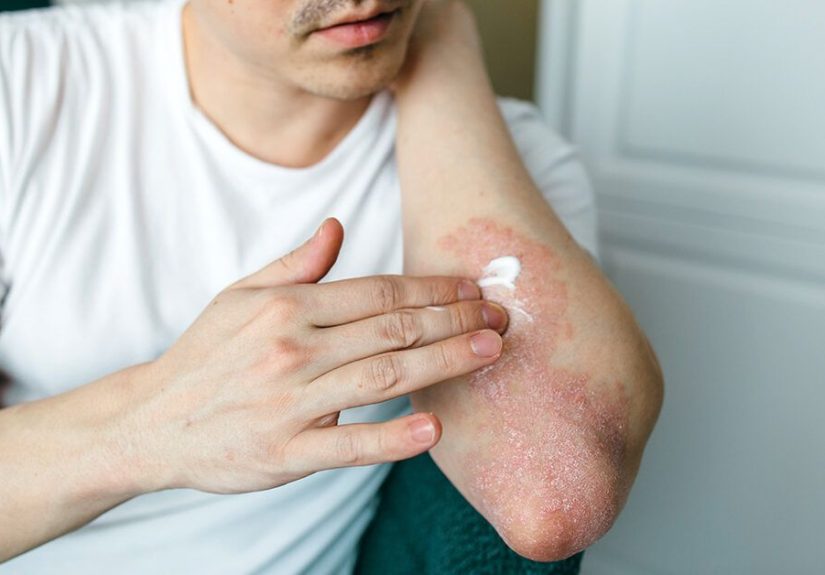
Plaque psoriasis is stubborn, dramatic, and frankly a little too confident for a skin condition. It shows up uninvited, overstays its welcome, and leaves thick, scaly patches that can itch, sting, crack, and make getting dressed feel like a negotiation. The good news is that modern plaque psoriasis treatment options are far better than they used to be. No, there still is not a magic wand or a permanent cure. But there are many effective ways to calm inflammation, clear plaques, reduce flares, and help people feel more comfortable in their own skin.
If you are trying to understand the benefits and risks of psoriasis treatment, the big picture is this: the best plan depends on how much skin is involved, where the plaques are located, how badly symptoms affect your life, whether you have joint pain, and how your body responds over time. Some people do well with moisturizers and topical steroids. Others need phototherapy, oral medicines, or biologic drugs that target specific parts of the immune system. It is not a one-size-fits-all situation. It is more like a playlist: you may need to skip a few tracks before you find the one worth repeating.
What Plaque Psoriasis Treatment Is Really Trying to Do
Most treatment plans aim to do four things:
- Slow down the overactive immune signals that drive inflammation.
- Reduce the rapid buildup of skin cells that creates thick plaques and scale.
- Relieve symptoms such as itch, burning, soreness, and cracking.
- Protect quality of life, sleep, confidence, and, when needed, the joints.
That last part matters. Plaque psoriasis is not just “dry skin with a flair for drama.” It can affect mental health, relationships, daily routines, and work. And if you also have joint pain, stiffness, or swollen fingers, your doctor may need to consider psoriatic arthritis as part of the treatment strategy.
How Doctors Choose the Right Psoriasis Treatment
Before picking a medication, a dermatologist usually looks at the severity of the disease, the body areas involved, and how much psoriasis disrupts everyday life. A few patches on the elbows and knees are different from plaques on the scalp, face, genitals, hands, feet, or large areas of the body. A treatment that works well on the trunk may be a bad fit for thinner or more sensitive skin.
Doctors also consider your age, pregnancy plans, other health conditions, prior treatments, and whether you can stick with the plan. For example, a cream that works beautifully is less helpful if applying it twice a day to a large body area feels like taking a part-time job you never applied for.
Topical Treatments for Plaque Psoriasis
Topical therapy is usually the first stop for mild to moderate plaque psoriasis and often stays part of the plan even when stronger treatments are added later.
Topical corticosteroids
Topical steroids are among the most common psoriasis treatments because they work quickly to reduce redness, itching, and inflammation. They come in different strengths and forms, including creams, ointments, lotions, foams, sprays, and solutions. Ointments are often especially useful for thick, dry plaques because they lock in moisture and soften scale.
Benefits: Fast symptom relief, widely available, and effective for many body areas. They are often the workhorse of psoriasis treatment.
Risks: Long-term or improper use can lead to thinning skin, stretch marks, easy bruising, and reduced effectiveness over time. Strong steroids are not ideal for delicate areas like the face, groin, or skin folds unless a dermatologist specifically directs their use.
Vitamin D analogs
Prescription vitamin D-based creams and ointments help slow excess skin cell growth. They are often paired with topical steroids because the combination can improve plaque control while lowering steroid exposure.
Benefits: Helpful for long-term management and useful as steroid-sparing therapy.
Risks: They may irritate the skin and need to be used exactly as prescribed.
Tazarotene and other retinoid-style topicals
Tazarotene, a topical retinoid, can help normalize skin cell turnover. Dermatologists often combine it with a steroid to improve results and reduce irritation.
Benefits: Can be effective for plaque thickening and scaling.
Risks: Redness, dryness, peeling, burning, and sun sensitivity. On sensitive skin, it can feel less like skincare and more like a personality test.
Calcineurin inhibitors for delicate areas
Tacrolimus ointment and pimecrolimus cream are not FDA-approved specifically for psoriasis, but dermatologists often use them off-label for the face, neck, and body folds where steroids can be risky.
Benefits: Useful in delicate areas and lower risk of steroid-related skin thinning.
Risks: Temporary burning or stinging can happen, especially when treatment begins.
Coal tar, anthralin, salicylic acid, and moisturizers
These classic options still matter. Coal tar may help slow skin cell growth and reduce itching. Anthralin can be effective for some long-term cases. Salicylic acid helps soften and remove scale. Thick moisturizers do not treat the immune problem, but they support the skin barrier and can make everything else work better.
Benefits: Helpful add-ons, especially for scale, dryness, and plaque thickness.
Risks: Irritation, messiness, staining, or odor with some products. Coal tar is effective, but it is not winning any fragrance awards.
Newer nonsteroid topicals
Newer prescription creams and foams have expanded plaque psoriasis treatment options. Roflumilast, a topical PDE4 inhibitor, is approved for plaque psoriasis and is available in cream and foam forms. Tapinarof, an aryl hydrocarbon receptor agonist, is another newer nonsteroid option.
Benefits: Useful for people who want steroid-free treatment or need longer-term control. These medicines can also be easier to use in certain body areas, including the scalp when foam formulations are used.
Risks: Side effects vary by product but may include headache, nausea, diarrhea, contact dermatitis, folliculitis, or application-site discomfort.
Phototherapy for Plaque Psoriasis
Phototherapy uses controlled ultraviolet light under medical supervision to slow down the fast skin turnover that causes plaques. Narrowband UVB is commonly used, and some patients also receive excimer laser treatment for targeted spots. Phototherapy is often recommended for moderate plaque psoriasis or for cases that do not respond well enough to topical treatment alone.
Benefits: It can be highly effective, especially when plaques are widespread. It is also a non-drug option, which some patients prefer.
Risks: Temporary redness, burning, itching, dark spots, or a sunburn-like reaction. Long-term ultraviolet exposure may raise skin cancer risk, especially with certain types of treatment or poor supervision. Tanning beds are not a safe substitute. They are basically the fake friend of skin care: loud, tempting, and bad for your future.
One practical downside is logistics. Phototherapy often requires several visits a week for weeks or months. Great treatment, not always great for your calendar.
Oral Systemic Treatments
When plaque psoriasis is moderate to severe, covers large areas, affects the scalp or nails extensively, or interferes heavily with daily life, doctors may recommend systemic treatment. These drugs work throughout the body rather than just on the skin.
Methotrexate
Methotrexate has been used for many years and can help reduce inflammation and slow rapid skin cell growth.
Benefits: Effective for many patients and sometimes helpful when joint symptoms are also present.
Risks: It requires monitoring because of possible liver toxicity and other side effects. It is not the kind of medication you take and forget about. It is the kind that expects follow-up appointments and lab work.
Cyclosporine
Cyclosporine may be used for severe, hard-to-control psoriasis, including certain urgent or extensive flares.
Benefits: It can work quickly, which makes it helpful when fast control is needed.
Risks: It is generally not a forever drug because of potential kidney problems, high blood pressure, and immune-related risks.
Acitretin
Acitretin is an oral retinoid that may help some forms of psoriasis and is sometimes used with light therapy.
Benefits: It is not an immunosuppressant, which can matter in certain clinical situations.
Risks: Dry lips, dry skin, and other retinoid side effects are common. It must not be used during pregnancy, and pregnancy planning needs careful discussion because of serious fetal risk.
Apremilast
Apremilast is an oral PDE4 inhibitor used in plaque psoriasis.
Benefits: It offers a non-biologic oral option and may be appealing to patients who do not want injections.
Risks: Diarrhea, nausea, vomiting, and weight loss can occur. Monitoring is important if weight loss becomes significant.
Deucravacitinib
Deucravacitinib is a newer oral targeted therapy for adults with moderate to severe plaque psoriasis who may be candidates for systemic treatment.
Benefits: It gives patients a modern oral option with targeted immune action.
Risks: Infection risk is an important concern, and it should not be used casually in the setting of active serious infection.
Biologic Treatments for Moderate to Severe Plaque Psoriasis
Biologics are targeted drugs given by injection or infusion. They block specific immune pathways involved in psoriasis, such as TNF, IL-17, IL-23, or IL-12/23. For many people with moderate to severe plaque psoriasis, biologics have changed the game.
Benefits: These drugs can be highly effective, and some patients experience major skin clearing and much better quality of life. They may also help psoriatic arthritis by easing joint pain, stiffness, and swelling.
Risks: The biggest concern is serious infection. Doctors usually screen for tuberculosis and review medical history before treatment begins. Depending on the biologic, other warnings may apply. Some products carry specific boxed warnings or require closer monitoring in certain patients.
Biologics are powerful, but they are not “easy mode.” They work best when patients and doctors treat them like the serious medications they are: carefully chosen, carefully monitored, and carefully respected.
Benefits and Risks at a Glance
| Treatment Type | Main Benefits | Main Risks or Drawbacks |
|---|---|---|
| Topical steroids | Fast relief, effective for many plaques | Skin thinning, stretch marks, limits on long-term use |
| Vitamin D analogs | Good maintenance option, steroid-sparing | Possible irritation, needs proper use |
| Roflumilast or tapinarof | Nonsteroid options, useful for ongoing control | Headache, nausea, diarrhea, folliculitis, dermatitis |
| Phototherapy | Effective for more widespread disease | Frequent visits, burns, long-term UV damage risk |
| Methotrexate | Useful systemic option, can help significant disease | Liver monitoring and other systemic side effects |
| Cyclosporine | Works quickly in severe cases | Kidney and blood pressure concerns |
| Apremilast | Oral option without injections | GI side effects and possible weight loss |
| Biologics | High effectiveness, may help joint disease | Serious infection risk, screening and monitoring needed |
Self-Care That Supports Medical Treatment
Psoriasis treatment does not end with the prescription pad. Moisturizing regularly, avoiding harsh soaps, following trigger patterns, not smoking, limiting heavy alcohol use, and managing stress can all support better control. None of these habits replace treatment for moderate or severe disease, but they can improve comfort and reduce flare fuel.
It also helps to treat the whole person, not just the plaque. If psoriasis is affecting sleep, mood, work, or intimacy, say so. Those details are not side notes. They help guide the treatment plan.
When to Talk to a Doctor Sooner Rather Than Later
Contact a dermatologist if your plaques are spreading, your skin is cracking or painful, over-the-counter options are not helping, or your current treatment is causing side effects. Seek medical advice promptly if you develop fever, signs of infection, or new joint pain and stiffness. Psoriatic arthritis can sometimes start quietly, and early treatment matters.
What Real Treatment Experiences Often Look Like
The lived experience of plaque psoriasis treatment is rarely as neat as a brochure. Real life is more like this: someone starts with a steroid cream, feels hopeful for ten days, then realizes that applying medication to the back of both legs twice a day requires either excellent flexibility or a very supportive household. The medicine works, but consistency becomes the real challenge. Many patients describe this stage as the point when they learn psoriasis treatment is not just about the drug itself. It is about whether the treatment fits ordinary life.
Another common experience happens with scalp psoriasis. A person may try medicated shampoos, then prescription solutions, then finally a foam that is easier to apply and less likely to turn the hair into a chemistry experiment. The improvement is not just medical. It is social. Less flaking on dark shirts, less scratching during meetings, less worry under bright lights. Sometimes the biggest treatment benefit is not what happens in the mirror. It is what stops happening in public.
Phototherapy has its own pattern. Patients often say it works well, but the routine can be demanding. Driving to appointments two or three times a week sounds manageable until life adds traffic, work, school drop-offs, and plain old exhaustion. Some people love that phototherapy avoids systemic medication. Others feel like they accidentally enrolled in a second commute. The treatment can be excellent, but convenience still matters.
People who switch to oral medicine often talk about mixed emotions. There is relief at moving beyond creams that barely keep up with widespread plaques. But there can also be anxiety about lab tests, stomach upset, or reading a long side effect sheet that feels like it was written by someone who distrusts happiness. Patients frequently say that honest conversations with a dermatologist make a huge difference here. Knowing what side effects are common, what is rare, and what should trigger a phone call makes treatment feel manageable instead of mysterious.
Biologics bring another layer of experience. Many patients describe them as life-changing when they work well. Skin may clear dramatically. Sleep improves. Clothing choices open up. Social confidence comes back. But getting there can involve insurance approvals, tuberculosis screening, injection training, and the mental adjustment of taking a serious immune-targeting medication. For some, the hardest part is not the injection. It is trusting that feeling better could actually last. After years of flares, people can get used to expecting disappointment.
There is also the emotional side that does not always make it into clinical language. When treatment starts working, some people feel joy. Some feel disbelief. Some feel oddly angry about how long they lived uncomfortable before finding the right plan. All of those reactions are normal. Plaque psoriasis is visible, chronic, and unpredictable. Successful treatment can improve skin, but it can also uncover how much the condition had been quietly shaping daily life.
In the end, the most realistic experience is trial, adjustment, and partnership. A good treatment plan is not always the strongest medication or the newest prescription. It is the one that balances effectiveness, safety, convenience, cost, and the way a real person actually lives. In other words, the best psoriasis treatment is not just medically smart. It is sustainable.
Conclusion
Plaque psoriasis treatment options now range from classic topical therapies to advanced biologics, and that variety is a good thing. Mild disease may improve with moisturizers, topical steroids, vitamin D analogs, or newer steroid-free creams. Moderate to severe disease may need phototherapy, oral systemic treatment, or biologics. Each option offers potential benefits, and each comes with tradeoffs. That is why the smartest approach is personalized care with a dermatologist who can match the treatment to your skin, your health history, and your everyday life.
If there is one reassuring truth here, it is this: plaque psoriasis can be persistent, but treatment has become much more effective and much more tailored. The goal is not perfection on day one. The goal is steady control, fewer flares, safer long-term management, and a life where your skin is no longer calling all the shots.