Table of Contents >> Show >> Hide
- Why This Seared Foie Gras Recipe Works
- Ingredients for Seared Foie Gras With Fig and Balsamic Reduction
- How to Make the Fig and Balsamic Reduction
- How to Sear Foie Gras Properly
- How to Plate Seared Foie Gras With Fig and Balsamic Reduction
- Tips for the Best Foie Gras Recipe at Home
- Common Mistakes to Avoid
- What to Serve With Seared Foie Gras
- Frequently Asked Questions
- The Experience of Making and Serving This Dish
- Final Thoughts
If dinner parties had a red carpet, this seared foie gras with fig and balsamic reduction recipe would absolutely arrive wearing velvet and making eye contact with everyone. It is rich, elegant, dramatic, and surprisingly doable at home if you stay calm, keep the pan hot, and resist the urge to overthink it like a contestant on a cooking show with thirty seconds left.
This dish works because it understands balance. Foie gras is famously lush and buttery, so it needs contrast. Sweet figs bring jammy depth, balsamic reduction adds tangy brightness, and toasted brioche gives the whole thing a crisp, golden landing pad. The result tastes fancy enough for a holiday table, anniversary dinner, or a night when you simply decide your kitchen deserves better than another bowl of cereal.
In this guide, you will learn exactly how to make seared foie gras with fig and balsamic reduction, how to avoid the classic mistakes, what to serve with it, and why this timeless French-inspired appetizer still knows how to steal the spotlight without yelling.
Why This Seared Foie Gras Recipe Works
A good foie gras recipe is not about piling on ingredients until the plate looks like modern art. It is about giving a rich ingredient the right support system. The fig and balsamic reduction recipe here does exactly that.
The flavor balance is spot on
Foie gras is intensely rich, almost custardy inside when cooked properly. Figs match that luxury with a soft, honeyed sweetness, while balsamic vinegar keeps the sauce from becoming cloying. You get richness, acidity, sweetness, and savoriness in one bite, which is exactly the sort of culinary teamwork we like to see.
The texture contrast keeps it interesting
Seared foie gras should be crisp and caramelized on the outside, tender inside, and only lightly warmed through. Add a silky fig reduction and a slice of toasted brioche or baguette, and every bite gets a little crunch, a little softness, and a little melt. In other words, this dish is not here to bore you.
It looks restaurant-level with minimal fuss
That is the sneaky beauty of this appetizer. Once your sauce is ready, the foie gras cooks in minutes. Fast food, yes. Drive-thru, no.
Ingredients for Seared Foie Gras With Fig and Balsamic Reduction
For the foie gras
- 4 slices duck foie gras, about 1/2-inch thick
- Kosher salt, to taste
- Freshly ground black pepper, to taste
- 4 small slices brioche or baguette, toasted
For the fig and balsamic reduction
- 6 fresh figs, halved or quartered
- 1 small shallot, finely minced
- 1/2 cup balsamic vinegar
- 1/4 cup port or red wine
- 1 to 2 teaspoons brown sugar or honey, if needed
- 1 tablespoon unsalted butter
- 1 sprig fresh thyme
- Pinch of salt
Optional finishing touches
- Microgreens
- Flaky sea salt
- Fresh thyme leaves
- A few drops of extra balsamic glaze
If fresh figs are out of season, dried figs work too. Just simmer them a little longer so they soften and become spoonable. Fresh figs give a cleaner, lighter fruit note, while dried figs create a deeper, more concentrated sauce. Neither choice is wrong. This is cooking, not jury duty.
How to Make the Fig and Balsamic Reduction
Start with the sauce, because foie gras waits for no one. Once it hits the pan, the clock moves fast.
- Sauté the shallot: In a small saucepan over medium heat, add a small knob of butter and the minced shallot. Cook for 2 to 3 minutes until softened but not browned.
- Add the figs: Stir in the fresh figs and thyme. Let them cook for another 2 minutes so they begin to slump and release their juices.
- Pour in the balsamic and wine: Add the balsamic vinegar and port or red wine. Bring to a gentle simmer.
- Reduce the sauce: Cook for 8 to 12 minutes, stirring occasionally, until the liquid thickens into a glossy reduction that coats the back of a spoon.
- Balance the flavor: Taste the sauce. If your figs are not especially sweet, add a little brown sugar or honey. Finish with a pinch of salt and a final dab of butter for shine.
- Keep warm: Remove the thyme sprig and keep the reduction warm on the lowest heat possible.
The goal is not a watery fruit sauce. You want a reduction with enough body to sit proudly on the plate without sprinting toward the rim. Thick, glossy, spoonable. Basically, the sauce version of good posture.
How to Sear Foie Gras Properly
This is the part that makes some home cooks nervous, mostly because foie gras has a reputation for being temperamental. Fair enough. It is rich, delicate, and absolutely willing to melt away if you mistreat it. But the actual method is simple.
Step 1: Keep the slices cold until the last minute
Cold foie gras is easier to handle and less likely to soften too quickly before it reaches the pan. Pat the slices dry with paper towels, then season both sides generously with salt and pepper.
Step 2: Heat a dry skillet until very hot
You usually do not need additional fat. Foie gras renders quickly on its own, which is both convenient and slightly absurd in the best way. Use a heavy skillet and let it get hot before the slices go in.
Step 3: Sear briefly
Add the foie gras slices and sear for about 45 seconds to 2 minutes per side, depending on thickness. You want a deep golden-brown crust while keeping the center tender. If the slices start shrinking dramatically or releasing a lake of fat, they are staying in the pan too long.
Step 4: Rest for a moment
Transfer the seared foie gras to a paper towel-lined plate for about 30 seconds to 1 minute. This short rest keeps the exterior crisp and lets excess fat drain away.
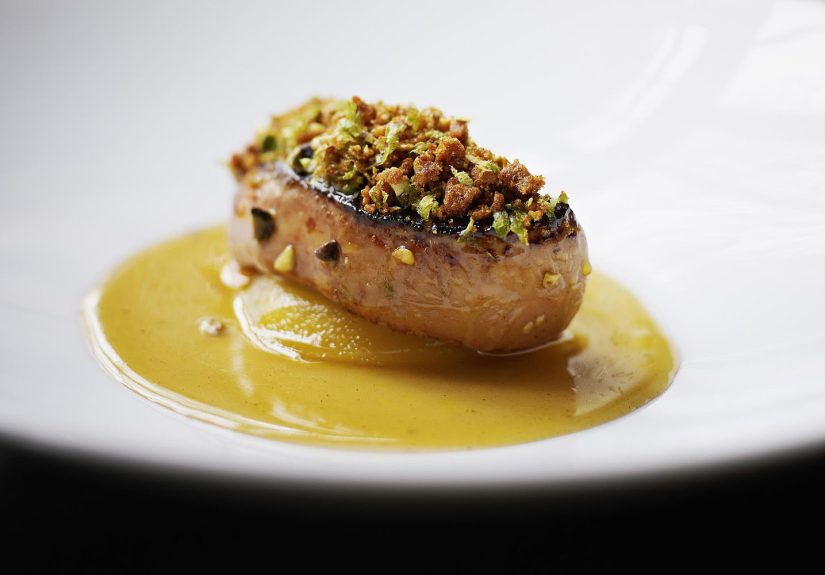
How to Plate Seared Foie Gras With Fig and Balsamic Reduction
Now comes the fun part, also known as the reason everyone suddenly starts hovering near the kitchen.
- Place a toasted slice of brioche or baguette on each plate.
- Set the seared foie gras on top.
- Spoon a little fig and balsamic reduction over and around the foie gras.
- Finish with thyme leaves, flaky salt, or microgreens if you want extra polish.
Serve immediately. This is not a dish that likes to sit around waiting for someone to find the “good plates.” The contrast between hot foie gras, warm sauce, and crisp toast is the whole point.
Tips for the Best Foie Gras Recipe at Home
Use quality foie gras
Grade A duck foie gras is the usual choice for pan-searing because it holds its shape well and has a smooth, luxurious texture. Pre-portioned medallions or slices can also make life easier for home cooks.
Do not overcrowd the pan
If you crowd the skillet, the foie gras steams instead of sears. And nobody dreams of steamed foie gras. Give each slice space.
Toast the bread well
Soft bread under hot foie gras turns limp fast. Toasted brioche gives structure, flavor, and a little buttery sweetness that plays beautifully with the figs.
Keep the sauce acidic enough
This dish needs brightness. If the reduction tastes flat, add a tiny splash more balsamic or a squeeze of citrus. Rich foods love contrast.
Serve smaller portions
Foie gras is best treated like a luxurious starter, not a giant steak. Small portions feel elegant, taste balanced, and keep the dish from becoming too heavy too early in the meal.
Common Mistakes to Avoid
Overcooking the foie gras
This is the big one. Too much time in the pan means too much fat rendered out, leaving you with a smaller, firmer piece and a sad amount of expensive regret.
Making the reduction too sweet
Figs are already sweet. Balsamic often has natural sweetness too. Taste before adding more sugar so the final sauce stays balanced, not syrupy.
Using a lukewarm pan
A hot pan gives you that quick crust. A pan that is merely “kind of warm-ish” gives you sticking, tearing, and frustration.
Plating too early
Have everything ready before you sear: toast done, sauce warm, garnishes set. Foie gras is a last-minute performer, and it expects a competent stage crew.
What to Serve With Seared Foie Gras
Because this seared foie gras with fig and balsamic reduction recipe is already rich, the best sidekicks are simple and sharp. Good choices include:
- Lightly dressed arugula salad
- Toasted brioche or baguette
- Pickled shallots
- Fresh pears or apples
- A small pour of Sauternes, Port, or sparkling wine
Fruit and foie gras are classic companions for a reason. The sweetness and acidity soften the richness without fighting it. Think of the figs and balsamic as the diplomatic team keeping the whole plate in harmony.
Frequently Asked Questions
Can I use dried figs instead of fresh figs?
Yes. Dried figs make an excellent fig and balsamic reduction, especially when simmered in balsamic and wine until soft. The flavor is deeper and more concentrated, which works beautifully in colder months.
What bread is best with foie gras?
Toasted brioche is the classic choice because it is buttery and tender, but a crisp baguette works well too. The important thing is texture. You need something sturdy enough to support the foie gras and sauce.
Can I make the reduction ahead of time?
Absolutely. The fig and balsamic reduction can be made a day ahead and gently rewarmed before serving. That makes the final sear much less stressful.
Is this recipe only for holidays?
No, but it does love a special occasion. It is ideal for holiday entertaining, date nights, New Year’s dinners, or any meal where you want the appetizer to make a dramatic entrance.
The Experience of Making and Serving This Dish
There is something unmistakably theatrical about making seared foie gras with fig and balsamic reduction at home. Not chaotic theatrical. More like polished, candlelit, “someone put on jazz without being asked” theatrical. It starts the moment the balsamic hits the saucepan and the kitchen fills with that dark, sweet-sharp aroma that makes people wander in and ask, “What are you making?” in the tone normally reserved for expensive perfume.
The first real thrill comes from realizing this dish is much simpler than its reputation suggests. Foie gras sounds intimidating because it belongs to that category of foods people discuss with dramatic pauses. But once you have your ingredients lined up, the process feels less like culinary wizardry and more like disciplined timing. The sauce simmers gently. The figs soften and darken. The toast waits its turn. Then the foie gras goes into the hot skillet, and suddenly the whole kitchen smells like a tiny French bistro got very ambitious.
Watching the slices sear is satisfying in a very specific way. They hit the pan with confidence, develop color quickly, and ask only one thing from you: do not panic and leave them there forever. This is one of those recipes that rewards decisiveness. Flip, rest, plate, serve. It feels elegant because it moves fast.
Serving it is its own kind of fun. Guests tend to get a little quieter after the first bite, which is usually a promising sign. You see the reaction almost immediately: the crisp toast, the warm, silky foie gras, the sweet fig, the sharp edge of balsamic, the way the whole thing melts together and somehow still tastes balanced. It is rich, yes, but not blunt. It tastes deliberate.
Another thing people love about this recipe is that it feels memorable without being fussy. You do not need towers of garnish or a plate that looks like it was assembled with tweezers. A spoonful of reduction, a neat piece of toast, and a properly seared slice do the work. The dish carries itself.
From a host’s perspective, that matters. The best entertaining recipes are not just delicious. They create a moment. This one does. It announces that dinner is an event, not an errand. It tells your guests they should probably sit up straighter and maybe stop checking their phones. Even if the main course is simple, starting with foie gras sets a tone that says the evening is meant to be enjoyed slowly.
And from the cook’s perspective, there is real pleasure in mastering something that seems luxurious. Once you make it successfully, it no longer feels mysterious. It feels smart. You learn that the hot pan matters, the sauce balance matters, and timing matters more than unnecessary complexity. After that, this recipe becomes less of a one-time stunt and more of a secret weapon.
That is why seared foie gras with fig and balsamic reduction remains such a compelling dish. It is indulgent, yes, but it is also deeply sensory and surprisingly manageable. It gives you aroma, color, texture, and that glorious first bite that makes everyone at the table look briefly stunned. And honestly, if a recipe can do all that in just a few minutes at the stove, it has earned its place in the special-occasion hall of fame.
Final Thoughts
This seared foie gras with fig and balsamic reduction recipe is luxurious without being impossible, classic without feeling stale, and dramatic without becoming complicated. When made with a hot pan, a balanced reduction, and good timing, it delivers the kind of appetizer that turns dinner into an occasion.
If you want a dish that tastes refined, looks impressive, and still lets the ingredients shine, this is it. The seared foie gras brings richness, the fig and balsamic reduction brings brightness and depth, and the toasted brioche ties the whole thing together with just enough crunch. It is the sort of plate that says, very politely, “Yes, I do know what I’m doing.”