Table of Contents >> Show >> Hide
- Why Tammy Slaton’s Transformation Hit So Hard
- The Journey Was Not Fast, Easy, or Camera-Friendly
- The Loose-Skin Chapter Was About More Than Looks
- Why Fans Keep Saying “She Got Her Life Back”
- This Was Also a Mental and Emotional Transformation
- What Her Story Says About Weight-Loss Coverage in 2026
- Related Experiences: What Major Weight Loss Can Feel Like in Real Life
- Final Take
- SEO Tags
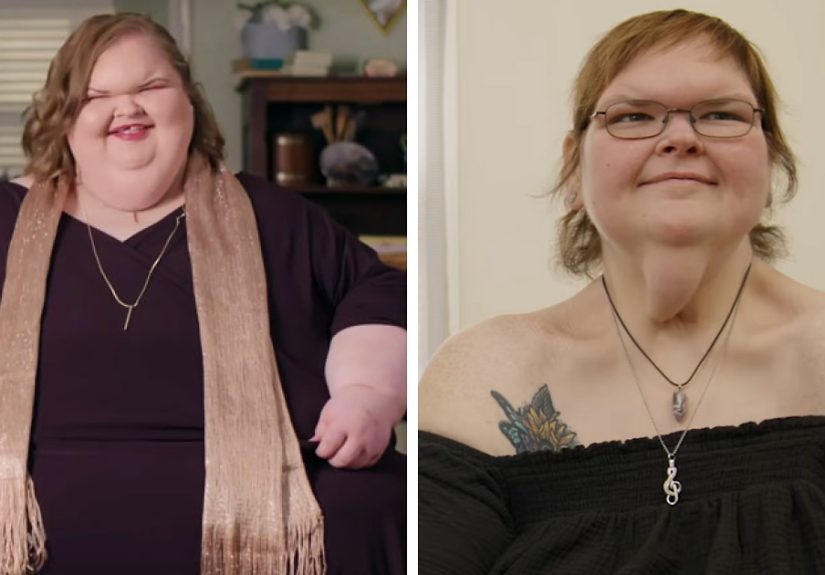
Some celebrity transformations are mostly about red carpets, filters, and a new haircut doing the heavy lifting. Tammy Slaton’s transformation is not that story. The 1000-lb Sisters star’s weight-loss journey has played out in full public view, and what makes it compelling is not just the number on the scale. It is the bigger shift underneath it: mobility, confidence, medical progress, emotional honesty, and the kind of hard-earned independence that makes fans say the same thing over and over again she got her life back.
That phrase sounds dramatic, but in Tammy’s case, it fits. Over the last several years, viewers have watched her move from a place of severe health risk and stalled progress into something far more powerful: momentum. The transformation has included rehab, bariatric surgery, major lifestyle changes, public setbacks, intense scrutiny, loose-skin challenges, and eventually skin-removal surgery that marked yet another turning point. In other words, this was never a tidy “before and after.” It was more like “before, after, after that, one setback, three breakthroughs, and then a miracle with paperwork.”
And that is exactly why the story resonates. Tammy’s journey feels bigger than reality TV gossip. It taps into a very American fascination with reinvention, but it also pushes back against the lazy version of that narrative. This was not an overnight fix. It was long, messy, emotional, and deeply human.
Why Tammy Slaton’s Transformation Hit So Hard
There is a reason people keep sharing clips of Tammy’s progress with the energy of proud relatives at a graduation. Her transformation has been visible in ways that are impossible to miss: she has moved more freely, relied less on assistance, and reached milestones that once felt out of reach. That matters because the show never framed weight loss as a vanity project. For Tammy, it was a quality-of-life issue from the beginning.
That distinction changes the entire conversation. When fans saw her getting into rides, walking with more ease, fitting more comfortably into everyday spaces, and reacting emotionally to the results of surgery, the story stopped being about a number and started being about access. Access to movement. Access to comfort. Access to normal moments other people barely think about. A front seat in a car is boring for most people. For someone rebuilding her life after years of physical limitations, it is practically a parade.
The headline-making transformation also landed because Tammy did not suddenly become a polished spokesperson with perfect talking points. She has remained blunt, funny, self-aware, and occasionally chaotic in the most reality-TV way possible. That rawness gives the story credibility. She is not selling a fantasy. She is showing what change actually looks like when it happens in public and in real time.
The Journey Was Not Fast, Easy, or Camera-Friendly
It started with serious health danger
When 1000-lb Sisters first introduced viewers to Tammy and Amy Slaton, the series leaned into the shock factor of their combined weight, but the deeper issue was always health. Tammy’s condition had become severe enough that the journey toward change could not be treated like a casual New Year’s resolution. She needed major intervention, not motivational quote posters and a blender bottle.
That is part of what makes her progress so striking now. Her current image cannot be understood without remembering just how high the stakes were at the beginning. This was not a minor lifestyle tune-up. It was a life-preserving overhaul. Viewers watched her struggle with consistency, qualify for treatment, stumble, regroup, and eventually push toward a level of progress many people once doubted she would ever reach.
Rehab and bariatric surgery were turning points, not shortcuts
A lot of public conversations about dramatic weight loss get flattened into one neat sentence: “Then she got surgery.” But bariatric surgery is not magic, and Tammy’s journey proves it. Surgery was a tool, not a cheat code. Before getting there, she had to lose enough weight to qualify. After getting there, she still had to keep going.
That is the underappreciated middle chapter in stories like this one. The public loves the reveal. The real work lives in the routine. Appointments. Nutrition. Rehab. Recovery. New habits. Relearning how to move through the world in a changing body. Living with the emotional fallout of years spent feeling trapped. None of that is especially glamorous, but it is where the transformation actually happens.
By the time Tammy’s major weight-loss milestones started making headlines, the real story was already well underway: she had built enough consistency to turn hope into evidence. And once evidence shows up, people start believing. That applies to fans, family, and probably the person in the mirror too.
The hardest part was not over after the weight came off
Here is the part many glossy transformation stories skip: losing a massive amount of weight does not automatically make everything feel easy. In many cases, it introduces a new set of challenges. Tammy spoke openly about the insecurities that came with loose skin, and that honesty mattered. It reminded viewers that a changing body can still feel emotionally complicated.
That is where the story became more nuanced than a typical celebrity “look at her now” update. Major weight loss can improve health and mobility while also creating discomfort, self-consciousness, practical limitations, and new medical decisions. That is not contradiction. That is reality.
The Loose-Skin Chapter Was About More Than Looks
One of the biggest misconceptions around skin-removal surgery is that it is purely cosmetic. In reality, excess skin after major weight loss can affect comfort, hygiene, movement, clothing fit, and exercise. It can also carry a major emotional burden. So when Tammy pursued skin removal, the moment mattered for more than visual reasons. It was another step toward function, freedom, and feeling at home in her own body.
That part of her journey also came with delays and frustration. She had to clear medical hurdles, improve her readiness, and deal with the fact that body-contouring procedures after major weight loss are often staged, careful, and anything but simple. Doctors commonly evaluate weight stability, nutrition, overall health, and nicotine use before moving forward. That helps explain why this chapter took time and why it was treated as a major milestone instead of a casual add-on.
When the surgery finally happened, the response was intense because viewers understood the backstory. They were not just watching someone look different. They were watching someone reach a goal that had once seemed painfully distant. The emotional reaction made sense. After all that effort, fear, waiting, and preparation, the reveal represented relief as much as excitement.
And yes, there is something especially moving about watching a person see their own progress with fresh eyes. A mirror can be rude, honest, flattering, cruel, or weirdly fluorescent depending on the day. In Tammy’s case, it finally had some good news to deliver.
Why Fans Keep Saying “She Got Her Life Back”
The phrase stuck because it captures what numbers cannot. Weight-loss coverage often becomes obsessed with totals: how many pounds, how many sizes, how many months. But fans were reacting to something larger than arithmetic. They were responding to visible independence.
That independence showed up in small but powerful ways: walking more confidently, participating in activities that once felt off-limits, traveling more comfortably, and moving through ordinary life with less strain. Those milestones read as emotional because they are emotional. People do not usually cry over a better seatbelt fit unless that seatbelt once symbolized everything they could not do.
There is also something deeply relatable about Tammy’s progress even for people who have never watched a single episode of the show. Most people understand what it feels like to be stuck in a version of yourself that no longer feels sustainable. Most people understand shame, false starts, fear of change, and the strange vulnerability of trying again in front of others. Tammy’s journey made those feelings visible, and that visibility is part of why the audience stayed invested.
Instead of becoming less human as she changed, she became more relatable. That is rare. Usually celebrity transformation stories get less interesting the moment they become too polished. Tammy’s did the opposite.
This Was Also a Mental and Emotional Transformation
It would be a mistake to treat Tammy’s story as only physical. She has spoken about the emotional battles tied to the process, and that context matters. Major change is rarely just about willpower. It is often about coping mechanisms, identity, fear, grief, and the exhausting work of not sliding backward into old patterns.
That is why the “before and after” framing only goes so far. You are not just looking at a smaller body. You are looking at a person who had to survive a long internal fight. There is discipline in that, but there is also vulnerability. Viewers have seen her wrestle with self-doubt, body image, addiction-related challenges, and the pressure of changing while millions of strangers comment from the sidelines like they are assistant coaches who were never asked to join the team.
And yet, one of the strongest themes in Tammy’s arc is that progress does not require perfection. She did not become inspiring because she turned into a flawless health guru. She became inspiring because she kept moving. That message lands harder than any polished transformation montage ever could.
What Her Story Says About Weight-Loss Coverage in 2026
Tammy Slaton’s transformation also says something about how audiences now talk about weight loss. The old media formula loved humiliation, shock value, and thinly disguised judgment. The newer, better version of the conversation is more interested in context. What medical support did a person receive? What setbacks did they face? What did change actually improve? How does their own voice frame the story?
That shift matters. It makes room for a more honest discussion about bariatric surgery, body contouring, recovery, and the reality that weight loss does not erase emotional complexity. It also challenges the idea that success must look effortless to be valid. Tammy’s story is the opposite of effortless, and that is exactly what gives it power.
It also helps explain why her transformation keeps generating headlines. The public is not just reacting to appearance. People are responding to perseverance, medical progress, and visible quality-of-life change. That is a more interesting story than “celebrity looks different now,” and frankly, it is a lot less boring.
Related Experiences: What Major Weight Loss Can Feel Like in Real Life
One reason Tammy’s transformation resonates so widely is that it mirrors the kinds of experiences many people report after major weight loss, whether that change comes through bariatric surgery, medically supervised treatment, or years of steady lifestyle shifts. The public usually sees the reveal photo. The person living it sees the daily recalibration.
For many people, the first surprise is not the mirror. It is movement. Walking becomes less exhausting. Standing longer feels possible. A short outing no longer requires the kind of planning once reserved for military operations and holiday travel. Stairs stop feeling like a villain origin story. A restaurant booth becomes an ordinary seat instead of a stress test. These are not glamorous victories, but they are the kind that change a person’s day-to-day life in real, immediate ways.
Then there is the strange emotional whiplash of becoming more visible while also feeling unfamiliar to yourself. People treat you differently. Some are encouraging. Some are nosy. Some act like they discovered your existence five minutes ago because your body now fits their standards better. That can feel validating and irritating at the exact same time. Many people describe a lag between physical change and emotional adjustment, as if the body has arrived before the mind has had time to unpack its suitcase.
Loose skin can become part of that experience too, especially after dramatic weight loss. It can affect comfort, clothing, exercise, body image, and confidence. That is why stories like Tammy’s matter. They show that reaching a goal weight is not always the finish line people imagine. Sometimes it opens a second phase filled with new decisions, new insecurities, and new kinds of hope.
There is also the social side of transformation. Relationships can shift when one person changes rapidly. Family members may feel proud, confused, inspired, defensive, or some chaotic combination of all four. Friends may not know whether to celebrate, ask questions, or pretend nothing is happening. Even supportive relationships sometimes need time to catch up with a person’s new reality.
And yet, despite all the complexity, many people keep coming back to the same phrase Tammy’s fans use: getting your life back. That expression tends to surface when the wins become practical. When someone can shop without dread. Travel without panic. Sleep better. Move easier. Show up for work. Say yes to plans. Laugh without immediately thinking about pain, breathlessness, or embarrassment. In those moments, transformation stops being an abstract health story and becomes a lived experience.
That is why these journeys mean so much to people watching from the outside. They are not just stories about losing weight. They are stories about gaining range, possibility, dignity, and ordinary freedoms that used to feel impossible. And once those freedoms start stacking up, the transformation feels less like a headline and more like a second chance.
Final Take
Tammy Slaton’s transformation is stunning, yes. But the most interesting part is not that she looks different. It is that her life appears different. The milestones that matter most are the ones tied to mobility, health, confidence, and independence. That is why this story keeps traveling far beyond the usual reality-TV audience.
Fans can call it a glow-up if they want. That is internet law. But the better description is comeback. Tammy’s story is what happens when a public figure turns a long, difficult, highly visible struggle into real forward motion. Not perfect motion. Not easy motion. Just real motion. And sometimes that is the most impressive transformation of all.