Table of Contents >> Show >> Hide
- First, a quick refresher: what shingles actually is
- So… can you get shingles more than once?
- How common is shingles recurrence?
- Who is more likely to get shingles again?
- What does a second shingles episode look like?
- Could it be something else (and not shingles again)?
- What to do if you think shingles is back
- How to lower your risk of getting shingles again
- FAQ: Common questions people ask about shingles coming back
- Bottom line
- Real-World Experiences: What “Shingles More Than Once” Can Feel Like
- Experience #1: “I recognized it before I could even see it”
- Experience #2: “It came back during a stressful season”
- Experience #3: “The rash was smaller, but the nerve pain was louder”
- Experience #4: “I thought I was protected because I already had shingles”
- Experience #5: “I got better at protecting other people”
Shingles has a very rude sense of timing. It tends to show up when you’re busy, stressed, or finally sleeping through the night like a responsible adult.
And because shingles is basically “chickenpox: the unexpected sequel,” it’s totally fair to wonder: can you get shingles more than once?
The short, medically accurate, not-at-all-fun answer: Yes, shingles can come back.
The slightly more helpful answer: it’s usually a one-time event for most people, but recurrence happensespecially when the immune system is
distracted, depleted, or dealing with other health issues.
In this guide, we’ll break down why shingles can return, how common it is, who’s most at risk, what a second episode can look like, what to do if you
suspect it’s happening again, and how to reduce your odds of starring in “Shingles 2: Electric Boogaloo.”
First, a quick refresher: what shingles actually is
Shingles (also called herpes zoster) is caused by the varicella-zoster virus (VZV)the same virus that causes chickenpox.
After you recover from chickenpox, the virus doesn’t leave your body. Instead, it goes into “sleep mode” in nerve tissue.
Years (or decades) later, it can reactivate and cause shingles.
Shingles often starts with a weird, localized sensationburning, tingling, itching, or painfollowed by a rash and fluid-filled blisters that typically
appear on one side of the body. It’s famous for being painful and infamous for overstaying its welcome.
So… can you get shingles more than once?
Yes. You can get shingles more than once, even if you’re generally healthy. It’s not the most common thing in the world, but it’s not a
medical unicorn either.
Why recurrence is possible
Your immune system doesn’t “delete” VZV after your first shingles episode. The virus can remain dormant andunder the right conditionsreactivate again.
Think of it like a computer program you thought you uninstalled, but it’s still lurking in a folder labeled “Do Not Open.” The program is VZV. The folder
is your nervous system. The pop-up ads are shingles symptoms. (Sorry.)
After one episode, the body often boosts immunity against VZV, which is why many people never get shingles again. But immunity can weaken with age, certain
illnesses, medications, or immune-suppressing treatments. That’s the opening VZV is waiting for.
How common is shingles recurrence?
Estimates vary depending on the population studied (age, immune status, follow-up time, and access to medical care all matter). Many clinical resources
describe recurrence as uncommonbut very real. Some reports place recurrence in a range that can be roughly around low single digits up to near 10% in
certain groups over time.
What matters for everyday readers: if you’ve had shingles once, you’re not guaranteed to get it againbut you’re also not “immune forever.”
Recurrence is possible, and it’s more likely when immune defenses are lowered.
Who is more likely to get shingles again?
Shingles doesn’t play favorites, but it does have patterns. A second episode is more likely if your immune system has a harder time keeping VZV in check.
Higher-risk groups include
- Older adults, especially over age 50 (risk increases with age)
- People with weakened immune systems (for example, due to certain cancers, HIV, or immune disorders)
- People taking immunosuppressive medications (such as long-term steroids or medications after an organ transplant)
- People undergoing chemotherapy or radiation
- Those who had a severe first episode (more intense pain, larger rash area, or certain complications)
- People who develop postherpetic neuralgia (PHN), the long-lasting nerve pain that can continue after the rash clears
In other words: recurrence risk often rises when the immune system is either naturally aging, temporarily stressed, or medically suppressed.
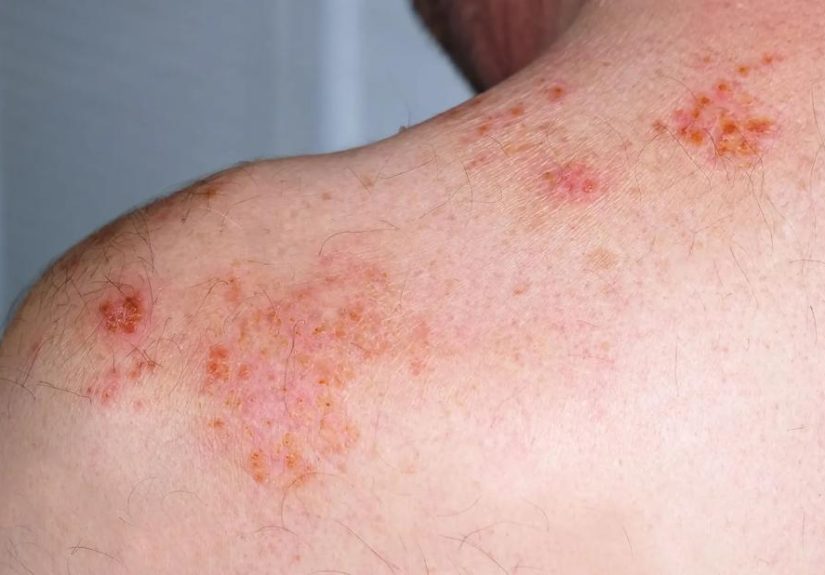
What does a second shingles episode look like?
Recurrence often looks similar to the first roundbecause it’s the same virus reactivating in nerve tissue. People commonly report a familiar “uh-oh” phase:
a patch of skin feels tender, itchy, electric, or painful before any rash appears.
Common symptoms of recurrent shingles
- Burning, tingling, stabbing, or aching pain on a specific area of skin
- Skin sensitivity (even clothing can feel irritating)
- A one-sided rash that develops into blisters
- Itching or “pins and needles” sensations
- Fatigue, headache, or feeling generally unwell
The rash may show up in a different location than the first time. Many people assume recurrence means the exact same spot, but shingles follows nerves, and
different nerve pathways can be involved in different episodes.
When recurrent shingles is an urgent situation
Some shingles episodes deserve fast attentionfirst, second, or tenth. Seek urgent care (or contact a clinician ASAP) if:
- The rash is near your eye, on your face, or involves vision changes
- You have a weakened immune system or are on immune-suppressing therapy
- The pain is severe or rapidly worsening
- You develop fever, confusion, or symptoms that feel “bigger than a rash”
Shingles affecting the eye area can threaten vision and should be treated as a “don’t wait and see” situation.
Could it be something else (and not shingles again)?
Yesand this is a big deal. Several conditions can imitate shingles, especially if you’re focusing on “pain + rash” and not the full pattern.
Common look-alikes
- Herpes simplex outbreaks (cold sores or genital herpes) can cause clusters of blisters and pain
- Allergic contact dermatitis (like poison ivy) can blister and itch intensely
- Impetigo or other bacterial skin infections
- Insect bites with inflammation
- Eczema flares that become irritated or infected
Shingles is often diagnosed clinically (based on symptoms and the rash pattern), but lab testing is sometimes usedespecially in atypical cases or in people
with weakened immune systems. If you’ve had shingles before and something feels similar, you still want a clinician to confirm what’s going on so you don’t
miss the best treatment window.
What to do if you think shingles is back
Here’s the most practical advice: don’t “wait it out” for a week to see if it behaves.
Antiviral treatment works best when started early.
Step 1: Contact a healthcare provider quickly
Antiviral medications (like acyclovir, valacyclovir, or famciclovir) are most effective when started soonoften within about the first 72 hours of early
symptoms or rash onset. Early treatment can shorten the illness and reduce the chance of complications.
Step 2: Protect other people (yes, even if they’ve never had shingles)
You can’t “give someone shingles” directly. But you can spread VZV to someone who has never had chickenpox (or the chickenpox vaccine).
That person could develop chickenpoxand later in life, shingles.
Step 3: Manage discomfort safely
Pain control matters, because shingles pain can be genuinely disruptive. Clinicians may recommend over-the-counter pain relievers, prescription options when
needed, and soothing measures like cool compresses, calamine lotion, or oatmeal baths. If pain persists after the rash clears, ask about evaluation for PHN.
How to lower your risk of getting shingles again
You can’t change the fact that VZV exists in the nervous system once you’ve had chickenpox. But you can reduce the likelihood of it reactivating again.
1) Get vaccinated (yes, even if you already had shingles)
In the U.S., the main prevention strategy is the recombinant zoster vaccine (Shingrix).
It’s recommended for:
- Adults age 50 and older (two doses, typically 2 to 6 months apart)
- Adults age 19 and older with weakened immune systems due to disease or therapy (also two doses; in some cases the second dose may be
given sooner)
Importantly: you can get Shingrix even if you’ve already had shingles. There isn’t a strict “you must wait exactly X months” rule; the
general guidance is to get vaccinated after the shingles rash has gone away and you’re not in the middle of an active outbreak.
Shingrix is not a treatment for an active episode, but it can help reduce the chance of future episodes. In clinical studies referenced by public health
guidance, Shingrix has shown strong protection against shingles and postherpetic neuralgia, especially when both doses are completed.
2) Know that the old shingles vaccine is no longer used in the U.S.
If you remember hearing about Zostavax, you’re not imagining things. It was the earlier shingles vaccine (a live vaccine), and it is no
longer available for use in the United States. Shingrix replaced it as the preferred option because it provides stronger protection and is used more broadly
across risk groups (including many immunocompromised adults, since it’s not a live vaccine).
3) Support your immune system the boring-but-effective way
No, there’s no magical “anti-shingles smoothie.” But immune health is influenced by basic, unglamorous habits:
- Consistent sleep
- Stress management (whatever works for youwalks, therapy, journaling, hobbies, yelling into a pillow, etc.)
- Managing chronic conditions (like diabetes) with medical support
- Staying up to date on recommended vaccines
- Talking to your clinician if you’re on immune-suppressing medication and worried about shingles risk
FAQ: Common questions people ask about shingles coming back
Can you get shingles twice in the same place?
It can happen, but many recurrences show up in a different area. Shingles follows nerve pathways, and different nerves can be involved in different
episodes. If a rash keeps returning in the same exact spot, a clinician may want to rule out other causes (like herpes simplex).
If I had shingles once, does that mean my immune system is “bad”?
Not necessarily. Shingles can happen in otherwise healthy people. But it can also be a signal to review immune health, medications, and risk factorsespecially
if shingles recurs.
Can children or teens get shingles more than once?
Shingles is less common in kids and teens, but it can occur, particularly in people with immune issues or certain medical histories. A clinician should
evaluate any shingles-like rash in a younger person to confirm the diagnosis and discuss whether an immune workup is appropriate.
Is recurrent shingles contagious?
An episodefirst or recurrentcan spread VZV from active blisters to someone who isn’t immune. Covering the rash, avoiding scratching, and practicing good
hand hygiene helps reduce spread. Once the rash scabs over, the risk of spreading the virus drops significantly.
Bottom line
Yes, you can get shingles more than oncebut for many people, it’s a one-time event. Recurrence is more likely as immune protection wanes
with age or is affected by health conditions or medications. If you suspect shingles is returning, early medical attention matters because antivirals work
best when started quickly. And if you’re eligible, completing the shingles vaccine series is one of the strongest steps you can take to reduce the odds of
another painful outbreak.
If you take only one thing from this article, let it be this: shingles is one of the few problems in life where “acting early” is not just a motivational
posterit’s genuinely useful medical strategy.
Real-World Experiences: What “Shingles More Than Once” Can Feel Like
Let’s talk about the part that doesn’t fit neatly into a checklist: the lived experience. The stories below are composite examples based on
common reports people share with clinicians and public health educatorsnot one specific person’s medical history. (Shingles is private, painful, and nobody
needs the internet reading their diary.)
Experience #1: “I recognized it before I could even see it”
A lot of people who’ve had shingles once describe a strange superpower the second time: early recognition. They’ll say things like, “My shirt felt like
sandpaper on one patch of skin,” or “It felt like a sunburn that forgot to show up.” Sometimes it’s a deep ache. Sometimes it’s a sharp, zapping pain that
doesn’t match anything happening on the surface of the skin. The first episode teaches you the pattern, and the body remembers the warning signs.
For some, that recognition is frustrating (“Not again!”), but it can be helpful: they call a clinician sooner, start antivirals earlier, and may have a
shorter, less intense course than the first time. Many people say the second episode felt more manageable mainly because they acted faster and didn’t spend
three days trying to convince themselves it was “just a weird itch.”
Experience #2: “It came back during a stressful season”
People often associate recurrence with a season when life is already heavyafter surgery, during chemotherapy, after a major illness, or in a period of
intense stress and poor sleep. Now, stress isn’t a single on/off switch that “causes” shingles, but many people notice a pattern: when their body is run
down, shingles shows up like an unwanted party guest who brought snacks but still needs to leave.
A common theme is guiltpeople blame themselves for being stressed, as if anyone is out here calmly floating through deadlines and family drama. The more
helpful reframe is that stress can stack on top of other factors (age, immune suppression, chronic illness). It’s not about blame; it’s about recognizing
vulnerability and adding protection where you can.
Experience #3: “The rash was smaller, but the nerve pain was louder”
Some people report that recurrence didn’t look dramaticmaybe fewer blisters or a smaller patch of rashbut the nerve pain felt intense. That mismatch is
emotionally confusing: you look at the skin and think, “This doesn’t seem like enough to hurt this much.” Shingles pain is nerve-driven, which is why the
discomfort can feel disproportionate to the visible rash.
People also talk about the fear of long-term pain, especially if they had postherpetic neuralgia after a previous episode. That anxiety is understandable.
It’s one reason early treatment and follow-up matter. For many, a clear planantivirals, pain management, and monitoringhelps them feel less powerless.
Experience #4: “I thought I was protected because I already had shingles”
This is a surprisingly common misunderstanding: “I already suffered through shingles, so I’m done, right?” When recurrence happens, people feel betrayed by
their own biology. They’ll say things like, “What was the point of the first time then?” (Valid question. Unfortunately, the virus did not consult anyone
before writing its business plan.)
For many, recurrence becomes the moment they finally prioritize vaccination if they’re eligible. They often say they wish they’d known earlier that Shingrix
is still recommended even after a prior episode, and that finishing the series matters.
Experience #5: “I got better at protecting other people”
People frequently worry about family membersespecially babies, pregnant relatives, or anyone immunocompromised. A second episode sometimes comes with more
confidence: they know to cover the rash, avoid sharing towels, wash hands, and minimize close contact until the blisters crust over. It’s not glamorous, but
it’s caring. And it turns an awful personal experience into something that still protects the people around them.
The big takeaway from these experiences: recurrence is physically uncomfortable, but it’s also emotionally disruptive. Having a planfast treatment, clear
prevention steps, and vaccination when eligiblecan turn “panic mode” into “I’ve got this handled.” Shingles may be persistent, but you can be prepared.