Table of Contents >> Show >> Hide
- Smart Layout Ideas for Small Kitchens
- 1. Choose a galley layout on purpose
- 2. Add a peninsula instead of a full island
- 3. Use a rolling island or cart
- 4. Turn one counter into a breakfast bar
- 5. Try a fold-down table
- 6. Use round tables in tight corners
- 7. Keep the work triangle efficient
- 8. Open one wall if the layout allows
- 9. Tuck stools all the way in
- 10. Let one feature do triple duty
- Storage Ideas That Actually Free Up Space
- 11. Go vertical with cabinets
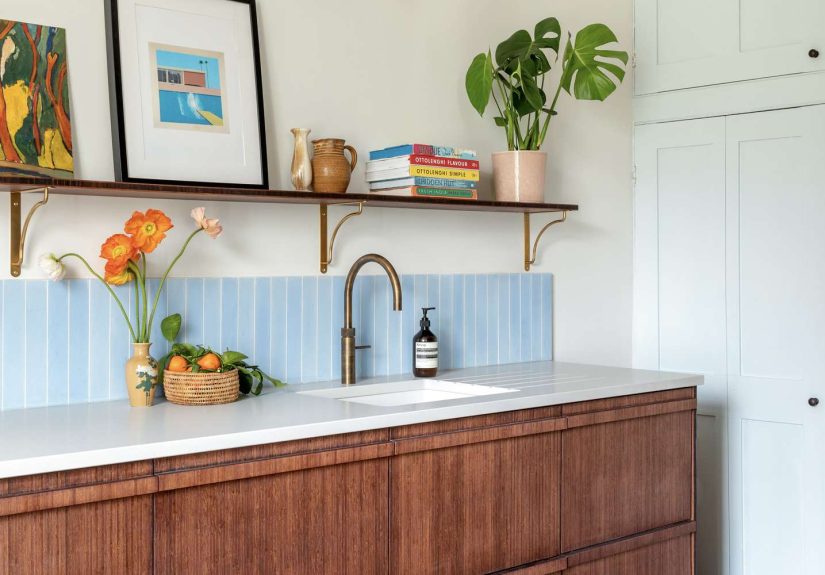
- 12. Add floating shelves where uppers feel heavy
- 13. Install wall hooks for tools and pans
- 14. Use a pegboard wall
- 15. Mount a magnetic knife strip
- 16. Add a towel bar with hooks
- 17. Use pull-out pantry shelves
- 18. Replace deep shelves with drawers
- 19. Create a dedicated spice drawer
- 20. Organize the inside of cabinet doors
- 21. Use clear glass canisters
- 22. Stack labeled bins on high shelves
- 23. Add an under-sink organizer
- 24. Build in a slim pantry cabinet
- 25. Hide appliances in an appliance garage
- 26. Store seasonal items somewhere else
- Lighting and Color Tricks That Make a Small Kitchen Feel Bigger
- 27. Layer your lighting
- 28. Add under-cabinet lighting
- 29. Keep light fixtures visually clean
- 30. Or make one pendant the star
- 31. Maximize natural light
- 32. Use reflective surfaces wisely
- 33. Try an all-white or soft-neutral palette
- 34. Consider one moody color done well
- 35. Use one bold backsplash or wallpaper moment
- 36. Draw the eye upward
- Design Moves That Add Style Without Adding Clutter
- 37. Hide the refrigerator in cabinetry
- 38. Choose semi-custom cabinetry for odd corners
- 39. Pick hardware with intention
- 40. Use glass-front cabinets selectively
- 41. Add one vintage or furniture-style piece
- 42. Remove a few upper cabinets for airiness
- 43. Make decor earn its keep
- 44. Add millwork or texture instead of more objects
- 45. Keep countertops mostly clear
- Why These Small Kitchen Ideas Work So Well
- Real-Life Experience: What a Tight Kitchen Teaches You
- Conclusion
If your kitchen is so small that opening the dishwasher feels like launching a drawbridge, welcome. You are among friends. A tight kitchen does not have to be a tragic kitchen. In fact, a compact layout can become one of the smartest, hardest-working rooms in the house when every inch earns its keep. The secret is not stuffing the room with more stuff. It is choosing better storage, sharper layout decisions, brighter finishes, and a few design tricks that make the whole space feel less like a squeeze and more like a strategy.
These small kitchen ideas are built for real life: apartments, narrow galley kitchens, older homes with quirky corners, and family kitchens where the coffee maker, toaster, and air fryer are all competing for custody of the countertop. Below, you will find 45 ideas that help maximize storage, improve flow, and add style without making your kitchen feel crowded. Let’s make that tiny kitchen work like it pays rent.
Smart Layout Ideas for Small Kitchens
1. Choose a galley layout on purpose
A galley kitchen is not a compromise. It is a classic layout for a reason. Two facing runs of cabinets can create an efficient cooking zone with everything close at hand, which means fewer steps and less chaos when dinner gets dramatic.
2. Add a peninsula instead of a full island
If a full island would choke the walkway, a peninsula often solves the problem. It gives you extra prep space, more lower-cabinet storage, and a spot for casual seating without plopping a giant block in the middle of the room.
3. Use a rolling island or cart
A movable cart is the kitchen equivalent of a Swiss Army knife. Use it for prep, coffee service, or overflow storage, then roll it aside when you need breathing room. That flexibility is gold in a tiny kitchen.
4. Turn one counter into a breakfast bar
If you do not have room for a dining nook, let one stretch of counter pull double duty. Add a slight overhang and a pair of stools that tuck neatly underneath. Congratulations, your kitchen just learned a second job.
5. Try a fold-down table
A wall-mounted drop-leaf table is perfect for apartment kitchens and narrow layouts. It can be breakfast station, homework desk, and pizza landing pad all in one, then fold flat when the floor space is needed.
6. Use round tables in tight corners
Round tables soften a boxy room and make traffic flow easier because there are no sharp corners to dodge. In a small kitchen, fewer bruised hips is a legitimate design win.
7. Keep the work triangle efficient
Your sink, stove, and refrigerator should feel connected, not like distant relatives at a family reunion. A compact kitchen works best when prep, cooking, and cleanup stay close and intuitive.
8. Open one wall if the layout allows
Removing a non-structural wall, half wall, or bulky divider can make a narrow kitchen feel dramatically larger. Even a modest visual opening can improve sightlines and bring in light from nearby rooms.
9. Tuck stools all the way in
Choose backless stools or slim-profile seating that slides completely under the counter. It sounds simple, but reclaiming a few inches of walking space can make a small kitchen feel far less cramped.
10. Let one feature do triple duty
In a small kitchen, every major piece should multitask. A peninsula can be prep zone, storage hub, and dining spot. A cart can be island, bar, and appliance garage. If it only does one thing, it should probably be smaller.
Storage Ideas That Actually Free Up Space
11. Go vertical with cabinets
Stop decorating the dead zone above your cabinets with dust and regret. Run cabinetry higher, or use that upper space for rarely used platters, seasonal serveware, and backup pantry goods.
12. Add floating shelves where uppers feel heavy
Open shelving can make a tight kitchen feel lighter than a wall of bulky upper cabinets. The trick is restraint: keep only everyday dishes, glasses, or pretty essentials on display, not every mug you have loved since college.
13. Install wall hooks for tools and pans
Walls are not just walls. They are storage opportunities in disguise. Hooks can hold pots, cutting boards, utensils, or even shopping bags and aprons, freeing drawers and cabinets for bulkier items.
14. Use a pegboard wall
Pegboards are practical, flexible, and a little playful. They keep frequently used tools visible and easy to grab, which is especially useful when drawer space is limited and your spatula keeps vanishing into the abyss.
15. Mount a magnetic knife strip
A magnetic strip clears space in drawers and on countertops while keeping chef’s knives easy to access. It is sleek, efficient, and makes your kitchen look like it knows what chiffonade means.
16. Add a towel bar with hooks
A simple metal bar on a blank wall can hold ladles, small tools, or even spice containers. Tiny addition, big payoff.
17. Use pull-out pantry shelves
Pull-out shelves make deep cabinets far more useful because you can reach what is hiding in the back without performing a shoulder-first excavation. In a small kitchen, accessibility matters as much as capacity.
18. Replace deep shelves with drawers
Drawers often work better than fixed shelves because they bring the contents to you. Shallow drawers are especially useful for snacks, wraps, linens, and pantry odds and ends that otherwise become cabinet clutter.
19. Create a dedicated spice drawer
Spices stored in a drawer are easier to see and often take up less visual space than a crowded countertop rack. Bonus: your paprika can stop playing hide-and-seek behind the cumin.
20. Organize the inside of cabinet doors
Door organizers are perfect for spices, foil, wraps, cleaning supplies, or small pantry items. They turn overlooked surfaces into hardworking storage without demanding extra square footage.
21. Use clear glass canisters
Glass containers bring order to pantry staples and help you see what you already have. That means fewer duplicate bags of pasta and a cleaner, calmer look.
22. Stack labeled bins on high shelves
Top shelves can be useful instead of mysterious when you corral items into lightweight bins. Label them clearly so you are not pulling down three baskets just to find parchment paper.
23. Add an under-sink organizer
The cabinet under the sink is usually a plumbing obstacle course. Compact pull-out organizers can carve that awkward area into usable space for cleaning supplies, sponges, and backup dish soap.
24. Build in a slim pantry cabinet
Even a narrow vertical cabinet can hold canned goods, oils, and dry goods if it is planned well. Skinny storage is still storage, and small kitchens do not have the luxury of being picky.
25. Hide appliances in an appliance garage
If your toaster, blender, and coffee grinder are staging a countertop takeover, an appliance garage can restore peace. Pocket doors or lift-up fronts keep gadgets accessible but visually out of the way.
26. Store seasonal items somewhere else
Not everything has to live in the kitchen year-round. Holiday platters, specialty baking tools, and giant roasting pans can move to another closet so your everyday kitchen can breathe.
Lighting and Color Tricks That Make a Small Kitchen Feel Bigger
27. Layer your lighting
One sad ceiling light is not a lighting plan. Combine general lighting, task lighting, and a softer ambient glow so the room feels brighter, more functional, and less like a microwave waiting room.
28. Add under-cabinet lighting
Under-cabinet lights brighten your prep zone, reduce shadows, and make countertops look more polished. They are one of the simplest upgrades that instantly make a compact kitchen feel more custom.
29. Keep light fixtures visually clean
Small kitchens benefit from fixtures that add brightness without looking bulky. Choose lights with simple silhouettes so they support the room instead of stealing the whole show.
30. Or make one pendant the star
Yes, a tiny kitchen can handle a statement light. One well-placed pendant or chandelier can create a focal point and add personality, especially when the rest of the room stays restrained.
31. Maximize natural light
If your layout allows, prioritize windows and unobstructed daylight. Even a small band of glass can make a compact kitchen feel more open, more welcoming, and less like it was designed inside a shoebox.
32. Use reflective surfaces wisely
Glossy tile, polished hardware, glass shelves, and stainless finishes bounce light around the room. That added reflection can make a small kitchen feel larger without changing the footprint.
33. Try an all-white or soft-neutral palette
White kitchens remain popular in tight spaces because they reflect light and keep visual noise low. Warm whites, soft grays, and creamy neutrals add brightness without feeling sterile.
34. Consider one moody color done well
A small kitchen does not have to be pale to feel stylish. A deep green, navy, or charcoal can look rich and intentional when paired with good lighting, texture, and a little contrast.
35. Use one bold backsplash or wallpaper moment
Compact kitchens are a great place to splurge on personality. A striking backsplash, patterned tile, or smartly placed wallpaper can add charm without overwhelming the room because there is less of it to cover.
36. Draw the eye upward
Tall cabinetry, stacked shelves, vertical tile, and higher curtain placement all encourage the eye to travel up. That visual lift can make ceilings feel higher and the room feel less boxed in.
Design Moves That Add Style Without Adding Clutter
37. Hide the refrigerator in cabinetry
Panel-ready appliances create a cleaner sightline and help a small kitchen look less chopped up. When large appliances blend in, the room feels calmer and more cohesive.
38. Choose semi-custom cabinetry for odd corners
Small kitchens often have weird angles, narrow gaps, and ancient-house surprises. Semi-custom cabinets can help you capture those awkward spaces with smarter storage instead of letting them go to waste.
39. Pick hardware with intention
Changing cabinet hardware is a small move with outsized impact. It can refresh the room, add warmth, and bring in style without eating up precious space.
40. Use glass-front cabinets selectively
Glass fronts can reduce the visual heaviness of upper cabinets and add display space for pretty essentials. Use them in moderation unless you enjoy arranging dishes like a retail stylist every weekend.
41. Add one vintage or furniture-style piece
A vintage worktable, slim hutch, or furniture-style island can bring warmth and character to a small kitchen while still providing practical storage or prep space.
42. Remove a few upper cabinets for airiness
Sometimes the best way to make a kitchen feel bigger is to stop stuffing the walls. Replacing some upper cabinets with shelves or open wall space can instantly lighten the room.
43. Make decor earn its keep
Pretty can still be practical. Think a handsome fruit bowl, a sculptural utensil crock, or attractive glass jars. In a small kitchen, decorative pieces should either store something or justify themselves immediately.
44. Add millwork or texture instead of more objects
If the room feels plain, do not rush to fill it with accessories. Millwork, tile texture, cabinet detailing, or a reflective backsplash can add depth without taking over countertops.
45. Keep countertops mostly clear
This is the least glamorous idea and maybe the most effective. A small kitchen always feels bigger when the counters are not buried. Store what you do not use daily, edit ruthlessly, and let the room breathe.
Why These Small Kitchen Ideas Work So Well
The best small kitchen design ideas all follow the same basic rule: reduce friction. That means easier access, fewer visual barriers, smarter storage, and layouts that support real cooking instead of just looking nice in photos. A tiny kitchen does not need grand gestures. It needs better decisions. When you combine vertical storage, layered lighting, hidden appliances, compact seating, and multipurpose pieces, the whole room starts to feel more capable. Suddenly, your “small kitchen problem” starts looking a lot more like a solved puzzle.
Real-Life Experience: What a Tight Kitchen Teaches You
Living with a small kitchen changes the way you think about space. In a larger kitchen, it is easy to let things sprawl. You buy the extra appliance, keep the serving platter you never use, and dedicate half a cabinet to water bottles that somehow breed overnight. In a compact kitchen, every object has to justify its existence. That sounds harsh, but it is actually freeing. You become more intentional. You notice which tools you reach for daily, which ingredients belong within arm’s reach, and which things are just taking up rent-controlled space for no good reason.
A small kitchen also teaches you the value of flow. When space is tight, tiny annoyances become giant ones. A trash can in the wrong place blocks a drawer. A stool that sticks out too far turns dinner prep into an obstacle course. A crowded counter makes making coffee feel like a tactical mission. But once you fix those friction points, the room becomes surprisingly pleasant to use. That is why the best compact kitchens often feel smarter than oversized ones. They are edited. They are efficient. They do not waste your time.
There is also something charming about a kitchen that has to be clever. A rolling cart that becomes a baking station, a pegboard that turns utensils into wall art, a slim shelf that stores spices like little soldiers standing at attention, all of it adds personality. Small kitchens reward creativity. They make you think vertically, use corners better, and appreciate details like drawer dividers, under-cabinet lights, and hooks on the backs of doors. These are not flashy upgrades, but they change daily life in a real way.
And then there is the emotional side. A cramped kitchen can feel frustrating when it is cluttered, dark, or poorly arranged. But once it is organized, it can feel cozy in the best way. Everything is close. Cleanup is faster. The room can feel warm, efficient, and personal. You stop wishing for a giant showpiece kitchen and start appreciating the one that actually works. That shift matters. Good design is not about square footage alone. It is about how a room supports your routine.
So if your kitchen is small, do not assume it is doomed. It may simply be asking for better strategy. Clear the counters. Add the right light. Use the walls. Rethink the storage. Choose pieces that multitask. Edit more than you add. A tight kitchen can absolutely cook, host, hustle, and look beautiful while doing it. It just needs a little less clutter, a little more intention, and maybe one less novelty mug.
Conclusion
Small kitchens are not short on potential, only on wasted space. With the right mix of layout tweaks, vertical storage, brighter finishes, and hardworking furniture, even the tiniest kitchen can feel functional, stylish, and surprisingly roomy. Start with the changes that solve your biggest daily annoyance, then build from there. When every inch works harder, the whole kitchen feels bigger, better, and far more enjoyable to use.