Table of Contents >> Show >> Hide
- Why This Question Hits People Right in the Feelings
- What Counts as the “Best Thing” You Have Ever Made?
- Why Making Things Feels So Good
- The Most Memorable Answers Usually Have a Story
- Examples of “The Best Thing I Ever Made”
- How to Answer This Question So People Actually Remember It
- What Your Best Creation Says About You
- Experience-Inspired Reflections on the Best Thing People Have Ever Made
- Conclusion
- SEO Tags
Note: This article is written for web publishing and synthesizes real-world U.S. research and reporting without inline source links.
Some questions are small talk. This one is not. “Hey Pandas, what’s the best thing you have ever made?” sounds playful, almost like something you’d answer while half-paying attention and holding a mug with suspiciously cold coffee. But the moment you really think about it, the question sneaks past your defenses. Suddenly you are not just talking about a thing. You are talking about patience, failure, pride, identity, and that weird moment when glue, doubt, and determination somehow become a finished project.
And that is exactly why this kind of question works so well online. People love sharing what they made because making something is one of the fastest ways to turn an idea into proof. A loaf of bread says, “I learned.” A handmade table says, “I persisted.” A crochet blanket says, “I had a plan, a pile of yarn, and the stubbornness of a raccoon with a mission.” Even a spreadsheet, app, photo series, garden bed, or birthday cake can carry the same emotional weight.
In a world full of scrolling, buying, saving, pinning, bookmarking, and saying “I should totally try that,” actually making something still feels special. It is physical. It is personal. It is a tiny rebellion against passivity. No wonder people remember the best thing they ever made with more affection than half the things they ever purchased.
Why This Question Hits People Right in the Feelings
The brilliance of this prompt is that it does not ask for the most expensive thing, the most useful thing, or the most impressive thing. It asks for the best thing. That word is sneaky. “Best” can mean beautiful, meaningful, practical, funny, healing, profitable, delicious, or life-changing. For one person, it is a walnut coffee table built over six weekends. For another, it is the first website they coded themselves. For someone else, it is a peach pie that made their grandfather cry a little and then pretend he had “something in his eye.”
That range matters because creativity is not limited to what hangs in a gallery or sits under flattering lighting on social media. Making includes sewing, baking, painting, coding, planting, decorating, writing, woodworking, pottery, jewelry design, candle making, music production, and fixing up old furniture that was one loose leg away from retirement. It also includes things you cannot easily photograph, like routines, traditions, communities, and moments of care.
That is part of the reason creative hobbies remain so powerful. Research and reporting from major U.S. health, psychology, and arts institutions consistently point to the same pattern: people who engage in creative activities often describe less stress, more connection, greater satisfaction, and a stronger sense of self. In plain English, making stuff can make life feel more like your life.
What Counts as the “Best Thing” You Have Ever Made?
If you ask ten people this question, you will get ten wildly different answers, and that is the fun of it. The best thing you have ever made usually falls into one of a few categories.
1. Something useful
This is the classic practical masterpiece: a bookshelf, a bench, a garden trellis, a custom closet organizer, a meal-prep system, a budget template, or a tiny app that solves one annoyingly specific problem. These creations earn love because they keep showing up in everyday life. They do not just sit there looking pretty. They work.
2. Something emotional
Think memory quilts, handmade baby gifts, photo albums, letters, playlists, shadow boxes, scrapbooks, or a painted portrait of a beloved pet who ruled the house like a tiny furry emperor. Emotional projects often become the “best” because they hold more than skill. They hold feeling.
3. Something edible
Never underestimate food. A layered birthday cake, a perfect brisket, homemade dumplings, a family lasagna recipe finally nailed without the smoke alarm contributing harmony, or a tray of cookies that becomes the holiday standard forever. Food is one of the most democratic creative acts on earth. You make it, people gather, and suddenly your kitchen has become a social institution.
4. Something artistic
Paintings, ceramics, embroidery, photography, songs, short films, jewelry, and digital illustrations live here. These projects become the “best thing” when they mark a creative breakthrough. Maybe it was the first time your hands made exactly what your brain imagined. That feeling is rare, thrilling, and frankly a little addictive.
5. Something that changed you
Sometimes the best thing you ever made is not an object. It is a business, a habit, a blog, a community fundraiser, a tiny backyard studio, or a new version of yourself. The result matters, sure. But the larger story is that the process turned you into someone more capable than you were before.
Why Making Things Feels So Good
There is a reason people keep returning to creative hobbies even when life gets packed, noisy, and distractingly shiny. Making something activates a combination of focus, challenge, experimentation, and reward that many people do not get from passive entertainment. You are not just consuming an experience. You are shaping one.
That shift matters. Creative work gives the brain a job it actually enjoys: solve, adjust, imagine, repeat. It can also create a sense of “flow,” that delicious state where time goes weird, your phone becomes irrelevant, and the rest of the world politely vanishes for a while. Even when a project is messy or imperfect, it often leaves behind something people crave more of: momentum.
And then there is the underrated psychological magic of visible progress. Modern life is filled with invisible labor. You answer emails, organize files, juggle logistics, and at the end of the day you have somehow worked hard and touched nothing tangible except maybe a keyboard and an emotional support snack. By contrast, a finished scarf, painted wall, raised garden bed, or edited video says, “Look. I did that.”
That sense of accomplishment is a big deal. It is not just about producing a thing. It is about building evidence that you can begin with uncertainty and still arrive somewhere meaningful. That lesson travels well. It follows people from sewing tables to work meetings, from garage workshops to family life, from hobby corners to full-blown side hustles.
The Most Memorable Answers Usually Have a Story
Ask people what they made, and the object is only the headline. The real story lives underneath it.
A woman says the best thing she ever made was a wedding dress, and you learn she taught herself to sew after stores kept offering gowns that did not feel like her. A man says it was a dining table, and you find out he built it after his parents downsized, using reclaimed wood from the house where he grew up. Someone says their best creation was a tomato garden, and suddenly you are hearing about recovery, routine, sunlight, and the joy of eating something that was a seed not so long ago.
That is the secret: people do not remember the project only because it turned out well. They remember it because it marked a season. The best thing you ever made usually stands at the intersection of effort and meaning. It arrived when you needed confidence, closure, celebration, income, healing, or just proof that your hands still knew how to do something real.
Examples of “The Best Thing I Ever Made”
If you are collecting ideas for your own answer, here are the kinds of creations that resonate most with readers because they combine skill, emotion, and story.
Handmade home pieces
Bookshelves, benches, pottery mugs, custom art, refurbished dressers, knit throws, wall shelves, and backyard fire pits tend to land well because they blend form and function. People love creations that make a home feel more personal.
Gifts with soul
Handmade gifts still carry a kind of emotional voltage that store-bought items struggle to match. Personalized ornaments, baby blankets, recipe books, photo calendars, jewelry, framed illustrations, and baked gift boxes tell the recipient, “I gave you time, not just money.” That message still matters.
Digital creations
Let us hear it for the less glue-covered creatives. Websites, indie games, productivity tools, social media series, newsletters, digital planners, logos, and online stores absolutely count. A digital project can be the best thing you ever made if it solved a problem, helped people, opened doors, or turned a private skill into public impact.
Food and drink
Homemade pasta, sourdough, barbecue, hot sauce, jam, pies, signature cocktails, and family recipes brought back from near extinction all deserve a standing ovation. Food is memory with seasoning. It is hard to top that.
Community-centered projects
Fundraisers, school murals, library programs, neighborhood gardens, handmade care packages, and mutual-aid drives often become the “best thing” because they extend beyond the maker. These creations do not just say something about talent. They say something about values.
How to Answer This Question So People Actually Remember It
If you are writing your own response to “Hey Pandas, what’s the best thing you have ever made?” do not overthink the impressive angle. The most memorable answers are usually specific, honest, and a little vivid. Instead of writing, “I made a blanket,” write, “I made a lopsided yellow blanket for my niece while watching crime documentaries, and somehow that chaos became the softest thing in our family.”
Specificity wins. So does story. Mention what pushed you to make it, what went wrong, what surprised you, and why it still matters. Readers connect to projects that feel human, not polished into a showroom mannequin. In fact, a tiny flaw often makes a creative story more lovable. A table with one hidden patch. A cake with slightly crooked icing. A mug with a thumbprint baked into the glaze. That is not failure. That is biography.
What Your Best Creation Says About You
The best thing you have ever made is rarely random. It often reveals your priorities better than your résumé does. If your answer is a garden, maybe you love patience, growth, and useful beauty. If it is a game or app, maybe you enjoy systems, problem-solving, and building things that work. If it is a photo album or quilt, maybe you are the family archivist, the keeper of stories, the person who knows memory deserves a physical address.
That is why this prompt feels richer than it looks. It is not just a creativity question. It is a values question in disguise.
Experience-Inspired Reflections on the Best Thing People Have Ever Made
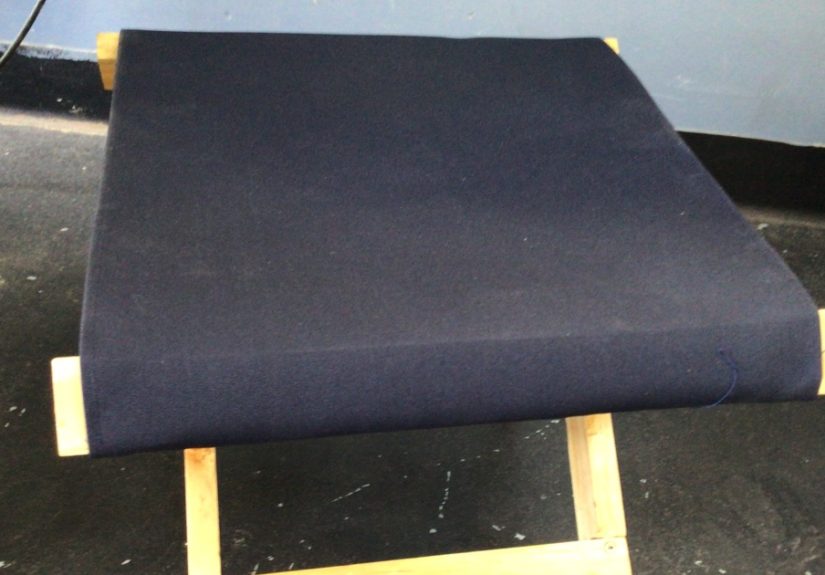
One of the most moving answers to this question is often the least flashy. Someone says the best thing they ever made was a small wooden stool for their grandmother. Not a dining set. Not a carved masterpiece worthy of dramatic lighting and a museum placard. Just a stool. But it was the first thing they built without help, and their grandmother used it every morning in the kitchen until the legs wore smooth from years of moving across tile. Suddenly the stool is not furniture anymore. It is proof of love in hardwood form.
Another person says the best thing they ever made was a chocolate cake from scratch after three failed attempts. On paper, that sounds modest. In real life, it was a comeback story wearing frosting. The first version sank in the middle. The second tasted like sweet drywall. The third came out tall, rich, and somehow emotionally victorious. Their family still requests that cake for every birthday, which is both flattering and mildly stressful, because now they are the Official Cake Person Forever.
Then there is the gardener whose proudest creation was not a single tomato plant, but the habit of caring for one. At the start, they knew almost nothing. They overwatered. Underwatered. Googled leaf discoloration like a panicked detective. But by the end of the season they had herbs, tomatoes, peppers, and a new rhythm for their evenings. The best thing they made was partly a garden and partly a calmer version of their own life.
A digital creator might answer differently. Maybe the best thing they ever made was a website for a friend’s small business. It was not glamorous at first. There were broken buttons, too many fonts, and one unfortunate shade of green that looked like a confused avocado. But the site helped that business get real customers, and the creator learned that design is not just decoration. It is usefulness, clarity, and trust built line by line.
For many people, the best thing they ever made is tied to family. A parent might say it was a Halloween costume stitched together at midnight with cheap felt, a hot glue gun, and the energy of pure love. A sibling might say it was a photo book for a brother leaving for college. A grandchild might say it was learning to remake a family recipe so a tradition would not disappear. These answers stick because the object is never just the object. It becomes a container for time.
And sometimes the best thing someone ever made is themselves, or at least the newer version of themselves that emerged from trying. A person starts pottery to cope with stress, ruins a heroic number of bowls, and eventually creates one simple mug they adore. Is the mug perfect? Not remotely. Does that matter? Not even a little. Because what they really made was confidence, patience, and a reason to keep showing up to a part of life that was not about pressure or performance.
That is the beauty of this question. The best thing you have ever made does not need to impress the whole internet. It only needs to mean something real. If it fed someone, comforted someone, helped someone, delighted someone, or changed you a little, that is more than enough. Honestly, that is the good stuff.
Conclusion
So, hey pandas, what is the best thing you have ever made? A quilt? A playlist? A pie? A bookshelf? A budget tracker? A business? A tiny balcony garden that kept you sane? Whatever it is, chances are the answer is not really about perfection. It is about connection. The best things people make are usually the ones that combine effort, meaning, memory, and a little piece of self.
That is why the question stays with people. It reminds us that making still matters. In a fast world built for convenience, there is something deeply satisfying about producing something with your own mind, hands, taste, judgment, and persistence. The result might be practical, beautiful, delicious, comforting, profitable, or gloriously weird. But if it carries a story, it carries value.
And maybe that is the real answer. The best thing you have ever made is the thing that proved you could make more.