Table of Contents >> Show >> Hide
- Why White Converse Get Dirty So Fast
- What You Need Before You Start
- How to Clean White Converse Sneakers in a Few Easy Steps
- Step 1: Remove the Laces and Brush Off Dry Dirt
- Step 2: Mix a Gentle Cleaning Solution
- Step 3: Clean the Canvas Upper Gently
- Step 4: Brighten the Rubber Toe Cap and Sidewalls
- Step 5: Wash the Laces and Freshen the Insoles
- Step 6: Wipe Away Soap Without Soaking the Shoes
- Step 7: Air-Dry the Smart Way
- How to Handle Tough Stains on White Converse
- What Not to Do When Cleaning White Converse
- How Often Should You Clean White Converse?
- How to Keep White Converse Cleaner Longer
- Real-World Experiences: What Actually Happens When You Clean White Converse at Home
- Final Thoughts
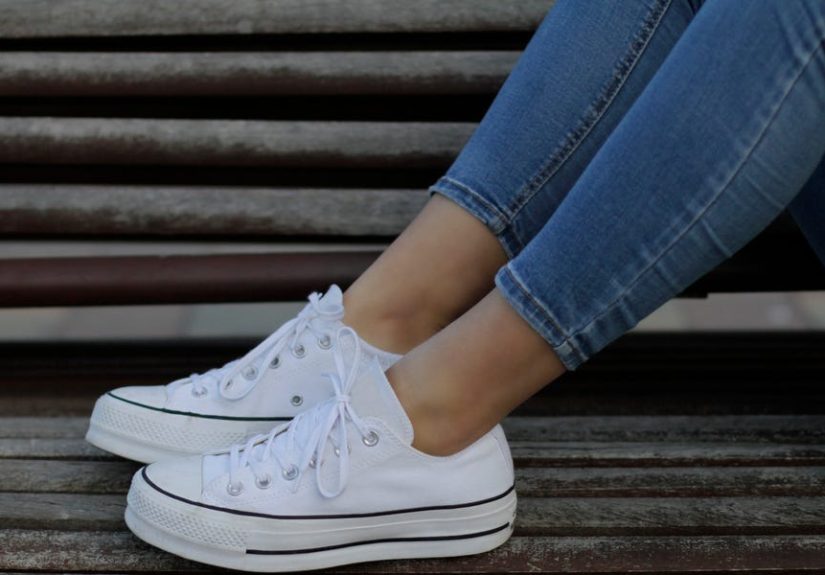
White Converse sneakers are the denim jacket of footwear: classic, reliable, and somehow appropriate for nearly every outfit. They also have a special talent for attracting dirt with the speed of a toddler spotting a puddle. One sidewalk scuff, one coffee splash, one mysterious gray smudge from absolutely nowhere, and suddenly your crisp white Chucks look like they’ve been through a minor emotional crisis.
The good news? You do not need a chemistry degree, a fancy sneaker spa, or a dramatic late-night panic purchase of “miracle” cleaning foam. If you know how to clean white Converse sneakers the right way, you can get them looking bright again with a few basic supplies and a little patience. The trick is to use a gentle method that cleans the canvas, freshens the rubber, and helps the shoes keep their shape.
This guide walks you through the easiest way to clean white Converse at home, including how to handle dirty laces, dingy rubber toe caps, stubborn stains, and the yellowing that can make white canvas shoes look older than they are. Whether your pair is lightly dusty or fully committed to the “well-loved” aesthetic, these steps can help bring them back from the brink.
Why White Converse Get Dirty So Fast
Before diving into the cleaning process, it helps to know what you’re dealing with. Most classic white Converse sneakers combine a white canvas upper with rubber toe caps and sidewalls. Canvas is comfortable and breathable, but it also absorbs dirt, moisture, and oils more easily than smoother materials. The white rubber trim is even more dramatic: it shows every scuff like it’s auditioning for a close-up.
That means effective Converse cleaning is really a two-part job. You need to clean the fabric gently enough that it does not fray, fade, or become stiff, and you need to brighten the rubber without leaving streaks or weird yellow patches behind. In other words, it is less “throw them in the washer and hope” and more “small, smart steps that actually work.”
What You Need Before You Start
You probably already have most of the supplies at home. For the easiest white sneaker cleaning routine, gather the following:
- A soft-bristled brush or old toothbrush
- A microfiber cloth or soft rag
- Warm water
- Mild dish soap or diluted laundry detergent
- A small bowl
- Paper towels or clean white paper
- An eraser sponge or melamine sponge for the rubber parts
- Baking soda for tougher stains
- Hydrogen peroxide for spot-treating stubborn white canvas stains, if needed
If your shoes are mostly just dusty and dull, mild soap and water will usually do the job. Save the stronger stain-fighting options for the moments when your shoes look like they lost a bar fight with a baseball field.
How to Clean White Converse Sneakers in a Few Easy Steps
Step 1: Remove the Laces and Brush Off Dry Dirt
Take the laces out first. This gives you better access to the tongue, eyelets, and the fabric around the edges, which is where a surprising amount of dirt likes to hide. Set the laces aside for their own cleaning session.
Next, use a dry soft brush to remove loose dirt from the canvas, outsole, and rubber trim. Do this before adding any water. This step matters more than people think. If you skip it, you are basically turning surface dust into muddy paste and rubbing it right back into the fabric. Not ideal. Brush gently but thoroughly, especially around the toe, seams, and sole.
Step 2: Mix a Gentle Cleaning Solution
Fill a small bowl with warm water and add a few drops of mild dish soap or a small amount of diluted liquid laundry detergent. You want the water lightly sudsy, not full-on bubble bath. When the soap is too concentrated, it can leave residue behind and make white canvas look stiff or slightly dingy once dry.
If you are trying to figure out the best cleaner for white Converse, start here. Mild soap and warm water are the safest first choice for regular cleaning and routine maintenance.
Step 3: Clean the Canvas Upper Gently
Dip your microfiber cloth or soft brush into the soapy water, then wring out excess moisture. The cloth or brush should be damp, not dripping. White Converse do not need a soak; they need a careful surface clean.
Work in sections and scrub gently using small circular motions. Focus on the toe box, side panels, heel, and tongue. These areas tend to collect the most grime. If one spot is extra dirty, go over it a few times instead of scrubbing aggressively all at once. Canvas can handle light cleaning, but it does not love being attacked.
As the water gets cloudy, replace it with a fresh batch. Cleaning with dirty water is like mopping your floor with soup. Technically you are doing something, but nobody wins.
Step 4: Brighten the Rubber Toe Cap and Sidewalls
Now move to the rubber parts: the toe cap, foxing, sidewalls, and sole edges. These areas usually respond well to the same mild cleaning solution, but you can also use a damp eraser sponge for scuffs and gray marks.
Rub the sponge gently over the rubber, especially where the white trim has turned dull or streaky. This is one of the easiest ways to make your Converse look cleaner fast, even before the canvas is fully dry. If you want a high-impact, low-effort upgrade, this is it. The canvas says, “I’m trying.” The bright rubber says, “I have my life together.”
If the rubber is still grimy, make a thin paste with baking soda and a little water, then use a toothbrush to scrub just the rubber areas. Wipe away residue with a damp cloth.
Step 5: Wash the Laces and Freshen the Insoles
White shoelaces are tiny dirt magnets, so cleaning the shoes without cleaning the laces is like washing your car and leaving a banana peel on the hood.
Soak the laces in warm, soapy water while you clean the shoes. After a few minutes, rub them between your fingers or use a small brush to loosen grime, then rinse and lay flat to air-dry. If they are beyond saving, replacement laces can make a dramatic difference for very little money.
If your insoles are removable, wipe them gently with the same mild solution using a cloth or soft brush. Do not oversaturate them. Let them dry separately before putting them back in the shoes.
Step 6: Wipe Away Soap Without Soaking the Shoes
Once the upper and rubber look cleaner, grab a fresh cloth dampened with plain water and wipe down the shoes to remove soap residue. This step is easy to rush, but it matters. Residual soap can dry stiff, attract more dirt later, and leave white canvas looking not-quite-right.
You are not rinsing the shoes under a faucet or dunking them in a sink. You are gently lifting off the leftover cleaner. Think “spa towel,” not “car wash.”
Step 7: Air-Dry the Smart Way
Blot the shoes with a dry towel, then stuff them with paper towels or clean white paper to help absorb moisture and hold their shape. Let them air-dry at room temperature in a well-ventilated area.
Avoid direct heat, hair dryers, radiators, and sunny windowsills that feel like tiny desert climates. Heat can warp the glue, stiffen materials, and encourage yellowing. Let the shoes dry naturally, then relace them once everything is fully dry.
How to Handle Tough Stains on White Converse
Sometimes mild soap is enough. Sometimes your sneakers have seen things. When that happens, targeted stain treatment can help.
For Ground-In Canvas Stains
Mix baking soda with a small amount of water to form a soft paste. Apply it with a toothbrush to the stained area and scrub gently. Let it sit briefly, then wipe it away with a damp cloth. This works well for dull gray patches, light mud stains, and general discoloration.
For Extra Stubborn White Canvas Marks
If the stain is still hanging on like it pays rent, dab a little hydrogen peroxide onto a soft brush and work only on the affected area. This can help brighten white canvas, but it should be used sparingly and always patch-tested first. Stick to white fabric only, and avoid colored trim or prints.
For Yellowing
Yellowing often comes from age, residue, heat exposure, or old cleaning mistakes. Start with the safest method first: mild soap, careful rinsing, and proper air-drying. If the yellowing is on the rubber, an eraser sponge or baking soda paste may help. If it is on the canvas, spot-treat gently rather than soaking the entire shoe in strong products.
For Odor
If your Converse look clean but smell like they just finished a three-day music festival, let the shoes dry completely, then sprinkle a small amount of baking soda inside overnight. Shake it out the next day. Moisture is often the real culprit, so making sure the shoes dry fully is half the battle.
What Not to Do When Cleaning White Converse
When people search for how to wash white Converse, the internet sometimes acts like every sneaker problem can be solved with maximum chaos. It cannot. Here is what to avoid:
- Do not machine-dry them. Heat is the enemy of glue, shape, and common sense.
- Do not use highly concentrated soap. Too much cleaner can leave residue and discolor the material.
- Do not scrub the canvas like you are sanding a deck. Gentle pressure is more effective and less damaging.
- Do not soak leather or specialty Converse styles. The method in this article is best for classic white canvas pairs.
- Do not jump straight to harsh bleach. It can be risky, especially around rubber trim and non-canvas materials.
How Often Should You Clean White Converse?
If you wear your white Converse a lot, a light clean every couple of weeks can prevent dirt from settling deep into the fabric. If you wear them occasionally, clean them when they look visibly dull or stained. Quick maintenance beats full rescue missions every time.
The smartest routine is simple: wipe new scuffs as soon as they happen, brush off dry dirt before storing them, and do a deeper hand-clean when the shoes start losing their bright, fresh look. This keeps your sneakers in rotation without letting them drift into “yard-work only” territory.
How to Keep White Converse Cleaner Longer
Once your shoes are clean, a little prevention goes a long way. First, let them dry completely before wearing them again. Putting damp shoes back into action too soon can lock in odors and attract fresh grime. Second, store them somewhere dry and ventilated instead of shoving them into a dark corner where mystery smells go to thrive.
You can also keep a soft cloth or sneaker wipe nearby for quick touch-ups. Most stains are easier to remove when they are fresh. Scuffs on the rubber? Hit them early. Tiny dirt mark on the toe? Dab it before it becomes part of the shoe’s personality.
And yes, sometimes the best maintenance tip is behavioral: maybe do not wear brilliant white Converse to a muddy field, a rainy tailgate, or a festival that describes itself as “rustic.” Your shoes deserve boundaries.
Real-World Experiences: What Actually Happens When You Clean White Converse at Home
If you have ever owned white Converse, you already know the emotional journey. Day one is magical. They are bright, crisp, and suspiciously optimistic. By week three, there is a gray streak on one toe cap, a smudge near the laces, and one random spot that looks like it came from brushing against a wall that should not have been dirty in the first place. Most people do not notice it right away. Then one day, under aggressive daylight, the shoes reveal all their secrets at once.
One of the most common experiences with cleaning white Converse is realizing that the shoes are not actually ruined; they are just layered with a bunch of small problems. The canvas may be dusty, the rubber may be scuffed, the laces may be grimy, and the insides may smell a little tired. That is why a good cleaning session feels so satisfying. You are not dealing with one giant disaster. You are peeling away several tiny annoyances until the shoes start looking like themselves again.
Another real-life lesson is that people often make things harder than they need to be. The first instinct is usually to use too much product, too much water, or too much force. That is when trouble starts. Over-soaking can leave water marks, aggressive scrubbing can rough up the canvas, and heavy soap can dry into a residue that makes the shoes look oddly flat. The best results usually come from slowing down, working section by section, and cleaning with a lighter touch than your frustration initially recommends.
There is also the surprisingly dramatic effect of cleaning the rubber trim. Plenty of people start with the fabric because it seems like the star of the show, but the white rubber toe cap and sidewalls do a huge amount of visual work. Once those brighten up, the whole sneaker looks fresher even before the canvas is perfect. It is the footwear version of cleaning your glasses and suddenly discovering the world has edges again.
People also tend to underestimate the laces. Freshly cleaned shoes with dirty laces still look unfinished. On the other hand, even an older pair of Converse can look dramatically better with clean laces threaded back through neat eyelets. It is a small detail, but it changes the overall impression. This is why so many at-home cleaning experiences end with the same thought: “Wait, that worked way better than I expected.”
And finally, there is the drying stage, which teaches patience whether you want the lesson or not. White Converse usually look a little disappointing when they are still damp. The canvas can appear blotchy, the rubber can seem dull, and you may briefly wonder whether you made everything worse. Then they dry fully, the brightness evens out, the shape settles, and the shoes look much better. It is a classic white-sneaker fake-out. The moral? Do not judge your cleaning job too early. Let the shoes finish the process before you declare victory or plan a memorial service.
Final Thoughts
Learning how to clean white Converse sneakers in a few easy steps is less about finding one magical product and more about using the right method. Start with dry brushing, stick with mild soap and warm water, clean the rubber separately, treat stains carefully, and always let the shoes air-dry naturally. That combination is simple, affordable, and much kinder to your sneakers than rough washing or high heat.
White Converse will probably never stay spotless forever, and honestly, that is part of their charm. But with a smart routine and a little maintenance, they can stay bright, wearable, and far from tragic. So the next time your favorite pair starts looking tired, do not give up on them. Grab a bowl, a brush, and your best “I can fix this” attitude. Your Chucks still have a lot of life left.