Table of Contents >> Show >> Hide
- Why a Low Beam Headlight Stops Working
- What You May Need
- How to Fix a Low Beam Headlight: 13 Steps
- Step 1: Confirm Which Light Is Actually Failing
- Step 2: Park Safely and Shut Everything Off
- Step 3: Check Your Owner’s Manual
- Step 4: Inspect the Lens Before Replacing Parts
- Step 5: Test the Fuse If Both Low Beams Are Out
- Step 6: Buy the Correct Replacement Bulb
- Step 7: Gain Access to the Back of the Headlight Housing
- Step 8: Disconnect the Wiring Connector
- Step 9: Remove the Old Low Beam Bulb
- Step 10: Install the New Bulb Without Touching the Glass
- Step 11: Reconnect Everything and Test the Light
- Step 12: Replace the Other Bulb Too
- Step 13: Troubleshoot If the Low Beam Still Does Not Work
- Common Mistakes to Avoid
- When to Call a Professional
- Driving Safety Reminder
- Real-World Experience: What Fixing a Low Beam Headlight Actually Feels Like
- Conclusion
- SEO Tags
A low beam headlight that suddenly quits can make a short evening drive feel like a scene from a budget horror movie. One minute you are cruising home, the next minute you are squinting at road signs and wondering whether your car has decided to become mysterious. The good news is that fixing a low beam headlight is often a very doable DIY job. In many vehicles, the problem is as simple as a burned-out bulb. In others, the culprit may be a fuse, a wiring connector, moisture inside the housing, or a cloudy lens that has turned your headlight into a sad flashlight.
If you want to know how to fix a low beam headlight without wasting money, replacing the wrong part, or inventing new curse words in your driveway, this step-by-step guide will help. Below, you will learn how to diagnose the issue, replace the bulb correctly, avoid common mistakes, and figure out when the job is better left to a professional. Whether you drive an older sedan, a pickup, or a newer crossover with cramped engine-bay packaging clearly designed by tiny hand models, this guide will point you in the right direction.
Why a Low Beam Headlight Stops Working
Before you start taking parts apart, it helps to know what might have gone wrong. A low beam headlight can fail for several reasons:
- Burned-out bulb: This is the most common issue, especially if only one low beam is out.
- Blown fuse: If both low beams fail, a fuse is worth checking right away.
- Bad relay or switch: Electrical components can fail and interrupt power to the lights.
- Damaged connector or wiring: Heat, corrosion, and weak terminal connections can keep the bulb from working.
- Moisture in the housing: Water and electricity are famously not best friends.
- Cloudy or yellowed lens: Sometimes the bulb still works, but the light output is so poor it looks like the low beam is failing.
What You May Need
- Owner’s manual
- Replacement low beam bulb with the correct part number
- Gloves
- Safety glasses
- Flathead screwdriver or trim tool
- Socket set, if your vehicle requires removing covers or nearby parts
- Fuse puller or needle-nose pliers
- Clean microfiber cloth
- Headlight restoration kit, if the lens is heavily oxidized
How to Fix a Low Beam Headlight: 13 Steps
Step 1: Confirm Which Light Is Actually Failing
Turn on your headlights and walk to the front of the vehicle. Check whether one low beam is out or both. Also switch between low beams and high beams. If one low beam is out but the high beam still works, the bulb is usually the prime suspect. If both low beams are out, do not immediately buy two bulbs and celebrate your detective skills. Check the fuse and relay first.
Step 2: Park Safely and Shut Everything Off
Park on a flat surface, turn off the engine, remove the key, and let hot components cool down. Headlight housings can sit near warm engine parts, and roasted knuckles are not a required part of this repair. Set the parking brake and make sure the lighting switch is off before you touch anything electrical.
Step 3: Check Your Owner’s Manual
Your owner’s manual is the cheat code for this job. It can tell you the correct low beam bulb type, the fuse location, and the access method for your particular vehicle. Some cars let you reach behind the headlight housing from under the hood. Others require access through the wheel well or removal of a cover, battery, air box, or trim panel. Cars love being unique when it is inconvenient.
Step 4: Inspect the Lens Before Replacing Parts
Look at the outside of the headlight lens. If it is cloudy, yellow, or hazy, your low beam may look weak even if the bulb still works. A badly oxidized lens can seriously reduce nighttime visibility. If the bulb is hard to see through the lens, that is your clue that restoration or replacement of the lens assembly may be needed. If the lens looks clear, move on to the bulb and electrical checks.
Step 5: Test the Fuse If Both Low Beams Are Out
If both low beams stopped working, locate the headlight fuse in the fuse box using your owner’s manual. Remove the fuse and inspect it. If the metal strip inside is broken, replace it with a fuse of the exact same amperage. Do not get creative here. Installing a fuse with a higher rating is not a life hack. It is a shortcut to bigger electrical problems. If the new fuse blows again, you likely have a short or wiring issue that needs deeper diagnosis.
Step 6: Buy the Correct Replacement Bulb
Do not guess. Match the bulb part number exactly to your vehicle’s specifications. Some vehicles use separate bulbs for high beams and low beams, while others use a dual-function bulb. In many vehicles with separate bulbs, the low beam is positioned toward the outer side of the housing, but always verify before you buy. Using the wrong bulb can cause fitment problems, poor light pattern, or no function at all.
Step 7: Gain Access to the Back of the Headlight Housing
Open the hood and locate the back of the headlight assembly. You may find a dust cover, access cap, or wiring connector attached to the bulb socket. Depending on the vehicle, you may need to remove a plastic cover, peel back a wheel-well liner, or move a nearby component out of the way. Work carefully and keep track of screws and clips. These tiny fasteners disappear faster than socks in a dryer.
Step 8: Disconnect the Wiring Connector
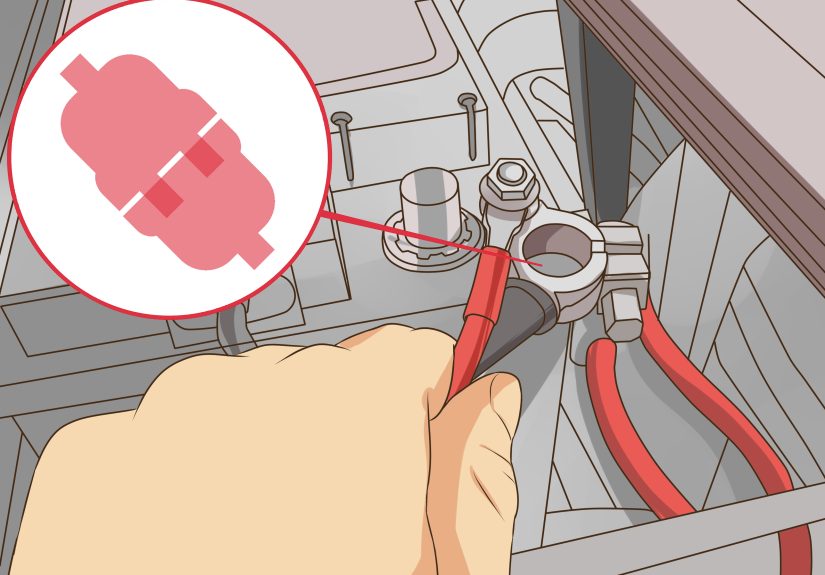
Press the release tab or clip on the electrical connector and pull it straight off the bulb. If it feels stuck, wiggle gently rather than yanking like you are starting a lawn mower from 1997. Look closely at the connector for signs of melting, discoloration, corrosion, or brittle plastic. A damaged connector can cause intermittent lighting or total failure, even with a new bulb installed.
Step 9: Remove the Old Low Beam Bulb
Most halogen bulbs are removed by turning them counterclockwise about a quarter turn and pulling them straight out. Some are held in place by a retaining clip. Take note of the bulb orientation before removing it. If the old bulb looks smoky inside or the filament appears broken, you have probably found your problem. If it looks fine, keep going anyway, since bulbs can still fail without dramatic visual clues.
Step 10: Install the New Bulb Without Touching the Glass
This step matters more than people think. Do not touch the glass portion of a halogen bulb with your bare fingers. Skin oils can create hot spots and shorten bulb life. Hold the new bulb by the base, line up the tabs, and install it in the same orientation as the old one. Twist it clockwise until it locks in place, or secure the retaining clip. If you accidentally touch the glass, clean it carefully with alcohol and a lint-free cloth before installation.
Step 11: Reconnect Everything and Test the Light
Reconnect the wiring harness, reinstall any covers you removed, and turn on the headlights. Test the low beams first, then switch to high beams. If the new low beam works, congratulations. You have defeated the darkness and saved yourself a service appointment. If it still does not work, the problem may be the fuse, relay, switch, connector, or wiring rather than the bulb itself.
Step 12: Replace the Other Bulb Too
Even if only one low beam failed, replacing bulbs in pairs is smart. Headlight bulbs dim over time, and an old bulb on one side plus a bright new bulb on the other can create uneven lighting and mismatched color. If one bulb burned out, the other may not be far behind. Doing both at once saves time and prevents you from repeating the repair a week later with less enthusiasm.
Step 13: Troubleshoot If the Low Beam Still Does Not Work
If the new bulb does not solve the problem, work through the likely suspects:
- Check the fuse again.
- Inspect the relay if your vehicle uses one for the low beams.
- Look for corrosion, heat damage, or looseness in the bulb connector.
- Check for moisture inside the housing.
- Look for damaged or frayed wiring near the headlight assembly.
- Consider a bad headlight switch, body control module issue, or charging-system problem if lights flicker or behave strangely.
If you find melted plastic, repeated fuse failure, or evidence of wiring damage, it is time to bring in a qualified mechanic. A quick bulb swap is a DIY job. Electrical diagnosis can turn into a choose-your-own-adventure novel, and not the fun kind.
Common Mistakes to Avoid
- Installing the wrong bulb type: Always verify fitment before purchase.
- Touching the bulb glass: This can reduce bulb life.
- Ignoring a cloudy lens: A new bulb will not fix a badly oxidized housing.
- Skipping the fuse check: Especially when both low beams are out.
- Forcing clips and connectors: Plastic parts get brittle with age.
- Using random aftermarket conversions: Stick with the bulb type and headlight setup designed for your vehicle unless you are making a compliant, vehicle-appropriate upgrade.
When to Call a Professional
You should get professional help if:
- The bulb is difficult to access and requires major disassembly.
- The connector is melted or heavily corroded.
- The fuse keeps blowing.
- The headlight housing has water inside it.
- Your vehicle uses complex HID, LED, or adaptive lighting components.
- The light works intermittently or flickers, suggesting a deeper electrical issue.
Driving Safety Reminder
Low beams are the setting you should use for normal night driving and for bad visibility in rain, fog, smoke, or snow. High beams can create glare in fog and should be dimmed around other drivers. If one of your low beams is out, repair it as soon as possible. Driving with reduced forward visibility is not just annoying. It can be unsafe and, depending on where you live, illegal.
Real-World Experience: What Fixing a Low Beam Headlight Actually Feels Like
If you have never fixed a low beam headlight before, the experience usually falls into one of two categories. Category one is the dream scenario: you open the hood, twist out the old bulb, pop in the new one, and spend the next ten minutes feeling like the undisputed champion of practical adulthood. Category two is more realistic. You open the hood, stare into the engine bay, and wonder why the bulb seems to be hidden behind seven unrelated parts and possibly another dimension.
For many drivers, the first clue that something is wrong comes during a routine evening drive. Maybe the road looks darker than usual. Maybe a reflection in a storefront window reveals that one side of the front end looks like it has given up. Maybe another driver flashes their lights at you, and for one confusing second you think, “Why are they mad?” Then it hits you: one low beam is out.
The first time you do this repair, the hardest part is rarely the bulb itself. It is figuring out access. Some vehicles are wonderfully sensible. Others seem designed by engineers who believed mechanics should build character through patience. You may need to remove an air intake snorkel, move a battery cover, or reach through a wheel-well opening with one hand bent like a pretzel. This is normal. Annoying, but normal.
There is also a good chance you will discover that the old bulb did not just burn out quietly. It may look dark and smoky inside, like it had a dramatic farewell speech prepared. In other cases, the bulb looks fine, which is when people start doubting themselves. That is also normal. A bulb can fail without looking spectacularly ruined.
One of the most useful lessons drivers learn from this job is that headlight problems are not always bulb problems. Many people replace a bulb, test the lights, and get exactly zero improvement. That moment is humbling. But it also teaches you to think in systems: bulb, fuse, relay, connector, housing, wiring. Once you start checking those pieces methodically, the repair stops feeling mysterious and starts feeling manageable.
Another common experience is replacing one bulb and suddenly noticing the other side looks tired, yellow, and offended. That is why replacing bulbs in pairs makes so much sense. You do not want one crisp beam and one beam that looks like it has been working double shifts since 2018.
And then there is the test moment. You reconnect everything, turn the switch, and watch the low beam come back to life. It is a small victory, but a satisfying one. You fixed something practical, improved your safety, and probably saved money. Not bad for a repair that starts with mild dread and usually ends with, “Okay, that was not nearly as terrible as I expected.”
Conclusion
Learning how to fix a low beam headlight is one of those car-care skills that pays off immediately. In many cases, the repair is simple: identify the failed light, install the correct replacement bulb, and test the system. If the problem is not the bulb, checking the fuse, relay, connector, and lens condition will usually point you in the right direction. The key is to work carefully, avoid touching the bulb glass, and resist the temptation to guess your way through electrical issues.
A working low beam headlight is not a luxury. It is a basic safety feature that helps you see and be seen. So if your car is driving around with one eye closed, now you know exactly what to do about it.