Table of Contents >> Show >> Hide
- Menopause 101: What’s Happening (and Why You’re Not “Being Dramatic”)
- Why Acupuncture Is Even in the Conversation
- Symptoms of Menopause Acupuncture Might Help Relieve
- 1) Hot flashes and night sweats (vasomotor symptoms)
- 2) Sleep problems (trouble falling asleep, staying asleep, or waking up drenched)
- 3) Mood swings, anxiety, irritability, and stress
- 4) Brain fog and concentration issues (often indirectly)
- 5) Headaches, body aches, and joint pain
- 6) Fatigue and low energy
- What a Smart Trial of Acupuncture Looks Like
- Safety: The Unsexy but Important Part
- How to Get More Relief: Pair Acupuncture with High-Impact Basics
- FAQs (Because Menopause Never Reads the Instruction Manual)
- Real-World Experiences: What People Often Notice (About )
- Conclusion
Menopause is a perfectly natural life stage… that sometimes behaves like an unpaid intern running your body’s thermostat,
sleep schedule, and mood with zero training. One minute you’re fine, the next you’re fanning yourself with a grocery receipt
while wondering why you walked into the kitchen (again).
If you’ve been looking for nonhormonal ways to feel more like yourself, acupuncture probably popped up on your radar.
It’s not magic. It’s not “just placebo,” either (though expectation can play a role in any treatment). It’s best described as a
low-risk, potentially helpful optionespecially for certain menopause symptomswhen done by a qualified practitioner and used
alongside other evidence-based strategies.
Menopause 101: What’s Happening (and Why You’re Not “Being Dramatic”)
Menopause is officially diagnosed after 12 consecutive months without a menstrual period. The years leading up to that are
called perimenopause (or the menopause transition). During this transition, estrogen and progesterone fluctuate, and those
shifts can influence temperature regulation, sleep, mood, and more.
Common symptoms can include irregular periods, hot flashes, night sweats, sleep problems, mood changes, vaginal dryness, bladder
changes, and “brain fog” (trouble finding words or remembering things). Not everyone gets every symptom, and the intensity varies
widelybecause bodies love being unique.
When symptoms deserve a medical check (not just a new fan)
Some issues should be evaluated rather than self-treated. For example, bleeding after menopause (after those 12 months) warrants
prompt medical attention. Also check in if symptoms are severe, sudden, or paired with other red flags (unexplained weight loss,
chest pain, fainting, or new neurologic symptoms).
Why Acupuncture Is Even in the Conversation
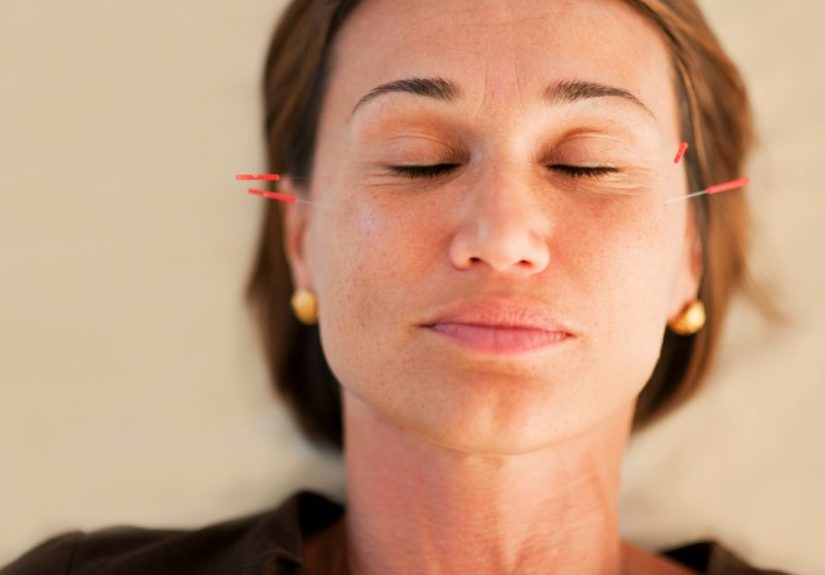
Acupuncture is a component of traditional East Asian medicine where very thin needles are inserted at specific points.
In modern settings, practitioners may use manual acupuncture or electroacupuncture (a mild electrical stimulation through
the needles). Sessions typically include time to restoften the most luxurious part of the appointment, if we’re honest.
Researchers are still sorting out exactly how acupuncture might help menopause symptoms. Proposed mechanisms include effects on
the nervous system, stress response, and the brain’s temperature-regulating pathways. The important part for you: clinical results
are mixed, and benefits (when they occur) tend to be modestbut meaningful for some people.
Symptoms of Menopause Acupuncture Might Help Relieve
Here’s the realistic, research-informed view: acupuncture seems most promising for vasomotor symptoms (hot flashes and night sweats)
and may also help with sleep, stress, mood, and certain achesoften by easing the “overall burden” of symptoms.
Think of it as turning down the volume, not necessarily hitting mute.
1) Hot flashes and night sweats (vasomotor symptoms)
Hot flashes are sudden waves of heatoften in the face, neck, and chestsometimes followed by chills, sweating, and a “why is my body
doing this?” moment. When they happen at night, they’re called night sweats and can seriously disrupt sleep.
Acupuncture has shown reductions in hot flash frequency and severity in some studies compared with no treatment/usual care.
However, trials that compare acupuncture to “sham” (simulated) acupuncture often find smaller differences, suggesting that both the
procedure and the context of care (attention, relaxation, expectation) may contribute.
Practical takeaway: If hot flashes are your main complaint and you want a nonhormonal option, acupuncture is reasonable to try.
Just set expectations: improvement may be gradual, and it may not outperform every other option. Many people aim for “fewer and less
intense,” not “gone forever.”
2) Sleep problems (trouble falling asleep, staying asleep, or waking up drenched)
Sleep can get hit from multiple angles in menopause: night sweats, anxiety, frequent nighttime urination, or that delightful 3 a.m.
brain that suddenly wants to review every awkward thing you said in 2009.
Acupuncture may help sleep indirectly by reducing nighttime hot flashes, and some research suggests sleep quality can improve during a
course of treatmentparticularly when vasomotor symptoms calm down. If sleep is your biggest issue, tracking your nights (bedtime, wake
time, awakenings, night sweats, next-day energy) can help you see whether anything is truly changing.
3) Mood swings, anxiety, irritability, and stress
Mood changes around menopause are common. Some people describe feeling more reactive, anxious, or emotionally “thin-skinned,” especially
when sleep is poor. Stress can also amplify hot flashesbecause of course it can.
Acupuncture is often used as a calming, body-based therapy. While it shouldn’t replace mental health care when needed, many people find
that the sessions reduce stress and improve their sense of well-being. In real life, “I’m less on edge” can be just as valuable as
“I have fewer hot flashes,” because they tend to feed into each other.
4) Brain fog and concentration issues (often indirectly)
“Brain fog” is realforgetting words, losing your train of thought, and feeling mentally sluggish. It’s also often tangled up with
sleep disruption, stress, and vasomotor symptoms.
Acupuncture isn’t a direct “memory upgrade,” but if it helps you sleep better or reduces symptom bother, concentration may improve.
A good strategy is to pair acupuncture with basics that support cognition: regular exercise, stable sleep/wake times, hydration, and
avoiding heavy alcohol intake (especially close to bedtime).
5) Headaches, body aches, and joint pain
Midlife can bring more aches and painssometimes from hormonal shifts, sometimes from aging, sometimes from sitting like a pretzel
at a laptop for eight hours. Acupuncture is commonly used for pain conditions, and some people find it helpful for tension-type
headaches, neck/shoulder tightness, or generalized aches that flare when sleep is poor.
If you have new, severe, or unusual headachesor headaches with neurologic symptomsget medical evaluation before assuming it’s
“just menopause.”
6) Fatigue and low energy
Menopause fatigue often has “multiple tabs open”: sleep loss, night sweats, mood strain, and sometimes iron issues, thyroid problems,
or other conditions that deserve testing.
Acupuncture may help some people feel more restored, especially if it improves sleep continuity or reduces the stress load.
If fatigue is profound, persistent, or accompanied by other symptoms (shortness of breath, palpitations, dizziness), a medical
workup is the smartest first step.
What a Smart Trial of Acupuncture Looks Like
How many sessions?
Most people don’t feel major changes after one appointment (though the nap can be excellent). A typical trial is 6–8 sessions over
several weeks, then reassess. Some clinical research settings have used up to ~20 treatments across months, with improvements sometimes
showing after a few sessions and building over time.
What happens in a session?
- Intake: Symptoms, sleep, stress, health history, medications, and goals.
- Needling: Very thin needles placed in specific points; sensation may be minimal, achy, warm, or “tiny pinch then nothing.”
- Rest time: You lie still 15–30 minutes (often the most relaxing part).
- Optional add-ons: Electroacupuncture, heat therapy, or gentle bodywork depending on the clinic.
How to measure whether it’s working
Menopause symptoms can fluctuate naturally, so “I think it’s better?” can be hard to trust. Try a simple two-minute daily log:
- Number of hot flashes/night sweats (estimate is fine)
- Sleep: time to fall asleep, number of awakenings, total sleep hours
- Mood: calm/irritable/anxious (0–10)
- Energy: (0–10)
- Notes: triggers (alcohol, spicy food, stress, overheating)
Safety: The Unsexy but Important Part
Acupuncture is generally safe when performed by an experienced practitioner using sterile, single-use needles. Like any procedure,
it has risks if done improperly. Mild side effects can include temporary soreness, bruising, or feeling lightheaded.
Be extra cautious and disclose your full health history if you:
take blood thinners, have a bleeding disorder, are pregnant, have a pacemaker (relevant for electroacupuncture), or have immune
system issues. Always choose a licensed acupuncturist (rules vary by state) and don’t be shy about asking about training and hygiene.
How to Get More Relief: Pair Acupuncture with High-Impact Basics
Acupuncture works best when it’s not trying to carry the entire menopause experience on its back like a heroic little needle-based
superhero. Combine it with strategies that reduce symptom triggers and improve recovery:
Cooling + trigger awareness
Many people find that alcohol, caffeine, spicy foods, overheating, and stress can worsen hot flashes. Use layers, fans, and a cooler
bedroom. If you can identify your biggest trigger, you can often reduce symptom intensity without adding another treatment.
Sleep support that isn’t just “go to bed earlier”
- Keep the bedroom cool, dark, and quiet.
- Limit screens close to bedtime.
- Avoid heavy meals and alcohol near bedtime.
- Get regular physical activity (earlier in the day is often better for sleep).
Know your alternatives (especially if symptoms are severe)
Hormone therapy remains the most effective option for bothersome vasomotor symptoms for many people, but it’s not right for everyone.
Nonhormonal prescription options and behavioral therapies can also help. The best plan is individualizedbased on symptom severity,
medical history, and your risk profileso it’s worth a real conversation with a clinician who takes menopause seriously.
FAQs (Because Menopause Never Reads the Instruction Manual)
Is acupuncture “just placebo”?
Placebo effects are powerful in menopause symptom trialsespecially for hot flashes. Some studies show acupuncture beating no-treatment
controls, while others show minimal difference from sham acupuncture. That doesn’t mean it’s fake; it means the experience of treatment
(care, relaxation, expectation) may be part of why people improve. If you feel better and it’s safe, that’s still a win.
How long does relief last?
It varies. Some people notice benefits during treatment that fade when sessions stop; others maintain improvements longer. If you respond
well, many clinics suggest a maintenance schedule (for example, monthly or seasonally) tailored to your symptoms and budget.
Can acupuncture help vaginal dryness?
The strongest evidence for acupuncture is around vasomotor symptoms and overall quality-of-life measures, not vaginal dryness.
For genitourinary symptoms, proven options include vaginal moisturizers/lubricants and clinician-recommended therapies.
Real-World Experiences: What People Often Notice (About )
Research summaries are helpful, but menopause is lived in the day-to-day: during meetings, at bedtime, in the grocery aisle when a
hot flash hits under fluorescent lighting like it was personally scheduled. Below are common “experience patterns” people report when
they try acupuncture for menopause symptoms. These are composite examplesnot promises, not guarantees, and definitely not a substitute
for medical care.
The “2 a.m. Towel Rotation” Story
A common starting point is night sweats that turn sleep into a relay race: wake up hot, kick off the blanket, sweat, get chilled,
repeat. People who respond to acupuncture often describe the first change as less intensity rather than fewer episodes.
Instead of soaking pajamas, they might wake up warm but not drenched. After several sessions, some report fewer awakenings and an easier
time falling back asleep. The biggest “tell” is usually next-day function: less brain fog, fewer caffeine emergencies, and a mood that
feels less like it’s balanced on a thumbtack.
The “Why Am I So Irritable?” Story
Some people come in saying, “I don’t even recognize myself.” They aren’t constantly sadthey’re just perpetually activated:
snappier, more anxious, less patient. When acupuncture helps here, the change often feels subtle: the same triggers exist, but the
emotional spike is smaller. People describe a little more space between “thing happens” and “I spiral.” Many also say the appointment
itself becomes a weekly nervous-system reset30 minutes where nobody needs anything from them, which is honestly rare luxury in adulthood.
The “My Body Feels Older Overnight” Story
Aches and stiffness can creep in during this stage of life. People who notice improvement with acupuncture often talk about better
range of motion, fewer tension headaches, or shoulders that finally unclench somewhere around week three. It’s not always dramatic pain
relief; sometimes it’s “I can sit at my desk and not feel like a folding chair afterwards.” When it works, it tends to work best alongside
gentle strength training, stretching, hydration, and consistent sleep routines.
The “Data Nerd Conversion” Story
Plenty of people start skeptical (fair!), then keep going because their tracking log shows a real shift: hot flashes drop from “countless”
to “a few,” sleep improves from fragmented to more continuous, or anxiety ratings trend down. A helpful approach is treating acupuncture as
a defined experiment: commit to 6–8 sessions, track symptoms, and decide based on your own data. If you see no meaningful change, you’ve
learned somethingand you can move on to other options without guilt.
Conclusion
If menopause symptoms are disrupting your sleep, mood, or daily life, acupuncture is a reasonable, generally safe option to consider
especially for hot flashes and night sweatsand it may also support sleep and stress resilience for some people. The evidence suggests it
can help compared with no treatment, but results are mixed when compared with sham procedures, so keep expectations realistic and measure
changes over time. The best outcomes usually come from combining therapies: acupuncture plus cooling strategies, sleep support, movement,
and medical guidance when symptoms are severe. Menopause may be inevitable. Suffering through it is optional.