Table of Contents >> Show >> Hide
- Introduction: When Your Toilet Starts Talking Back
- What Does It Mean When a Toilet Bubbles When Flushed?
- Main Causes of Toilet Bubbles When Flushed
- How to Diagnose the Problem Before You Fix It
- How to Fix a Toilet That Bubbles When Flushed
- When Toilet Bubbling Is an Emergency
- How to Prevent Toilet Bubbles in the Future
- DIY Fix or Call a Pro?
- Real-Life Examples: What the Bubbles Might Be Telling You
- Extra Homeowner Experience: Lessons from a Bubbling Toilet
- Conclusion
Note: This guide is for general homeowner education. If you see sewage backup, smell strong sewer gas, or have bubbles in more than one drain, stop using water-heavy fixtures and call a licensed plumber. Your toilet may be trying to warn you before your bathroom becomes a very unpopular indoor fountain.
Introduction: When Your Toilet Starts Talking Back
A toilet that bubbles when flushed is not performing a cute party trick. It is usually a sign that air is being forced through the toilet bowl because something in the plumbing system is not moving, venting, or draining the way it should. In plain English, your toilet is burping because your pipes are under pressure.
The good news is that toilet bubbling does not always mean disaster. Sometimes the cause is a simple toilet clog that can be handled with a flange plunger or toilet auger. The less delightful news is that bubbling can also point to a blocked vent stack, a main sewer line clog, a septic system issue, or even trouble in the municipal sewer connection. That is when the toilet is no longer whispering. It is sending a plumbing distress signal with sound effects.
In this guide, we will break down what it means when a toilet bubbles when flushed, why gurgling sounds happen, how to identify the most likely cause, what you can safely try yourself, and when to call a professional before a small problem becomes a mop-and-regret situation.
What Does It Mean When a Toilet Bubbles When Flushed?
When you flush, water should move quickly from the toilet bowl into the drain line, through the main sewer pipe, and away from your home. At the same time, plumbing vents allow air to enter the system so wastewater can flow smoothly. Think of it like pouring juice from a can: if there is no air coming in, the liquid glugs and sputters. Your plumbing works in a similar way, except nobody wants the juice analogy to continue too far.
If the toilet bubbles, air is being pushed back through the water in the bowl. This usually happens because wastewater is meeting resistance somewhere in the drain system. The blockage traps air, changes pressure, and forces bubbles up through the toilet trap. The bubbling may appear during the flush, shortly after the flush, or when another fixture is used, such as a shower, sink, washing machine, or second toilet.
Common signs that go with toilet bubbling
- The toilet makes a gurgling sound after flushing.
- The water level rises or drops unexpectedly.
- The toilet flushes slowly or weakly.
- Water backs up into a tub, shower, or floor drain.
- More than one drain in the house sounds noisy.
- You notice sewer odors near drains or outside.
- The problem gets worse after laundry, showers, or heavy water use.
One isolated bubble may not be an emergency. Repeated bubbling, slow drains, bad smells, or backup in low fixtures should be treated seriously. Plumbing problems rarely fix themselves out of kindness.
Main Causes of Toilet Bubbles When Flushed
1. A Partial Toilet Clog
The simplest explanation is often the correct one: something is partially blocking the toilet trap or toilet drain. Too much toilet paper, a hygiene product, a child’s toy, cotton swabs, wipes, or other non-flushable items can slow the water enough to trap air. The toilet may still flush, but not cleanly. The trapped air escapes as bubbles.
This kind of clog is usually closest to the toilet and may affect only that fixture. If the sink, tub, and other toilets are working normally, start by suspecting a local toilet clog.
2. A Blocked Main Sewer Line
A main sewer line clog is more serious because it affects the pipe that carries wastewater from your home to the city sewer or septic system. When this pipe becomes restricted, water from any fixture may struggle to leave the house. The toilet often bubbles because it is one of the easiest places for trapped air to escape.
Common main line blockage causes include tree roots, grease buildup, collapsed pipe sections, dirt intrusion, heavy toilet paper use, and “flushable” wipes that do not break down as politely as their packaging suggests. If multiple drains gurgle or water backs up into the bathtub when you flush, suspect the main sewer line.
3. A Clogged Plumbing Vent Stack
Your plumbing vent stack is usually a vertical pipe that exits through the roof. Its job is to balance air pressure and safely release sewer gases outside. If the vent is blocked by leaves, bird nesting material, snow, ice, or debris, air cannot move correctly through the system.
When the vent stack is obstructed, the plumbing system may pull or push air through nearby traps. That creates bubbling, gurgling, slow drains, and sometimes sewer odors. A vent problem can mimic a drain clog, which is why diagnosis matters. The toilet may not be blocked at all; it may simply be gasping for air like it just finished a marathon.
4. Septic Tank or Drain Field Problems
If your home uses a septic system, toilet bubbles when flushed may mean the tank is full, the outlet is clogged, the drain field is saturated, or wastewater is not dispersing properly. Septic-related bubbling is especially concerning when paired with slow drains, sewage odors, wet patches near the drain field, or unusually green grass over the septic area.
Septic systems need routine inspection and pumping. When they are neglected, wastewater may not have anywhere to go. Unfortunately, wastewater is not known for accepting “please wait” as a solution.
5. Municipal Sewer Problems
Sometimes the issue is beyond your property line. A blockage or overload in the municipal sewer main can create backup pressure that affects nearby homes. This is less common than a private line clog, but it can happen, especially during heavy rain, construction, or aging infrastructure problems.
If neighbors are also reporting drain backups or gurgling toilets, contact your local sewer authority. Do not assume the problem is only inside your home.
6. Poor Plumbing Installation or Pipe Slope
Drain lines need correct slope, proper venting, and suitable pipe sizing. If a bathroom was recently remodeled, a toilet was moved, or an addition was built, bubbling may be related to poor plumbing layout. A pipe with too little slope can hold waste and water. A pipe with too much slope can let water outrun solids. Either way, the system can become noisy, slow, and clog-prone.
How to Diagnose the Problem Before You Fix It
Check whether only one toilet is affected
If one toilet bubbles but everything else drains normally, the problem may be a local clog in that toilet or branch drain. This is the most DIY-friendly situation.
Run nearby fixtures carefully
Turn on the bathroom sink for a minute and watch the toilet bowl. Then test the shower or tub. If the toilet bubbles when another fixture runs, the issue may be shared drainage or venting. Stop testing if water starts rising in the toilet, tub, or shower.
Look for low-fixture backup
Water backing up into a bathtub, shower, basement floor drain, or laundry drain is a red flag for a main sewer line blockage. The lowest drain in the home often shows the problem first because gravity has a dark sense of humor.
Listen for gurgling in multiple drains
Multiple gurgling drains suggest pressure trouble in the larger drainage system, not just one toilet. That points toward the main line, vent stack, or septic system.
Use your nose
Sewer gas odors can indicate dry traps, venting issues, or wastewater backup. If the smell is strong or persistent, do not ignore it. Sewer gas can be unpleasant and potentially unsafe in enclosed spaces.
How to Fix a Toilet That Bubbles When Flushed
Step 1: Stop flushing repeatedly
The first rule of a bubbling toilet is simple: do not keep flushing like you are voting for a different outcome. Repeated flushing can push more water into a restricted line and cause overflow. If the water level rises, wait. If it looks close to overflowing, turn off the toilet’s water supply valve near the wall.
Step 2: Try a flange plunger
For a suspected toilet clog, use a flange plunger, not a flat sink plunger. The flange helps seal the toilet drain opening and creates stronger pressure. Place the plunger over the drain, keep enough water in the bowl to cover the rubber cup, and use steady push-pull motions. Start gently to avoid splashing, then increase force once the seal is secure.
After several plunges, flush once. If the toilet clears and no longer bubbles, the clog may be gone. If bubbling continues, move to the next step.
Step 3: Use a toilet auger
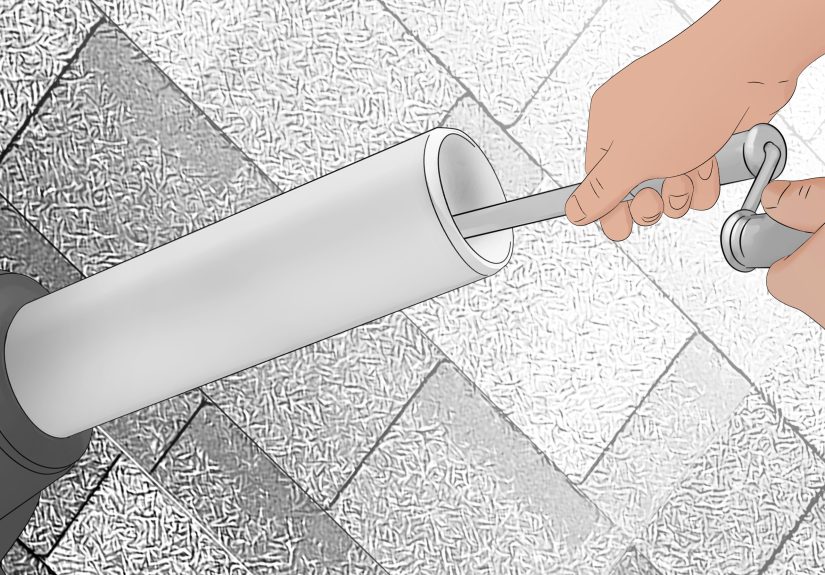
A toilet auger, also called a closet auger, is designed to reach into the toilet trap without scratching porcelain when used correctly. Feed the auger cable into the toilet drain, rotate the handle, and work slowly. The goal is to break up or retrieve the obstruction.
Avoid using a standard metal drain snake directly in the toilet unless you know what you are doing, because it can damage the bowl. Also avoid harsh chemical drain cleaners in toilets. They may fail to clear the clog, sit in the bowl, damage components, and create hazards for anyone who later works on the drain.
Step 4: Check for obvious vent clues, but do not take roof risks
A blocked vent stack can cause toilet bubbling, but clearing it often requires roof access. Homeowners can sometimes spot obvious problems from the ground, such as leaves piled around a low vent or a visible cap issue. However, climbing onto a roof is risky. If the vent may be blocked, call a plumber who can inspect it safely and use the right tools.
Step 5: Call a plumber for main line symptoms
If more than one fixture is affected, plunging does not help, or water backs up into the tub or shower, call a licensed plumber. Professionals can use a cleanout access, sewer machine, hydro jetting equipment, or a video inspection camera to locate and clear the blockage. A camera inspection is especially helpful when tree roots, broken pipe, or recurring clogs are suspected.
Step 6: For septic systems, schedule inspection or pumping
If you have a septic system and toilets bubble along with slow drains, odors, or soggy ground near the drain field, contact a septic professional. A full tank, clogged outlet, failed pump, or saturated drain field needs proper diagnosis. Do not open a septic tank yourself. Septic tanks contain hazardous gases and biological risks.
When Toilet Bubbling Is an Emergency
Some toilet bubbling can wait long enough for careful troubleshooting. Other situations deserve immediate action. Call a plumber or sewer professional quickly if you notice any of the following:
- Sewage backing up into a shower, tub, or floor drain.
- Multiple toilets or drains bubbling at the same time.
- A strong sewer smell inside the home.
- Water rising in the toilet when sinks, showers, or laundry run.
- Repeated bubbling after plunging and augering.
- Wet or smelly areas near a septic tank or drain field.
- Gurgling that starts after heavy rain or neighborhood sewer work.
If sewage has entered the home, avoid direct contact, keep children and pets away, ventilate the area if safe, and clean with proper protective gear. Porous materials may need professional cleanup depending on contamination. This is not the moment for heroic flip-flops and a paper towel.
How to Prevent Toilet Bubbles in the Future
Flush only waste and toilet paper
The toilet is not a trash can with plumbing ambitions. Do not flush wipes, paper towels, feminine hygiene products, cotton balls, dental floss, diapers, hair, grease, food scraps, or small objects. Even wipes labeled “flushable” can contribute to clogs because many do not break apart quickly enough in real plumbing systems.
Use less toilet paper per flush
Heavy toilet paper use can create soft blockages, especially in older pipes or low-flow toilets. If needed, flush twice with smaller amounts rather than once with a paper mountain.
Keep trees away from sewer lines
Tree roots seek water and nutrients, and sewer pipes are basically an underground buffet. If you have mature trees near your sewer line, periodic inspection may help catch root intrusion early.
Maintain your septic system
For septic homes, schedule regular inspections and pumping according to household size, tank size, and water use. Spread laundry loads throughout the week, fix leaking fixtures, and avoid sending grease or harsh chemicals down drains.
Pay attention to slow drains
Slow drains are often the opening act before toilet bubbling. If sinks, tubs, or showers drain slowly, address the issue early. Plumbing problems are cheaper when they are boring.
DIY Fix or Call a Pro?
A bubbling toilet caused by a simple local clog can often be handled with a flange plunger or toilet auger. This is reasonable if only one toilet is affected, there is no sewage odor, and no other fixture is backing up.
Call a professional if the issue affects multiple drains, keeps returning, involves sewer smells, or appears connected to the main sewer line, vent stack, or septic system. Professional plumbers have tools that homeowners usually do not, including cleanout equipment and drain cameras. More importantly, they can tell the difference between a clog you can clear and a pipe problem that needs repair.
Real-Life Examples: What the Bubbles Might Be Telling You
Example 1: The “too much toilet paper” bubble
A homeowner flushes, hears a gurgle, and sees bubbles. The sink and shower are normal. A flange plunger clears the toilet, and the bubbling stops. Likely cause: a partial clog near the toilet trap.
Example 2: The “laundry day disaster” bubble
The toilet bubbles whenever the washing machine drains. Then water appears in the basement floor drain. Likely cause: a main sewer line restriction. This needs professional service before the next laundry load becomes a plumbing documentary.
Example 3: The “after the storm” bubble
After heavy rain, several drains gurgle and the toilet water level rises. Neighbors report similar problems. Likely cause: possible municipal sewer overload or a saturated private line. The homeowner should contact both a plumber and the local sewer department.
Example 4: The “country home” bubble
A rural home with a septic system has bubbling toilets, slow drains, and a wet patch near the drain field. Likely cause: septic system trouble. The right move is a septic inspection, not another hopeful flush.
Extra Homeowner Experience: Lessons from a Bubbling Toilet
Here is the kind of experience many homeowners learn the hard way: a bubbling toilet almost never arrives alone. It usually brings clues. The first clue might be a tiny gurgle after flushing. Then the shower drain starts sounding like it is sipping the last drops of a milkshake. Next, the toilet water level rises slightly before dropping. At first, it is easy to ignore because the toilet still flushes. That is the trap. A plumbing system can partially work right up until the moment it very dramatically does not.
One practical lesson is to pay attention to timing. If the toilet only bubbles after that toilet is flushed, the issue may be close to the fixture. If it bubbles when the shower runs, the washing machine drains, or another toilet flushes, the problem is probably farther down the line. That timing detail can save a plumber time and save you money. Before calling, write down what fixture was used, how long the water ran, whether any drains slowed down, and whether you noticed odors. You do not need to become Sherlock Holmes of the sewer, but a few notes help.
Another lesson is that plunging technique matters. Many people jab at the toilet like they are angry at soup. A better approach is to create a strong seal, start slowly, and use steady pressure. The pullback is as important as the push because suction helps move the blockage. If plunging works, flush once and watch carefully. Do not celebrate with five test flushes in a row. Plumbing victory laps can become floods.
Homeowners also discover that chemical drain cleaners are not magic potions. In toilets, they can sit in the bowl or trap without reaching the actual clog. If someone later uses an auger or removes the toilet, that chemical can splash or create an unsafe mess. Mechanical clearing with a plunger or toilet auger is usually the safer first step for a local clog.
The biggest experience-based tip is to respect multiple-drain symptoms. If the tub gurgles, the toilet bubbles, and the laundry drain smells odd, do not keep running water to “see what happens.” What happens may involve towels, panic, and a deep personal conversation with your homeowner’s insurance deductible. Stop water-heavy activities and call a pro.
Finally, prevention is boring but beautiful. Keep a real toilet plunger in each bathroom. Teach everyone in the home what can and cannot be flushed. Schedule septic service if your home uses a septic system. Ask about a sewer camera inspection if clogs keep coming back. A toilet that flushes quietly is not glamorous, but it is one of life’s underrated luxuries. When it stops being quiet, listen.
Conclusion
A toilet that bubbles when flushed usually means air pressure is being disrupted by a clog, vent problem, sewer line restriction, or septic issue. The exact cause depends on whether one toilet is affected or multiple fixtures are acting up. Start with safe, simple steps: stop repeated flushing, use a flange plunger, and try a toilet auger if the clog seems local. If the bubbling continues, affects other drains, produces sewer odors, or causes backup, call a licensed plumber.
The key is not to ignore the bubbles. Your toilet may not speak English, but bubbling, gurgling, slow draining, and rising water are all part of its emergency vocabulary. Handle the problem early, and you can often avoid a much larger repair billand a bathroom story nobody wants retold at dinner.