Table of Contents >> Show >> Hide
- Why Sexing a Cockatiel Is Not Always Simple
- Way #1: Check Feather Markings, Face Color, and Tail Patterns
- Way #2: Watch Behavior, Whistling, and Courtship Habits
- Way #3: Get a DNA Test or Avian Vet Confirmation
- Signs That Help vs. Signs You Should Ignore
- A Simple Step-by-Step Approach for Owners
- Conclusion
- Common Owner Experiences With Sexing Cockatiels
- SEO Tags
Cockatiels are cute, clever, and just dramatic enough to make you question everything you thought you knew. One day your bird is quietly nibbling millet like a tiny feathered saint. The next day it is whistling at the toaster, strutting across the perch like it booked its own Vegas residency, and making you wonder: is my cockatiel male or female?
If you have ever tried to figure this out by staring at tail feathers like they hold ancient secrets, welcome to the club. The good news is that there are reliable ways to make an educated guess. The less-good news is that cockatiels enjoy making the process more complicated than it looks, especially when they are young or have certain color mutations.
Note: Visual clues work best on adult cockatiels after the first adult molt, especially in normal gray birds. Babies and many color mutations can fool even experienced owners, so DNA sexing through an avian veterinarian is the most dependable way to know for sure.
Why Sexing a Cockatiel Is Not Always Simple
Before we get into the three main ways to tell if a cockatiel is male or female, it helps to know why this question can be surprisingly tricky. Young cockatiels often look like females at first, no matter what they actually are. In many birds, the first adult molt is when the visual differences start to show up. Until then, you are basically trying to solve a mystery with half the clues still in the mail.
Color mutation matters too. A normal gray cockatiel is usually much easier to sex visually than a pied, lutino, pearl, whiteface, or mixed-mutation bird. Some mutations keep enough patterning to help you out. Others throw visual sexing straight into the confetti cannon.
And while the internet loves a dramatic shortcut, not every popular method deserves your trust. For example, “pelvic sexing” or trying to judge sex by feeling the pelvic bones is not a reliable way to tell whether a cockatiel is male or female. In plain English: if somebody tells you to solve the mystery with two fingers and a guess, back away slowly.
Way #1: Check Feather Markings, Face Color, and Tail Patterns
The first and most common way to tell if a cockatiel is male or female is by looking at the bird’s plumage. This works best once the bird has gone through the first adult molt and is old enough to show adult markings.
What to Look for in a Normal Gray Cockatiel
If your cockatiel is a normal gray adult, this method can be fairly helpful. Adult males usually have a brighter yellow face, a more vivid crest, and bold orange cheek patches that look like they were applied by a very confident makeup artist. Their tails are usually more solid underneath.
Adult females, on the other hand, tend to keep barring or striping under the tail and spotting or markings under the wings. Their faces are often duller or more muted than those of adult males, and the cheek patches may look less intense.
So if you gently examine your bird in good natural light and notice under-tail bars, under-wing spots, and a softer face color, you may be looking at a female. If those bars disappear after the first adult molt and the face becomes much brighter yellow, a male becomes more likely.
How Age Changes the Picture
This is where many owners get confused. Juvenile cockatiels often resemble females before the first adult molt. That means a young male may still have tail bars and under-wing markings for a while. If your bird is only a few months old, visual sexing is more “best guess” than “case closed.”
In many cockatiels, the first adult molt happens somewhere around 6 to 12 months of age. Until then, your adorable little bird may be wearing temporary clues that do not tell the full story.
What About Pearls, Lutinos, Whitefaces, and Other Mutations?
This is where things get interesting.
Pearl cockatiels: Males often lose much of their pearling after the first adult molt, while females usually keep it. This can make pearl birds especially revealing over time. If your “pearl baby” grows up and the pearl pattern fades away, that is a strong hint you may have a male.
Lutino cockatiels: These can be harder to sex by face color alone because the whole bird is already light. However, females may still show subtle barring or yellowish spotting under the tail or wings. Sometimes you need bright natural light and a patient eye to see it.
Whiteface cockatiels: Adult males often develop a more striking white face, while females keep a grayer face and may retain tail barring.
Pied cockatiels: Pieds are notorious for making visual sexing unreliable. Their random feather distribution can hide or erase the very clues you want to use. In other words, pied cockatiels are chaos with a crest.
When Feather Clues Are Useful
- Your cockatiel is old enough to have adult plumage.
- Your bird is a normal gray or another mutation with known sex-linked visual clues.
- You can clearly see the underside of the tail and wings in good lighting.
When Feather Clues Are Not Enough
- Your bird is still a juvenile.
- Your cockatiel is pied or a complicated mixed mutation.
- The markings are faint, inconsistent, or hard to interpret.
Way #2: Watch Behavior, Whistling, and Courtship Habits
The second way to tell if a cockatiel is male or female is by paying close attention to behavior. This method is useful, but it is not foolproof. Think of it as a strong clue, not a courtroom verdict.
Common Male Cockatiel Behaviors
Male cockatiels are often more vocal and more likely to whistle elaborate tunes. They may string together whistles, mimic sounds, tap their beaks, throw in a few dramatic poses, and generally behave like they are auditioning for a role titled Most Extra Bird in the Living Room.
Classic male courtship behavior can include:
- Whistling repeatedly and enthusiastically
- Mimicking household sounds or short phrases
- Beak tapping on toys, bowls, or perches
- Strutting back and forth
- “Heart wings,” where the wings are slightly lifted away from the body
- Showing off in front of mirrors or favorite humans
If your cockatiel acts like a tiny cruise-ship entertainer with feathers, that often points toward male.
Common Female Cockatiel Behaviors
Female cockatiels are often described as quieter and less showy. Many communicate with softer contact calls rather than long whistle performances. Some are affectionate and calm; others are fully capable of having opinions, boundaries, and a face that says, “No, you may not touch my snack.” Personality varies a lot.
Possible female tendencies include:
- Less frequent whistling and mimicry
- Softer chirps instead of long serenades
- More interest in dark, enclosed spaces during hormonal periods
- Nesting behaviors such as shredding paper or crouching low with wings slightly out
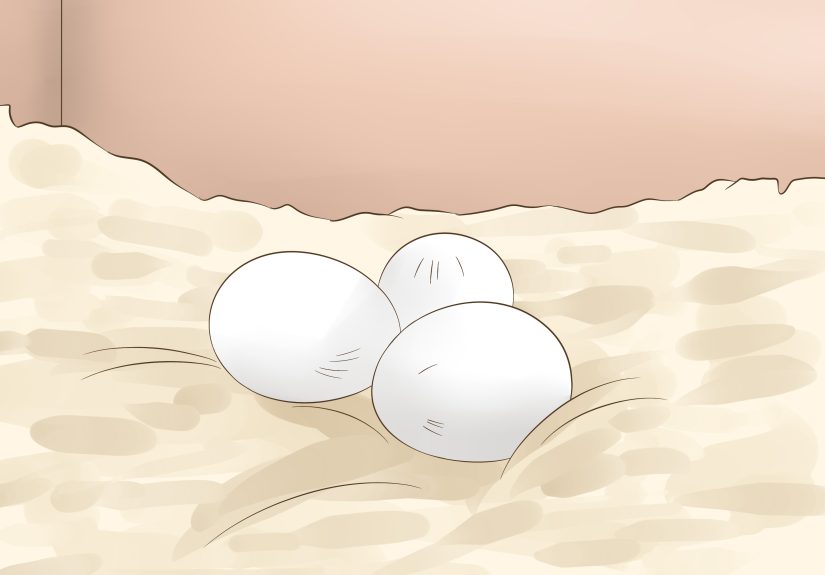
One major female clue is egg-laying. If your cockatiel lays an egg, the mystery is over. Surprise. You have a female. Not the most subtle reveal, but definitely effective.
Why Behavior Alone Can Mislead You
Here is the catch: behavior is not destiny. Some females whistle a lot. Some males are quieter. A confident, playful female can absolutely confuse owners who were expecting a whispery little wallflower. Likewise, a mellow male may not burst into song just because the internet said he would.
Hormones can muddy the water too. A female may become territorial or start exploring nesty corners. A male may suddenly ramp up the vocal performance. If you are only using behavior to sex a cockatiel, you can make a very good guess, but you still might be wrong.
Way #3: Get a DNA Test or Avian Vet Confirmation
If you want the most reliable answer, skip the detective montage and go straight to science. DNA sexing is the best non-surgical way to tell if a cockatiel is male or female, especially when visual clues are weak or behavior is ambiguous.
Why DNA Sexing Is the Best Choice
DNA sexing is especially helpful if your cockatiel:
- Is under a year old
- Has a mutation that makes visual sexing unreliable
- Lives with another bird and you want to avoid accidental breeding
- Has health or reproductive concerns
- Has you changing your answer every three days
An avian veterinarian can guide you on the best way to test. In clinical settings, sex identification in birds is commonly done by DNA testing. Some clinics also use endoscopic or surgical methods in certain cases, but those are more invasive and not usually the first choice when simple sex identification is the goal.
Why Certainty Can Actually Matter
Knowing your cockatiel’s sex is not just about satisfying curiosity or finally naming the bird without second-guessing yourself. It can matter for health and care too. Female cockatiels are known for being prolific egg layers, and chronic laying can lead to problems like calcium depletion and egg binding. If your bird shows reproductive behavior, strains, sits fluffed at the bottom of the cage, or produces frequent eggs, an avian vet should be involved.
Even if your bird is a beloved solo companion, knowing whether you have a male or female can help you make sense of hormonal behavior and avoid accidental triggers. For example, many avian professionals recommend limiting petting to the head and neck area because stroking the body can encourage reproductive behavior in either sex.
Signs That Help vs. Signs You Should Ignore
Helpful Signs
- Adult face color and cheek brightness in normal gray birds
- Under-tail barring and under-wing spots in adult females
- Loss of pearling after the first molt in many male pearl cockatiels
- Frequent whistling, strutting, beak tapping, and mimicry in many males
- Egg-laying in females
- DNA test results from an avian veterinarian
Signs to Treat With Skepticism
- Pelvic bone spacing
- “My breeder said so” when the bird is still very young
- One single behavior viewed in isolation
- Face color in mutations that hide normal sex differences
- A random online chart with way too much confidence
A Simple Step-by-Step Approach for Owners
If you are trying to figure out whether your cockatiel is male or female, here is the smartest order to follow:
- Check your bird’s age. If it has not gone through the first adult molt, wait before trusting visual clues.
- Look under the tail and wings in natural light for bars, spots, or pearls.
- Watch for repeated whistle routines, strutting, or more reserved contact calls.
- Consider the mutation. Normal gray is easiest. Pied is often a troublemaker.
- If you need a clear answer, book DNA sexing through an avian vet.
Conclusion
There are three main ways to tell if a cockatiel is male or female: study the plumage, observe the behavior, and confirm with DNA testing. Feather markings can be very useful, especially in adult normal gray birds. Behavior can offer strong hints, particularly when a bird becomes a full-time whistle machine or develops nesting habits. But if your cockatiel is young, heavily mutated, or impossible to read, DNA testing is the gold standard.
The most important thing to remember is that sexing a cockatiel is not always instant. Sometimes the answer appears after the first adult molt. Sometimes it arrives through repeated serenades to a mirror. And sometimes it shows up in the form of an egg and a very humbled owner.
Either way, patience helps. Good lighting helps. An avian veterinarian helps even more. And no matter what the answer turns out to be, your cockatiel will still be a clever, hilarious little parrot with strong opinions and excellent hair.
Common Owner Experiences With Sexing Cockatiels
One reason this topic stays so popular is that many cockatiel owners go through the exact same cycle. First comes confidence. Then comes confusion. Then comes the dramatic realization that the bird has been keeping secrets.
A very common experience starts with a young bird from a breeder or pet store. The owner is told, “I’m pretty sure this one is a male,” usually because the baby is active, vocal, or simply because somebody took a guess with a straight face. The owner brings the bird home, picks a name, tells the family the mystery is solved, and then waits. A few months later, the bird finishes the first adult molt and still has bars under the tail. Suddenly the “definitely male” bird starts looking suspiciously female. That is the moment many owners learn the hard way that juvenile cockatiels are masters of disguise.
Another frequent story involves pearl cockatiels. An owner falls in love with the gorgeous pearl pattern, assumes the bird will always look that way, and then notices the markings fading after the molt. Cue panic, confusion, and a deep dive into bird forums at 1:00 a.m. In many cases, that fading pattern points to a male. Female pearls usually keep the pattern, while many males lose much of it. So yes, sometimes the answer does not show up as a dramatic new feature. Sometimes it disappears feather by feather.
Lutinos create a different kind of headache. Owners often expect the face color to tell the whole story, but on a light-colored bird, that clue is not always useful. What usually happens instead is a flashlight session worthy of a tiny bird crime show. People hold the tail up to the window, tilt the wings toward the sun, and search for faint barring or yellow spots. If that sounds overly intense, welcome to cockatiel ownership.
Behavior-based guesses also produce memorable plot twists. Many owners assume a vocal bird has to be male, especially if it whistles songs, taps the cage, and shows off whenever someone walks into the room. That is often a solid clue, but not a guarantee. Every now and then, the noisy, dramatic, spotlight-loving bird turns out to be female. Conversely, some calm and quiet birds that seem “obviously female” eventually molt into bright-faced males. Cockatiels enjoy humbling human certainty on a regular basis.
Then there is the experience nobody forgets: the surprise egg. Plenty of owners spend months debating, comparing photos, and consulting charts, only to have the bird settle the question with one undeniable biological announcement. It is not exactly subtle, but it is effective. For many people, that moment also becomes a crash course in female cockatiel health, calcium support, and how important it is to avoid accidentally encouraging chronic hormonal behavior.
The biggest lesson from real-life cockatiel stories is simple: clues are helpful, but patience matters. The best owners usually combine age, plumage, behavior, and veterinary guidance instead of falling in love with one single sign. That approach is less dramatic, but far more accurate. And in the world of cockatiels, accurate is good, because the birds already supply more than enough drama on their own.