Table of Contents >> Show >> Hide
- What Is a Bluebottle Sting?
- Common Signs of a Bluebottle Sting
- Symptoms That May Mean a More Serious Reaction
- What To Do Right Away
- What Not To Do
- When To Get Medical Help Fast
- How Long Does a Bluebottle Sting Last?
- Can a Bluebottle Sting Leave a Mark?
- How Doctors May Treat a More Serious Sting
- How To Prevent Bluebottle Stings
- Common Experiences People Report After a Bluebottle Sting
- Final Takeaway
A perfect beach day can turn dramatic in about two seconds. One minute you are minding your business, floating like a happy sea otter. The next, your leg feels like it got smacked with a fiery electric jump rope. That is the classic energy of a bluebottle sting.
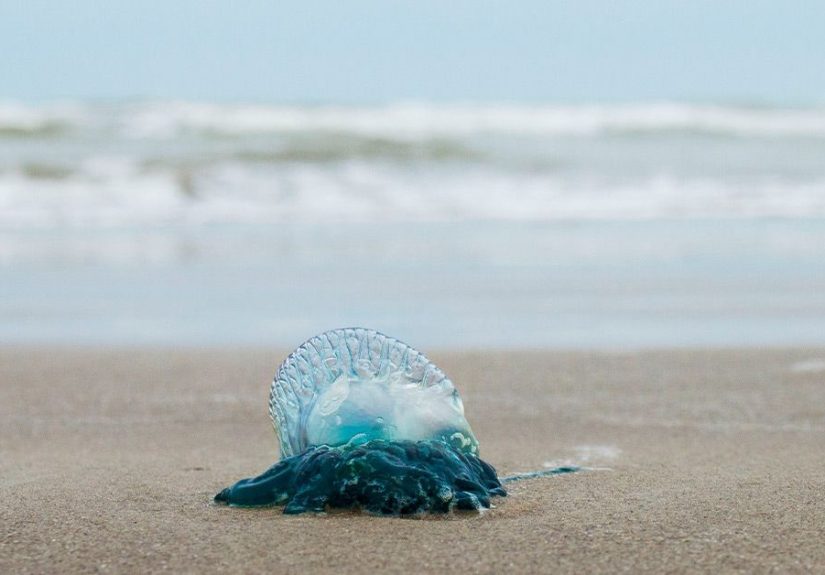
Bluebottles are jellyfish-like marine animals from the Physalia group. In many places, people use “bluebottle” to describe a creature that is closely related to the Portuguese man-of-war. In the United States, first-aid advice for bluebottle stings usually overlaps with guidance for Portuguese man-of-war and other jellyfish-type stings. The biggest takeaway is simple: most stings are painful and scary-looking, but many improve with prompt first aid. The trick is knowing which symptoms are normal, which ones are not, and what to do without making things worse.
This guide breaks down the common signs of bluebottle stings, the symptoms that mean “handle it at home,” the symptoms that mean “get help now,” and the beachside mistakes you definitely do not want to make.
What Is a Bluebottle Sting?
A bluebottle sting happens when tentacles brush against your skin and release venom through thousands of microscopic stinging cells. You do not need to grab the creature for this to happen. Swimming through drifting tentacles is enough. Even washed-up or seemingly dead animals can still sting, which is a rude reminder that the ocean does not care about your vacation plans.
Most stings happen while swimming, wading, surfing, or stepping near a stranded bluebottle along the shoreline. Children can be hit harder than adults because they have smaller bodies and sometimes more skin exposed relative to their size.
Common Signs of a Bluebottle Sting
1. Sudden sharp, burning pain
The pain is usually immediate. Many people describe it as stinging, burning, prickling, or throbbing. It can feel like a hot wire dragged across the skin. The pain may stay in one spot or travel up an arm or leg.
2. Red, raised, whip-like skin marks
This is one of the most recognizable signs. Bluebottle stings often leave long, linear welts or tracks that mirror where the tentacle touched the body. The marks may look red, pink, purple, or darker than the surrounding skin. They can appear neat and stripe-like, almost as if the ocean tried to autograph you.
3. Swelling and tenderness
The area may puff up and become sore to the touch. Mild swelling is common. More significant swelling can happen if the sting covers a large area or if your body reacts more strongly to the venom.
4. Itching after the initial sting
After the first blast of pain, itching often moves in like an annoying sequel nobody asked for. Some people mainly feel burning at first and itching later. Others get both at once.
5. Hives or a blotchy rash
Some stings trigger hives near the site. In stronger reactions, a rash can spread beyond the exact contact line. Blistering is less common but can happen in more severe skin reactions.
6. Pain that radiates up the limb
If the sting wraps around an ankle, calf, wrist, or forearm, the pain may seem to climb. This does not automatically mean something is dangerously wrong, but it does mean the sting got your attention in a very personal way.
Symptoms That May Mean a More Serious Reaction
Most bluebottle stings stay local, meaning the main problem is skin pain and irritation. But sometimes the body reacts more dramatically. Warning signs include:
- Nausea or vomiting
- Headache
- Dizziness, weakness, or faintness
- Muscle cramps or spasms
- Trouble breathing
- Chest tightness
- Confusion or unusual drowsiness
- Widespread hives or swelling beyond the sting area
- Severe pain that does not ease
If the sting is on the face or neck, or if the person has a history of severe allergic reactions, take the situation more seriously from the start. A marine sting plus breathing trouble is not a “let’s wait and see” moment.
What To Do Right Away
Step 1: Get out of the water
The first danger is not always the venom. Sometimes it is panic, loss of coordination, or pain while still in the surf. Help the person out of the water and into a safe spot. Sit them down. Encourage slow breathing. Ocean drama is bad enough without adding drowning to the plot.
Step 2: Do not rub the area
Rubbing can trigger more stinging cells to fire. So can scrubbing with a towel, grinding sand into the area, or giving the sting a vigorous “I’ll fix this myself” massage. Please do none of those things.
Step 3: Rinse with seawater, not fresh water
If you are at the beach, rinse the area gently with seawater. Fresh water can cause more unfired stinging cells to release venom. Yes, this is one of those rare moments when ocean water is the better choice.
Step 4: Remove tentacles carefully
Use tweezers if available. If not, use gloved hands, a towel, a plastic bag over your hand, or a blunt object. The goal is to lift off visible tentacle material without pressing it into the skin. Avoid bare-hand contact unless you want your fingers to join the complaint list.
Step 5: Use hot water for pain relief
After tentacles are removed, immerse the area in hot water or use a hot shower if practical. The water should be hot but not scalding. A general safe range often recommended is around 110 to 113 degrees Fahrenheit, and many first-aid sources suggest using heat for 20 to 45 minutes, or until the pain improves. If hot water is not available, a warm compress or covered heat pack can help.
Step 6: Consider simple symptom relief
After the immediate first aid, some people find relief from hydrocortisone cream, calamine lotion, or an oral antihistamine for itch. These can be helpful for mild lingering symptoms, but they do not replace emergency care if the reaction is severe.
Step 7: Watch the person for worsening symptoms
Monitor breathing, alertness, swelling, and pain. If the person starts to feel faint, has trouble breathing, or seems to be getting sicker instead of better, seek urgent medical care.
What Not To Do
- Do not use fresh water first. It can worsen the sting.
- Do not rub the area. That can fire more stinging cells.
- Do not urinate on it. Beach myths belong in comedy, not first aid.
- Do not handle tentacles with bare hands if you can avoid it.
- Do not assume vinegar is always the right answer. Some jellyfish stings are treated with vinegar, but North American guidance is mixed, and several U.S. medical sources caution against vinegar for Portuguese man-of-war-type stings.
- Do not ignore a sting on the face, mouth, or neck.
That vinegar point matters. The internet loves a universal fix. The ocean does not. Different marine species behave differently, so treatment advice can vary by animal and region.
When To Get Medical Help Fast
Call emergency services or get urgent care right away if any of these happen:
- Trouble breathing or wheezing
- Signs of shock, such as pale skin, clamminess, weakness, or confusion
- Severe pain that is not improving
- A sting on the face, eye, mouth, or neck
- Extensive swelling or widespread hives
- Vomiting, fainting, chest symptoms, or muscle spasms
- The person was stung by an unknown marine animal
- The injured person is a small child, older adult, or someone with a history of strong allergic reactions
It is also smart to contact a healthcare professional if the skin starts looking infected later on. Increasing redness, warmth, drainage, fever, or worsening pain after the first day or two is not the usual healing pattern.
How Long Does a Bluebottle Sting Last?
The intense pain often improves within hours, especially with prompt heat treatment. But the skin marks may linger for days, and itching can stick around for a week or more. In some cases, visible lines or discoloration can last several weeks. Your body may recover on a slower schedule than your beach photo album.
If the sting site continues to itch badly, stays inflamed, or seems to keep “flaring” after it should be settling down, a clinician can check for a delayed skin reaction.
Can a Bluebottle Sting Leave a Mark?
Yes. Bluebottle stings can leave temporary lines, patches of darker or lighter skin, or lingering redness. More severe stings can sometimes blister or scar. The risk of longer-lasting marks is higher if the sting is extensive, if the skin gets infected, or if the area is heavily scratched.
Good wound care matters. Keep the area clean, avoid friction, and do not pick at healing skin. Your future self will appreciate the restraint.
How Doctors May Treat a More Serious Sting
Medical treatment depends on the symptoms. A clinician may focus on pain control, breathing support, allergic reaction treatment, skin care, or monitoring for complications. Some patients need antihistamines, stronger pain medication, or evaluation for infection or a severe systemic response.
If the sting happened in a region where dangerous jellyfish are known to appear, the clinical team may tailor treatment to the suspected species. That is one reason it helps to tell beach staff, lifeguards, or medical personnel exactly where the sting happened and what the animal looked like, if you saw it.
How To Prevent Bluebottle Stings
- Check beach warnings, flags, and lifeguard notices before getting in the water.
- Avoid swimming when bluebottles or Portuguese man-of-war are visible onshore or offshore.
- Do not touch stranded specimens, even if they look dead.
- Wear protective swim clothing or a rash guard in areas known for stings.
- Teach kids not to poke mysterious beach blobs with heroic curiosity.
- If you surf or swim often, keep a simple first-aid kit nearby with gloves, tweezers, and access to hot water.
Common Experiences People Report After a Bluebottle Sting
To make the signs more real, it helps to understand how these stings commonly play out in everyday beach situations. The experiences below are composite examples based on well-known symptom patterns and first-aid advice.
The “I Thought It Was Seaweed” Moment
A swimmer feels something brush their calf and assumes it is seaweed. Two seconds later, the skin starts burning hard enough to stop them mid-stroke. By the time they get to shore, there is a red, rope-like line curling around the leg. The pain is sharp, hot, and weirdly intense for such a skinny-looking mark. Once the area is rinsed with seawater and the tentacles are carefully removed, the person still feels stinging for a while, but hot water begins to take the edge off. This is one of the most classic bluebottle sting stories: immediate pain, visible tentacle tracks, and a fast lesson in marine biology.
The Surfer Who Keeps Going for Five Minutes Too Long
Another common experience is the stubborn surfer or boogie boarder who gets tagged, winces, and decides to stay in the water. Bad idea. Pain can ramp up quickly, and staying in the surf increases the risk of panic, poor balance, or a second sting. Many people say the worst part is that the pain feels out of proportion to the size of the injury. It can radiate up the arm or leg and make simple movement feel dramatic. Once back on land, people often notice swelling and tenderness they did not fully appreciate in the water.
The Child With Bigger Feelings and a Bigger Reaction
Parents often describe a child’s bluebottle sting as equal parts pain, fear, and confusion. The child may cry immediately, point to a bright red line on the skin, and say it burns or “keeps zapping.” Kids may also be more likely to rub the area, which can make things worse. The best responses are calm, quick, and practical: get out of the water, rinse with seawater, remove tentacles carefully, use heat, and watch for symptoms beyond the skin. Parents usually remember how dramatic the sting looked, but also how much better it got once the right first aid started.
The Sting That Itches After the Drama Ends
Some people say the sharp pain fades, only to be replaced by a sneaky, persistent itch later in the day. The skin may stay raised, blotchy, or extra sensitive under clothing. A person can feel “basically fine,” yet the sting line keeps reminding them it exists every time fabric brushes against it. This delayed annoyance is common and does not necessarily mean something dangerous is happening. It is one reason people reach for soothing creams or antihistamines after the first-aid stage is over.
The Rare Case That Feels Bigger Than a Skin Problem
Then there are the experiences that move beyond the skin. Someone may start to feel nauseated, weak, dizzy, or unusually shaky. A person with a sting on the neck or face may understandably panic. These are the situations where beachgoers later say, “At first I thought it was only a sting, but then I realized this was turning into a whole-body problem.” That instinct matters. When symptoms spread beyond the sting site, getting medical help quickly is the right move.
The overall pattern across these experiences is reassuring: most people recover well when they use smart first aid early. The pain may be memorable, the story may become dinner-table material, and the welt may look impressively dramatic for a while, but prompt care usually changes the whole trajectory.
Final Takeaway
The most common signs of a bluebottle sting are sudden burning pain, red or purple whip-like marks, swelling, and itching. Most stings are miserable rather than dangerous, but a sting can become serious if symptoms spread beyond the skin. The best immediate response is to get out of the water, avoid rubbing, rinse with seawater, remove tentacles carefully, and use hot but not scalding water for pain relief.
And perhaps the most important beach lesson of all: if someone confidently suggests peeing on the sting, that person should lose first-aid privileges for the day.