Table of Contents >> Show >> Hide
- What Are Kidney Beans, Exactly?
- Kidney Beans Nutrition Facts
- Health Benefits of Kidney Beans
- Potential Downsides (Because Even Beans Have a Plot Twist)
- How to Cook Kidney Beans Safely (This Part Is Non-Negotiable)
- Easy (Actually Easy) Ways to Eat More Kidney Beans
- FAQ: Quick Answers About Kidney Beans
- Conclusion: The Bean That Earns Its Spot in Your Pantry
- Real-Life Experiences: What It’s Like Adding Kidney Beans to Your Routine (500+ Words)
Kidney beans: the little burgundy workhorses of chili, rice bowls, salads, and “I swear this is healthy comfort food.”
They’re affordable, filling, and shockingly good at making a meal feel like a mealwithout requiring a culinary degree.
But they’re also a bit misunderstood (yes, I’m looking at you, “beans are just carbs” crowd).
In this guide, we’ll break down kidney bean nutrition facts, the evidence-backed health benefits, and the only truly
dramatic twist in the bean universe: you must cook dry kidney beans correctly. (More on that in the safety section,
because nobody wants “bean regret.”)
What Are Kidney Beans, Exactly?
Kidney beans are a type of legume (the bean family that also includes black beans, chickpeas, lentils, and peanuts).
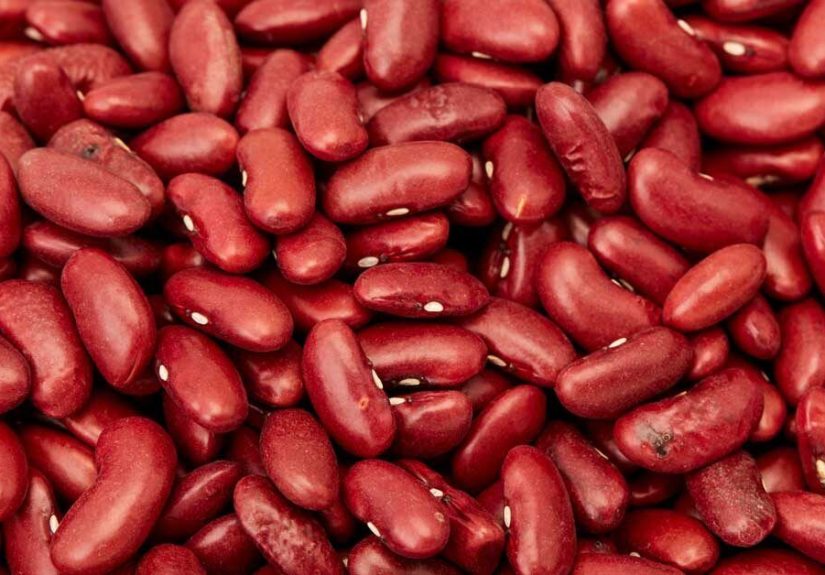
The most common type you’ll see in U.S. kitchens is the red kidney bean, named for its kidney-like shape and deep red color.
They show up in classics like chili, red beans and rice, minestrone, and meal-prep saladsbasically anywhere food needs a
hearty, satisfying backbone.
Kidney Beans vs. Other Beans
- Texture: Kidney beans are firm and “meaty,” which helps them hold up in soups and slow-simmered dishes.
- Flavor: Mild and earthymore “team player” than “spotlight hog.”
- Nutrition vibe: Similar to many beans: fiber-forward, plant-protein rich, naturally low in fat.
Kidney Beans Nutrition Facts
Beans can be confusing because the numbers shift depending on whether they’re dry vs. cooked,
canned vs. home-cooked, and how much liquid is involved. So here’s a practical, real-life serving:
½ cup cooked kidney beans (about what you might scoop onto a salad or into a burrito bowl).
Typical Nutrition for ½ Cup Cooked Kidney Beans (No Added Fat)
| Nutrient | Approximate Amount | Why It Matters |
|---|---|---|
| Calories | ~110–115 | Energy without a ton of saturated fat |
| Protein | ~7–8 g | Plant-based protein that helps with fullness |
| Carbohydrates | ~20 g | Mostly complex carbs (not the “instant spike” kind) |
| Fiber | ~6–7 g | Supports digestion, heart health, and steadier blood sugar |
| Fat | <1 g | Naturally low fat; cooking method matters more than the bean |
Translation: kidney beans are a fiber + protein powerhouse. That combo is one reason beans tend to be so satisfying
they help you stay full longer than many refined carbs.
Micronutrients You Actually Want to Know About
Kidney beans don’t just bring macros. They also contribute meaningful amounts of vitamins and minerals that many people
under-consume.
- Folate (Vitamin B9): Supports DNA production and cell divisionespecially important during periods of growth and pregnancy.
- Iron: Helps carry oxygen in the blood. Plant iron isn’t absorbed as easily as animal iron, but it still counts.
- Potassium & magnesium: Support muscle function, fluid balance, and healthy blood pressure patterns.
- Zinc: Plays a role in immune function and wound healing.
Quick tip: Pair kidney beans with a vitamin C source (think bell peppers, tomatoes, citrus, strawberries) to help your body
absorb more of the plant-based iron.
Health Benefits of Kidney Beans
1) Gut Health: Fiber That Actually Does Something
If your digestive system could write a love letter, it would be addressed to fiber. Kidney beans provide a solid dose of
both soluble and insoluble fiber. Soluble fiber forms a gel-like substance that slows digestion, while insoluble fiber
adds bulk to stool and helps keep things moving.
Beyond “regularity,” fiber supports a healthier gut microbiome (your friendly neighborhood bacteria), which is linked to
everything from metabolic health to immune function. The key is consistencyyour gut thrives on routine, not random acts of salad.
2) Heart Health: A Bean Is Not a Bacon Strip (and That’s a Win)
Kidney beans are naturally low in saturated fat and contain no dietary cholesterol. They also deliver minerals and fiber that
support heart-healthy eating patterns. Replacing some higher-saturated-fat proteins with beans can be a practical move for
heart healthespecially if you season them in a way that doesn’t involve turning your meal into a salt lick.
Another bonus: fiberparticularly soluble fibercan support healthier cholesterol levels as part of an overall balanced diet.
So yes, beans can absolutely belong in a heart-smart plate.
3) Blood Sugar Support: A “Carb” That Doesn’t Act Like One
Kidney beans contain carbohydrates, but they’re packaged with fiber and protein, which slows digestion and helps reduce the
speed of glucose absorption. That’s one reason beans are often featured in diabetes-friendly eating guidance.
If you’re building meals for steadier energy, kidney beans are a smart swap for refined carbs. Think:
white rice → a smaller portion + kidney beans; plain pasta → pasta + kidney beans + veggies; chips → bean-based snack plate.
Same satisfaction, fewer spikes and crashes.
4) Weight Management: Fullness Without the Food Coma
The fiber-protein combo in kidney beans tends to increase satiety (that “I’m good, thanks” feeling).
That can help with portion control without relying on sheer willpowerbecause willpower is great, but dinner happens every day.
Beans are also relatively energy-dilute compared with many ultra-processed foodsmeaning you can eat a satisfying volume
without an extreme calorie load. Add vegetables, lean protein (or more legumes), and a flavorful sauce, and you’ve got a meal
that feels abundant.
5) Plant-Based Protein: Helpful for Flexitarians and Meat Lovers Alike
You don’t have to go fully plant-based to benefit from plant-based protein. Kidney beans can:
- stretch expensive proteins (hello, budget-friendly chili)
- add texture to salads and grain bowls
- support muscle maintenance when combined with other protein sources
For a more complete amino acid profile, pair beans with grains (like rice, quinoa, or corn tortillas) across the day.
You don’t have to combine them in the same bitebut you can if you want to, because burritos exist.
Potential Downsides (Because Even Beans Have a Plot Twist)
Gas and Bloating: Normal, Fixable, and Not a Moral Failing
Beans contain natural carbohydrates (like raffinose and stachyose) that some people digest poorly. Gut bacteria ferment them,
and gas can happen. The solution isn’t “never eat beans again,” unless you truly want to live a life without chili.
- Start small: Add a few tablespoons per day, then increase gradually.
- Rinse canned beans: It can reduce some gas-forming compounds and sodium.
- Cook from dry and soak well: Soaking and draining helps.
Anti-Nutrients: Real, Overhyped, Mostly Handled by Cooking
Like many plant foods, kidney beans contain compounds (such as phytates and lectins) sometimes labeled “anti-nutrients.”
In normal diets, they’re rarely a big issueespecially when beans are properly soaked and cooked. For most people, the benefits
of fiber and micronutrients outweigh the concerns.
Special Considerations: Kidney Disease and Potassium/Phosphorus
Kidney beans contain potassium and phosphorusnutrients that may need to be limited in certain stages of chronic kidney disease.
If you have CKD or are on dialysis, it’s worth checking your individualized plan with a clinician or renal dietitian rather than
taking generalized advice from the internet (even this charming corner of it).
How to Cook Kidney Beans Safely (This Part Is Non-Negotiable)
Dry kidney beans naturally contain a lectin called phytohaemagglutinin (PHA). If kidney beans are undercooked,
PHA can cause intense gastrointestinal symptoms (think vomiting, diarrhea, and abdominal pain). The good news:
proper soaking and boiling dramatically reduces this risk.
Safe Method for Dry Kidney Beans
- Sort and rinse: Remove debris or damaged beans.
- Soak: Soak in water for at least 5 hours (overnight is fine).
- Drain and rinse: Pour off soaking water and rinse the beans.
- Boil: Boil in fresh water for at least 30 minutes at a full boil.
- Then simmer: Continue cooking until tender (time varies by age of beans).
Slow Cooker Warning
A slow cooker may not reach a high enough temperature quickly enough to deactivate PHA if you put dry beans straight into it.
If you want slow-cooker kidney beans, boil them first, then transfer to the slow cooker to finish the recipe.
(Canned kidney beans are already cooked and are generally safe to add directly.)
Canned Kidney Beans: Convenient and Legit
Canned kidney beans are pre-cooked. If sodium is a concern, choose low-sodium or no-salt-added versions and rinse them well.
You keep most of the nutrition while reducing the extra salt that sneaks in like an uninvited houseguest.
Easy (Actually Easy) Ways to Eat More Kidney Beans
Weeknight Moves
- Chili upgrade: Replace some ground meat with kidney beans, or go half-and-half.
- Taco filling: Mash kidney beans with spices for a quick plant-based filling.
- Salad booster: Toss into greens with tomatoes, corn, avocado, and lime.
- Soup shortcut: Add to vegetable soup for more protein and fiber.
- Rice bowl: Beans + rice + sautéed veggies + salsa = dinner that feels like you tried.
Flavor Tips (Because Plain Beans Are a Cry for Help)
- Use aromatics: onion, garlic, celery, bell peppers.
- Try spices: cumin, smoked paprika, chili powder, oregano.
- Add acidity at the end: lime juice, vinegar, tomatoes (helps brighten flavor).
- Go for herbs: cilantro, parsley, green onions.
FAQ: Quick Answers About Kidney Beans
Are kidney beans good for weight loss?
They can support weight goals because they’re filling (fiber + protein) and work well in high-volume meals with vegetables.
The bigger story is the overall pattern: beans help you build meals that are satisfying without relying on ultra-processed foods.
Are kidney beans good for diabetes?
Beans are often recommended in diabetes-friendly eating patterns because their fiber and protein can support steadier blood sugar.
Portion size and total carbs still matter, but kidney beans are typically a strong option compared with refined carbs.
Do kidney beans have “complete” protein?
Like most legumes, kidney beans are not a “complete” protein on their own in the same way animal foods are. But pairing beans
with grains and other plant proteins across the day helps cover your amino acid needs.
Conclusion: The Bean That Earns Its Spot in Your Pantry
Kidney beans deliver a lot for a small price: fiber for gut health, plant-based protein for fullness, and a solid lineup of
micronutrients like folate, iron, potassium, magnesium, and zinc. They can support heart-healthy and blood-sugar-friendly eating
patterns, and they’re endlessly adaptablefrom chili to salads to rice bowls.
The one rule: cook dry kidney beans correctly. Soak, drain, and boil. After that, you’re free to enjoy the many joys
of bean lifepreferably with garlic and a squeeze of lime.
Real-Life Experiences: What It’s Like Adding Kidney Beans to Your Routine (500+ Words)
When people start eating kidney beans more regularly, the first “experience” is often surprisingly practical: meals feel
finished. A salad stops feeling like a side quest and starts acting like lunch. A bowl of soup becomes dinner-worthy.
That’s the fiber-and-protein effect in actionbeans add substance without needing a lot of extra calories or saturated fat.
A common early win is steadier energy. Many folks notice that swapping part of a refined-carb base (like a big mound of
white rice or a giant tortilla-only burrito) for a mix of kidney beans plus veggies helps reduce that sleepy, post-meal crash.
The meal digests more slowly, which often means fewer “I need a snack immediately” moments an hour later. It’s not magicit’s
just what happens when carbs show up with fiber as their chaperone.
Another frequent experience: your grocery bill chills out. Beans are one of the most budget-friendly proteins in the
store. People who meal-prep often discover that a pot of beans (or a few cans) can stretch multiple meals: chili one night,
a bean-and-corn salad the next day, and a quick taco mash on day three. Kidney beans are also forgivingif you forget them in a
simmering pot for a little longer than planned, they don’t instantly turn into a culinary tragedy. They mostly just get softer,
which is convenient if you like thicker stews.
Now for the real talk: the “bean adjustment period”. If someone goes from low-fiber eating to “beans every day,” the gut
can react like, “Hellowho invited this much fermentable fiber?” Mild bloating or extra gas is a common beginner phase. The
best experiences happen when people ramp up slowly: start with a quarter-cup portion, rinse canned beans well, and increase
over a couple of weeks. Hydration helps, too. Many people report that once their body adapts, digestion becomes more comfortable
and regular overall. In other words, the gut often learns to love what it initially side-eyed.
There’s also a flavor-learning curve. Kidney beans on their own are mildsome might say “polite.” People tend to enjoy them most
when they’re seasoned with purpose: sautéed onion and garlic, cumin and chili powder, or a tomato-based sauce with smoked paprika.
A lot of home cooks report that the moment beans “click” is when they stop treating them like a bland side and start treating them
like a main ingredient that deserves bold seasoning. Add a splash of acid (lime juice or vinegar) at the end and suddenly the same
beans taste like they came from a restaurant bowl menu with a two-word name like “Harvest Fiesta.”
Finally, many people notice kidney beans help them build meals that feel satisfying without being heavy. A bean-and-veggie
bowl can be filling but still leave you feeling capable of doing your life afterwardwalking, working, existingrather than needing
to lie down and contemplate your choices. That’s the sweet spot: food that comforts you, fuels you, and doesn’t demand a nap as tribute.