Table of Contents >> Show >> Hide
- Introduction: When a Tiny Tummy Causes a Big Panic
- How to Treat Diarrhea in Hamsters: 8 Steps
- Step 1: Confirm That It Is Diarrhea, Not Normal Messiness
- Step 2: Treat Wet Tail as an Emergency
- Step 3: Remove Fresh Produce and Offer a Simple Dry Diet
- Step 4: Keep Fresh Water Available and Watch for Dehydration
- Step 5: Clean the Cage Without Creating More Stress
- Step 6: Keep Your Hamster Warm, Quiet, and Calm
- Step 7: Follow the Vet’s Treatment Plan Exactly
- Step 8: Monitor Recovery and Prevent Another Episode
- Common Causes of Diarrhea in Hamsters
- What Not to Do When Your Hamster Has Diarrhea
- When to Call a Vet Immediately
- Real Owner Experiences: What Hamster Diarrhea Teaches You Fast
- Conclusion: Fast, Calm Care Gives Your Hamster the Best Chance
Note: This article is for educational pet-care guidance only. Diarrhea in hamsters can become dangerous very quickly, especially when it is related to “wet tail.” Always contact an exotic-pet veterinarian if your hamster has diarrhea, seems weak, stops eating, or has a wet, dirty rear end.
Introduction: When a Tiny Tummy Causes a Big Panic
Hamsters are small, speedy, snack-hoarding professionals. One minute they are stuffing bedding into a corner like tiny interior designers, and the next you may notice something alarming: loose stool, wet fur around the tail, a bad smell, or a hamster that suddenly looks tired and hunched. If you are searching for how to treat diarrhea in hamsters, the first thing to know is this: diarrhea is not a “wait and see for a week” situation.
Because hamsters are so small, they can become dehydrated fast. What looks like a minor messy-bottom problem can turn serious in hours, especially in young Syrian hamsters, newly purchased hamsters, or pets under stress. Diarrhea may be caused by diet changes, too many watery fruits or vegetables, spoiled food, parasites, bacterial infections, stress, or the life-threatening condition commonly called wet tail.
The good news? Quick action helps. The not-so-good news? The best treatment often requires a veterinarian, fluids, and sometimes prescription medication. Your job at home is to stabilize your hamster, reduce stress, keep things clean, and avoid well-meaning mistakes that can make the problem worse. Let’s walk through the eight practical steps.
How to Treat Diarrhea in Hamsters: 8 Steps
Step 1: Confirm That It Is Diarrhea, Not Normal Messiness
Hamsters are not exactly known for spotless housekeeping. They hoard food, dig tunnels, pee in favorite corners, and sometimes sit in places no reasonable creature should sit. Before panicking, look closely at what is happening.
Normal hamster droppings are small, firm, dark pellets. Diarrhea looks soft, watery, smeared, pale, mucus-like, or unusually foul-smelling. You may also notice wet or matted fur around the tail and belly. In serious cases, the hamster may have a hunched posture, dull eyes, low energy, loss of appetite, weight loss, shaking, or reluctance to move.
If your hamster simply has a damp rear after sitting in a wet corner, clean the habitat and observe closely. But if the stool itself is loose or the tail area stays wet, treat it as a health concern. In hamsters, the phrase “small pet” should never be confused with “small problem.”
Step 2: Treat Wet Tail as an Emergency
Wet tail in hamsters is a serious condition involving diarrhea, dehydration, and intestinal illness. It is most often discussed in young Syrian hamsters, especially those around weaning age or recently moved to a new home. Stress, crowded conditions, transport, diet changes, and infection can all play a role.
Signs that may point to wet tail include a wet, dirty tail area, watery diarrhea, a strong odor, lethargy, poor appetite, sunken eyes, a hunched back, irritability, and a generally “I feel awful, please cancel my wheel workout” appearance. If you see these signs, call an exotic-pet veterinarian immediately.
Do not try to solve suspected wet tail with random home remedies, leftover antibiotics, human anti-diarrhea medicine, or internet mystery drops. Hamsters can react badly to inappropriate medications, and delaying proper care can be fatal. Veterinary treatment may include fluid therapy, antibiotics chosen for hamsters, supportive feeding, probiotics, warmth, and monitoring.
Step 3: Remove Fresh Produce and Offer a Simple Dry Diet
If your hamster is bright, active, eating, drinking, and has mild loose stool after eating watery foods, diet may be part of the problem. Too much lettuce, cucumber, apple, melon, or other juicy produce can upset a hamster’s digestive system. Spoiled food hidden in bedding can also cause trouble. Hamsters are expert food smugglers, and sometimes their secret pantry becomes a tiny biological crime scene.
Temporarily remove fresh fruits, vegetables, sugary treats, dairy, seeds in excess, and anything new that was recently added. Offer the normal high-quality hamster pellet or lab block diet. Fresh grass hay can be available if your hamster is used to it, but do not introduce a dozen new foods while the digestive system is already irritated.
Keep the diet boring for the moment. Boring is beautiful when a hamster has diarrhea. Once stools return to normal and your vet approves, reintroduce fresh foods slowly and in tiny amounts. A hamster does not need a salad bar. A pea-sized treat is often plenty.
Step 4: Keep Fresh Water Available and Watch for Dehydration
Diarrhea causes fluid loss, and dehydration is one of the biggest dangers for sick hamsters. Make sure your hamster has constant access to clean water. Check that the water bottle is working by tapping the metal tip and confirming water comes out. If you use a bowl, make sure it is shallow, clean, and placed where bedding will not instantly turn it into soup.
Signs of dehydration may include sunken or dull eyes, weakness, slow movement, tacky gums, coldness, and reduced urination. A dehydrated hamster needs veterinary care quickly. Your vet may provide fluids under the skin or by another safe method. Do not force large amounts of water into your hamster’s mouth. A weak hamster can aspirate fluid, which means liquid may enter the airway. That is the opposite of helpful.
If your vet tells you to offer oral fluids or a recovery food, follow the exact instructions. Use small amounts, go slowly, and stop if your hamster struggles, coughs, or seems worse.
Step 5: Clean the Cage Without Creating More Stress
A dirty habitat can worsen diarrhea and spread infectious organisms. At the same time, a total cage makeover can stress a sick hamster. The goal is clean, dry, and calm.
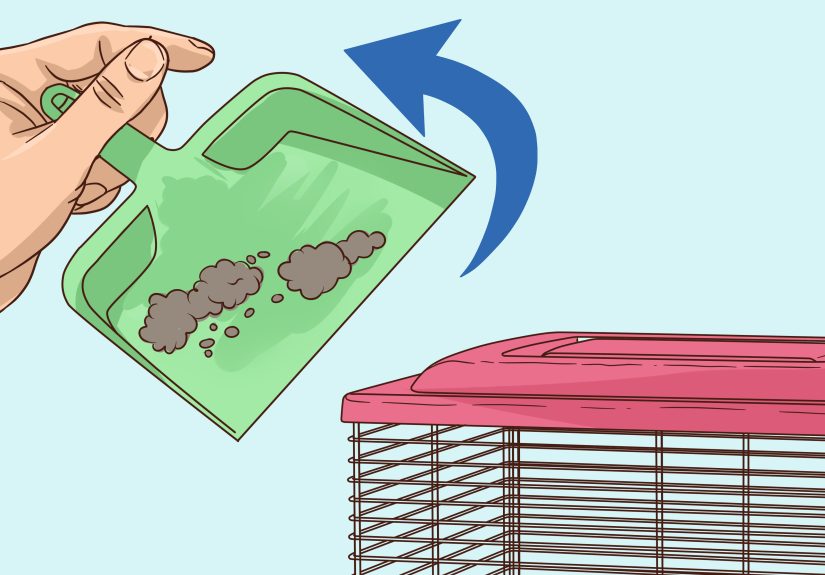
Put your hamster in a secure temporary carrier with familiar bedding while you clean. Remove wet bedding, soiled nesting material, spoiled food, and dirty toys. Wash food dishes, water bottles, hides, and hard surfaces with warm, soapy water. Rinse thoroughly and dry completely. Replace bedding with clean, dust-free bedding. Avoid scented bedding, harsh sprays, strong perfumes, and anything that smells like a cleaning aisle had an emotional breakdown.
If wet tail or infection is suspected, ask your veterinarian how thoroughly to disinfect the enclosure and which pet-safe products to use. Some infections can spread through contaminated bedding, feces, and cage surfaces, so cleaning matters. Just make sure the cage is fully dry and free of fumes before your hamster returns.
Step 6: Keep Your Hamster Warm, Quiet, and Calm
Sick hamsters need stability. Place the cage in a warm, draft-free room away from loud noise, direct sun, curious cats, barking dogs, and enthusiastic children shouting, “Is he better yet?” every seven seconds.
Do not bathe your hamster. Bathing can cause stress, chill, and worsen illness. If the rear area is very dirty, ask your vet whether gentle spot cleaning is appropriate. In many cases, it is better to focus on veterinary care and clean bedding rather than trying to scrub a sick hamster at home.
Limit handling. You may need to check your hamster, clean the cage, or transport them to the vet, but avoid unnecessary cuddling. Even friendly hamsters can become stressed when ill. Think of it this way: when you have stomach trouble, you probably do not want a giant picking you up to inspect your backside either.
Step 7: Follow the Vet’s Treatment Plan Exactly
The most important step in treating hamster diarrhea is getting the right diagnosis. A veterinarian may examine your hamster, evaluate hydration, check weight, ask about diet and stress, and sometimes test stool. Treatment depends on the cause.
For suspected wet tail or bacterial enteritis, your vet may prescribe hamster-safe antibiotics and fluids. For parasites, specific anti-parasitic medication may be needed. For diet-related diarrhea, your vet may recommend supportive care and dietary correction. In severe cases, assisted feeding may be necessary.
Never guess medication doses. Hamsters are tiny, and tiny bodies leave little room for error. Human anti-diarrhea products, random antibiotics, essential oils, and “natural” treatments can be dangerous. Even some antibiotics that are safe for other animals can disrupt a hamster’s gut. If medication is needed, use only what your veterinarian prescribes.
Step 8: Monitor Recovery and Prevent Another Episode
Once treatment begins, monitor your hamster closely. Track appetite, water intake, stool consistency, activity level, and body weight if you have a small digital scale. A healthy hamster may still be shy or nocturnal, but a recovering hamster should gradually become more alert, eat better, and produce firmer droppings.
Call your vet again if diarrhea continues, your hamster refuses food, becomes colder or weaker, loses weight, develops a swollen belly, or seems painful. Do not stop prescribed medication early unless your veterinarian tells you to. Symptoms can improve before the underlying problem is fully controlled.
To prevent future diarrhea, feed a balanced commercial hamster diet, introduce fresh foods slowly, remove uneaten produce daily, clean soiled bedding, reduce stress, quarantine new hamsters, and avoid overcrowding. Syrian hamsters should generally live alone. Many dwarf hamsters also do best solo unless they are carefully managed by experienced owners. Less drama in the cage often means fewer health problems.
Common Causes of Diarrhea in Hamsters
Sudden Diet Changes
Abrupt changes in food can upset the digestive tract. Switching brands, adding too many treats, or offering large amounts of fresh produce may lead to loose stool. Make diet changes gradually whenever possible.
Too Much Fresh Fruit or Vegetables
Fresh foods can be healthy in small amounts, but watery produce can quickly become too much. Hamsters are built for modest portions, not brunch buffet behavior.
Spoiled Hoarded Food
Hamsters hide food by instinct. Fresh produce hidden under bedding can spoil, grow bacteria, and cause digestive upset. Check stash areas daily when feeding fresh foods.
Stress
Moving to a new home, rough handling, cage changes, loud environments, predators nearby, and overcrowding can all stress a hamster. Stress is strongly associated with illness in small pets.
Infection or Parasites
Bacteria, parasites, and intestinal inflammation can cause serious diarrhea. These cases usually need veterinary diagnosis and treatment.
What Not to Do When Your Hamster Has Diarrhea
Do not give human medicine. Do not use leftover pet antibiotics. Do not bathe your hamster. Do not feed more fruit “for hydration.” Do not wait several days if your hamster has a wet tail, weakness, or poor appetite. Do not assume that because hamsters are inexpensive pets, veterinary care is optional. Their lives are small, not disposable.
Also avoid constantly waking your hamster to check on them. Monitoring is important, but stress slows recovery. Look for changes during natural waking periods when possible, and keep necessary handling calm and brief.
When to Call a Vet Immediately
Call an exotic-pet veterinarian right away if your hamster has watery diarrhea, wet or matted fur around the tail, lethargy, loss of appetite, weight loss, sunken eyes, blood in stool, a swollen belly, pain, coldness, or symptoms lasting more than a short period. For baby hamsters, newly purchased hamsters, and Syrian hamsters showing classic wet-tail signs, urgent care is especially important.
Fast action can be the difference between recovery and heartbreak. Hamsters hide illness well because they are prey animals. By the time they look obviously sick, the illness may already be advanced.
Real Owner Experiences: What Hamster Diarrhea Teaches You Fast
Many hamster owners first discover diarrhea after noticing a smell. Not a normal “someone needs a cage spot-clean” smell, but a sharper, sour odor that makes you lean closer and immediately regret your confidence. One owner might find a young hamster sitting puffed up in a corner with damp bedding under the nest. Another might notice soft stool after giving cucumber two nights in a row because “he looked so cute holding it.” Hamsters are very good at looking cute. They are less good at writing thank-you notes to their digestive systems.
A common experience is the “new hamster week” problem. A family brings home a hamster from a pet store, sets up a new cage, lets everyone hold the new pet, changes the food, adds colorful treats, and places the cage in the busiest room because everyone wants to watch. Then, within a few days, the hamster becomes quiet and develops a wet tail area. This does not mean the family is bad. It means hamsters are sensitive, and stress stacks up quickly. The lesson is simple: when a hamster comes home, give them peace, familiar food, clean water, and time to settle.
Another lesson owners learn is that “healthy treats” can still be too much. A tiny cube of apple may be fine for one hamster, while a large watery piece can trigger loose stool in another. Owners often feel guilty after realizing they fed too much produce, but guilt does not help the hamster. Action does. Remove fresh foods, check the water, clean the cage, and call a vet if symptoms are more than mild.
Experienced hamster keepers also learn to weigh their pets weekly. A kitchen scale that measures grams can reveal weight loss before the hamster looks thin. Weight changes, smaller droppings, reduced food intake, and less wheel activity are early clues. A hamster who usually runs like a furry treadmill champion but suddenly sits still deserves attention.
Cleaning habits matter too. Owners sometimes do huge cage cleanouts too often, removing every familiar scent and stressing the hamster. Others wait too long and allow wet bedding or old food to build up. The sweet spot is daily spot cleaning, removing spoiled food, refreshing water, and doing deeper cleans in a way that preserves some familiar clean bedding when the hamster is healthy. During diarrhea, cleanliness becomes more urgent, but calm handling still matters.
The biggest experience-based takeaway is this: do not try to be a hero with home medicine. Many owners search forums at midnight and find suggestions that sound confident but risky. Hamsters are not small dogs, tiny cats, or fuzzy humans. Their medication needs are specific. The safest “home treatment” is supportive care while arranging veterinary help: warmth, clean bedding, fresh water, a simple dry diet, and low stress.
Finally, owners who have been through hamster diarrhea often become much better observers. They know what normal droppings look like. They know where their hamster hides food. They know the difference between sleepy and lethargic. They notice when the water bottle is stuck, when the cage is drafty, or when a new treat causes trouble. That attention is not paranoia. It is good hamster care.
Conclusion: Fast, Calm Care Gives Your Hamster the Best Chance
Learning how to treat diarrhea in hamsters begins with understanding that diarrhea is a symptom, not a diagnosis. It may come from diet, stress, spoiled food, infection, parasites, or wet tail. Mild diet-related loose stool may improve with quick food correction and clean care, but wet tail and dehydration require urgent veterinary treatment.
Your best plan is simple: identify the signs, call an exotic-pet vet, remove fresh treats, provide clean water, clean the habitat, keep your hamster warm and quiet, follow the vet’s treatment plan, and monitor recovery closely. No panic. No random medicine. No bathtub spa day for a sick hamster. Just steady, informed care for a very small animal that depends on you completely.