Table of Contents >> Show >> Hide
- What Is a Gooseneck Barn Light?
- Why Gooseneck Barn Lights Are So Popular
- How to Choose the Right Gooseneck Barn Light
- Best Places to Use a Gooseneck Barn Light
- Mounting and Placement Tips
- How to Make It Look Better and Work Better
- Common Mistakes to Avoid
- Maintenance and Longevity
- Real-World Experiences With a Gooseneck Barn Light
- Final Thoughts
If a regular wall light is the polite guest at the party, a gooseneck barn light is the one with actual personality. It shows up with curves, confidence, and just enough old-school charm to make a plain wall look intentional. Originally inspired by practical farm and warehouse lighting, this fixture has become a favorite for homeowners, shop owners, designers, and anyone who wants outdoor lighting that works hard without looking boring.
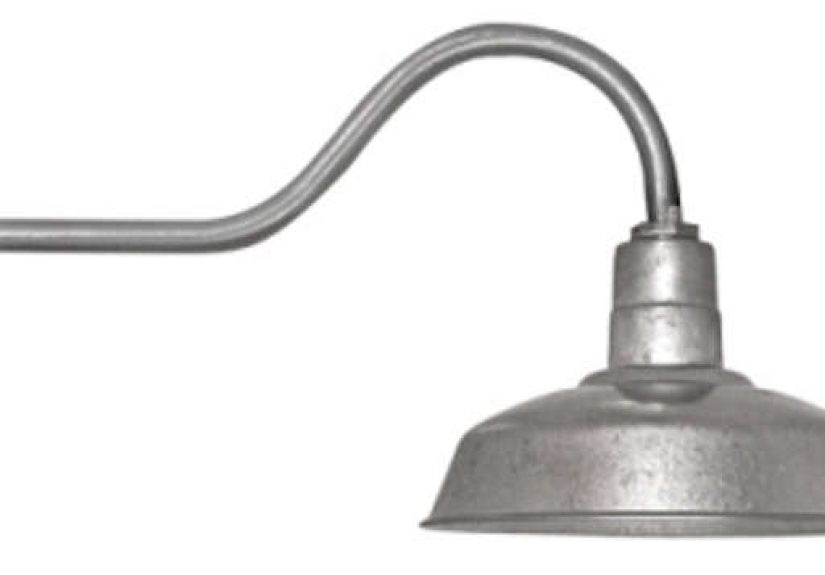
A gooseneck barn light is easy to recognize: a curved arm extends from the wall, and a metal shade drops light downward where you actually need it. That sounds simple, and it is. But that simplicity is exactly why it lasts. It can suit a modern farmhouse, an industrial storefront, a cottage porch, a garage, a mudroom, a patio, or even a crisp contemporary exterior that needs one warmer, more human detail.
In other words, this is not just a pretty light. It is a practical design move. The right gooseneck barn light can improve visibility, add curb appeal, frame an entry, soften a large exterior wall, and give a building that “someone thought this through” feeling. And honestly, that is a lot of work for one curved arm and a metal shade.
What Is a Gooseneck Barn Light?
A gooseneck barn light is a wall-mounted fixture with a bent arm that pushes the shade outward from the wall. The shape matters. By extending the shade away from the mounting surface, the fixture directs light downward and outward instead of dumping it awkwardly against the wall like a flashlight pointed at your own face.
Traditionally, these lights were used on barns, workshops, warehouses, garages, and storefronts. The goal was clear, useful task lighting. Today, the same fixture style still does that job, but it also pulls double duty as architectural decoration. It gives a home or building a timeless look without trying too hard. No glitter. No drama. Just strong lines, good function, and a little industrial swagger.
Why Gooseneck Barn Lights Are So Popular
The biggest reason is balance. A gooseneck barn light feels both nostalgic and current. It can look vintage on a white farmhouse, rugged on a brick garage, sleek in matte black on a modern exterior, or warm and welcoming in a painted finish over a side door.
It is also one of the rare fixtures that performs as well as it photographs. Plenty of lights look nice in product photos and then behave like moody theater props once installed. A gooseneck barn light is usually much more honest. It throws practical light where people walk, unlock doors, carry groceries, find tools, or try not to trip over a suspiciously placed flowerpot.
Another plus is variety. You can find these fixtures in different shade widths, arm projections, finishes, and features. Some are simple and classic. Others add integrated LED technology, dark-sky-friendly shielding, dusk-to-dawn photocells, motion sensing, or weather-resistant finishes for tougher environments.
How to Choose the Right Gooseneck Barn Light
1. Start with size, not color
Most people shop backward. They pick a finish first, fall in love with “textured black” or “aged galvanized,” and only later realize the fixture is too tiny for the wall. A gooseneck barn light should look proportional from the street, not like a decorative mushroom stuck beside a garage.
For entry doors, a useful rule of thumb is to choose a wall light that feels visually balanced with the door height. If you are flanking a standard front door, many designers aim for a fixture height that lands roughly in the quarter-to-third range of the door’s height, depending on the scale of the facade. For wider garage walls or big barn-style elevations, larger shades and longer arm projections usually look better and spread light more effectively.
2. Pay attention to shade width and projection
The shade controls the look, but it also controls the coverage. Smaller shades can work on compact doors, narrow porches, and cozy side entries. Larger shades are better for garages, workshops, broader walls, and commercial settings. The gooseneck arm projection matters too, because it moves the light away from the wall and can create a wider pool of light on the ground below.
If your goal is practical illumination, do not choose a super-shallow decorative shade and expect it to perform miracles. Barn lights are charming, but they are still subject to physics, which is rude but consistent.
3. Pick the right rating for the location
This part matters more than style. If the light will be directly exposed to rain, wind-driven moisture, or splashing water, choose a wet-rated fixture. If it will be under a covered porch or protected ceiling where it is shielded from direct precipitation, a damp-rated fixture may be acceptable. Using the wrong rating outdoors is one of the fastest ways to turn a nice fixture into a short-lived regret.
4. Think about bulb type and light color
Many gooseneck barn lights use standard medium-base bulbs, while others come with integrated LED systems. LED is often the practical winner because it lasts longer, uses less energy, and requires less maintenance. For residential settings, warm color temperatures usually look best. A warm white light tends to feel welcoming and flattering, while overly cool light can make a front porch look like a parking lot audition.
If you want a cozy, classic appearance, stay in the warm range. If the fixture is lighting a work zone, workshop exterior, or utility area, you can go slightly brighter or cooler, but do not overdo it. Outdoor lighting should help you see, not interrogate the landscaping.
5. Consider finish and material honestly
Black is the classic crowd-pleaser because it works with almost everything. White looks crisp on farmhouse exteriors. Galvanized finishes lean rustic and utilitarian. Bronze and weathered finishes feel a little richer and more traditional. Material matters too. Aluminum, coated metal, and weather-resistant composites are common. In harsh climates or coastal conditions, corrosion resistance becomes a bigger deal than trendiness.
Best Places to Use a Gooseneck Barn Light
Front entry
A single gooseneck barn light can anchor a modest front porch, while a pair can frame a larger entry beautifully. It gives the home a welcoming look without becoming overly formal.
Garage doors
This is arguably the natural habitat of the gooseneck barn light. Installed above single or double garage doors, it adds structure to a blank wall and gives useful downlight for arriving home, unloading the car, or pretending you absolutely meant to buy twelve bags of mulch.
Back doors and side entries
These spots often get ignored, which is unfortunate because they are also the places where people are most likely to be carrying something awkward in one hand while searching for keys with the other. A focused, downward light helps tremendously.
Patios, workshops, sheds, and barns
Gooseneck lights feel perfectly at home in utility zones. They can light work surfaces, exterior storage areas, and transition spaces while still looking polished.
Retail storefronts and signage
On commercial properties, these fixtures can highlight doorways, signage, merchandise windows, or facade details. Their vintage-industrial character also helps small businesses look established and memorable.
Mounting and Placement Tips
Good placement can make an average fixture look custom. For wall-mounted exterior lights near doors, many homeowners and designers mount them around eye level or slightly above, often in the roughly 66- to 72-inch range from the finished floor, depending on door height and fixture proportions. The goal is comfortable light distribution without glare blasting directly into someone’s retinas the moment they arrive.
If a gooseneck fixture hangs over a walkway or porch area where people pass underneath, maintain enough clearance so the bottom of the fixture does not create a head-bonking hazard. In general, seven feet of clearance is a smart minimum in traffic areas. Your future self, carrying a ladder, will appreciate the foresight.
For large facades, symmetry helps. For smaller homes, off-center placement can still work if it feels visually anchored to the architecture. The fixture should look related to the door, trim, sign, or garage opening rather than randomly pinned to the wall like a decorative afterthought.
How to Make It Look Better and Work Better
Choose a shielded, downward-focused design
A gooseneck barn light already leans in the right direction because it generally pushes light down where it is useful. That said, some models are better than others. If you want to reduce glare and keep the look cleaner, choose a fixture with a more controlled downward beam rather than a bare bulb situation that sprays light everywhere.
Do not go brighter than necessary
More brightness is not always more beautiful. In fact, too much light can flatten the house, create glare, and make the space less comfortable. A moderate amount of warm, targeted light often looks more expensive than one overly bright fixture trying to illuminate the entire zip code.
Add smart convenience if it suits the space
Dusk-to-dawn photocells, motion sensors, timers, and dimmable LED options can make a gooseneck barn light much more useful. For garage exteriors and side yards, automatic operation can be especially helpful. For decorative entries, a controlled warm glow at night is usually more elegant than full-power brightness all evening.
Common Mistakes to Avoid
Buying too small: undersized fixtures disappear on large walls.
Ignoring the rating: a protected porch and an exposed exterior wall are not the same thing.
Choosing the wrong bulb: an ultra-cool bulb can ruin the warmth of the design.
Mounting too high: light gets wasted and the fixture loses visual connection to the architecture.
Forgetting maintenance: outdoor fixtures need occasional cleaning, bulb replacement, and finish checks.
Maintenance and Longevity
A gooseneck barn light is not high-maintenance, but it does like a little respect. Clean the shade periodically so dust, cobwebs, pollen, and bug confetti do not block the light output. Check caulking, fasteners, and finish wear once or twice a year. If the fixture is in a coastal or high-moisture environment, inspect it more often, because salt and humidity are undefeated in the battle against metal.
LED setups reduce the need for frequent bulb changes. If you are using replaceable bulbs, choose quality bulbs rated for the fixture and the environment. Cheap bulbs burn out at the exact moment you have guests or bad weather. It is one of the universe’s less charming traditions.
Real-World Experiences With a Gooseneck Barn Light
One of the reasons people keep coming back to the gooseneck barn light is that it tends to improve a space immediately, even before the landscaping is finished or the paint is fully cured. Homeowners often describe the effect the same way: the house suddenly looks complete. That sounds dramatic, but it is true. Exterior walls can feel flat or unfinished until lighting gives them rhythm and depth. A gooseneck barn light adds that finishing layer without making the house look fussy.
At front entries, the experience is usually about mood as much as visibility. A warm barn light over a doorway creates a welcoming glow that feels lived-in and calm. It helps guests find the house number, makes evening arrivals easier, and gives the entrance a sense of intention. People often do not notice the fixture first. They notice that the home feels more inviting. That is usually a sign the light is doing its job beautifully.
Over garages, the experience becomes more practical. A larger gooseneck fixture can break up a wide blank wall and provide enough downlight to make parking, unloading, and walking safer at night. This is especially true when the fixture is sized properly and paired with a warm but strong LED bulb. Too little light makes the area frustrating; too much turns the driveway into an accidental sports arena. The sweet spot feels bright enough to function, but soft enough to live with every day.
On sheds, workshops, and barns, these lights tend to feel almost perfectly matched to the setting. They look authentic because they are rooted in utility. A gooseneck barn light does not feel pasted on in those spaces. It feels like it belongs there. Even on newer backyard studios or hobby sheds, the fixture can make the structure feel grounded and purposeful instead of temporary or generic.
Business owners often like them for similar reasons. Mounted above signage or beside a storefront door, gooseneck barn lights help a business feel established, approachable, and a little more memorable. They can soften a modern facade, reinforce a rustic brand identity, or simply make a shop visible and attractive after dark. Customers may not say, “What a nice arm projection,” but they will absolutely register the atmosphere.
There is also a tactile quality to these fixtures that people tend to appreciate over time. The curved arm, the metal shade, the visible hardware, the solid silhouette against the wall at dusk, all of that contributes to the experience. It feels substantial. It feels honest. In a world full of disposable-looking design, that matters more than people admit.
Perhaps the best real-world compliment to a gooseneck barn light is that it rarely feels trendy in a bad way. Trends come and go. One year everything is hyper-minimal, the next year everything is cottage-something, and then suddenly every porch on earth is trying to look like a boutique hotel. A good gooseneck barn light sidesteps most of that drama. It looks classic because it began as a useful tool, and useful things tend to age better than gimmicks.
That is why people who install one often end up adding more. One by the front door becomes two over the garage. Then one for the side yard. Then one for the shed. The fixture proves itself in daily life, and daily life is the harshest reviewer of all.
Final Thoughts
A gooseneck barn light works because it combines practical lighting with visual character. It directs light where people need it, suits a wide range of architecture, and adds a sense of finish that many exterior spaces are missing. Whether you want to brighten a front porch, sharpen up a garage facade, or give a workshop some honest style, this fixture earns its popularity.
The trick is choosing one thoughtfully. Get the size right. Use the proper outdoor rating. Pick a warm, useful light source. Mount it at a smart height. Choose a finish that suits the building and the climate. Do all that, and a gooseneck barn light stops being just another fixture and becomes one of those small design decisions that quietly makes everything look better.