Table of Contents >> Show >> Hide
- Why a Changing Table Makes a Great Potting Bench
- Before You Start: Check the Table’s Condition
- Tools and Supplies You May Need
- Step 1: Clean the Changing Table Thoroughly
- Step 2: Remove Unsafe or Unnecessary Parts
- Step 3: Strengthen the Frame
- Step 4: Sand for a Smooth, Paintable Surface
- Step 5: Prime and Paint for Outdoor Use
- Step 6: Seal It Like You Mean It
- Step 7: Create a Practical Potting Surface
- Step 8: Add Smart Storage
- Step 9: Style It Without Making It Useless
- Best Ideas for Customizing a Changing Table Potting Bench
- What to Store on Your Potting Bench
- Potting Mix Tips for Your New Garden Station
- Common Mistakes to Avoid
- Budget Breakdown
- Experience Notes: What I Learned from Turning a Changing Table into a Potting Bench
- Conclusion
A changing table has a very specific first life: diapers, wipes, tiny socks, mysterious creams, and at least one drawer that somehow becomes a museum of pacifiers. But once the baby years are over, that sturdy little station often ends up in the garage, silently judging everyone beside the holiday decorations. Good news: with a bit of cleaning, sanding, sealing, and imagination, a changing table can become a charming, functional potting bench for your garden, patio, balcony, or backyard shed.
This project is the sweet spot between practical DIY and “Look what I made!” bragging rights. A changing table already has the bones of a great garden workstation: a waist-high surface, open shelves, side rails, and space for bins, pots, tools, seed packets, gloves, twine, labels, and that one trowel that disappears every spring like it joined witness protection. Instead of buying a new garden bench, you can repurpose furniture you already own or pick up secondhand for very little money.
In this guide, we will walk through how to turn an old changing table into a potting bench, what materials work best, how to weatherproof it, how to organize it, and how to make it look like it belongs in a cozy garden magazine rather than a “free curbside pickup” post.
Why a Changing Table Makes a Great Potting Bench
The beauty of a changing table turned potting bench is that the structure is already halfway there. Most changing tables are designed to keep supplies within arm’s reach, which is exactly what gardeners need when potting herbs, starting seeds, dividing plants, or rescuing a droopy basil plant from its own dramatic life choices.
A good potting bench should offer three things: a comfortable work height, storage, and a surface that can handle mess. Changing tables often provide all three. The top surface works as the main potting area. Lower shelves hold bags of potting mix, extra containers, watering cans, and trays. Rails or side panels can support hooks for hand tools, small baskets, scissors, and garden twine.
Repurposing also keeps bulky furniture out of the landfill and adds character to your outdoor space. A brand-new potting bench can be useful, but an upcycled changing table has a story. It says, “I used to handle diapers. Now I handle dahlias. I have seen things.”
Before You Start: Check the Table’s Condition
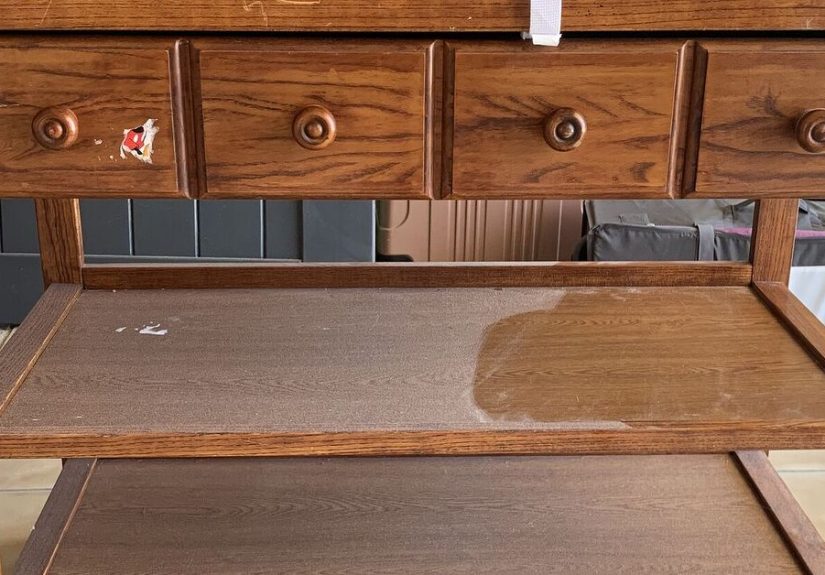
Not every changing table is ready for a second career in horticulture. Before you grab a paintbrush, inspect the piece carefully. Wiggle the frame. Press down on the shelves. Check for loose screws, split wood, warped boards, peeling veneer, mold, mildew, or areas that feel soft from moisture damage.
If the table feels unstable indoors, it will not magically become stronger outdoors. Garden supplies get heavy fast. A full bag of potting mix, stacked clay pots, and a metal watering can can test weak furniture. Tighten every screw, reinforce wobbly joints with wood glue and brackets, and replace damaged shelves if needed.
Watch for Old Paint and Lead Safety
If you are using a vintage or thrifted changing table, be careful with old paint. Furniture manufactured or painted decades ago may have coatings that are not safe to sand casually. If you suspect the piece is older, test the paint before sanding or stripping it. Work outside, wear a proper mask, and avoid creating dust from unknown finishes. When in doubt, choose a newer piece or consult a professional before disturbing old coatings.
Choose the Right Location
Decide where the potting bench will live before you customize it. A covered porch, greenhouse, shed, or garage wall gives the bench a longer life because it is protected from direct rain and intense sun. If it will sit fully outdoors, you will need stronger weatherproofing, raised feet, and a finish that can handle water and UV exposure.
Tools and Supplies You May Need
You do not need a professional workshop to complete this project. Most of the work involves cleaning, sanding, painting, sealing, and organizing. Gather the basics before starting so you are not wandering around mid-project with one glove, a half-sanded shelf, and a look of regret.
- Old changing table
- Screwdriver or drill
- Wood glue and small brackets for reinforcement
- Medium- and fine-grit sandpaper
- Drop cloth
- Mild soap, water, and scrub brush
- Exterior primer
- Exterior paint or stain
- Outdoor-rated clear sealer, spar varnish, or polyurethane
- Hooks, baskets, bins, or small crates
- Optional: caster wheels, pegboard, metal tray, towel bar, or drawer pulls
Step 1: Clean the Changing Table Thoroughly
Start with a deep cleaning. Remove any pads, straps, liners, stickers, and hardware you do not plan to use. Wipe the entire piece with warm water and mild soap. Use a scrub brush for corners, rails, shelf edges, and screw holes where dust likes to build tiny retirement communities.
Let the table dry completely before sanding or painting. This matters more than many DIYers think. Painting over damp wood can trap moisture and lead to peeling, bubbling, or mildew. If the piece has been stored in a basement or garage, give it extra drying time in a shaded, ventilated area.
Step 2: Remove Unsafe or Unnecessary Parts
Changing tables often include safety straps, raised changing-pad edges, removable toppers, or decorative parts that are no longer useful. Remove anything that will get in the way of potting. However, do not automatically remove every rail. Side and back rails can be surprisingly useful because they keep pots, soil bags, and tools from sliding off the bench.
If the top has a removable changing tray, decide whether it can become a useful soil-catching lip. A raised rim is actually excellent for messy garden work. It keeps potting mix from tumbling onto the floor every time you transplant a seedling with the coordination of a raccoon in mittens.
Step 3: Strengthen the Frame
Once the table is clean, reinforce it. Tighten all screws and bolts. Add wood glue to loose joints. Use small metal L-brackets under shelves or at the corners if the frame wiggles. If the original shelves are thin particleboard, consider replacing them with exterior-grade plywood or solid boards cut to size.
This is also the time to think about weight. Store heavier items, such as soil and ceramic pots, on the bottom shelf. Keeping weight low helps stabilize the bench and reduces tipping risk. If you have children or pets who may climb, pull, or bump into the piece, place the bench against a wall and consider anchoring it for extra safety.
Step 4: Sand for a Smooth, Paintable Surface
Lightly sand the table to scuff the finish so primer and paint can grip. You do not need to sand it down to bare wood unless the old finish is flaking or uneven. Focus on glossy areas, rough edges, and spots where paint is peeling.
After sanding, wipe the piece with a damp cloth or tack cloth to remove dust. Do not skip this step. Paint plus sanding dust equals a gritty finish, and nobody wants a potting bench that feels like it exfoliates your elbows.
Step 5: Prime and Paint for Outdoor Use
Use an exterior primer, especially if the changing table is unfinished wood, stained wood, or a slick manufactured surface. Primer helps paint adhere and improves durability. Once dry, apply exterior paint in thin coats. Two thin coats are usually better than one thick coat because thick paint can drip, cure poorly, and show brush marks.
Color is where the fun begins. Soft sage green, creamy white, charcoal, terracotta, navy, and warm gray all look beautiful in garden spaces. For a farmhouse look, use white paint with black hooks and natural baskets. For a cottage garden vibe, try pale blue or butter yellow. For a modern patio, go dark and sleek with matte black or deep olive.
Step 6: Seal It Like You Mean It
A potting bench lives a messy life. It will meet water, soil, fertilizer, sun, scratched pots, and probably a forgotten mug of coffee. Paint alone may not be enough if the bench is exposed to outdoor conditions. Add an outdoor-rated topcoat such as spar urethane, exterior polyurethane, or a clear weatherproofing sealer suitable for your paint or stain.
Pay special attention to the top surface, shelf edges, feet, and joints. These are the places where water tends to sit or soak in. If the bench will be outdoors year-round, apply multiple coats according to the product instructions and re-seal as needed over time.
Protect the Feet
The legs are easy to forget, but they are often the first parts to rot. If the bench sits on damp ground, raise it slightly with rubber feet, bricks, furniture glides, or outdoor caster wheels. Keeping wood off wet concrete or soil can dramatically extend its life.
Step 7: Create a Practical Potting Surface
The top of the changing table is now your work zone. You can leave it painted and sealed, but many gardeners like adding a removable tray, metal sheet, tile, or plastic boot tray to catch soil and water. A shallow tray makes cleanup easier: lift, dump, wipe, done.
If you start seeds often, add a waterproof tray for seed cells. If you pot large plants, keep the surface open and uncluttered. If you work with succulents or herbs, small containers and divided bins can help organize different soil mixes, labels, and tiny tools.
Step 8: Add Smart Storage
The best part of this DIY potting bench idea is the built-in storage. Use the lower shelves for bags of potting mix, compost, empty pots, and watering cans. Add baskets for gloves and plant ties. Use clear bins for seed packets so you can see what you have before accidentally buying your seventh packet of basil.
Hooks on the sides can hold hand trowels, pruners, a small broom, scissors, or a spray bottle. A towel bar can hold twine rolls or a rag. A small pegboard attached to the back can turn the bench into a mini garden command center.
Label Everything
Labels are not just for people with perfect pantries and suspiciously organized lives. In a garden station, labels save time. Mark bins for seeds, tools, plant food, gloves, and labels. You will spend less time searching and more time planting.
Step 9: Style It Without Making It Useless
A potting bench should be pretty, but it should not become so styled that you are afraid to use it. This is a working piece of furniture. Let it hold dirt. Let it earn a few scratches. Let it look like it has helped a tomato plant survive a difficult Tuesday.
That said, small styling touches make the bench feel intentional. Add a vintage watering can, a small herb pot, a basket of terracotta pots, or a weatherproof sign. Hang a wreath above it or place it near climbing flowers. If your bench is on a patio, coordinate the color with outdoor cushions or planters.
Best Ideas for Customizing a Changing Table Potting Bench
Every changing table is different, so use the original shape as your guide. A table with drawers can become a tidy seed-starting station. A table with open shelves is perfect for bulky supplies. A table with side rails can easily hold hooks and hanging baskets.
Add a Back Panel
If your changing table is open on all sides, attach a simple plywood back panel or pegboard. This gives you a place to hang tools and prevents items from falling behind the bench. Paint it the same color as the table for a built-in look.
Install Outdoor Casters
Outdoor-rated caster wheels make the bench movable, which is useful if you chase shade, rearrange your patio, or need to roll the bench into storage during storms. Choose locking casters so the bench does not wander away like a shopping cart with gardening ambitions.
Use a Sink or Soil Bin
For a more advanced project, cut an opening in the top and drop in a removable plastic bin or metal bowl. This creates a built-in soil station. You can scoop potting mix directly from the bin, then cover it when finished.
Add Lighting
If the bench sits in a shed or shaded corner, battery-powered or solar lights can make evening gardening easier. A small clip-on light is enough for labeling seedlings or finding pruners after sunset.
What to Store on Your Potting Bench
A changing table turned garden bench can hold almost everything needed for container gardening and small-space planting. Keep daily-use items easiest to reach and seasonal items lower or in bins.
- Hand trowel and cultivator
- Pruners and garden scissors
- Gloves
- Seed packets
- Plant labels and permanent marker
- Twine, clips, and plant ties
- Small pots and nursery containers
- Potting mix and compost
- Watering can or spray bottle
- Organic fertilizer or plant food
Avoid storing chemicals, sharp tools, or fertilizers where children or pets can access them. Use lidded containers and keep anything hazardous high, locked away, or in a separate secure location.
Potting Mix Tips for Your New Garden Station
Once your bench is ready, stock it with the right growing medium. For container plants, potting mix is usually better than ordinary garden soil because it is lighter, drains better, and allows roots to access air. Garden soil can compact in pots, which makes watering harder and can stress plant roots.
Keep different mixes in labeled containers if you grow a variety of plants. Succulents and cacti prefer fast-draining mix. Herbs and vegetables often like a quality all-purpose potting mix. Seedlings need a fine, light seed-starting mix. Storing these supplies right on the bench makes planting faster and less chaotic.
Common Mistakes to Avoid
Skipping the Sealer
Indoor furniture is not built for rain, sun, and constant moisture. If you skip the sealer, your beautiful project may peel, swell, or warp sooner than expected.
Ignoring Weight Limits
Do not overload the top shelf with heavy bags of soil. Put heavy items low and light items high. Your bench will be safer and easier to use.
Using It on Bare Soil
Wooden legs sitting directly on soil will absorb moisture. Place the bench on pavers, a patio, gravel, or another dry, stable surface.
Making It Too Decorative
A potting bench is not a museum exhibit. Leave room to work. If every inch is covered with cute objects, you will end up potting plants on the ground while your bench poses for photos.
Budget Breakdown
This project can be very affordable, especially if you already own the changing table. A secondhand table may cost little or nothing. Paint, primer, and sealer are usually the biggest expenses, but they are worth it because they protect the furniture. Hooks, bins, and baskets can be thrifted or repurposed from around the house.
A simple version may only require cleaning, sanding, paint, sealer, and a few hooks. A more customized version with casters, pegboard, a soil bin, and decorative hardware will cost more but can still be cheaper than buying a new outdoor potting bench.
Experience Notes: What I Learned from Turning a Changing Table into a Potting Bench
The first thing you learn during a changing table turned potting bench project is that old furniture has opinions. It may look innocent in the garage, but the moment you start removing screws, you discover which parts were built like a tank and which parts were apparently held together by optimism. My best advice is to spend more time inspecting and reinforcing than you think you need. A potting bench is not just decorative; it has to hold wet soil, pots, tools, and your occasional “I’ll just lean on this for a second” gardening posture.
The second lesson is that the top surface matters. I once thought a painted and sealed top would be enough for every task. It worked, but cleanup was easier after adding a removable tray. Potting mix has a special talent for getting into corners, cracks, and the exact spot you just wiped. A tray or metal insert keeps the mess contained and makes the bench feel more professional. It also saves the finish from constant scraping when you drag pots around.
Storage is where the changing table really shines. The shelves that once held diapers and baby blankets can become a surprisingly efficient gardening system. I like keeping heavy soil bags on the bottom, empty pots in the middle, and small tools on hooks along the side. Seed packets belong in a sealed box, not loose on the shelf, because humidity and wind are not kind to tiny envelopes. A permanent marker tied to the bench with twine sounds silly until you realize markers disappear even faster than garden gloves.
Weatherproofing is another lesson learned the practical way. Even if the bench sits under a covered patio, outdoor air is still harder on furniture than indoor air. Morning dew, sideways rain, sunlight, and temperature swings all leave their mark. Sealing the feet, edges, and joints is just as important as sealing the visible surfaces. The underside of shelves deserves attention too, even though nobody will compliment it. DIY glory often lives in the boring details.
I also learned not to over-style the bench. At first, it is tempting to decorate it with cute pots, signs, baskets, lanterns, and maybe a charming little ceramic frog who looks like he knows your secrets. But the bench needs open workspace. The best setup is attractive but ready for action: a clear top, a few useful containers, tools within reach, and enough personality to make you smile when you walk outside.
Most of all, this project changes how you see old furniture. A changing table is not just a baby item that has expired. It is a sturdy storage station waiting for a new assignment. Turning it into a potting bench gives it purpose again, saves money, reduces waste, and makes gardening easier. Plus, there is something deeply satisfying about planting tomatoes on a piece of furniture that once survived diaper duty. That is not just upcycling. That is character development.
Conclusion
A changing table turned potting bench is one of those DIY projects that feels clever, useful, and personal all at once. It takes a piece of furniture from one season of life and gives it a fresh role in another. With cleaning, reinforcement, paint, weatherproofing, and smart storage, an old changing table can become a hardworking garden station for seed starting, container planting, herb care, and everyday outdoor organization.
The key is to treat it like real outdoor furniture. Strengthen the structure, protect it from moisture, keep heavy supplies low, and organize it around how you actually garden. Whether your style is rustic farmhouse, cheerful cottage, modern patio, or “I found this in the garage and made it fabulous,” this project proves that practical can still be beautiful.
So before you toss, donate, or ignore that old changing table, give it another look. It may be finished with diapers, but it might be just getting started with daisies.