Table of Contents >> Show >> Hide
- Meet the Artist Behind the Tiny Silicone Babies
- What Makes These Silicone Baby Dolls So Realistic?
- How Tiny Silicone Baby Dolls Are Made
- Why People Love Tiny Realistic Silicone Baby Dolls
- Caring for a Mini Silicone Baby Doll
- 31 of the Best Tiny Silicone Baby Doll Moments (In Words)
- Things to Know Before You Buy a Realistic Silicone Baby Doll
- Behind the Scenes: My Experience Creating Tiny Silicone Baby Dolls
- Conclusion
Imagine scrolling through your feed, minding your own business, and suddenly you see a baby so tiny it fits in the palm of a hand… and then you realize it’s not a real baby at all, but a hyper-realistic silicone doll. Your brain does a double-take, your heart melts a little, and your inner artist (or collector) quietly screams, “I need to know everything about this.”
That’s the magic of tiny, realistic silicone baby dolls. In this article inspired by the viral Bored Panda feature on Russian doll artist Natalya Kovaleva (also known as Kovalevadoll), we’ll walk through what makes these mini silicone babies so astonishingly lifelike, how they’re created, why people love them, and how you’d care for one if you ever adopted a pint-sized silicone “newborn” of your own.
And because you can’t see all 31 photos through the screen right now, we’ll describe some of the most heart-melting moments and poses, so you can almost picture the gallery in front of you.
Meet the Artist Behind the Tiny Silicone Babies
The original Bored Panda story spotlighted mini silicone babies created by doll artist Natalya Kovaleva, better known online as Kovalevadoll. Her tiny dolls are fully sculpted in silicone, often no bigger than a smartphone, yet somehow manage to capture the vulnerable, sleepy look of a newborn baby.
These dolls aren’t mass-produced toys that roll off a factory line. They’re handmade art pieces, each with its own personality. From the curve of a tiny ear to the subtle wrinkles on a foot, everything is designed to mimic real infant anatomybut on a miniature scale. One wrong line and the doll moves from “sweet baby” to “uncanny alien,” so the level of skill involved is intense.
Why Tiny Instead of Life-Size?
Life-size silicone and reborn dolls already exist and are popular among collectors, artists, and even therapists. Tiny dolls, however, add another layer of charm:
- They’re easier to display and store than full-size reborn dolls.
- They’re highly portableyour mini baby can literally live in a teacup.
- The contrast between their realism and their small scale makes them feel almost like magical creatures from a fairy tale nursery.
Plus, there’s something irresistible about a hyper-real newborn that can sleep peacefully on the pad of your palm.
What Makes These Silicone Baby Dolls So Realistic?
When people first see these dolls, the initial reaction is usually, “Wait… is that a real baby?” The realism comes from a combination of sculpting, materials, and meticulous finishing details.
1. The Material: Soft, Flexible Silicone
Artists often use high-quality, platinum-cured silicone similar to what’s used in medical and film special-effects applications. It’s soft, flexible, and slightly squishyso the doll doesn’t just look like a baby, it feels more like one when gently squeezed or held. High-end manufacturers highlight silicone’s durability, non-toxic nature, and ability to hold fine details, which makes it a top choice for reborn artists and serious collectors.
2. Sculpted Like a Real Newborn
Before there’s a doll, there’s a sculpt. Artists typically start with clay, building up tiny heads, torsos, arms, and legs, refining features like:
- Softly rounded cheeks
- Delicate eyelids
- Tiny fingernails (yes, they’re sculpted too)
- Natural folds and rolls around wrists, neck, and thighs
The goal is to capture authentic baby anatomy. Reborn and silicone doll sculptors often spend weeks on a single sculpt, because one millimeter can change an expression from peaceful to puzzledor worse, unintentionally creepy.
3. Hyper-Detailed Painting
Once the silicone is cast, the blank doll is painted in many translucent layers. Artists use specialized paints designed to bond with silicone surfaces. Tiny veins, mottling, subtle blushing, and even that slightly bluish tint on a newborn’s hands and feet are built up layer by layer to create depth and realism.
It’s not unusual for artists to apply dozens of thin layers of color. Up close, you’ll see:
- Soft redness on heels, palms, and cheeks
- Gentle shading under the eyes
- Delicate milk spots on the nose
All of this mimics the imperfect, beautifully complex skin of a real newborn.
4. Hair, Lashes, and Finishing Touches
Some tiny silicone babies are bald, which makes them look like preemies or very young newborns. Others have microrooted haireach strand punched into the silicone one at a time with fine needles. The same technique can be used for eyelashes.
Add gloss to the lips, a hint of moisture inside the nose, and a carefully manicured tiny nail bed, and suddenly this thumb-size sculpture feels bizarrely alive.
How Tiny Silicone Baby Dolls Are Made
Every artist has their own workflow, but the basic process for creating realistic silicone baby dolls typically includes a few major steps.
Sculpting the Prototype
The first stage is sculpting a prototype in clay. The artist poses the babycurled up in a fetal position, stretching, yawning, or holding its hands under its chin. For tiny dolls, sculpting is extra tricky because fingers, toes, and facial features are so small.
Molding and Casting in Silicone
Once the sculpt is finished, a mold is made around it. Then, silicone is mixed and poured into the mold. For full-body dolls, the entire figure may be cast as one piece to avoid seams. After curing, the silicone baby is removed, trimmed, and cleaned so it’s ready for painting.
Painting and Detailing
Painting is one of the longest stages. Artists apply thin layers of pigments, each baked or cured as needed, to build up:
- Skin tone and undertones
- Mottling and blushing
- Veining and capillaries
- Shadows and highlights
After painting, gloss is added to lips, nostrils, and sometimes the waterline of the eyes (if the doll has open eyes) to increase realism. Hair and lashes, if included, are either painted on or rooted strand by strand.
Why People Love Tiny Realistic Silicone Baby Dolls
If you’ve never tumbled into the world of reborn and silicone dolls, the passion around them can be surprising. But for many people, these tiny dolls aren’t just “toys”; they’re art, comfort, and a hobby all rolled into one.
Collectors’ Items and Art Pieces
High-end silicone babies can take weeks or months to create, and each one is unique. Collectors appreciate:
- The one-of-a-kind craftsmanship of each doll
- The emotional expression in the sculptsleepy, pouty, curious
- The chance to support individual artists whose style they love
Many collectors display their dolls in cradles, shadow boxes, or miniature nurseries, photographing them the way others might photograph pets or action figures.
Comfort, Nostalgia, and Storytelling
Some owners find these dolls soothingespecially mini babies that can be cupped in the hand like a worry stone with eyelashes. Others enjoy the nostalgia of babyhood or the imaginative play of creating little stories for their “nursery.” While full-size reborn dolls are sometimes used as therapeutic tools, tiny silicone babies often fall more on the art and collectibles side, with a dash of personal comfort.
The “Cute or Creepy?” Debate
Hyper-real dolls often live in that famous “uncanny valley,” where objects look so real that our brains can’t decide whether to be charmed or unsettled. For every person who melts at the sight of a doll the size of a lemon yawning in a knitted hat, there’s someone else who quietly whispers, “That’s adorable but also slightly terrifying.”
And that’s okay. Art that looks this real is supposed to make you feel something, even if it’s a mix of awe and mild confusion.
Caring for a Mini Silicone Baby Doll
Even though these dolls are tiny, they’re not indestructible. Artists and manufacturers consistently recommend gentle, careful handling to protect the silicone and paint.
- Support the head and limbs. Treat the doll like a real newborndon’t yank on arms, legs, or neck.
- Avoid sharp objects. Silicone can tear if poked or cut.
- Keep away from intense heat and direct sunlight. High temperatures and UV light can damage silicone and fade paint over time.
- Clean gently. If cleaning is necessary, artists typically suggest a mild, silicone-safe approachno harsh detergents or scrubbing.
- Store smart. A cool, dry place, wrapped in a soft blanket or tucked in a tiny crib, keeps lint, dust, and damage at bay.
Because tiny dolls have such small features, even minor damage can be very noticeable. Think of them as art pieces that occasionally get picked up and admired, not as everyday playroom toysunless specifically designed for that.
31 of the Best Tiny Silicone Baby Doll Moments (In Words)
We can’t show you the original 31 photos here, but we can paint the scene in your mind. Picture a scrolling gallery where every new image makes you zoom in a little more, wondering how on earth this is sculpted silicone and not an actual newborn.
- A palm-sized baby curled into a fetal position, sleeping on a knitted red pillow with a hat that keeps sliding over one eye.
- A tiny silicone newborn in a white onesie with “Dad” stitched across the chest, resting on a fingertip like a living charm.
- A little baby swaddled in a pastel blanket, only the nose and lips peeking out, with the slightest pout that screams “I was just napping.”
- A preemie-style doll lying in a small wooden box lined with faux fur, hands loosely clenched, toes spread wide as if stretching after a nap.
- A twin set of mini babies, one yawning, one sleeping, posed nose-to-nose like they’re sharing a secret dream.
- A baby in a tiny knitted bear hat, complete with round ears, looking so peaceful that you almost expect to hear soft little snores.
- A doll posed in a cupped hand, with the thumb supporting its neckshowing just how small and detailed the sculpt really is.
- A silicone baby wearing a micro-sized striped onesie and socks, lying beside a regular-size pacifier that suddenly looks enormous.
- A close-up of tiny feet, complete with creases, wrinkles, and sculpted toenails, resting on the pad of a finger.
- A mini baby wrapped in gauzy fabric, posed on a cotton cloud, with painted veins barely visible through its translucent skin.
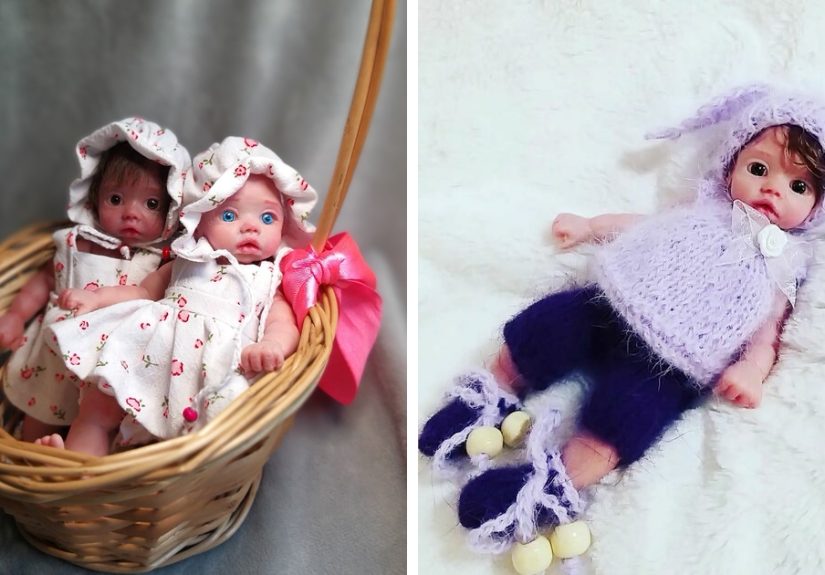
- A doll with slightly open lips, as if mid-sigh, wearing a knit bonnet tied under the chin in a bow smaller than a postage stamp.
- A group shot of several mini silicone babies, each in a different pose and outfit, looking like a whole nursery shrunk by a magic spell.
- A baby posed in a tiny wicker basket, hands up near the face, with lashes so fine you almost need a magnifying glass.
- A close-up on the side profilebutton nose, rounded forehead, and that soft dip over the upper lip that makes it look unbelievably newborn.
- A final image of a doll cradled between both hands, showcasing not only the craftsmanship but also the gentle way these tiny babies are meant to be held.
Multiply that cuteness by 31 and you can see why the original Bored Panda post captured so many hearts and shares.
Things to Know Before You Buy a Realistic Silicone Baby Doll
If you’re thinking, “Okay, I kind of want one now,” a quick reality check:
- They can be expensive. Hand-sculpted, hand-painted silicone dollsespecially from well-known artistsare priced like original art, not like mass-market toys.
- Look for trusted artists or shops. Check for clear photos, work-in-progress shots, and honest descriptions of materials and size.
- Beware of knock-offs. If the price looks too good to be true for a fully hand-made silicone baby, it probably is.
- Clarify what you’re getting. Some listings feature vinyl reborn dolls, some are full silicone, and some are miniaturesread the details.
Whether you buy or just admire from afar, understanding the work behind these dolls makes them even more impressive.
Behind the Scenes: My Experience Creating Tiny Silicone Baby Dolls
Spending time in the world of tiny silicone baby dolls is a bit like living in a miniature parallel universe. Everything you’d expect in a real nursery is theresleepy faces, curled toes, cozy blanketsbut scaled down to fit in the palm of a hand. Working with these dolls, even from an observer’s or creative writer’s point of view, teaches you a lot about patience, detail, and how people emotionally connect with objects.
One of the first things you notice when you watch an artist create these dolls is just how slow the process is. There’s no rushing silicone. Sculpting a baby that small means constantly stepping back, squinting, and making micro adjustments: deepening a crease here, softening a cheek there, adjusting the tilt of the head so it feels naturally heavy and newborn-like. Artists talk about how a sculpt can sit on their table for days while they decide whether that tiny wrinkle above the eyebrow feels right.
Then there’s the painting stage, which is borderline meditative. You can’t just slap on a “baby skin” color and call it a day. Real skinespecially baby skinis translucent and layered. Watching or reading about skilled reborn and silicone artists at work, you realize they think like both painters and anatomists. They study reference photos to understand where the skin warms up, where veins show, and how light behaves on the curve of a chubby arm. The same approach applies to these mini dolls, just with an even smaller brush and much steadier hands.
Handling a finished tiny silicone baby for the first time is where the emotional side really kicks in. Even knowing intellectually that it’s a doll, your body automatically cradles it like something fragile and breathing. You support the head, you cup the back, you instinctively soften your movements. That’s the power of realism. It doesn’t just trick your eyes; it gently persuades your muscles to play along too.
Talking with collectors and fans of these dolls, a common theme pops up: connection. For some, the connection is purely artistican appreciation of talent and craftsmanship. For others, it’s deeply personal. Tiny dolls can represent memories of a child’s newborn days, a love of babies in general, or simply a comforting ritual of dressing, posing, and photographing something small and sweet. The key is that the experience is personal and often quite private. People might never carry their mini silicone baby in public, but in their own homes, these dolls bring joy, calm, and sometimes a bit of healing.
Of course, there’s also a playful side to it all. Tiny dolls invite tiny props: micro pacifiers, miniature hats, doll-sized swaddles, matchbox cribs. Browsing photos or imagining new scenes becomes a creative challengelike staging tiny movie stills that tell an entire story in one frame. Do you pose your doll as a sleepy newborn in a basket, or as an alert little baby stretching after a nap? What kind of lighting makes the silicone skin look the most natural? Suddenly you’re not just admiring a dollyou’re directing a very tiny photo shoot.
Ultimately, creating or collecting tiny silicone baby dolls is about leaning into the magic of detail. The world is loud and chaotic; a thumb-sized baby sleeping peacefully in your hand is the exact opposite of that. It’s quiet, intricate, and oddly grounding. Whether you’re sculpting, painting, photographing, or just quietly admiring the best 31 pics in a Bored Panda-style gallery, these little dolls offer a reminder that even the smallest things can be full of lifeif someone cares enough to put the work in.
Conclusion
Tiny, realistic silicone baby dolls are more than just a viral curiosity. They’re a highly specialized intersection of sculpture, painting, careful material science, and human emotion. From the original Bored Panda feature on mini silicone babies to the wider reborn community, these dolls continue to fascinate people who love detail, storytelling, and just a little bit of magic in the palm of their hand.
SEO JSON