Table of Contents >> Show >> Hide
- Why Florida Manatees Need Warm Water to Survive
- How a Coal-Burning Power Station Became a Manatee Refuge
- The Conservation Trap: Helpful Today, Risky Tomorrow
- Warm Water Is Only Half the Story
- Why Natural Springs Matter More Than Ever
- What Happens When the Power Plants Close?
- The Role of Water Quality and Seagrass Recovery
- Why the Manatee Viewing Center Still Matters
- A Smarter Future for Florida Manatees
- Experience Notes: What This Story Teaches Anyone Who Visits Manatee Country
- Conclusion
Florida has never been shy about odd plot twists. It gave the world neon beach motels, alligator warning signs, theme-park castles, and headlines that sound as if they were written during a thunderstorm. But even by Florida standards, this story is unusual: one of the state’s most beloved wild animals has spent decades depending, in part, on warm water produced by an aging power station built to burn coal.
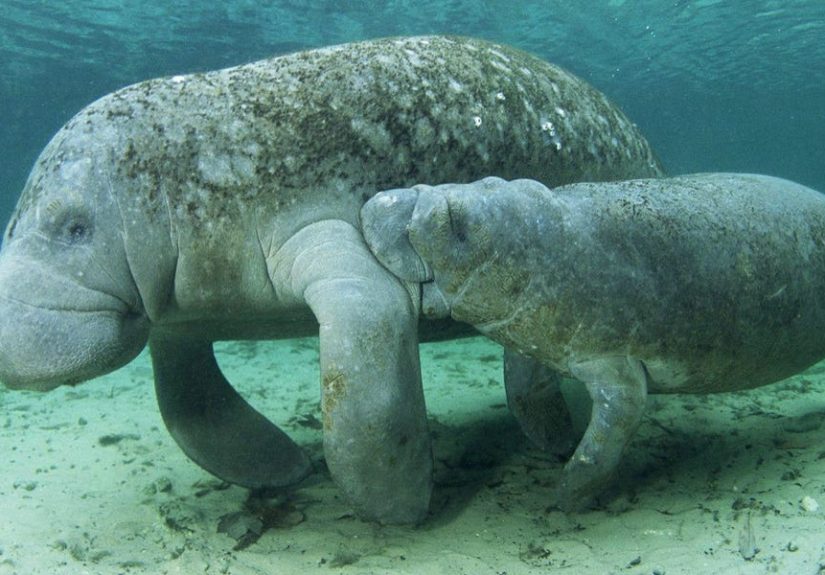
The Florida manatee, often called the sea cow, is not exactly designed for drama. It is slow, round, vegetarian, and charming in the way a floating sofa would be charming if it had whiskers. Yet behind that gentle image is a serious conservation puzzle. Manatees cannot tolerate prolonged exposure to cold water. When winter arrives, they need reliable warm-water refuge. Historically, that refuge came from natural springs and warmer southern waters. But over the past several decades, many manatees learned to gather near power plants, including Tampa Electric’s Big Bend Power Station in Apollo Beach, where warmed discharge water created a winter haven.
That accidental sanctuary helped manatees survive cold snaps. It also created a dependency problem. Coal plants are not forever. Energy systems change. Old units retire. Utilities modernize. Climate goals push the grid toward cleaner power. Meanwhile, manatees still need warm water, clean seagrass beds, safe travel corridors, and protection from boats. In other words, the future of the Florida manatee is not simply about saving an adorable marine mammal. It is about fixing a conservation shortcut before the shortcut disappears.
Why Florida Manatees Need Warm Water to Survive
Florida manatees are large marine mammals, but they are not cold-water animals. Their bodies are built for subtropical and tropical habitats, not icy endurance contests. When water temperatures fall too low, manatees can suffer cold stress, a dangerous condition that weakens them and can become fatal. This is why winter migration is so important. A manatee may spend warm months roaming coastal waters, rivers, bays, and estuaries, but when colder weather moves in, it must know where to go.
That knowledge is not random. Calves learn migration routes from their mothers. A young manatee follows mom to feeding areas, freshwater sources, sheltered spots, and warm-water refuges. It is a family road trip, except the minivan is replaced by a 1,000-pound herbivore with excellent breath control and no interest in toll roads.
This learned behavior is powerful. It allows manatees to return to dependable winter sites year after year. But it also means habits can become traps. If generations of manatees learn that a power plant canal equals safety, and that plant later shuts down or changes its discharge pattern, the animals may not instantly understand that the old refuge is no longer reliable. They may wait too long, travel too little, or gather in places that are warm enough for a good day but not safe through a cold snap.
How a Coal-Burning Power Station Became a Manatee Refuge
Big Bend Power Station sits on Tampa Bay near Apollo Beach. For decades, it used water from the bay for cooling and returned warmer water to the surrounding system. During winter, manatees discovered the warm discharge canal and began gathering there. What was built as industrial infrastructure became, unintentionally, a wildlife refuge.
The irony is hard to miss. A coal-burning power station, the kind of facility associated with air pollution and greenhouse gas emissions, became famous for protecting a threatened marine mammal. Visitors came to the Manatee Viewing Center to watch sea cows roll, breathe, nap, and generally behave like peaceful underwater potatoes. Families learned about conservation while standing in the shadow of energy infrastructure. Nature and technology were not just neighbors; they were awkward roommates sharing the same canal.
For many years, the arrangement looked like a success. Manatees had a warm place to gather. People gained a close-up view of an animal they might otherwise never see. Utilities could point to manatee protection as part of their environmental stewardship. But conservation success built on a fossil-fuel byproduct comes with an expiration date. Nobody wants manatees to freeze. Nobody wants old coal plants running forever just to keep them warm. The problem is that wildlife biology does not always move at the speed of energy policy.
The Conservation Trap: Helpful Today, Risky Tomorrow
Artificial warm-water refuges are a classic example of a short-term solution that becomes complicated over time. On one hand, they have helped manatees survive winters in parts of Florida where natural warm-water access has been reduced or where animals now winter farther north than they likely did historically. On the other hand, the more manatees rely on power plants, the harder it becomes to retire or modify those plants without a serious wildlife plan.
State wildlife managers have long recognized the issue. Many Florida power plants have discharged warm water for more than 30 years, and during that time manatees became habituated to them. Research has shown that manatees often return to the same warm-water discharge sites annually and may move between multiple power plants during winter. That behavior is impressive, but it is also risky. A manatee’s mental map may include places created by industrial systems that are aging, changing, or scheduled for retirement.
Big Bend illustrates the dilemma perfectly. The plant has been modernized, including a shift away from some coal use and toward natural gas combined-cycle technology. That change reduces some environmental impacts, but it also alters the amount and character of warm water produced. Cleaner energy is good. Losing a dependable warm-water refuge without a replacement is not. The manatee conservation challenge is to make both things true at once: retire dirty energy and keep manatees alive.
Warm Water Is Only Half the Story
A warm refuge is not a full habitat. It is more like a heated hotel lobby. Manatees can survive the cold there, but they still need food nearby. Florida manatees eat seagrass and other aquatic vegetation, and seagrass needs clean, clear water. When nutrient pollution fuels algae blooms, sunlight cannot reach seagrass beds. The grass dies. Then the manatees arrive at winter refuges with fewer groceries available. Even the world’s coziest canal cannot save an animal that has nowhere to eat.
The Indian River Lagoon crisis showed how quickly habitat loss can become a manatee emergency. Seagrass decline contributed to a major starvation-related mortality event on Florida’s Atlantic coast, with manatees dying because their food base had collapsed. Wildlife agencies later closed that specific unusual mortality event after conditions improved, but the lesson remains sharp: manatee recovery depends on ecosystems, not just rescue teams.
That is why the future near Big Bend is especially interesting. Tampa Electric has supported seagrass restoration near the Manatee Viewing Center, including work to restore acres of seagrass in the waterway leading toward the site. With Big Bend producing less warm water after shifting away from coal, the area may become more suitable for seagrass growth than it was when the discharge was hotter. That is a rare bit of good news: if managed carefully, a former artificial refuge could become a better feeding area while long-term warm-water planning continues.
Why Natural Springs Matter More Than Ever
If Florida wants a durable manatee future, natural springs must be part of the answer. Springs provide warm, stable water without depending on coal boilers, gas turbines, or utility maintenance schedules. Places such as Crystal River have become famous for wintering manatees because spring-fed systems offer the kind of refuge that existed before industrial discharge canals rewrote manatee migration habits.
However, springs are not magic buttons. They need sufficient flow, clean water, protected habitat, and careful visitor management. Groundwater withdrawals can reduce spring flows. Pollution can damage aquatic vegetation. Heavy tourism can disturb resting manatees if not managed properly. Restoring springs means protecting entire watersheds, which is less glamorous than cutting a ribbon at a viewing platform but far more important.
The smartest strategy is not to pretend every manatee will suddenly abandon power plants and politely relocate to a spring with good parking. The transition must be gradual, science-based, and regional. Wildlife managers need to know which manatees use which sites, how calves learn routes, where alternative refuges exist, and which areas can be restored or enhanced safely. A warm-water action plan is not a luxury; it is the survival blueprint.
What Happens When the Power Plants Close?
The big question sounds simple: when old power plants close, where do the manatees go? The honest answer is more complicated: it depends on the site, the timing, the weather, the animals’ learned behavior, and the quality of alternative habitat.
Some manatees may adapt if changes happen slowly and better refuges are available. Others may not. Past examples suggest that removing an artificial warm-water source can lead to cold-stress deaths if animals remain near the old site instead of migrating to safer areas. That does not mean Florida should preserve outdated power plants indefinitely. It means shutdowns and conversions should include manatee transition planning from the beginning, not as an afterthought filed somewhere between “landscaping” and “where did we put the ceremonial scissors?”
Possible solutions include restoring natural springs, improving access to warm-water sites, protecting migration corridors, using temporary engineered warm-water systems only where appropriate, and reducing other pressures such as boat strikes and food loss. No single tool will solve the problem statewide. A manatee that winters near Tampa Bay faces different conditions from one using the Atlantic coast or southwest Florida. Conservation must be local enough to work and statewide enough to connect the dots.
The Role of Water Quality and Seagrass Recovery
Warm water keeps manatees alive in winter. Seagrass keeps them alive the rest of the year. For Florida, that means water quality is manatee policy. Septic leakage, stormwater runoff, fertilizer pollution, wastewater problems, and nutrient-heavy discharges can all feed algae blooms that shade out seagrass. Once seagrass meadows collapse, recovery can take years, especially if water clarity remains poor.
Protecting manatees therefore requires unglamorous work: upgrading wastewater systems, managing fertilizer use, restoring wetlands, improving stormwater treatment, and enforcing boating rules. It also requires patience. Seagrass does not return because someone held a press conference next to a shovel. It returns when light reaches the bottom, water chemistry improves, sediments stabilize, and young plants survive long enough to spread.
The encouraging part is that seagrass can recover when conditions improve. Restoration near Big Bend, if successful, could give manatees more food close to a major winter gathering area. But restoration should not become another excuse for delay. Planting seagrass is helpful; preventing the next die-off is essential.
Why the Manatee Viewing Center Still Matters
It is easy to criticize the contradiction of a coal-era power station becoming a wildlife attraction. But the Manatee Viewing Center has also helped millions of people see manatees as real animals rather than distant symbols. Public affection matters. People protect what they understand. A child who watches a manatee surface for air may grow into a voter, scientist, boater, engineer, or policymaker who cares about clean water.
The key is honesty. The story should not be packaged as “power plant saves manatees, all is well.” The better message is: “This site helped manatees survive, but now we must build a future that does not depend on industrial heat.” That is a more mature story, and frankly, a more interesting one. It admits the weirdness. It respects the science. It gives the public something useful to support.
A Smarter Future for Florida Manatees
The future of the Florida manatee should not depend on whether an old power station keeps producing just the right amount of warm water. It should depend on restored springs, healthy seagrass, safe boating, cleaner bays, and careful planning. Big Bend can remain part of the story, but it should not be the final chapter.
Florida has a chance to turn an accidental refuge into a deliberate recovery model. That means mapping manatee dependence on artificial warm-water sites, planning plant transitions years before shutdowns, investing in natural refuge restoration, protecting food sources, and educating the public without sugarcoating the trade-offs. The manatee does not need nostalgia for coal. It needs a climate-ready conservation strategy.
In a strange way, Big Bend has given Florida a warning and an opportunity. The warning is that conservation shortcuts can become dependencies. The opportunity is that humans are smart enough to fix systems they accidentally created. Manatees may be slow, but the planning cannot be.
Experience Notes: What This Story Teaches Anyone Who Visits Manatee Country
Spending time around Florida manatee habitats changes the way you understand the animal. From a distance, manatees look almost comically relaxed. They float near the surface, lift their nostrils for air, and sink again as if they have nowhere urgent to be. Tourists whisper. Children point. Cameras click. The whole scene feels peaceful, almost sleepy. But after a while, you notice the hidden tension. Every scar on a manatee’s back tells a story about boat traffic. Every winter gathering hints at cold water just beyond the refuge. Every patch of missing seagrass is a reminder that a gentle animal can still live in a hard world.
One practical lesson is that responsible viewing matters. Manatees are not props for vacation photos. They are protected wild animals, and they need space to rest, nurse, feed, and stay warm. The best encounters happen when people slow down, stay quiet, follow posted rules, and let the animals choose their own behavior. If a manatee approaches, wonderful. If it does not, that is not a failed trip; that is wildlife being wildlife. The sea cow is not late for its customer-service shift.
Another lesson is that conservation is rarely pure and tidy. The Big Bend story is uncomfortable because it refuses to fit into a simple box. A coal-era facility helped manatees. That does not make coal clean. A power company can support habitat work. That does not erase pollution concerns. A viewing center can educate the public. That does not solve long-term dependency. Real environmental stories often look like this: messy, contradictory, and full of decisions that must be improved rather than magically erased.
For boaters, the lesson is even more direct. Slow-speed zones are not decorative suggestions. Manatees move slowly, surface to breathe, and feed in shallow areas where boats also travel. Wearing polarized sunglasses, watching for circular “footprints” on the water, avoiding seagrass beds, and respecting no-wake areas can prevent injuries. A few extra minutes on the water is a small price to pay for not turning a peaceful afternoon into a wildlife emergency.
For homeowners and communities, the connection may seem less obvious but is just as important. Fertilizer choices, septic maintenance, storm drains, lawn runoff, and local water policies all affect the bays, rivers, and lagoons where seagrass grows. A person living miles from a manatee can still influence manatee habitat. Water has a sneaky way of carrying everyone’s decisions downstream.
The biggest personal takeaway is this: manatees make people care, but caring has to grow up into action. It is easy to love the animal with the round face and slow-motion lifestyle. It is harder to support wastewater upgrades, spring protection, careful utility transition plans, and boating enforcement. Yet that is where the real future lives. The Florida manatee does not need applause from a boardwalk as much as it needs a livable system after the warm-water shortcuts are gone.
So yes, visit the viewing centers. Take your kids. Watch the gray backs rise through the water. Smile when one snorts at the surface like an elderly swimming pool noodle. But leave with the right question. Not “How do we keep manatees near power plants forever?” The better question is, “How do we make Florida healthy enough that they no longer have to depend on them?”
Conclusion
The Florida manatee’s relationship with Big Bend Power Station is one of the strangest conservation stories in America. A decades-old coal-burning facility accidentally created a winter refuge for an animal that cannot survive prolonged cold. That refuge helped. It mattered. But it also taught generations of manatees to rely on a system that was never designed as permanent habitat.
The next era of manatee protection must move beyond accidental rescue. Florida needs clean water, restored seagrass, protected springs, safer boating, and carefully planned transitions away from artificial warm-water sites. Big Bend may remain an important place in manatee history, but the healthiest future is one where the species is no longer tied to the lifespan of old industrial equipment. The sea cow deserves better than a conservation plan powered by yesterday’s smokestacks.