Table of Contents >> Show >> Hide
- What Are “Energy” and “Etheric” Cords, Really?
- Why Cord-Cutting Can Feel So Powerful (Even If You’re Skeptical)
- Before You Start: A Safety + Reality Check
- The Core Cord-Cutting Ritual (No Flames Required)
- Step 1: Set your intention (one sentence, not a TED Talk)
- Step 2: Ground your body (because your body is part of your life)
- Step 3: Visualize the cord (symbolic is still effective)
- Step 4: Cut and release (with compassion, not theatrics)
- Step 5: Seal the space (so it doesn’t feel “open” afterward)
- Step 6: Close with a simple action
- Five Cord-Cutting Variations for Real Life
- Aftercare: When the Cord “Grows Back”
- Common Myths (That Keep People Stuck)
- FAQ: Quick Answers That Actually Help
- Experiences People Commonly Report After Cord-Cutting (Realistic, Not Magical)
- Conclusion: Cut the Cord, Keep the Lesson
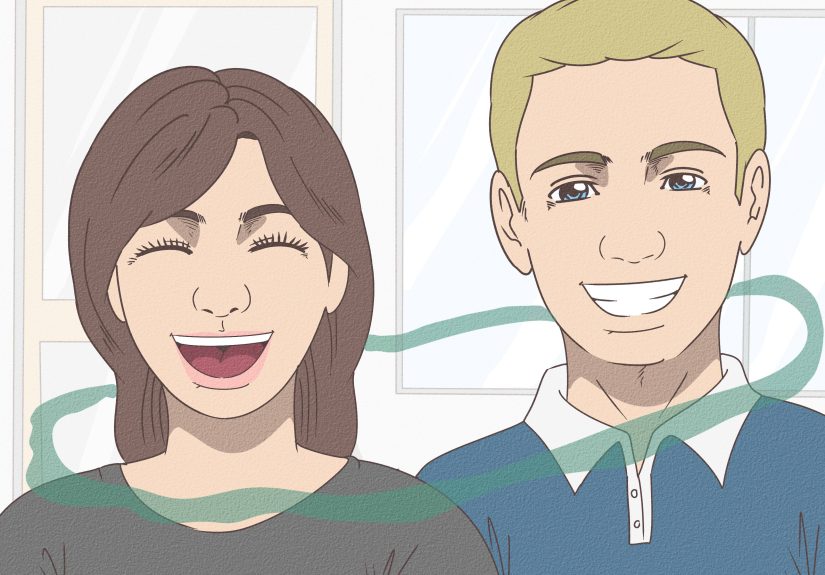
If you’ve ever thought, “Why am I still thinking about them?”congrats. You’re human. Our brains can cling to people, places, jobs, group chats, and that one situationship that ended three seasons ago. In spiritual circles, that “still attached” feeling is often described as an energy cord or etheric cord: an invisible tie that keeps your attention, emotions, and nervous system running laps around the same track.
This guide gives you a grounded (and genuinely doable) way to work with cord-cuttingwithout turning your living room into a smoke machine or pretending you can delete your feelings like an app. You’ll get a safe, no-flames ritual, practical variations for real-life scenarios, and aftercare tools that help your boundaries stick like they’ve got a union contract.
What Are “Energy” and “Etheric” Cords, Really?
In many modern spiritual and energy-healing traditions, cords are described as energetic attachments between you and another person, situation, or even an old version of yourself. The “etheric” part is basically a way of saying “non-physical” or “subtle.” Some people imagine cords at the heart, solar plexus, throat, or anywhere they feel emotionally snagged.
Here’s the practical translation: whether you view cords as literal energetic threads or as a symbolic model, cord-cutting rituals function like a focused “reset” for attention, emotion, and habit loops. They help you name what’s happening, externalize it (so it’s not just a swirl in your head), and choose a new response.
Common signs you might feel “corded” to something
- Rumination: replaying conversations like you’re being paid per episode
- Emotional hangovers after texts, emails, or seeing someone’s posts
- Feeling responsible for someone else’s mood
- Craving closure but not knowing what that even looks like
- A nervous system that goes from calm to “ALERT!” in two seconds
Important note: cord-cutting isn’t about erasing love, memory, or compassion. It’s about releasing unhelpful attachmentthe kind that drains you, keeps you stuck, or blurs boundaries.
Why Cord-Cutting Can Feel So Powerful (Even If You’re Skeptical)
Rituals work on a level deeper than logic. Research on ritual suggests that symbolic actions can restore a sense of control after loss and reduce distressespecially when emotions are loud and words are… not helping. In other words: your brain likes a meaningful “marker” that says, something changed.
Cord-cutting also borrows from techniques that are widely used in mental wellness spaces: mindfulness, guided imagery, grounding, and boundary-setting. Even if you don’t subscribe to the metaphysical explanation, the mechanics are familiar: focus, breath, visualization, and intention.
Three reasons this helps the brain and body
- It gives your mind a clear script. Instead of “I should move on,” you create a sensory moment that represents moving on.
- It engages the nervous system. Breath and grounding shift you out of fight-or-flight and into a steadier state.
- It supports boundaries. The ritual is the inner decision; boundaries are the outer behavior that proves it.
Before You Start: A Safety + Reality Check
Cord-cutting is a self-care ritual, not a substitute for professional care. If you’re dealing with trauma, abuse, stalking, or a situation where you don’t feel safe, prioritize real-world support (trusted adults, licensed professionals, and safety planning) over spiritual symbolism.
Also: if you’re tempted to use fire, please don’t. You can do a deeply effective cord-cutting ritual with zero flames, zero risk, and zero chance of setting off the smoke detector at 2 a.m. (Ask me how I knowjust kidding. I don’t have a home. But your smoke detector definitely has opinions.)
What cord-cutting can and can’t do
- Can: reduce rumination, support emotional detachment, clarify boundaries, and help you feel “done.”
- Can’t: control another person, erase grief instantly, or replace needed conversations and actions.
The Core Cord-Cutting Ritual (No Flames Required)
Think of this as a structured “letting go” meditation that uses guided imagery, grounding, and a closing practice. Plan for 10–20 minutes.
Step 1: Set your intention (one sentence, not a TED Talk)
Try: “I release the attachment that keeps me stuck, and I keep the lesson.” Or: “I call my energy back to me.”
Pro tip: If your intention sounds like a courtroom closing argument, shorten it. Your nervous system wants clarity, not citations.
Step 2: Ground your body (because your body is part of your life)
Pick one:
- 5-4-3-2-1 senses scan: notice 5 things you see, 4 you feel, 3 you hear, 2 you smell, 1 you taste.
- Slow breathing: inhale gently through the nose, exhale longer than you inhale (a simple calming pattern).
- Body scan: move attention from head to toes, relaxing each area.
Step 3: Visualize the cord (symbolic is still effective)
Close your eyes. Bring to mind the person/situation/habit. Notice where you feel it in your body (throat tight, chest heavy, stomach flippingyour internal narrator is very creative).
Now imagine a cord connecting you to that energy. Don’t force it. If you see nothing, that’s finejust intend that the cord exists as a symbol of attachment.
Step 4: Cut and release (with compassion, not theatrics)
Imagine a clean, precise cut. Some people picture scissors, a blade of light, or simply the cord dissolving. As you cut, say (out loud if possible):
“I release what is not mine to carry. I return what belongs to you with peace. I call my energy back to me.”
Then imagine your energy returninglike warm light coming back into your chest and belly. If you want, place a hand over your heart or sternum and breathe slowly.
Step 5: Seal the space (so it doesn’t feel “open” afterward)
Picture a soft boundary around your bodylike a comfortable hoodie made of light. Not a fortress. Just a clear “this is me” perimeter.
Step 6: Close with a simple action
- Drink water (seriously)
- Write 3 lines in a journal: What I released / What I learned / What I choose next
- Do one practical boundary step (see the next section)
Five Cord-Cutting Variations for Real Life
1) The “Breakup Brain” cord cut
After the core ritual, do a small closure action: move photos to a hidden folder, unfollow/mute for a set time, or change a trigger routine (like not checking your phone first thing). Ritual + behavior is the power combo.
2) The family cord: release guilt, keep love
Set an intention like: “I release responsibility for their emotions.” Then pair it with one boundary script you can actually say: “I can talk for 10 minutes, then I need to go.” Or: “I’m not discussing that.”
3) The workplace cord: stop taking your job to bed
At the end of the day, do a 3-minute mini-ritual: breathe, imagine cords unplugging from your shoulders, and “return” the work energy to the workplace. Then do a physical cuewash your hands, change clothes, or take a short walkto tell your brain the shift is real.
4) The social media cord: reclaim attention
Visualize the cord between you and the scroll. Cut it. Then make one friction change: remove the app from your home screen, set a time limit, or create a “no phone before breakfast” rule. Your attention is sacred. Also, it’s being auctioned constantly. Bid accordingly.
5) The “old self” cord: habits, identities, and shame spirals
Sometimes the cord is to a version of you that survived something hard. Honor it first: “Thank you for protecting me.” Then release it: “I don’t need this strategy anymore.” Imagine the cord dissolving into neutral light.
Aftercare: When the Cord “Grows Back”
Sometimes you’ll feel lighter immediately. Sometimes you’ll feel tender. Sometimes you’ll think you’re doneand then you’ll have a dream that drags you back into 2019 emotionally. That doesn’t mean you failed. It means your mind and body are updating a pattern.
Three aftercare practices that make it stick
- Grounding on purpose: use senses-based techniques when you get triggered.
- Somatic regulation: body scan, gentle movement, or self-soothing touch (like a butterfly hug) to calm activation.
- Boundary follow-through: reduce contact, clarify expectations, or stop feeding the loop (yes, even “just checking” their profile).
If you notice intense anxiety, panic, or persistent intrusive thoughts, consider talking with a licensed mental health professional. Ritual can be supportive, but some knots need skilled hands.
Common Myths (That Keep People Stuck)
Myth: “Cord-cutting means I have to hate them.”
Nope. The cleanest cord cuts are often compassionate. You’re releasing attachment, not declaring war.
Myth: “If I still miss them, it didn’t work.”
Missing is normal. Cord-cutting aims to reduce the draining pullnot delete your memories.
Myth: “One ritual should fix everything.”
Sometimes one is enough. Sometimes you repeat it weekly for a month. Think of it like cleaning a sticky spot: one wipe helps, but you might need a few passes.
FAQ: Quick Answers That Actually Help
How often should I do cord-cutting?
As needed. Many people do a “full” ritual once, then short refreshers when triggers pop up.
Can I cut cords with someone I still love?
Yes. You can release unhealthy attachment patterns while keeping love and respect. The intention matters.
What if I can’t visualize anything?
No problem. Use words and sensation instead: “I release the attachment,” then place a hand on your chest and breathe slowly while imagining relief.
What’s the difference between energy cords and boundaries?
Cord-cutting is an inner ritual for release. Boundaries are outer choices and communication. One supports the other.
Experiences People Commonly Report After Cord-Cutting (Realistic, Not Magical)
These examples are composite scenarios based on common reports from wellness, therapy-adjacent practices, and everyday lived experiencesshared here to help you recognize patterns, not to promise identical outcomes.
Experience #1: The “friendship loop” finally quiets down. A high school student feels stuck after a friendship fallout. They don’t want drama, but their brain keeps replaying every awkward hallway moment like it’s a court deposition. They try a no-flames cord-cutting ritual at night: grounding first, then imagining a cord from their chest to the other person’s name in their mind. When they “cut,” they don’t feel instant joymore like a soft exhale. The next day, they still notice the person at school, but the emotional spike is smaller. The biggest shift comes when they pair the ritual with a boundary: they stop checking mutual friends’ stories for clues. Within two weeks, the rumination drops from “hourly” to “occasionally,” and they’re able to remember the good parts without feeling pulled back into the argument.
Experience #2: Work stress stops living rent-free in the body. Someone working a busy customer-facing job realizes they’re carrying work homejaw clenched, shoulders up, replaying rude comments while brushing their teeth. They adopt a 3-minute end-of-shift cord cut: in the car or on the bus, they breathe slowly, imagine unplugging cords from their shoulders and stomach, and “return” the day’s energy to the workplace. At first it feels silly. Then it becomes a cue: the day is over. They add a practical stepchanging clothes immediately after getting homeand the combo reduces evening irritability. They still have hard days, but they stop feeling like every shift is tattooed onto their nervous system.
Experience #3: A breakup ritual creates closure where none was offered. A person ends a relationship that didn’t come with a neat explanationjust drifting, mixed signals, and an unsatisfying final text. They’re not trying to “erase” love; they’re trying to stop the late-night urge to reopen the conversation. During the ritual, they notice the strongest sensation in the throat (the unsaid words) and the stomach (the uncertainty). They cut the cord while naming what they’re releasing: hope for a different ending, the need for answers from the other person, the habit of self-blame. They follow with a boundary: they mute notifications and commit to a two-week no-contact window. The result isn’t instant happiness, but it’s steadier self-respect. They describe it as, “I stopped negotiating with reality.”
Experience #4: Grief softens into connection instead of constant pain. Cord-cutting isn’t only for breakups. Sometimes it’s for releasing the painful grip of loss while keeping love. Someone grieving a pet (or a loved one) uses a gentle version: they don’t “cut” the bond of love; they cut the cord of constant anguish and guilt. They imagine the love staying in the heart like a warm ember, while the guilt cord dissolves. They end by doing a small honoring rituallooking at a photo, saying thank you, placing a hand on the heart. Over time, they report fewer “ambush” moments of grief and more moments of quiet remembrance. The relationship becomes something they carry with tenderness, not a weight that knocks the wind out of them.
The pattern across these experiences: the ritual helps create an internal turning point, but the long-term relief usually comes from pairing it with a behavior changeless contact, clearer boundaries, healthier routines, and nervous-system regulation when triggers show up.
Conclusion: Cut the Cord, Keep the Lesson
Cord-cutting rituals work best when you treat them like a bridge between your inner world and your real life. You ground your body, name the attachment, release it with intention, and then back it up with boundaries and aftercare. Whether you see etheric cords as spiritual reality or as a powerful metaphor, the goal is the same: get your energy backyour attention, your peace, your capacity to show up for your own life.
Start simple. Skip the theatrics. Be consistent. And remember: letting go isn’t a single momentit’s a practice. Some days you’ll release a cord. Other days you’ll release the urge to text at midnight. Both count.