Table of Contents >> Show >> Hide
- Why Hummingbirds Get Trapped in Garages
- Before You Start: Stay Calm and Make the Garage Safe
- Step 1: Open the Biggest Exit Wide
- Step 2: Turn Off Garage Lights and Darken Windows
- Step 3: Remove Red Distractions Inside the Garage
- Step 4: Place a Hummingbird Feeder Near the Exit
- Step 5: Give the Bird Quiet Time
- Step 6: Use a Perch Only If the Bird Is Resting or Hovering Low
- Step 7: If the Bird Drops or Cannot Fly, Stop and Reassess
- Step 8: Call a Wildlife Rehabilitator When Needed
- What Not to Do When a Hummingbird Is Stuck in the Garage
- How to Prevent Hummingbirds From Getting Trapped Again
- Why Speed Matters With Hummingbirds
- Common Garage Scenarios and What to Do
- Experience Notes: Real-Life Lessons From Garage Hummingbird Rescues
- Conclusion
A hummingbird in your garage is not a guest who wandered in to admire your storage bins. It is usually a tiny, panicked, high-speed athlete that mistook your open garage door, red pull cord, tool handle, holiday decoration, or bright window for something useful. Now it is hovering near the ceiling, refusing to fly through the giant open exit, and making you wonder how a bird with such excellent aerial skills can suddenly lose the plot.
The good news: in most cases, you can get a hummingbird out of your garage safely without touching it. The goal is simple: reduce confusion, create one obvious escape route, remove distractions, and let the bird’s instincts do the work. The bad news: chasing it with a broom like a cartoon villain is not part of the plan. Hummingbirds are delicate, fast-metabolism birds, and stress plus exhaustion can become dangerous quickly.
This guide explains how to get a hummingbird out of your garage in 8 easy steps, what not to do, when to call a wildlife rehabilitator, and how to prevent the same tiny drama from happening again.
Why Hummingbirds Get Trapped in Garages
Hummingbirds are drawn to color, light, flowers, feeders, insects, and anything that looks vaguely promising during a busy feeding day. A garage can accidentally offer several traps at once: a red emergency release cord, red tools, red gas cans, shiny windows, skylights, hanging planters, or bright reflections. Once inside, the bird often flies upward toward the brightest area instead of dropping down to the open garage door.
That is why a trapped hummingbird may hover near the ceiling while a perfectly open garage door sits below like an unused airport runway. The bird is not being stubborn. It is following light, reacting to stress, and trying to escape through what appears to be open sky. Your job is to make the real exit look like the best and safest option.
Before You Start: Stay Calm and Make the Garage Safe
Before beginning the rescue, take one minute to make the space safer. Turn off ceiling fans. Move pets and children indoors. Put away anything that could fall or startle the bird. Avoid loud voices, sudden movements, and repeated trips in and out of the garage. The hummingbird is already running on emergency mode; it does not need a full family committee pointing at it.
If the bird is flying strongly, your best strategy is usually patience and guidance. If it is on the floor, not moving, panting, injured, or unable to perch, skip ahead to the section on when to call a wildlife rehabilitator.
Step 1: Open the Biggest Exit Wide
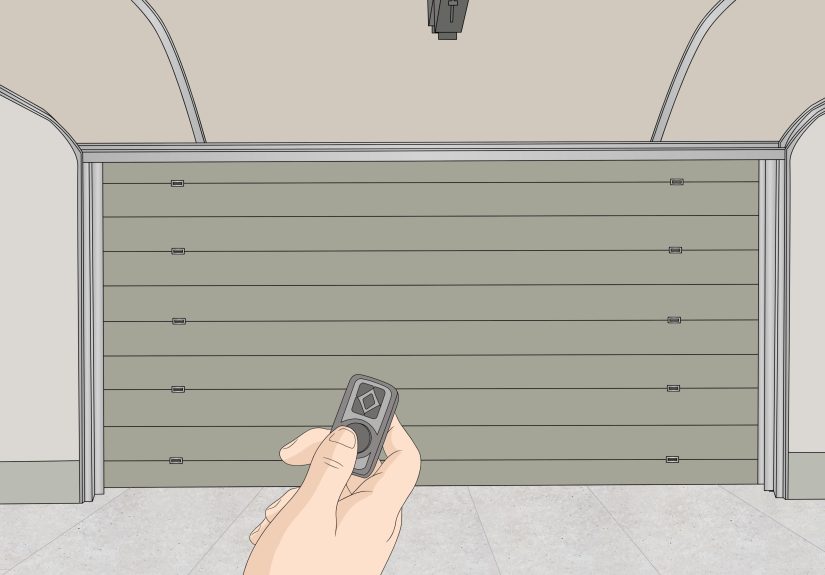
Start by opening the main garage door completely. If there are side doors that lead outside, open those too. Remove screens from safe, reachable windows if doing so does not create another hazard. The more obvious the outside world looks, the better.
However, do not create five competing light sources if they confuse the bird. The ideal setup is one large, bright, easy-to-see exit. If the garage door is the best exit, make that the star of the show. Think of it as rolling out the red carpet, except the celebrity weighs less than a nickel and has wings faster than your Wi-Fi.
Step 2: Turn Off Garage Lights and Darken Windows
Next, turn off all interior lights. Hummingbirds often fly toward brightness, so you want the open exit to be the brightest place in the garage. Close blinds, cover windows, and block skylights if you can do so safely from the inside. Use towels, cardboard, sheets, or temporary covers.
This step is especially important if the hummingbird keeps flying near a skylight or upper window. To the bird, that bright rectangle may look like freedom. Unfortunately, glass is not freedom. It is a very clean wall with terrible branding.
Once the garage is darker and the open door is bright, many hummingbirds will find their own way out within minutes. Give the bird space. Stand away from the exit so it does not feel blocked by a giant human-shaped predator holding a phone.
Step 3: Remove Red Distractions Inside the Garage
Hummingbirds notice red and orange because those colors often signal nectar-rich flowers or feeders. In a garage, that can become a problem. A red pull cord, red gas can, red toolbox, red extension cord, or red holiday bow may keep the bird investigating the wrong thing.
Look around and remove or cover bright red objects inside the garage, especially anything hanging from the ceiling. If your garage door emergency release cord is red, temporarily tuck it up, cover it with a neutral cloth, or tie it out of sight without interfering with the safety function of the door.
This small change can make a big difference. The fewer false “flowers” inside, the more likely the hummingbird is to notice the real escape route outside.
Step 4: Place a Hummingbird Feeder Near the Exit
If you have a clean hummingbird feeder, place it just outside the open garage door or at the edge of the exit where the bird can see it. The feeder should lead the bird out, not lure it deeper inside. If possible, hang it low enough to be visible from inside the garage but far enough outside that the bird must leave the garage to feed.
Use fresh nectar made from plain white sugar and water: one part sugar to four parts water. Do not add red dye, honey, brown sugar, artificial sweeteners, or sports drinks. This is a hummingbird rescue, not a beverage innovation lab.
If you do not have a feeder, a bright red object outside the door may still help. A red flower pot, red cloth, or red garden item placed near the exit can act as a visual cue. If you have nectar-rich flowers in a hanging basket, place them outside the garage opening.
Step 5: Give the Bird Quiet Time
After opening the exit, darkening the garage, removing red distractions, and placing the feeder outside, step away. Go inside the house or watch quietly from a distance. Do not keep walking under the bird, waving tools, or saying, “Come on, buddy,” every twelve seconds. The bird does not speak encouragement; it speaks safety.
Most healthy trapped hummingbirds need a calm route out more than direct handling. If the bird is still flying, give it time to discover the exit. Check from a distance every few minutes, but avoid turning the garage into a rescue theater.
Step 6: Use a Perch Only If the Bird Is Resting or Hovering Low
If the hummingbird keeps hovering in one area or lands on a reachable object, you may be able to offer a perch. Use a long, lightweight object such as a broom handle, rake handle, or branch. Move slowly. Raise the perch near the bird, not at the bird. The goal is to give it something to land on, not to scoop, poke, or herd it.
If the bird lands on the perch, slowly carry the perch toward the open garage door and outside. Keep your movements steady and gentle. Once outside, pause and let the hummingbird fly away on its own.
This method works best when the bird is tired enough to perch but still alert. If the bird panics, back off and return to the darkened-garage method. The rescue should never become a chase scene.
Step 7: If the Bird Drops or Cannot Fly, Stop and Reassess
A hummingbird that falls to the floor, sits with eyes closed, looks puffed up, cannot fly, or allows easy approach may be exhausted, stunned, injured, or dangerously low on energy. At this point, the situation is more serious.
Do not squeeze the bird. Do not try to force water or nectar into its beak. Do not place it in a deep container without ventilation. Hummingbirds are extremely fragile, and improper handling can make things worse.
If the bird is in immediate danger from pets, vehicles, or foot traffic, gently place a soft cloth over it and move it into a small ventilated box lined with tissue or a soft towel. Keep the box warm, quiet, and dark. Then contact a licensed wildlife rehabilitator, local wildlife center, or state wildlife agency for instructions.
Step 8: Call a Wildlife Rehabilitator When Needed
Call a licensed wildlife rehabilitator if the hummingbird appears injured, cannot fly after resting, hit a window, was caught by a cat, is bleeding, is tangled in cobwebs, or has been trapped for a long time and is no longer active. A rehabilitator can give species-appropriate instructions and determine whether the bird needs professional care.
Always call ahead before transporting wildlife. Not every rescue center can accept hummingbirds, and these birds require specialized care. If you are unsure whether the bird needs help, it is still better to ask an expert than to improvise with a shoebox and optimism.
What Not to Do When a Hummingbird Is Stuck in the Garage
Do Not Chase It
Chasing a hummingbird wastes its energy and increases stress. A frightened bird will fly harder, higher, and more erratically. That makes escape less likely and injury more likely.
Do Not Spray It With Water
Spraying water may seem like a way to guide the bird, but it can chill, frighten, or injure it. Use light, exits, and quiet instead.
Do Not Use Nets Unless Directed by an Expert
A net can damage wings, legs, or feathers if used incorrectly. Handling should be a last resort, and professional advice is best if the bird is weak or injured.
Do Not Offer Random Foods
Hummingbirds should not be given honey, syrup, fruit juice, soda, or dyed nectar. If a feeder is used as a lure, stick with plain white sugar and water in a 1:4 ratio.
How to Prevent Hummingbirds From Getting Trapped Again
Once the hummingbird is safely outside, take a few minutes to hummingbird-proof your garage. Start with the red emergency release cord. Many homeowners report hummingbirds investigating the red handle and then becoming trapped. Covering or minimizing bright red dangling objects can reduce temptation.
Keep garage doors closed when you are not actively using the space, especially during migration and nesting seasons when hummingbirds are busy feeding. If you work in the garage with the door open, consider placing your hummingbird feeder away from the garage area so birds are not encouraged to explore the opening.
If your garage has windows or skylights, use shades, screens, or bird-safe decals to reduce confusion. Birds may see reflections of sky or trees and try to fly through glass. Making glass more visible helps prevent collisions and repeated trapping.
Finally, plant nectar-rich native flowers away from garage entrances. Bee balm, trumpet honeysuckle, cardinal flower, salvia, penstemon, and columbine can help attract hummingbirds to safer feeding zones. The idea is to make your yard inviting and your garage boring. For once, boring is excellent design.
Why Speed Matters With Hummingbirds
Hummingbirds live at a fast pace. They hover, dart, defend feeding territories, and visit flowers or feeders repeatedly throughout the day. Because they burn energy quickly, a bird trapped in a garage can become exhausted faster than many people expect.
That does not mean you should panic. It means you should act calmly and efficiently. Open the exit. Darken the garage. Remove distractions. Add a feeder outside. Step away. If the bird weakens, call a rehabilitator. Simple, calm steps are safer than dramatic ones.
Common Garage Scenarios and What to Do
The Hummingbird Keeps Flying at the Ceiling
This usually means the bird is following light or trying to move upward. Darken upper windows and skylights, keep the main door open and bright, and leave the area quiet.
The Hummingbird Is Interested in the Red Pull Cord
Cover or tuck the cord out of sight if you can do so safely. Place a feeder outside the garage door so the bird has a better red target in the correct direction.
The Hummingbird Landed on a Shelf
Give it a moment. It may rest and then fly out. If it stays perched and seems alert, you can slowly offer a perch and move it toward the exit.
The Hummingbird Is on the Floor
Keep pets away and reduce noise. If it does not fly after a short rest or appears injured, place it in a ventilated box and call a licensed wildlife rehabilitator.
Experience Notes: Real-Life Lessons From Garage Hummingbird Rescues
The first thing people usually learn from a hummingbird-in-the-garage incident is that the obvious exit is obvious only to humans. To us, an open garage door looks like a giant rectangle of freedom. To a stressed hummingbird near the ceiling, the brightest upper window or skylight may seem more logical. That is why darkening the garage works so well. It changes the visual map. Suddenly, the open door becomes the brightest and safest-looking path.
Another common lesson is that less action often produces better results. Many homeowners begin by trying to help too much. They walk under the bird, wave towels, hold up brooms, move ladders, and recruit neighbors. The garage becomes a tiny airport with terrible air traffic control. Once everyone steps back, the bird often calms down enough to locate the exit. Quiet is not laziness; it is part of the rescue strategy.
The feeder trick is also surprisingly effective when done correctly. A clean feeder placed just outside the garage can serve as both a food source and a visual beacon. The important detail is placement. If you hang the feeder inside the garage, the hummingbird may feed and stay confused. If you place it too far away, the bird may never notice it. The sweet spot is near the open doorway, visible from inside, but clearly outside the trap.
People also discover how important prevention is. After one rescue, many homeowners look around and realize their garage is full of accidental hummingbird invitations: red cords, bright handles, shiny windows, flower-patterned decorations, and sometimes even feeders hanging too close to the garage. Moving a feeder farther from the garage or covering the red release cord can prevent repeat visits.
One practical experience tip: prepare before hummingbird season. If you live in an area where hummingbirds regularly visit, keep a small rescue kit handy. It does not need to be fancy. A clean feeder, plain white sugar, a soft cloth, a small ventilated box, and the phone number of a local wildlife rehabilitator are enough. You probably will not need them often, but when a hummingbird is hovering near your garage ceiling like a confused emerald helicopter, you will be glad you have a plan.
Another lesson is emotional: these rescues can feel intense because the bird is so small. A hummingbird looks breakable because it is. But panic does not help delicate animals. Slow movements, low voices, and thoughtful steps give the bird the best chance. Your role is not to overpower the situation. Your role is to make the right choice easy for the bird.
Finally, remember that a successful rescue may look wonderfully uneventful. The bird may hover, pause, notice the bright exit, zip outside, visit the feeder, and disappear into the yard as if it had planned the whole thing. You may be left standing in the garage with a towel, a covered window, and a new respect for tiny creatures with terrible indoor navigation. That is a good outcome. Wildlife rescue does not need applause. Sometimes it just needs an open door and a calm human.
Conclusion
Getting a hummingbird out of your garage is mostly about clarity. Open the largest exit, turn off indoor lights, block confusing windows, remove red distractions, place a clean feeder outside the door, and give the bird quiet space to leave. If the hummingbird becomes weak, injured, or unable to fly, stop trying to solve it alone and contact a licensed wildlife rehabilitator.
The best rescue is calm, simple, and gentle. No chasing. No spraying. No dramatic broom fencing. Just a safer path out, a little patience, and maybe a feeder waiting outside like a tiny roadside diner for the world’s smallest traveler.