Table of Contents >> Show >> Hide
- Introduction: Why Condoms Matter Beyond Partnered Sex
- 1. Choose the Right Condom Material
- 2. Check the Expiration Date
- 3. Store Condoms Properly
- 4. Learn the Correct Direction
- 5. Use the Right Lubricant
- 6. Avoid Overdoing Lubricant Inside the Condom
- 7. Pay Attention to Fit
- 8. Stop If There Is Pain, Burning, or Irritation
- 9. Choose Fragrance-Free When Possible
- 10. Use One Condom at a Time
- 11. Never Reuse a Condom
- 12. Know the Basics of Toy Hygiene
- 13. Match Condoms to Product Materials Carefully
- 14. Keep Cleanup Simple and Hygienic
- 15. Practice Consent and Communication Skills
- 16. Treat Condom Practice as Sexual Health Education
- Common Mistakes to Avoid
- What About Condoms and Sex Toys?
- When to Talk to a Healthcare Professional
- Extra Experience-Based Tips for Comfort, Confidence, and Safer Habits
- Conclusion
Editor’s note: This article is written as a non-graphic, health-focused guide. It avoids explicit sexual instructions and focuses on condom education, hygiene, comfort, safer product choices, and practical self-care.
Introduction: Why Condoms Matter Beyond Partnered Sex
Condoms are usually discussed in the context of pregnancy prevention and sexually transmitted infection protection, but they can also be useful for learning body-safe habits, practicing condom application, reducing mess, and understanding how different materials feel. Think of it as the “driver’s ed” version of sexual health: not flashy, but very useful before anyone is on the road.
Using a condom during solo sexual activity is not required for everyone, but it can help people become more comfortable handling condoms before partnered intimacy. It can also make cleanup easier and reduce direct contact with certain lubricants or products. The most important part is safety: choosing the right condom, using compatible lubricant, checking the expiration date, avoiding damaged packaging, and paying attention to irritation or discomfort.
This guide covers 16 non-explicit, practical tips related to condoms, comfort, hygiene, and sexual wellness. It also explains what to know about sex toys from a safety and cleaning perspective, without turning the topic into a graphic how-to manual.
1. Choose the Right Condom Material
Most condoms are made from latex, but latex-free options such as polyisoprene or polyurethane are available for people with latex sensitivity. If latex causes itching, redness, burning, or swelling, stop using that product and consider a latex-free option. Comfort matters because discomfort can lead people to avoid condoms later, which defeats the whole point.
2. Check the Expiration Date
A condom is not a museum artifact. If it has expired, toss it. Expired condoms are more likely to dry out, weaken, or break. Before use, check the date on the wrapper and make sure the package feels intact. If the wrapper is torn, brittle, sticky, or suspiciously flat, do not use it.
3. Store Condoms Properly
Condoms should be stored in a cool, dry place away from sharp objects, heat, and direct sunlight. A wallet may seem convenient, but long-term wallet storage can expose condoms to friction and pressure. A drawer, small case, or bedside box is usually better.
4. Learn the Correct Direction
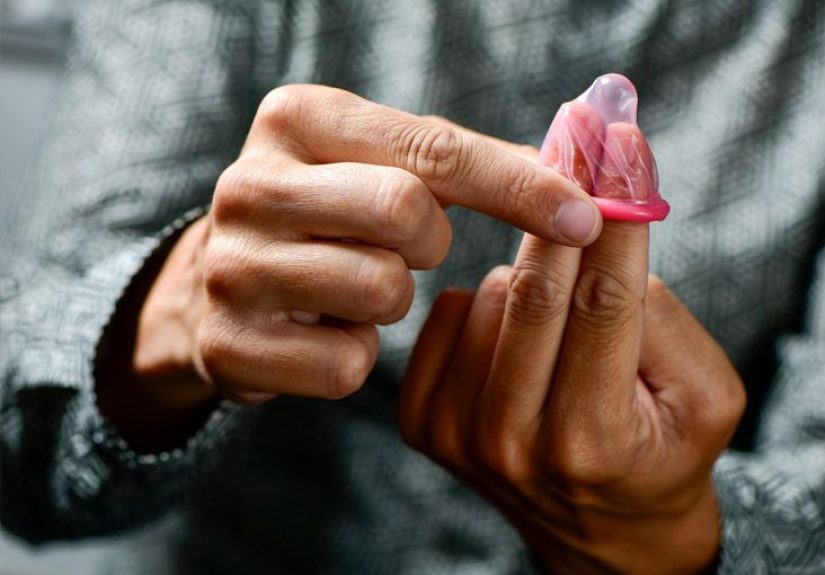
One of the most common condom mistakes is trying to roll it on the wrong way. If it does not roll down easily, it may be upside down. Do not flip and reuse the same condom after contact. Start over with a new one. Practice can make this feel less awkward, which is one reason some people use condoms during solo activity.
5. Use the Right Lubricant
Water-based and silicone-based lubricants are generally condom-friendly. Oil-based products can damage latex condoms, so avoid items like petroleum jelly, body oil, lotion, or cooking oils with latex condoms. When in doubt, read the product label. If the lubricant does not clearly say it is condom-compatible, choose another one.
6. Avoid Overdoing Lubricant Inside the Condom
A tiny amount of compatible lubricant may improve comfort, but too much inside a condom can make it slip. The goal is comfort, not turning the condom into a water slide. Use a small amount and follow standard condom guidance.
7. Pay Attention to Fit
Condoms come in different sizes and shapes. A condom that is too tight can feel uncomfortable or be more likely to break. A condom that is too loose can slip. Fit is not about ego; it is about function. The best condom is the one that stays in place and feels comfortable.
8. Stop If There Is Pain, Burning, or Irritation
Discomfort is information. If a condom, lubricant, or product causes pain, burning, itching, rash, or swelling, stop using it. Possible causes include latex sensitivity, fragrance irritation, certain lubricant ingredients, or friction. If symptoms continue, speak with a healthcare professional.
9. Choose Fragrance-Free When Possible
Fragranced products may sound fun, but sensitive skin often prefers boring. Fragrance-free condoms and lubricants may reduce the risk of irritation. Simple products are often the MVPs of sexual health.
10. Use One Condom at a Time
Using two condoms at once does not double protection. It can increase friction and make breakage more likely. One condom, used correctly, is the safer approach.
11. Never Reuse a Condom
Condoms are single-use products. After use, they should be thrown away in the trash, not flushed down the toilet. Reusing a condom increases the chance of tearing, slipping, and hygiene problems.
12. Know the Basics of Toy Hygiene
If sex toys are part of an adult reader’s sexual-health routine, cleaning matters. Follow the manufacturer’s cleaning instructions, wash hands before and after handling personal products, and avoid sharing toys unless they are properly cleaned and protected with a fresh barrier. Dirty intimate products can introduce bacteria and cause irritation or infection.
13. Match Condoms to Product Materials Carefully
Not every lubricant, condom, or intimate product works well together. Some oils can weaken latex. Some toy materials may react poorly with silicone lubricant. Product labels are your friend. If the label gives compatibility instructions, follow them. If it does not, choose a safer, clearly labeled alternative.
14. Keep Cleanup Simple and Hygienic
One reason people use condoms during solo activity is easier cleanup. Wrap the used condom in tissue and place it in the trash. Wash hands afterward. Clean any personal items according to their instructions. Good hygiene is not glamorous, but neither is dealing with irritation because cleanup was skipped.
15. Practice Consent and Communication Skills
Even though this guide focuses on solo sexual health, condoms are also part of partnered communication. Practicing how to handle condoms can make future conversations easier. In partnered situations, consent, comfort, and mutual respect matter just as much as technique.
16. Treat Condom Practice as Sexual Health Education
Using condoms correctly is a skill. Learning how to check the package, open it carefully, apply it the right way, use compatible lubricant, and dispose of it safely can reduce stress later. The goal is not perfection; it is confidence, safety, and respect for your body.
Common Mistakes to Avoid
Using Sharp Objects to Open the Wrapper
Never open a condom wrapper with scissors, teeth, or anything sharp. Tear carefully from the edge. Tiny damage can cause big problems.
Ignoring the Label
Labels explain material, expiration date, lubricant compatibility, and sometimes allergy information. Reading the label may not feel exciting, but it is better than guessing.
Using Household Products as Lubricant
Household products are not designed for intimate skin or condom safety. Use a lubricant made for sexual activity and clearly marked as condom-compatible.
Continuing Through Irritation
If something feels wrong, stop. Irritation is not a challenge to “push through.” Your body is allowed to vote no.
What About Condoms and Sex Toys?
For adult readers, condoms can sometimes be used as a barrier on certain personal devices to make cleanup easier or reduce direct contact with toy materials. However, safety depends on the toy’s shape, material, and manufacturer instructions. A condom should not be used in a way that causes slipping, tearing, or unsafe use of a product.
Choose body-safe materials when possible, avoid damaged products, clean items before and after use, and store them in a clean, dry place. If a product has cracks, sticky texture, strong odor, or visible wear, it may be time to replace it. Your body is not the place for “maybe this is still fine.”
When to Talk to a Healthcare Professional
Consider speaking with a doctor, sexual-health clinic, or trusted healthcare provider if you experience ongoing pain, irritation, rash, unusual discharge, bleeding, or allergic symptoms after using condoms, lubricant, or intimate products. Medical professionals have heard these questions before. You will not shock them. Their job is to help, not judge.
Extra Experience-Based Tips for Comfort, Confidence, and Safer Habits
People often feel awkward when learning about condoms. That is normal. Condoms come in little foil wrappers that somehow manage to make everyone feel like they are opening a secret document in a spy movie. But the more familiar you become with them, the less stressful they feel.
A useful experience-based approach is to treat condom handling like learning any other practical skill. The first time someone tries to use chopsticks, tie a tie, or assemble furniture from a box, the results may not be elegant. With condoms, the same idea applies: familiarity reduces anxiety. Knowing where the expiration date is, how the wrapper opens, which way the condom rolls, and what lubricant is compatible makes the whole topic feel less mysterious.
Another common lesson is that comfort is personal. One brand may feel different from another. Some people prefer thinner condoms, while others prefer latex-free materials because of sensitivity. Some lubricants feel better than others depending on skin type and product ingredients. This does not mean something is “wrong” with your body. It means bodies have preferences, just like people have opinions about pizza toppings.
Hygiene is also a major part of a positive experience. Washing hands, using clean products, avoiding expired condoms, and throwing away single-use items properly can prevent many problems. It sounds basic, but basics are powerful. A clean, calm, private environment is better than rushing, guessing, or using random products that were never designed for intimate skin.
For adult readers who use personal devices, the biggest experience-based tip is to follow the product instructions instead of internet rumors. Some materials require specific cleaning methods. Some should not be used with certain lubricants. Some are not designed to be covered with condoms. The manufacturer’s guidance may not be thrilling bedtime reading, but it is the safest source for that product.
Finally, confidence comes from information, not pressure. No one needs to perform, compare, or meet some imaginary standard. Sexual wellness is about safety, comfort, respect, and understanding your own boundaries. Condoms are just one tool in that larger toolkit. Used correctly, they can support healthier habits, easier cleanup, and better preparation for future partnered communication.
Conclusion
Learning about condoms in a calm, non-graphic, health-focused way can make sexual wellness feel less confusing and more responsible. Whether someone is learning about condom materials, lubricant compatibility, hygiene, or comfort, the key principles stay the same: check the label, use the right lubricant, avoid expired or damaged condoms, never reuse them, and stop if irritation occurs.
Condoms are not just products; they are part of a broader habit of caring for your body and respecting boundaries. The more informed a person is, the easier it becomes to make safer, more confident decisions.