Table of Contents >> Show >> Hide
- ASAP in Milan: A Small Shop With a Big Sustainable Idea
- Why Milan Is the Perfect Home for Slow Design
- What Makes ASAP Different From a Typical Milan Boutique?
- The Rise of Circular Fashion and Why ASAP Still Feels Relevant
- How to Shop ASAP-Style in Milan
- What to Look For: Textures, Knits, Blankets, and Quiet Souvenirs
- ASAP and the New Meaning of Luxury
- A Practical Mini Guide for Visiting Milan With an ASAP Mindset
- 500-Word Experience: A Day Shopping ASAP-Style in Milan
- Conclusion: Why ASAP in Milan Still Matters
- SEO Tags
Shopper’s Diary: ASAP in Milan is not just a story about buying beautiful things in Italy’s design capital. It is a love letter to slow design, clever reuse, and the rare boutique that makes you want to touch every folded blanket while whispering, “I’m just looking,” even though your suitcase is already emotionally prepared to expand.
ASAP in Milan: A Small Shop With a Big Sustainable Idea
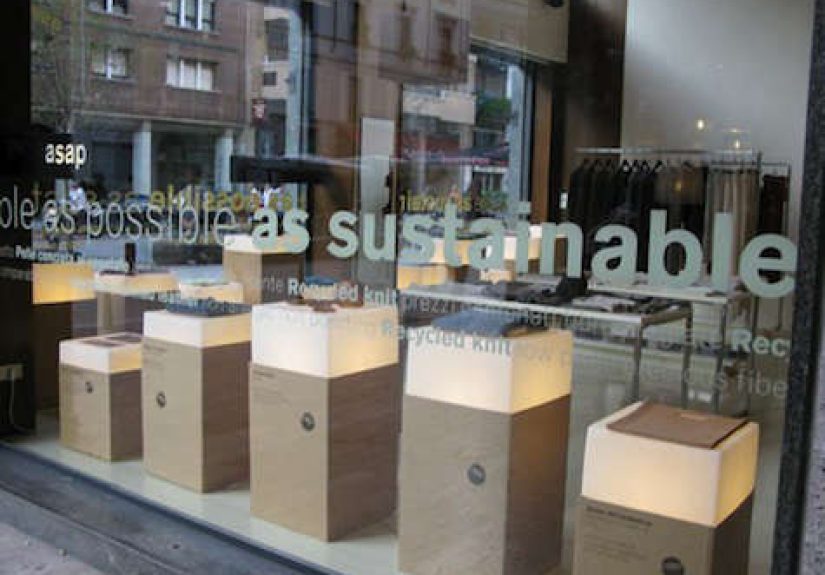
In Milan, fashion can feel like a parade of polished windows, perfect lighting, and mannequins that look better rested than most humans. Then there is ASAP, a Milanese design-shopping story with a quieter kind of glamour. ASAP stands for “as sustainable as possible,” a name that sounds urgent but actually asks shoppers to slow down.
The boutique was founded by Alberto Zanone and Carla Lasorte, with a concept rooted in an elegant problem: what happens to the leftover yarns, remnant knits, and high-quality materials that Italy’s luxury fashion manufacturers do not use? In many factories, those pieces become a headache. At ASAP, they became the beginning of a second life.
Instead of chasing mass production, ASAP focused on limited runs, one-of-a-kind pieces, and materials that already existed. Think cashmere blankets made from luxurious Italian yarns, knit accessories with character, and home pieces that feel both practical and quietly indulgent. It is sustainable fashion Milan style: polished, tactile, restrained, and just a little bit dangerous for anyone who claims they are “only browsing.”
Why Milan Is the Perfect Home for Slow Design
Milan has always had a special relationship with design. It is Italy’s fashion and business capital, but it is also a city of interiors, furniture, architecture, textile innovation, and hidden courtyards that seem to appear only when you have finally stopped staring at Google Maps. The city does not shout its charm the way Rome or Venice might. Milan prefers a well-tailored jacket, a sharp espresso, and a doorbell you have to know to ring.
That makes it an ideal place for a shop like ASAP. The boutique’s philosophy fits neatly into Milan’s design DNA: quality first, waste last, beauty always. In a city known for the Fashion Quadrilateral, Salone del Mobile, Brera galleries, and sleek concept stores, ASAP offers a softer counterpoint. It proves that sustainability does not have to look rustic, beige, or apologetic. It can be luxurious. It can be edited. It can be made in Italy and still carry a conscience.
The Garibaldi Connection
ASAP has been associated with Milan’s fashionable Garibaldi area, a neighborhood that works beautifully for design-minded wandering. Around Corso Garibaldi, Brera, and nearby creative districts, shoppers can move from boutiques to cafés to galleries without feeling trapped in a luxury mall. The atmosphere is stylish but lived-in, which is exactly the mood that helps a slow-design shop make sense.
This is not the Milan of buying a logo because everyone will recognize it from across the tram tracks. This is the Milan of looking closely at a seam, asking where the yarn came from, and deciding that the best souvenir might be a blanket with a story rather than a handbag with a waiting list.
What Makes ASAP Different From a Typical Milan Boutique?
The magic of ASAP is not only in what it sells. It is in the system behind the selling. Many fashion and textile businesses generate pre-consumer leftovers: surplus yarn, unused fabric, sample materials, and production remnants. These materials may be beautiful, expensive, and technically perfect, but if they do not fit a brand’s next production plan, they can sit unused or enter the waste stream.
ASAP’s concept turns that overlooked material into the main event. The result is a collection that naturally resists sameness. Quantities are small because the materials are limited. Colors and textures depend on what is available. Pieces feel personal because they cannot be endlessly repeated. In a world where online shopping can make every living room look like it came from the same algorithm, that limitation becomes a luxury.
Limited Edition Means Actually Limited
“Limited edition” is often marketing confetti. At ASAP, the idea is more practical and more honest. If a group of remnant cashmere yarns can make only a certain number of blankets, then that is the number. When the material is gone, the piece is gone too. This gives the shop an almost treasure-hunt quality. You are not just selecting from inventory; you are catching a moment before it disappears.
Luxury Without the Usual Noise
ASAP’s most appealing items are the ones that feel useful and indulgent at the same time. A cashmere blanket is not a trophy object. It is something you live with. A soft knit accessory is not trying to dominate an outfit. It simply makes life warmer, better textured, and more civilized. The shop’s sensibility feels very Milanese: understated, precise, and quietly confident.
The Rise of Circular Fashion and Why ASAP Still Feels Relevant
When ASAP first appeared on design shoppers’ radar, sustainable fashion was not yet as mainstream as it is today. Now, terms like circular fashion, deadstock fabric, recycled yarn, upcycling, slow design, and responsible production appear everywhere. Sometimes they mean real progress. Sometimes they mean a brand discovered green typography and a leaf icon. Shoppers have learned to be careful.
The reason ASAP’s idea still feels strong is that it is specific. It does not simply say, “We care about the planet.” It offers a clear model: take high-quality leftover materials from Italy’s fashion production system and transform them into desirable clothing, accessories, and home pieces. That is sustainability with a receipt, a texture, and preferably a very soft throw blanket.
The textile waste issue is not small. Clothing and household textiles are difficult to recycle at scale, especially when fibers are blended, dyed, treated, or combined with trims and hardware. Circular fashion aims to keep materials in use for longer, reduce waste, and design products with future reuse in mind. ASAP’s approach belongs to that larger conversation, but it does so without turning the shopping experience into a lecture. Nobody wants to be scolded while choosing cashmere.
Deadstock Is Not a Dirty Word
Deadstock materials are fabrics, yarns, or textiles left unused by manufacturers or brands. In the wrong hands, deadstock can become a vague buzzword. In the right hands, it can be a practical way to reduce waste and create special products without producing entirely new raw materials. ASAP’s work with remnant yarns and knit fabrics shows how deadstock can feel intentional rather than leftover.
The key is design discipline. Reuse alone is not enough. A remnant becomes desirable when someone understands proportion, color, hand feel, and function. That is where Milan’s design culture matters. ASAP does not treat sustainable materials as a compromise. It treats them as the starting point for better choices.
How to Shop ASAP-Style in Milan
Whether you are visiting ASAP specifically or simply building a Milan shopping itinerary inspired by its philosophy, the best approach is to slow down. Milan rewards shoppers who wander with intention. Start with neighborhoods rather than only famous streets. Brera offers galleries, design shops, and a polished village feeling. Garibaldi brings a mix of fashion, cafés, and creative energy. Isola has grown into one of Milan’s most interesting modern districts, with architecture, food, and independent retail adding texture to the city’s older style map.
For classic Milan luxury, the Quadrilatero della Moda is the obvious stop. For design lovers, the city’s furniture showrooms, vintage dealers, and concept stores offer a deeper education. And for shoppers interested in sustainability, the most rewarding finds often come from smaller boutiques where the staff can explain materials, makers, and production choices.
Ask Better Shopping Questions
At a boutique like ASAP, the smartest questions are not “Is this on sale?” or “Does it come in twelve colors?” Better questions include: What material is this made from? Is it produced in Italy? Is it part of a limited run? How should it be cared for? Does the color variation come from the remnant yarn? These questions help shoppers understand value beyond the price tag.
Buy for Use, Not Just for the Story
A sustainable purchase still needs to earn its place in your life. The best ASAP-style buy is something you will actually wear, use, fold over a sofa, wrap around your shoulders, or keep for years. A remnant-yarn blanket that lives on your bed is more sustainable than a “conscious” item that stays in a closet because it looked better in the shop lighting than in real life.
What to Look For: Textures, Knits, Blankets, and Quiet Souvenirs
The most memorable Milan purchases often do not scream “tourist souvenir.” They whisper. A beautifully made textile, a small home accessory, a scarf with unusual yarn, or a limited-run knit can carry the feeling of the city more elegantly than a magnet shaped like the Duomo. No offense to magnets; they are doing their best.
ASAP’s appeal lies in objects that feel intimate. Cashmere blankets are especially fitting because they sit at the intersection of fashion and interiors. They are wearable in spirit, domestic in function, and luxurious in touch. A remnant-yarn piece also carries a subtle design tension: it comes from surplus, yet it feels rare. That tension is what makes slow design interesting.
When shopping, look for pieces with texture you cannot easily find online. Notice how the knit behaves in your hands. Look at the finishing. Ask whether the color is seasonal or dependent on available yarns. Consider how the item will work in your home or wardrobe. Milan is very good at seducing shoppers into fantasy purchases, but the best Milan buys still make sense when you unpack them at home and your laundry basket is judging you.
ASAP and the New Meaning of Luxury
Luxury used to be measured mainly by rarity, price, brand recognition, and craftsmanship. Those still matter, but shoppers are increasingly asking different questions. Was this made responsibly? Does it reduce waste? Will it last? Can it be repaired, reused, or loved beyond a single season? ASAP anticipated that shift by making sustainability part of the product’s identity rather than an afterthought.
The new luxury is not about owning more. It is about owning better. It is about a blanket whose fibers were rescued from waste, a knit piece made in small quantities, or a shop that treats remnants as resources. In Milan, where beauty and industry have always had a complicated but productive relationship, this kind of luxury feels especially convincing.
Why the Concept Works for Home Design
Home accessories are a natural fit for remnant materials because they do not need to follow fashion’s rapid seasonal cycle. A blanket, cushion, or textile accent can stay relevant for years if the color, texture, and quality are right. This gives designers more freedom to use limited materials without worrying that the finished product will feel outdated by next month’s trend report.
For readers interested in sustainable home design, ASAP’s model offers a useful lesson: start with material intelligence. Before buying something new, ask whether existing materials have been used creatively. Before replacing an item, ask whether a better-quality piece might last longer. And before assuming sustainability means plain, remember that Milan would like a word.
A Practical Mini Guide for Visiting Milan With an ASAP Mindset
If you are planning a design-focused Milan trip, build in time for discovery. Do not schedule the day like a military operation with espresso breaks. Choose one or two neighborhoods and give yourself permission to wander. Milan’s best shops are often close to good cafés, courtyards, small galleries, and restaurants where lunch can accidentally become two hours. This is not a failure. This is Italy doing its job.
Because boutiques can move, change hours, or evolve over time, always verify current addresses and opening times before visiting a specific shop. For ASAP, older design-shopping references connect the boutique with Corso Garibaldi, while later listings have placed it near Viale Elvezia. Treat the shop as both a destination and a design idea: the important lesson is the Milanese blend of material reuse, limited production, and understated beauty.
Best Pairings for a Shopper’s Diary Day
Pair an ASAP-inspired visit with Brera for galleries and design stores, the Garibaldi area for independent retail and cafés, and the Quadrilatero della Moda for the full high-fashion contrast. If you love interiors, add a vintage furniture showroom or a design bookstore. If you love food, reward your ethical shopping decisions with risotto, because sustainability is important but so is lunch.
500-Word Experience: A Day Shopping ASAP-Style in Milan
The best way to understand the mood of Shopper’s Diary: ASAP in Milan is to imagine the day unfolding slowly. You begin with espresso, of course, because Milan without espresso is just architecture with meetings. The morning light is sharp but elegant, bouncing off tram tracks and pale building facades. You walk toward the Garibaldi area with no heroic shopping mission, only a vague promise to yourself that you will “look for inspiration.” This is the sentence travelers say before purchasing textiles.
Inside a slow-design boutique, the atmosphere changes. The city noise softens. Instead of racks packed with identical sizes and colors, you find pieces that seem to have arrived through a more thoughtful process. A folded blanket catches your eye first. It is simple, but the texture has depth. You touch it, then pretend you did not immediately develop an emotional attachment to a rectangle of cashmere. The staff explains that the material comes from remnant yarns, which means the color and quantity are limited. Suddenly the blanket is not just soft; it is a small rescue mission with excellent manners.
You notice how different this feels from ordinary shopping. There is no pressure to buy the newest thing just because it is new. The story is not about trend speed. It is about material, scarcity, and care. A scarf made from leftover knit fabric feels less like a compromise and more like a clever answer to a problem most shoppers never see. You begin to realize that sustainable fashion is most persuasive when it does not announce itself with a trumpet. It simply works.
After the shop, you wander through nearby streets and start seeing Milan differently. The city itself feels assembled from layers: old stone, new glass, private courtyards, fashion windows, bicycles, business suits, and students carrying portfolios. A sustainable design shop fits into that mix because Milan has always understood transformation. Factories become galleries. Industrial areas become creative districts. Leftover yarn becomes a blanket someone will keep for a decade.
Lunch becomes part of the diary. You sit outside if the weather allows, order something simple, and examine your purchase like a detective. The stitching is clean. The texture is better than you remembered. The color looks slightly different in daylight, which is a good sign; flat color belongs to screens, not textiles. You imagine it at home over a chair, at the end of a bed, or wrapped around your shoulders during a cold morning when you want to feel like a person who makes excellent decisions.
By late afternoon, the lesson of the day is clear. ASAP in Milan is not only a boutique story; it is a shopping philosophy. Buy fewer things. Ask smarter questions. Respect materials. Let limitation create beauty. Choose objects that can live with you, not just impress you for a weekend. And when in Milan, leave a little room in your suitcase. Slow design may be thoughtful, but it is not magically weightless.
Conclusion: Why ASAP in Milan Still Matters
Shopper’s Diary: ASAP in Milan captures a design idea that feels even more relevant today than when sustainable fashion was still a niche conversation. ASAP’s use of remnant yarns, recycled knit materials, and limited production offers a practical vision of what responsible luxury can be. It is beautiful without being wasteful, refined without being cold, and sustainable without requiring shoppers to dress like they are attending a composting seminar.
For design lovers, ASAP is a reminder that Milan’s best shopping is not always about famous labels. Sometimes it is about the quieter places where materials are respected, production is limited, and every object carries a trace of the hands and decisions behind it. That is the real diary entry worth keeping.