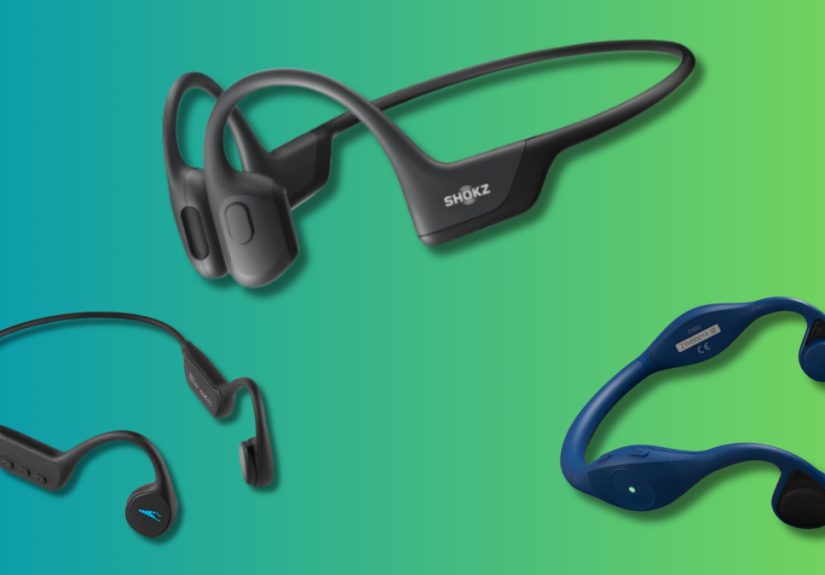
Table of Contents >> Show >> Hide
- Quick Picks: Best Bone Conduction Headphones of 2024
- What Makes a Great Bone Conduction Headphone?
- The Best Bone Conduction Headphones to Buy in 2024
- 1. Shokz OpenRun Pro 2 Best Overall
- 2. Shokz OpenRun Best for Runners
- 3. Shokz OpenSwim Pro Best for Swimming
- 4. Suunto Sonic Best Alternative to Shokz
- 5. Creative Outlier Free Pro Best Budget Waterproof Pick
- 6. Mojawa Run Plus Best for Water Workouts and Storage
- 7. Shokz OpenMove Best Entry-Level Bone Conduction Headphones
- Worth Considering: H2O Audio TRI 2 Pro
- How to Choose the Right Bone Conduction Headphones
- Real-World Experiences With Bone Conduction Headphones in 2024
- Final Verdict
Note: Clean publication-ready HTML body only. All citation artifacts have been removed, and SEO JSON is included at the end as requested.
If traditional earbuds make your ears feel like they are being punished for crimes they did not commit, bone conduction headphones might be your new favorite gadget. These open-ear headphones sit on your cheekbones instead of inside your ears, letting you listen to music, podcasts, and calls while still hearing traffic, conversations, and the occasional dog that has decided your running shorts are suspicious.
In 2024, bone conduction headphones are better than they used to be. Sound quality has improved, bass has become less shy, waterproof options are more practical, and several brands now offer onboard storage for swimming and phone-free workouts. That said, this category still has a clear personality: it is built for awareness, comfort, and movement first, and audiophile-level sound second.
After comparing expert reviews, real-world testing impressions, and official product specifications, these are the bone conduction headphones worth your money in 2024.
Quick Picks: Best Bone Conduction Headphones of 2024
| Model | Best For | Why It Stands Out |
|---|---|---|
| Shokz OpenRun Pro 2 | Best overall | Best mix of sound, comfort, battery life, and outdoor awareness |
| Shokz OpenRun | Best for runners | Lighter, durable, and still one of the easiest picks for daily training |
| Shokz OpenSwim Pro | Best for swimming | Bluetooth plus onboard MP3 storage with true swim-ready design |
| Suunto Sonic | Best Shokz alternative | Comfortable, lightweight, and strong enough for long outdoor sessions |
| Creative Outlier Free Pro | Best budget waterproof option | Affordable, IPX8-rated, and includes built-in storage |
| Mojawa Run Plus | Best for all-around water use | Strong in and out of the water with big onboard storage |
| Shokz OpenMove | Best entry-level pick | Budget-friendly way to try bone conduction without overspending |
What Makes a Great Bone Conduction Headphone?
Buying bone conduction headphones is a little different from shopping for regular wireless earbuds. You are not chasing the deepest bass or the kind of noise cancellation that makes you forget the outside world exists. You are shopping for a different bundle of priorities.
1. Awareness and safety
The main reason people buy bone conduction headphones is simple: they leave your ears open. That makes them especially popular with runners, cyclists, walkers, commuters, and anyone who does not want to be completely sealed off from the world.
2. Fit during movement
Good bone conduction headphones should stay put when you sprint, sweat, bend, or swim. A model can sound decent, but if it jiggles every time your foot hits the pavement, it is not making the cut.
3. Water resistance
Not all “sports headphones” are created equal. Some can survive sweat and rain. Others are built for full submersion. If swimming is part of your routine, you need a truly waterproof model with onboard storage, because Bluetooth and water have the chemistry of two exes at the same wedding.
4. Battery life and charging
For runners and cyclists, battery life matters more than flashy extras. Quick charging is also a big plus, especially when you realize five minutes before a workout that your headphones are as dead as your motivation on leg day.
5. Sound quality, within reason
Yes, sound still matters. Bone conduction models are getting better, especially premium pairs, but most still do not sound as full or detailed as strong in-ear earbuds. The best ones narrow that gap while keeping vibration and sound leakage under control.
The Best Bone Conduction Headphones to Buy in 2024
1. Shokz OpenRun Pro 2 Best Overall
If you want the best bone conduction headphones in 2024 without overthinking the decision, the Shokz OpenRun Pro 2 is the one to beat. It is the most complete package in the category, combining a secure fit, better sound than most rivals, improved bass response, and up to 12 hours of battery life.
What makes it special is that it pushes the category forward instead of just repeating the usual formula. The OpenRun Pro 2 blends bone conduction with air conduction elements to deliver clearer highs and more convincing low-end performance. No, it still will not replace a great pair of noise-canceling earbuds for serious listening, but for an open-ear sports model, it sounds impressively full.
It is also the pair that feels easiest to recommend for outdoor training. The fit is stable, the frame is comfortable, USB-C charging is a welcome upgrade, and the IP55 rating is enough for sweat, splashes, and bad-weather runs. For runners, cyclists, and walkers who want one premium pair that can do nearly everything except pool laps, this is the standout buy.
2. Shokz OpenRun Best for Runners
The Shokz OpenRun remains a favorite because it gets the fundamentals so right. It is lighter than the Pro 2, rated IP67 for stronger protection against sweat and rain, and built with the kind of wraparound fit that disappears once you start moving.
This is the model for people who care more about reliability than bragging rights. It does not have the same richer sound or upgraded bass of the newer flagship, but it is still clear, comfortable, and tough enough for regular training. If your idea of a good headphone is “stays on my head and doesn’t annoy me for 10 miles,” congratulations, this one speaks your language.
For many runners, the OpenRun may actually be the sweet spot. It offers enough battery life for most weekly workouts, quick charging for last-minute use, and the open-ear safety advantage that made Shokz such a big name in the first place.
3. Shokz OpenSwim Pro Best for Swimming
Swimming is where the category gets serious. The Shokz OpenSwim Pro is one of the most practical swim-ready bone conduction headphones you can buy because it adds what earlier swim models often lacked: flexibility. You get a waterproof IP68 design, onboard MP3 storage, and Bluetooth support for use on land.
That combination makes a real difference. In the pool, you can rely on stored audio because Bluetooth is unreliable underwater. On the road or at the gym, you can switch back to Bluetooth. In other words, this pair does not become a one-trick pool pony the moment you towel off.
The sound quality underwater is surprisingly solid for this type of headphone, especially with the included earplugs. Swimmers who have spent enough laps staring at a black line to begin questioning reality will appreciate just how much music or podcasts can improve a session. If your main use case includes laps, open-water training, or triathlon prep, this is the smart pick.
4. Suunto Sonic Best Alternative to Shokz
Shokz may dominate this category, but Suunto Sonic deserves real attention. It is lightweight, comfortable, and designed for outdoor athletes who want awareness without giving up practical battery life. With up to 10 hours of battery and an IP55 rating, it covers the needs of most runners, hikers, and cyclists.
The big reason to consider the Sonic is balance. It does not try to reinvent the category with wild gimmicks. Instead, it focuses on comfort, dependable performance, and enough sound quality to stay enjoyable on longer sessions. Several testers found it comfortable even over extended wear, which is important because a sports headphone should not become a face-hugging nuisance halfway through your workout.
If you want something outside the Shokz bubble, but you still want a serious athletic design from a respected endurance brand, Suunto Sonic is one of the best non-Shokz options in 2024.
5. Creative Outlier Free Pro Best Budget Waterproof Pick
Budget shoppers usually have to sacrifice features, but the Creative Outlier Free Pro offers more than you would expect for the money. It is waterproof, includes built-in storage, and works well for people who want a lower-cost way into the bone conduction world.
This is not the model to buy if you are obsessing over the best sound quality in the category. It is not that. But it does offer serious value. The onboard memory is useful for swimmers and race-day runners who do not want to carry a phone, and the IPX8 rating adds versatility that many cheap competitors simply do not have.
In plain English: it cuts the luxury polish, keeps the practical stuff, and lands in a price range that is much easier to justify. That makes it a very appealing pick for first-time buyers, casual athletes, and anyone who wants to spend under premium-Shokz money.
6. Mojawa Run Plus Best for Water Workouts and Storage
The Mojawa Run Plus is one of the more interesting alternatives in this space because it performs well both in and out of the water. It offers IP68 waterproofing, large onboard storage, and a design that suits people who split time between swimming, running, and general workouts.
Its biggest strength is versatility. Some waterproof bone conduction models feel overly specialized, but the Run Plus works as a more rounded sports headphone. It is especially appealing for athletes who want one pair to cover travel, treadmill sessions, pool work, and outdoor runs.
It also helps that the sound is well-regarded for the category, particularly in swim use. If you want more storage than the typical basic model and prefer a challenger brand with a strong sports angle, the Mojawa Run Plus is worth serious consideration.
7. Shokz OpenMove Best Entry-Level Bone Conduction Headphones
The Shokz OpenMove is the pair to buy if you are bone-conduction curious but not bone-conduction committed. It is more affordable than the brand’s higher-end models, with a lighter feature set and a lower barrier to entry.
You get the classic Shokz open-ear experience, a lightweight design, IP55 water resistance, and around six hours of battery life. That is not huge by premium standards, but it is plenty for walks, commutes, lighter workouts, and shorter runs. The sound is good enough for everyday use, and the price makes it far less painful if you are just testing whether this headphone style works for you.
Think of it as the starter pack for people who hate earbuds, want more environmental awareness, or just need a reliable pair for casual movement. It is not the most exciting model in this roundup, but it does its job well.
Worth Considering: H2O Audio TRI 2 Pro
The H2O Audio TRI 2 Pro is worth a look for swimmers and multi-sport athletes who care about waterproofing and offline audio features. It is especially attractive on paper thanks to its IPX8 protection and workout-focused design. That said, it is more of a niche recommendation than an across-the-board winner.
For pool use, it can make sense. For all-around land workouts, some testers found stronger alternatives in Shokz and Suunto. So this one lands in the “good for the right person” category rather than the “buy this first” tier.
How to Choose the Right Bone Conduction Headphones
If you only remember one thing, make it this: buy based on where you will use them, not just how much they cost.
- For road running and cycling: Go with Shokz OpenRun Pro 2 or OpenRun.
- For swimming: Choose Shokz OpenSwim Pro or a strong waterproof storage model like Mojawa Run Plus.
- For a lower budget: Look at OpenMove or Creative Outlier Free Pro.
- For trying something beyond Shokz: Suunto Sonic is the best place to start.
Also, be honest about your expectations. If you want booming bass, deep isolation, and airplane-ready immersion, regular earbuds are still the better tool. If you want comfort, awareness, and a headphone that plays nicely with sweat, sunglasses, helmets, and real life, bone conduction is where things get interesting.
Real-World Experiences With Bone Conduction Headphones in 2024
Using bone conduction headphones feels a little weird at first, and that is completely normal. The first time you put on a pair, your brain may need a few minutes to stop asking, “Why is the music coming from my face?” But once you adjust, the experience can be surprisingly freeing.
For runners, the biggest change is awareness. You can hear your playlist and still catch the sound of an approaching bike, a car at an intersection, or another runner saying “on your left” without it sounding like they are speaking through a wall. That makes outdoor workouts feel less isolated and, for many people, more comfortable. It is one of those features you do not fully appreciate until you go back to sealed earbuds and realize how disconnected they make you feel.
Comfort is another area where bone conduction headphones can really shine. People who dislike silicone ear tips, deal with ear fatigue, or simply hate the plugged-up feeling of in-ear headphones often find these much easier to live with. They are also handy if you wear them for long stretches while walking, working, or listening to podcasts around the house. No tips to jam in, no constant reseating, no random earbud launching itself into another dimension when you remove a hoodie.
That said, there are trade-offs. In noisy environments, like a busy subway platform or a windy street, bone conduction headphones can struggle. Because your ears stay open, outside noise competes with your music. If you crank the volume, you may notice vibration against your cheekbones, and some models leak enough sound that nearby people might hear a faint version of your guilty-pleasure playlist. Bone conduction is many things, but it is not subtle when you blast it to stadium levels.
Swimmers have a different kind of experience. Underwater, a good bone conduction model with onboard storage can feel borderline magical. The pool is usually a quiet place except for splashing, lane ropes, and your own internal monologue. Add music or spoken audio, and the whole workout becomes less repetitive. It does not turn lap swimming into a party, exactly, but it can make it dramatically less boring. For triathletes and serious swimmers, that is a meaningful upgrade.
There are also small day-to-day benefits people do not always think about. Bone conduction headphones tend to play nicely with glasses, hats, and some helmets, though fit can vary by head shape. They can also be more hygienic for sweaty workouts because they do not sit inside the ear canal. And if you take lots of calls while walking or commuting, open-ear designs can feel more natural than talking with your ears fully plugged.
In real life, the best bone conduction headphones are not about perfect sound. They are about removing friction. They make it easier to move, train, commute, and stay aware without fuss. That is why so many users end up loving them. Not because they are technically flawless, but because they fit into active life with less drama. And honestly, fewer dramatic headphones are something the world could use.