Table of Contents >> Show >> Hide
- Before You Forage: A Few Smart Rules
- 11 Foraged and Mostly Free Decorating Ideas
- 1. The Five-Minute Evergreen Mantel
- 2. Pinecone Place Cards That Cost Almost Nothing
- 3. Bare Branches in a Tall Vase
- 4. Dried Orange Garlands for Windows and Shelves
- 5. A Bowl of Winter Finds
- 6. Foraged Wreaths Without the Pressure
- 7. Greenery Around Mirrors and Picture Frames
- 8. Twig Stars and Mini Bundles
- 9. Magnolia Leaves for Instant Drama
- 10. Garden Clippings in Tiny Bottles
- 11. A Foraged Gift-Wrapping Station
- How to Make Foraged Decor Look Intentional
- Safety and Care Tips for Natural Holiday Decorations
- Why Foraged Decorating Feels So Good
- Conclusion: Let Nature Do Most of the Decorating
- Personal Experience: A Foraged Afternoon That Changed the Whole House
- SEO Tags
Holiday decorating does not have to begin with a shopping cart, a coupon code, and a mysterious box labeled “miscellaneous sparkle” hiding in the closet. Sometimes the fastest route to a festive home is outside the door: a handful of fallen pinecones, a few evergreen clippings, a bare branch with good bones, or the last pretty seed heads standing bravely in the garden like tiny winter sculptures.
That is the charm of foraged holiday decor. It feels personal, seasonal, relaxed, andbest of allmostly free. Instead of buying decorations that spend eleven months in storage, you borrow from the landscape, enjoy the moment, and return many materials to the compost when the season ends. It is sustainable decorating with a little mud on its boots and a lot of style in its pockets.
Below are 11 editor-inspired foraged decorating ideas that bring instant festivity to mantels, tabletops, doors, stair rails, windows, and quiet corners. The goal is not perfection. In fact, the best natural holiday decorations usually look slightly imperfect: a little wild, a little windswept, and far more interesting than anything that arrived shrink-wrapped.
Before You Forage: A Few Smart Rules
Foraged decor should be beautiful, legal, and safe. Gather only where you have permission, such as your own yard or a friend’s property. Avoid removing plants from public parks, protected land, nature preserves, or roadsides where collection may be restricted. A good rule: take what has already fallen first, and snip lightly from healthy plants only when allowed.
Shake out branches and pinecones outdoors before bringing them inside. Fresh greenery, wreaths, firewood, and plant material can carry insects, egg masses, or plant diseases. Also be cautious with berries and toxic plants. Holly berries, mistletoe, yew, and some seasonal plants can be dangerous to children and pets. When in doubt, place questionable materials high, use them outdoors, or skip them entirely. Festive is good; emergency vet visits are not the cozy memory we are trying to create.
11 Foraged and Mostly Free Decorating Ideas
1. The Five-Minute Evergreen Mantel
Fresh evergreen branches are the little black dress of natural holiday decor: simple, flattering, and hard to mess up. Collect windfall clippings of pine, cedar, fir, spruce, arborvitae, or juniper, then layer them across a mantel in one direction. Start with the bushiest pieces at the back and tuck smaller sprigs in front to hide stems.
For a polished look, add three elements: height, shine, and scent. Height can come from tall candlesticks or bare twigs in a vase. Shine can be as simple as glass ornaments you already own. Scent comes naturally from the greenery, but dried orange slices or cinnamon sticks can help if your branches are more “woodsy whisper” than “holiday forest.”
Editor tip: Do not overthink symmetry. Natural garlands look better when they lean slightly casual. The mantel should look dressed, not like it is standing for a passport photo.
2. Pinecone Place Cards That Cost Almost Nothing
Pinecones are the overachievers of free decorating. They sit nicely, smell faintly of the woods, and can become ornaments, bowl fillers, wreath accents, or tiny place card holders. For a dinner table, choose pinecones that are stable enough to stand upright. Slip a handwritten name card between the scales, and you have a rustic place setting in under two minutes.
For extra warmth, brush the edges with a little white craft paint for a snow-dusted effect, or tie a small ribbon around the base. Keep the colors restrained: kraft paper, cream card stock, dark green ink, or black calligraphy all work beautifully.
Specific example: For a table of eight, use pinecones as place cards, add one small evergreen sprig at each napkin, and run a thin line of tea lights down the center. Suddenly the table looks styled, and no one needs to know the centerpiece came from a walk after lunch.
3. Bare Branches in a Tall Vase
In winter, bare branches have a sculptural quality that feels elegant rather than empty. Look for fallen twigs with interesting angles, lichen, seed pods, or smooth bark. Arrange them in a tall ceramic pitcher, glass vase, or old crock. The result is minimal, dramatic, and ideal for people who like holiday decor but not holiday clutter.
Leave the branches plain for a modern look, or hang lightweight ornaments, paper stars, dried citrus rounds, or small gift tags. This is especially useful in small apartments where a full tree may not fit. A branch arrangement can become a tabletop tree with zero needles in the carpet and no wrestling match with a tree stand.
4. Dried Orange Garlands for Windows and Shelves
Dried citrus is not technically foraged unless you have an orange tree, but it is inexpensive, biodegradable, and wonderfully festive. Slice oranges thinly, dry them slowly in a low oven or dehydrator, then string them with twine. Hang the garland in a sunny window, across open shelving, over a mirror, or along a kitchen rail.
Orange slices glow beautifully when light passes through them. They also pair well with cinnamon sticks, bay leaves, cranberries, and evergreen sprigs. The look is nostalgic without feeling fussy, like a holiday card that learned how to relax.
Editor tip: Use a needle to thread through the dried peel near the edge of each slice. If the slices are still soft in the center, dry them longer before stringing. Nobody wants a garland that becomes fruit leather with ambition.
5. A Bowl of Winter Finds
Sometimes the easiest decor is simply a bowl filled with beautiful things. Use a wooden bowl, ironstone dish, shallow basket, or footed compote. Fill it with pinecones, acorns, seed pods, walnuts, dried leaves, interesting bark, dried orange slices, or small evergreen cuttings.
This idea is ideal for coffee tables, entry consoles, kitchen islands, and guest rooms. It gives the home a seasonal mood without requiring a craft session. If you want fragrance, tuck in cinnamon sticks, star anise, or cloves. If you want sparkle, add a few old ornaments or a strand of battery-powered micro lights.
The trick is editing. A bowl of natural materials looks intentional when the ingredients share a color palette. Choose browns and greens for a woodland look, or oranges and golds for a warmer holiday style.
6. Foraged Wreaths Without the Pressure
A wreath does not need to look like it was made by a professional florist wearing linen and whispering to eucalyptus. Start with a grapevine wreath form, a wire ring, or even a flexible loop of pruned vines. Tuck in evergreen tips, dried grasses, seed heads, pinecones, and small branches. Secure everything with floral wire, jute twine, or reusable green wire.
Asymmetrical wreaths are especially forgiving. Instead of covering the whole circle, decorate only one side or the bottom third. This saves material and creates a stylish, modern shape. Add a ribbon made from fabric scraps, an old linen napkin, or leftover velvet trim.
For outdoor doors, sturdier materials such as cedar, pine, magnolia, and pinecones hold up better than delicate dried flowers. Indoors, you can use more fragile elements because they will not battle wind, rain, and that one neighbor’s enthusiastic leaf blower.
7. Greenery Around Mirrors and Picture Frames
Mirrors are secret holiday heroes. They reflect candlelight, greenery, and twinkle lights, doubling the effect without doubling the work. Tuck small evergreen sprigs around the top of a mirror, secure a few branches with removable hooks, or place a simple swag over the frame.
This also works with framed art, kitchen shelves, and headboards. A single cedar branch above a mirror can make a hallway feel festive in seconds. Add a ribbon if you want polish, or leave it plain for a more natural, Scandinavian-inspired look.
Safety note: Keep greenery away from open flames, heat vents, radiators, and hot light bulbs. Fresh clippings dry out over time, and dry greenery is not something you want auditioning for a fireplace scene.
8. Twig Stars and Mini Bundles
Twigs are free, lightweight, and surprisingly chic when tied with care. Gather straight, slim sticks and cut them to similar lengths. For a twig star, form five points and tie each joint with twine or thin wire. Hang the stars in windows, on the tree, or above a child’s bed for a handmade winter look.
Mini twig bundles are even easier. Tie a small bundle with ribbon and place it on a napkin, gift package, or mantel. Add a sprig of rosemary, cedar, or dried lavender if you have it. The effect is humble but lovely, like the decor equivalent of homemade soup.
9. Magnolia Leaves for Instant Drama
If you live where magnolia grows, the leaves are decorating gold. Their glossy green tops and velvety brown undersides create instant contrast. Use them in wreaths, garlands, centerpieces, or simple vase arrangements. Even a handful of magnolia leaves tucked into store-bought greenery makes the whole display feel richer.
Magnolia also dries beautifully, often shifting into warm bronze tones. For a mantel, alternate magnolia leaves with pine or cedar. For a table, lay individual leaves down the center like a runner and place candles between them.
Specific example: For a holiday buffet, scatter magnolia leaves around serving platters, add a few pinecones, and place a small card that labels each dish. It looks intentional, keeps the table grounded, and takes less time than finding the serving spoon that somehow disappeared last year.
10. Garden Clippings in Tiny Bottles
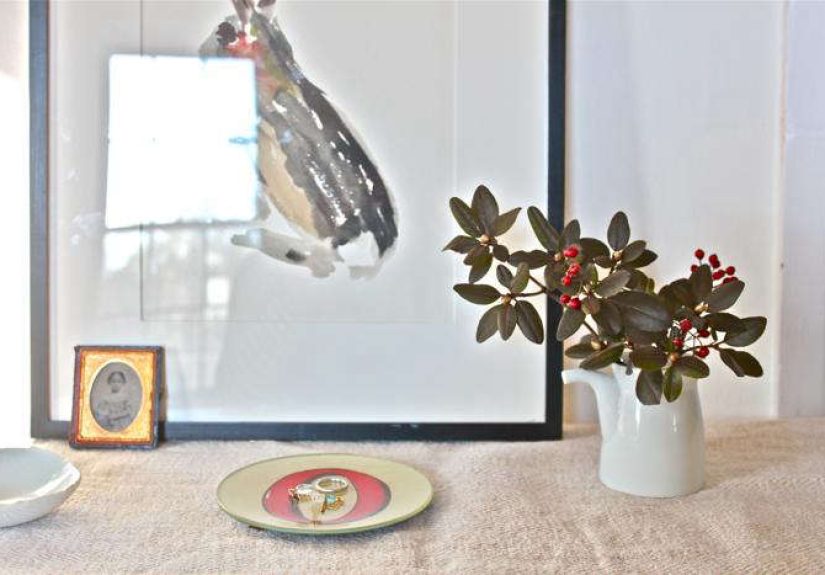
Small arrangements can make a bigger impact than one oversized centerpiece. Save glass bottles, jam jars, bud vases, or small cups. Fill each with one or two clippings: rosemary, cedar, boxwood, dried hydrangea, ornamental grass, red twig dogwood, or winterberry if it is safe and appropriate for your home.
Line the bottles down the center of a table, group them on a windowsill, or place one on a bathroom sink. This is an excellent idea for renters, busy hosts, or anyone who wants a festive home without committing to a full decorating marathon.
Editor tip: Odd numbers look best. Three bottles on a tray, five along a shelf, or seven down a dining table will usually feel more natural than perfectly matched pairs.
11. A Foraged Gift-Wrapping Station
Natural materials make plain gift wrap look expensive. Wrap gifts in kraft paper, newspaper, leftover wallpaper, brown bags, or fabric scraps. Then tuck in a pine sprig, small pinecone, dried orange slice, feather, seed pod, or rosemary cutting under the twine.
This approach turns every package into a tiny decoration. Stack the wrapped gifts under a tree, in a basket, or on an entry bench, and they become part of the room. The best part: you can customize each package. A cook gets rosemary. A gardener gets seed heads. A drama-loving friend gets the biggest pinecone in the county.
How to Make Foraged Decor Look Intentional
Choose a Simple Color Palette
Natural decor can become visually noisy if you use everything at once. Choose two or three main colors: green and brown, green and white, copper and cream, or evergreen with orange citrus. A limited palette helps humble materials look curated.
Repeat Materials Throughout the House
Repetition creates flow. If you use cedar on the mantel, add a cedar sprig to the dining table and one to a wrapped gift. If dried oranges appear in the kitchen, hang a few on the tree. The home will feel connected rather than decorated by eleven different committees.
Mix Fresh, Dried, and Reused Pieces
The most charming holiday rooms combine textures. Pair fresh greenery with dried seed pods. Mix pinecones with glass ornaments. Use old ribbons, inherited dishes, and simple candles. Foraged decor does not mean you must reject everything store-bought; it means you use fewer new things and give natural materials the starring role.
Safety and Care Tips for Natural Holiday Decorations
Fresh greenery lasts longer when kept cool and away from heat. Mist outdoor wreaths occasionally if the weather is dry. Indoors, check greenery every few days and remove pieces that become brittle. Keep plant material away from candles, fireplaces, heaters, and stovetops.
For homes with pets or children, avoid toxic berries and plants at low levels. If you love the look of red berries, consider using artificial berries attached securely, or place real berry branches outdoors where curious hands and paws cannot reach. Also inspect for pests before bringing natural materials inside. A quick shake, brush, or rinse can prevent surprise guests from joining dinner.
Why Foraged Decorating Feels So Good
Foraged decorating is not only about saving money, although that part is very welcome during a season when even ribbon seems to have developed luxury pricing. It is also about slowing down and paying attention. You begin to notice the curve of a branch, the color of fallen leaves, the scent of cedar after rain, the shape of pinecones under a tree. The landscape becomes a supply closet, but also a source of calm.
There is also a quiet confidence in decorating with what you already have. A home does not need to look like a catalog spread to feel festive. It needs warmth, care, and a few details that make people pause. A bowl of pinecones can do that. A branch with paper stars can do that. A line of dried oranges glowing in a window can absolutely do that.
Conclusion: Let Nature Do Most of the Decorating
The best foraged holiday decorating ideas are simple, seasonal, and forgiving. You do not need professional tools, rare materials, or a garage full of labeled storage bins. You need a basket, a pair of pruners, permission to gather, and a willingness to let nature be a little irregular.
Start small. Put evergreen clippings on a mantel. Fill a bowl with pinecones. Tie rosemary to a gift. Hang dried orange slices in the kitchen. Once you see how quickly natural materials transform a room, it becomes easier to skip the impulse purchases and trust the beauty already waiting outside.
Instant festivity is not about doing more. It is about seeing more: the branch on the path, the cones underfoot, the leaves still shining in winter light. Bring those details inside, give them a place of honor, and your home will feel festive in the most personal way possible.
Personal Experience: A Foraged Afternoon That Changed the Whole House
The first time I tried decorating mostly with foraged materials, I expected it to look charming in a slightly tragic waylike a craft project that had lost its instructions. I took a basket outside after a windy morning and found cedar clippings, a few pinecones, two branches with interesting bends, and a handful of dried seed heads that looked far more elegant once I stopped calling them “dead plants.”
Back inside, I spread everything on the kitchen table and immediately understood why editors love this style. The materials already matched. The greens, browns, grays, and soft golds belonged together because nature had done the color planning. No paint swatches required. No debate about whether “champagne mist” clashes with “winter ivory.” The answer was simply: put the branch in the vase and calm down.
I started with the mantel. Instead of making a formal garland, I layered cedar clippings loosely from left to right. Some pieces drooped. One piece stuck out like it had strong opinions. I left it. Then I added three candlesticks, a few pinecones, and one dried orange garland I had made the day before. The whole thing took about ten minutes, and the room suddenly looked as if someone thoughtful lived theresomeone who possibly owned matching napkins and did not keep batteries in three different junk drawers.
The next surprise was the dining table. I did not have flowers, so I used small bottles filled with clippings: one rosemary stem, one cedar sprig, one bare twig. Lined down the center of the table, they looked delicate and intentional. Guests noticed them more than they noticed the food, which was both flattering and mildly unfair to the potatoes.
My favorite detail was the gift wrapping. I used plain brown paper and tied each package with twine. Then I tucked a tiny evergreen sprig or pinecone under the knot. The gifts looked handmade without looking messy, and every package had its own personality. One had rosemary, one had cedar, one had a dramatic forked twig that made the recipient ask if the gift was cursed. It was not. It was socks.
What I learned from that afternoon is that foraged decorating works best when you stop trying to control every inch. Natural materials are not obedient. Branches curve. Pinecones lean. Leaves dry. Garlands shift. But that movement is exactly what makes the room feel alive. Store-bought decorations often try to freeze the holiday into a perfect image. Foraged decor lets the season breathe.
There was also a practical lesson: gather more than you think you need, but use less than you gather. The editing matters. A few strong branches in a vase look better than a crowded arrangement. A simple evergreen swag can be more beautiful than a mantel buried under every cone in the neighborhood. Foraged decor is free, but restraint is still stylish.
By evening, the house smelled faintly of cedar and citrus. The windows had a soft glow. The mantel looked festive, the table looked welcoming, and the entryway had a little bowl of pinecones that made even the mail pile seem less judgmental. Nothing was expensive. Nothing was complicated. Most of it could return to the earth after the holidays. That, to me, is the real magic of instant festivity: it proves that beauty does not always need to be bought. Sometimes it is just waiting on the ground, hoping you brought a basket.
Note: This original article synthesizes practical ideas from U.S. home, garden, extension, and safety guidance. Source links are intentionally not included in the body content per publishing requirements.