Table of Contents >> Show >> Hide
- Why Do Guinea Pigs Bite?
- How to Get Your Guinea Pig to Stop Biting You: 11 Steps
- 1. Stay Calm When Your Guinea Pig Bites
- 2. Figure Out the Trigger
- 3. Wash Your Hands Before Handling
- 4. Approach Slowly and Speak Softly
- 5. Pick Them Up the Right Way
- 6. Build Trust With Short Handling Sessions
- 7. Use Treats to Create Positive Associations
- 8. Respect Sensitive Areas
- 9. Provide Enough Hay, Chew Toys, and Enrichment
- 10. Check for Pain, Dental Problems, or Illness
- 11. Improve the Cage Setup and Daily Routine
- Common Mistakes That Make Biting Worse
- What Guinea Pig Body Language Tells You
- Experience Section: What It Feels Like to Train a Biting Guinea Pig
- Conclusion
Note: This guide is for everyday guinea pig care and behavior support. If your guinea pig suddenly starts biting, seems painful, stops eating, loses weight, drools, or acts unusually quiet, contact an exotic-animal veterinarian.
Guinea pigs are not tiny, furry villains plotting against your fingers from inside a hay pile. Most guinea pigs bite or nip because they are scared, uncomfortable, overstimulated, in pain, hungry, curious, or trying very hard to say, “Please stop doing that, giant human.” The good news? With calm handling, a better routine, and a little detective work, you can usually reduce biting and build a much sweeter relationship with your pocket-sized potato.
This guide explains how to get your guinea pig to stop biting you in 11 practical steps. You will learn why guinea pigs bite, how to handle them safely, what environmental changes help, and how to earn trust without turning every cuddle session into a dramatic finger lawsuit.
Why Do Guinea Pigs Bite?
Before correcting the behavior, you need to understand the message behind it. Guinea pigs rarely bite “for no reason.” A bite is usually communication. Some common causes include fear, rough handling, sudden movement, pain, territorial behavior, food smells on your hands, lack of chewing materials, cage stress, or simply being held too long.
Young guinea pigs may also nibble because they explore the world with their mouths. That does not mean you should ignore biting, but it does mean you should respond calmly instead of punishing them. Guinea pigs do not learn well from yelling, tapping, shaking, or forced handling. Those reactions only teach them that hands are scary, and scary hands are worth biting.
How to Get Your Guinea Pig to Stop Biting You: 11 Steps
1. Stay Calm When Your Guinea Pig Bites
Your first reaction matters. If your guinea pig nips you, avoid screaming, jerking your hand away, or dropping them. A sudden reaction can frighten them and may accidentally reinforce the behavior. Instead, stay steady, place your guinea pig safely back in their enclosure if needed, and give both of you a moment to reset.
If the bite breaks skin, wash the area with soap and water. For deeper bites, swelling, redness, or signs of infection, ask a medical professional for advice. For your guinea pig, the main lesson is this: biting should not become a fast elevator ride back to the cage every single time, but safety always comes first.
2. Figure Out the Trigger
Think like a guinea pig detective. Did the bite happen when you picked them up? While trimming nails? After touching their belly? Near food? During cage cleaning? When another pet was nearby? The trigger tells you what to fix.
For example, if your guinea pig bites only when you reach into a hideout, they may be defending their safe space. If they nip after five minutes of cuddling, they may need a bathroom break or simply be done with handling. If they bite when you touch one side of their body, pain could be involved. Keep a simple behavior note for a week: time, situation, body language, and what happened right before the bite.
3. Wash Your Hands Before Handling
Guinea pigs have excellent noses. If your fingers smell like carrots, apples, pellets, or yesterday’s sandwich, your guinea pig may mistake your hand for a snack. Wash your hands before handling, especially after preparing food.
This step sounds almost too simple, but it can solve a surprising number of “my guinea pig keeps biting me” complaints. To a guinea pig, a finger with cucumber scent may look like poor design, but it smells like lunch. Help them out. Remove the edible perfume.
4. Approach Slowly and Speak Softly
Guinea pigs are prey animals, which means sudden movements can feel threatening. A hand swooping down from above may remind them of danger. Instead, approach from the side, move slowly, and talk softly before touching them.
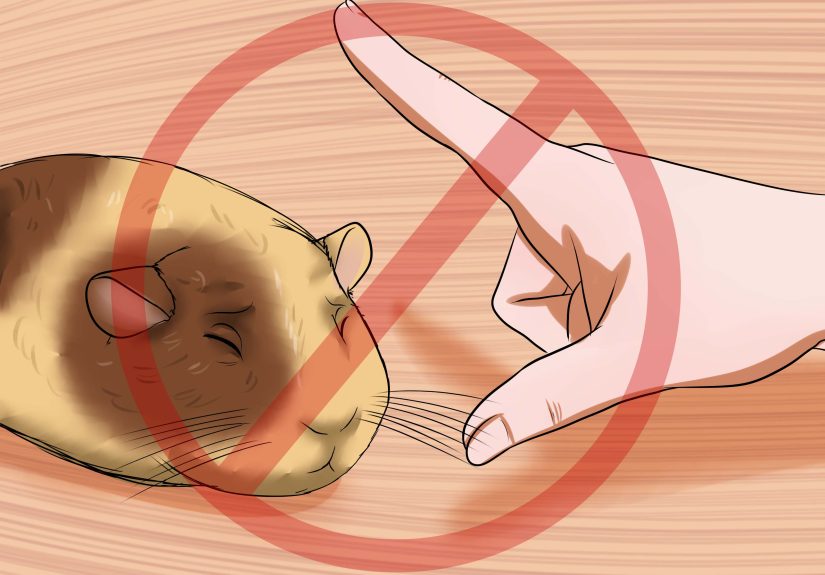
Try placing your hand near the cage entrance and letting your guinea pig sniff you. Do not chase them around the enclosure. Chasing teaches them that hands are predators with poor manners. Calm, predictable interactions teach them that hands bring vegetables, gentle touch, and zero drama.
5. Pick Them Up the Right Way
Improper handling is one of the biggest reasons guinea pigs nip. Always support the full body. Place one hand under the chest and front body, then use your other hand to support the hindquarters. Hold them close to your body so they feel secure.
Never lift a guinea pig by the scruff, legs, or shoulders alone. Do not hold them loosely in midair. Guinea pigs can be injured if dropped, and a frightened guinea pig may bite to escape. If your guinea pig is nervous, use a soft towel or cuddle sack to scoop them gently. This creates a safer “elevator” from cage to lap.
6. Build Trust With Short Handling Sessions
If your guinea pig is new, shy, or previously mishandled, do not rush cuddling. Start with short sessions of one to three minutes. Gradually increase the time as your guinea pig relaxes. End sessions before they become irritated.
Watch for signs that your guinea pig has had enough: fidgeting, teeth chattering, freezing, head tossing, pushing your hand away, restless walking, or repeated nipping. Think of handling like social battery management. Some guinea pigs are cuddly lounge potatoes. Others prefer brief meetings followed by snacks and personal space.
7. Use Treats to Create Positive Associations
Food is not bribery; it is diplomacy. Offer small pieces of guinea-pig-safe vegetables during calm interactions. Bell pepper, romaine lettuce, cilantro, or a small slice of cucumber can help your guinea pig associate your hands with good experiences.
Keep treats tiny so you do not upset their diet. Hold the treat with flat fingers or place it in a small dish if your guinea pig gets too excited. Reward calm behavior: coming toward you, sniffing without biting, sitting quietly on your lap, or allowing a gentle stroke. Over time, your guinea pig learns that calm behavior makes nice things happen.
8. Respect Sensitive Areas
Many guinea pigs dislike being touched on the belly, feet, rear end, or under the chin. Some dislike being petted against the direction of their fur. If your guinea pig bites when touched in one area, stop touching that area and observe carefully.
Most guinea pigs prefer gentle strokes along the head, cheeks, or back, but every guinea pig has preferences. Introduce touch slowly. Pet once, pause, and watch the reaction. If they stay relaxed, continue. If they tense, chatter, or nip, give them space. Consent matters, even when the creature giving consent looks like a baked potato with whiskers.
9. Provide Enough Hay, Chew Toys, and Enrichment
Guinea pig teeth grow continuously, so they need constant access to good-quality grass hay such as timothy or orchard grass. Hay supports digestion and helps wear down teeth naturally. Without enough hay and safe chewing options, a guinea pig may chew cage bars, objects, or occasionally your fingers.
Add safe enrichment such as tunnels, untreated cardboard, hay racks, paper bags with the handles removed, woven grass toys, and hideouts. A bored guinea pig is more likely to become restless and mouthy. A busy guinea pig has more important work to do, such as rearranging hay into modern art.
10. Check for Pain, Dental Problems, or Illness
A sudden change in behavior deserves attention. If a normally gentle guinea pig starts biting, pain may be the reason. Dental disease, overgrown teeth, sore feet, mites, urinary discomfort, injury, or digestive issues can make handling unpleasant.
Watch for warning signs: reduced appetite, weight loss, drooling, difficulty chewing, smaller droppings, hiding more than usual, squeaking when touched, scratching, hair loss, or a hunched posture. Guinea pigs also need daily vitamin C from appropriate foods or supplements because they cannot make it themselves. Poor nutrition can contribute to health problems, and discomfort can lead to defensive biting.
Do not try to diagnose serious issues at home. Guinea pigs can hide illness until they are very unwell. If biting appears suddenly or comes with physical symptoms, schedule a visit with an exotic-animal veterinarian.
11. Improve the Cage Setup and Daily Routine
A stressed guinea pig is more likely to nip. Make sure the enclosure is roomy, clean, well-ventilated, and placed in a calm area away from loud noises, direct sun, drafts, and curious dogs or cats. Provide multiple hideouts, especially if you have more than one guinea pig.
Guinea pigs are social animals, but introductions must be done carefully. Conflict between cage mates can increase stress and make a guinea pig more defensive with humans. Give each guinea pig enough food space, water access, hiding areas, and room to move. A peaceful habitat creates a calmer pet, and a calmer pet is much less likely to use your finger as a complaint form.
Common Mistakes That Make Biting Worse
Even loving owners can accidentally encourage biting. One common mistake is grabbing a guinea pig quickly because “it will only take a second.” To the guinea pig, that second feels like a wildlife documentary. Another mistake is holding them too long. If your guinea pig gets squirmy, give them a break before they feel forced to nip.
Punishment is another big problem. Yelling, flicking, spraying water, or tapping the nose can damage trust. Guinea pigs do not understand punishment the way humans imagine they do. They mainly learn that you are unpredictable. Instead, use patience, routine, and rewards.
Finally, do not ignore medical causes. If your guinea pig bites during nail trims, grooming, or lifting, it might not be “attitude.” It may be fear, pain, or lack of training. Gentle practice and veterinary support are far more effective than frustration.
What Guinea Pig Body Language Tells You
Learning body language can prevent bites before they happen. A relaxed guinea pig may explore, softly wheek, purr gently, stretch out, or accept food calmly. A nervous guinea pig may freeze, hide, widen their eyes, chatter their teeth, toss their head, or try to run. Teeth chattering is usually a warning. Respect it.
If your guinea pig gives a warning nip, treat it as information. Ask yourself: “What did my guinea pig need right before this happened?” Maybe they needed to pee, return to the cage, avoid a certain touch, or feel more secure. Once you understand the message, the biting becomes easier to reduce.
Experience Section: What It Feels Like to Train a Biting Guinea Pig
Working with a biting guinea pig can feel personal at first. You feed them fresh vegetables, clean their cage, buy them adorable tunnels, and then they repay you by sampling your finger like it is a questionable baby carrot. But once you stop seeing biting as betrayal and start seeing it as communication, the whole process becomes much easier.
In real-life guinea pig care, progress often happens quietly. The first win may not be a perfect cuddle session. It may be your guinea pig sniffing your hand without nipping. It may be them taking lettuce from your fingers politely instead of lunging like a tiny salad dragon. It may be one calm minute on your lap before they ask to go home. These moments matter because trust is built in small, repeatable pieces.
One helpful experience many owners discover is that guinea pigs love routine. If feeding, cleaning, floor time, and handling happen in a predictable order, guinea pigs become less suspicious. For example, you might start each evening by refreshing hay, speaking softly, offering a small veggie, and then placing your hand near the cage door. After several days, your guinea pig may begin walking over instead of hiding. That is not magic. That is consistency.
Another practical lesson: lap time works better when it includes a towel, a hidey blanket, and a clear ending. A nervous guinea pig sitting exposed on a lap may feel trapped. But a guinea pig tucked into a soft fleece fold, supported securely, and offered a tiny snack is more likely to relax. Keep the session short. End while things are still going well. It is better to have three peaceful minutes than fifteen minutes ending in a bite and wounded feelings.
Owners also learn that each guinea pig has a personality. Some are brave snack inspectors. Some are shy philosophers. Some enjoy head scratches but consider belly touching a criminal offense. Respecting these preferences does not mean your guinea pig “wins.” It means you are building trust with the animal you actually have, not the imaginary guinea pig from a cute internet video.
The biggest experience-based tip is to celebrate slow improvement. A guinea pig that bites less often, gives warnings before biting, or calms down faster is improving. Behavior change is rarely instant. With prey animals, patience is not optional; it is the whole recipe. Add safe handling, daily hay, good nutrition, enrichment, and gentle repetition, and your guinea pig can learn that your hands are not dangerous. They may even decide your hands are useful servants in the grand kingdom of lettuce.
Conclusion
Getting your guinea pig to stop biting you starts with understanding why the bite is happening. Most biting comes from fear, discomfort, food smells, poor handling, stress, boredom, or pain. Once you identify the trigger, you can respond with calm handling, short sessions, positive reinforcement, a better cage setup, plenty of hay, and veterinary care when needed.
The goal is not to “dominate” your guinea pig. The goal is to become predictable, gentle, and trustworthy. When your guinea pig feels safe, supported, and understood, biting usually becomes less frequent. And when that happens, you get the best reward: a calmer guinea pig, safer hands, and a friendship built on snacks, patience, and mutual respect.