Table of Contents >> Show >> Hide
- Quick Answer: Is It Safe to Smoke While Wearing a Nicotine Patch?
- How Nicotine Patches Work (and Why They’re Not “Just Like Smoking”)
- What Happens If You Smoke with a Nicotine Patch On?
- Why the Advice Sounds Confusing (You’re Not Imagining It)
- If You Smoked with a Patch On: What to Do Next
- How to Prevent This From Happening Again (Without White-Knuckling It)
- Special Situations: When You Should Talk to a Clinician First
- FAQ: Common Questions People Ask (Usually While Side-Eyeing Their Patch)
- Conclusion
- Real-World Experiences: What People Commonly Go Through (and What It Might Mean)
- Experience #1: “I put on the patch… and still wanted a cigarette immediately.”
- Experience #2: “I slipped and smoked while wearing the patchthen I felt nauseated.”
- Experience #3: “The patch helped… but my sleep got weird.”
- Experience #4: “I kept ‘just one’ cigarette a day with the patch, and quitting felt stuck.”
- Experience #5: “I thought quitting was only willpowerthen the patch made it feel possible.”
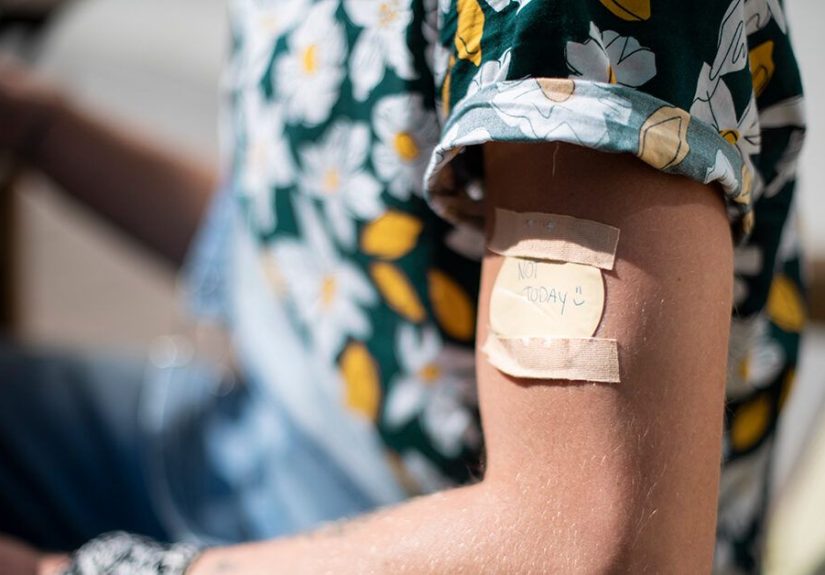
Picture this: you’ve got a nicotine patch stuck on your arm like a tiny, determined life coach. You’re feeling proud. You’re feeling hopeful.
Thenbamyour brain whispers, “One cigarette won’t hurt.” Now you’re staring at your patch like it’s going to call your mom.
So what’s the real deal? Can you smoke with a nicotine patch on? Technically, yesyou physically can. But whether you should
is where the story gets spicy. Smoking while wearing a nicotine patch can make you feel lousy (hello, nicotine overload) and can also sabotage the whole
“I’m quitting” plan you’re trying to build. The good news: a slip doesn’t mean you failed. It means you’re humanone with a nervous system that’s used
to nicotine doing backflips on demand.
This guide breaks down what actually happens when you smoke with a patch on, why advice sometimes sounds contradictory, what to do if it happens,
and how to use the patch in a way that makes quitting feel more doable (and less like wrestling a greased pig in a windstorm).
Quick Answer: Is It Safe to Smoke While Wearing a Nicotine Patch?
In most cases, one accidental cigarette while wearing a nicotine patch is unlikely to be an emergencybut it can lead to
nicotine overdose symptoms like nausea, dizziness, sweating, headache, a racing heartbeat, or feeling shaky.
That’s because you’re getting nicotine from two directions at once: a steady drip from the patch plus a fast hit from the cigarette.
Here’s the nuance: some public health guidance says you can keep using the patch even if you “slip” and smoke, because stopping the patch can lead
to stronger cravings and a full relapse. On the other hand, many product labels (and some health organizations) still warn you not to smoke while using
nicotine replacement therapy. Both are trying to protect youjust from different angles.
Bottom line: Don’t plan to smoke with a patch on. But if it happens, don’t panicuse it as a data point and a chance to adjust your quit strategy.
And if you feel symptoms that seem severe or scary (chest pain, fainting, confusion, trouble breathing, severe vomiting), treat it as urgent.
How Nicotine Patches Work (and Why They’re Not “Just Like Smoking”)
A nicotine patch is a form of nicotine replacement therapy (NRT). It delivers nicotine through your skin at a slow, steady rate to reduce
withdrawal symptoms while you stop smoking. Unlike cigarettes, patches don’t deliver nicotine in a rapid spike. They’re more like a drip coffee than an espresso shot.
What the patch does well
- Smooths out cravings: steadier nicotine levels can reduce the “I need it NOW” panic.
- Reduces withdrawal symptoms: irritability, restlessness, and that “I can’t focus on anything except smoking” feeling may ease.
- Fits real life: you put it on and go. No chewing, no dosing every hour, no “Waitdid I already use a lozenge?” mental math.
What the patch doesn’t do
- It doesn’t replace the habit rituals: the hand-to-mouth routine, stress breaks, social smoking, and “reward cigarette.”
- It can’t instantly crank up nicotine: if a craving hits hard, the patch doesn’t respond like a vending machine.
That last point is why many quit programs combine the patch (long-acting) with gum or lozenges (short-acting) for breakthrough cravingsbasically,
a nicotine “base layer” plus an “emergency snack.”
What Happens If You Smoke with a Nicotine Patch On?
When you smoke while wearing a patch, you’re stacking nicotine. The patch is already delivering nicotine into your bloodstream.
A cigarette adds more nicotine quickly. For many people, the result is not dramaticit’s just uncomfortable.
Think: “My body is politely requesting that I stop doing this.”
Common nicotine overload symptoms
- Nausea or upset stomach
- Dizziness or lightheadedness
- Sweating or clamminess
- Headache
- Shakiness or weakness
- Rapid heartbeat / palpitations
- Feeling “off,” anxious, or unusually jittery
In many cases, symptoms improve when you stop smoking (and sometimes by removing the patch if symptoms persist).
The bigger concern is repeated or heavy smoking while using the patchespecially with higher-dose patchesbecause your nicotine level can climb higher
and stay elevated.
Why the Advice Sounds Confusing (You’re Not Imagining It)
If you’ve read “Never smoke with a patch” in one place and “If you slip, keep the patch on” in another, welcome to the club.
This confusion comes from the fact that nicotine patch labeling and public health messaging have evolved over time.
Historically, many over-the-counter NRT products warned people not to use them if they were still smoking. Over time, research and clinical practice
broadened. Some experts began using a strategy called “pre-quit treatment” (also known as nicotine “preloading”), where a person starts
NRT before their quit date to reduce smoking satisfaction and ease the transition.
Meanwhile, product labels are designed to be cautious and broadly applicable. Some still contain strong “do not smoke” wording, and some health organizations
emphasize avoiding dual use because nicotine can build up to unpleasant or toxic levels. Public health programs focused on real-world quitting,
however, often emphasize: “If you slip, don’t throw away the entire plan.”
The practical takeaway: your goal is to stop smoking. Use the patch to help you get there. If you smoke while wearing it, treat it as a
signalnot a moral failing.
If You Smoked with a Patch On: What to Do Next
Here’s a simple, no-drama checklist. (Your patch is not mad. It’s just doing math.)
Step 1: Stop smoking and pause
Put out the cigarette. Take a breath. Don’t “finish it so it’s not wasted.” Your body is not a trash can.
Step 2: Check how you feel
- If you feel fine or only mildly off: drink water, eat something light, and continue your quit plan.
- If you feel nauseated, dizzy, sweaty, shaky, or your heart is racing: stop nicotine intake and consider removing the patch.
Step 3: If symptoms are more than mild, remove the patch
Peel it off, wash the area with water (avoid harsh scrubbing), and monitor symptoms. Nicotine from a patch doesn’t stop instantly, but removing it can reduce
continued dosing.
Step 4: Know when to get help
If symptoms are severe, worsening, or you’re worried, contact medical help. In the U.S., you can contact Poison Control (free, expert, confidential) at
1-800-222-1222. Call emergency services if someone collapses, has a seizure, can’t be awakened, or has trouble breathing.
How to Prevent This From Happening Again (Without White-Knuckling It)
Most “patch + cigarette” moments happen for one of three reasons: the nicotine dose is too low, the routine triggers are still running the show, or the quit plan
is too vague (“I’ll just… not smoke” is not a plan; it’s a wish).
1) Make sure your patch dose matches your smoking level
If you’re having strong cravings while on the patch, you may need a different doseor extra support like gum/lozenges for breakthrough cravings.
Many patch programs step down over several weeks (for example, higher dose first, then lower doses later).
Don’t wear two patches unless a clinician tells you to.
2) Use “breakthrough” tools for sudden cravings
- Nicotine gum or lozenges: helpful for cravings that slam into you like a surprise meeting invite.
- Delay + distract: set a 10-minute timer, walk, stretch, sip water, chew something crunchy.
- Change your scenery: cravings are often location-based (car, porch, certain chair, certain person who “just needs to talk”).
3) Build a “two-sentence” quit plan
Keep it small and specific. Example:
“If I crave a cigarette, I will use a lozenge and walk outside for five minutes.”
“If I slip, I will throw out the cigarettes and continue my patch schedule.”
Special Situations: When You Should Talk to a Clinician First
Nicotine patches are widely used, but some situations warrant extra guidance. Consider checking in with a healthcare professional if you:
- Have heart rhythm problems, recent chest pain, or uncontrolled high blood pressure
- Are pregnant or breastfeeding
- Are under 18
- Take medications that may need adjustment when you stop smoking (smoking can affect how your body processes certain drugs)
- Have severe skin reactions to adhesives or frequent rashes
Also, if you keep smoking while on the patchnot a one-off slip, but regular daily smokingit’s a sign you need more support, a different approach,
or both. That can mean adjusting the dose, adding a short-acting NRT, using counseling, or discussing prescription options with a clinician.
FAQ: Common Questions People Ask (Usually While Side-Eyeing Their Patch)
Should I take the patch off before I smoke?
Ideally, you don’t smoke at all while using the patch. Removing the patch right before smoking may reduce “nicotine stacking,” but nicotine can continue
entering your bloodstream for a while even after removal. If you’re feeling symptoms of nicotine overload, removing the patch is reasonable.
If you’re planning to smoke regularly, you need a different quit strategy.
If I smoked with the patch on, should I stop using the patch?
Not necessarily. Many quit resources emphasize continuing your patch schedule after a slip to reduce the chance of full relapse.
If you feel symptoms of nicotine overdose, remove the patch and seek guidance. Otherwise, recommit and keep going.
Can I vape while using a nicotine patch?
Vaping (especially nicotine-containing e-cigarettes) plus a patch can also increase nicotine exposure. The same “stacking” concept applies.
If your goal is to quit nicotine entirely, dual use tends to keep dependence alive. If you’re trying to transition away from smoking,
talk to a clinician or quit coach about the safest strategy for you.
What’s the best support to pair with a patch?
Coaching and accountability help a lotbecause quitting is both chemistry and habit. Many people use quitlines, text programs, apps, counseling,
or a structured quit program. If you’re in the U.S., the national quitline portal is 1-800-QUIT-NOW.
Conclusion
Yes, you can smoke with a nicotine patch onbut it’s like wearing a seatbelt and still deciding to drive into a cactus.
The patch is designed to make quitting easier by delivering nicotine steadily and reducing withdrawal. Smoking on top of it can increase nicotine levels,
make you feel sick, and keep your dependence loop running.
If you slip and smoke, don’t scrap the whole effort. Stop the cigarette, assess symptoms, and keep moving forward. If you’re having constant cravings while using
the patch, that’s a solvable problem: the dose may need adjustment, you may benefit from adding gum/lozenges for sudden cravings, and extra support can make the plan
stick. Quitting often takes more than one attemptbut each attempt teaches you what works.
Real-World Experiences: What People Commonly Go Through (and What It Might Mean)
The stories below are composite experiences based on common patterns reported in quit programs, clinician guidance, and real-life quit attempts.
(In other words: no, I didn’t eavesdrop on your living room. These are the usual plot twists.)
Experience #1: “I put on the patch… and still wanted a cigarette immediately.”
This is incredibly commonespecially in the first few days. A patch can reduce withdrawal, but it doesn’t erase the habit cues. One person described it as,
“My arm felt supported, but my brain still wanted the ritual.” That’s a clue to plan for triggers: the morning coffee, the car ride, the after-meal moment.
People who do best often add one extra tool for “breakthrough cravings,” like a lozenge, sugar-free gum, a quick walk, or a 10-minute delay rule.
When the craving passes (and most do), the urge loses some of its power the next time.
Experience #2: “I slipped and smoked while wearing the patchthen I felt nauseated.”
This is one of the most classic outcomes. Someone takes a few drags and suddenly feels sweaty, dizzy, or queasylike their body is saying,
“We have enough nicotine, thanks.” Many people report they can’t even finish the cigarette. That’s nicotine stacking in action.
In these situations, people often do best when they stop immediately, hydrate, eat something bland, and avoid more nicotine for a bit.
If symptoms are more than mild, removing the patch and getting advice is sensible.
Experience #3: “The patch helped… but my sleep got weird.”
Vivid dreams are a frequently mentioned side effect. People have reported everything from “extra detailed dreams” to “why was I debating taxes with a talking
raccoon?” Some patch users choose to remove the patch at bedtime if sleep disturbances become a problem, then apply a new patch in the morning.
Others prefer to keep it on overnight because morning cravings feel more manageable. This is one of those “you’re not doing it wrong” momentsjust adjusting
the method so it works with your life.
Experience #4: “I kept ‘just one’ cigarette a day with the patch, and quitting felt stuck.”
A lot of people get trapped in a frustrating middle ground: not fully smoking as before, but not fully quitting either. The patch can make cigarettes feel less
satisfying, which is goodbut it can also make someone think they can keep a tiny amount of smoking “safely.” What many people eventually notice is that
the dependence loop stays alive: the brain still treats nicotine as a daily requirement. The turning point often comes from switching from “reduction” to a clear
quit date, adding support (quit coach, counseling, accountability buddy), and making cigarettes less available (no “emergency pack,” no buying singles, no keeping
a lighter “just in case”).
Experience #5: “I thought quitting was only willpowerthen the patch made it feel possible.”
This one shows up a lot: people realize that withdrawal symptoms aren’t a character flawthey’re biology. With steadier nicotine levels, irritability and
restlessness can dial down enough to practice new habits: taking breaks without smoking, handling stress without a nicotine hit, and sitting through cravings
without obeying them. People often describe a moment like, “I still wanted to smoke, but I wasn’t panicking.” That’s huge. It creates a gap between urge and action.
In that gap, a better choice can happen: a lozenge, a walk, a glass of water, a text to a friend, or just a deep breath and five minutes of waiting.
If there’s one consistent theme across these experiences, it’s this: quitting works better when you treat it like a skillnot a test.
Skills can be practiced, adjusted, and improved. And if you mess up, you don’t failyou iterate.