Table of Contents >> Show >> Hide
- What Does “Red Eye” Actually Mean?
- Common Reasons Your Eyes Are Always Red
- 1. Dry Eye: The Classic Culprit
- 2. Digital Eye Strain: Your Screen Is Not Innocent
- 3. Allergies: When Your Eyes Overreact to the World
- 4. Pink Eye: Not Every Red Eye Is Pink Eye
- 5. Contact Lens Irritation or Infection
- 6. Blepharitis: The Eyelid Problem That Irritates the Eye
- 7. Environmental Irritants
- 8. Lack of Sleep
- 9. Overusing Redness-Relief Drops
- 10. Broken Blood Vessel
- When Red Eyes Need Urgent Attention
- How to Calm Mild Red Eyes at Home
- How an Eye Doctor Figures Out the Cause
- Real-Life Experiences: What “Always Red Eyes” Often Feels Like
- Conclusion
Red eyes are the eye-health version of your phone battery hitting 2%: not always an emergency, but definitely a sign that something needs attention. Maybe your eyes look bloodshot after a late night, a marathon study session, a pollen-filled walk, or one too many hours staring at a screen like it owes you money. Or maybe the redness never seems to leave, and you are starting to wonder whether your eyeballs have joined a tomato cosplay club.
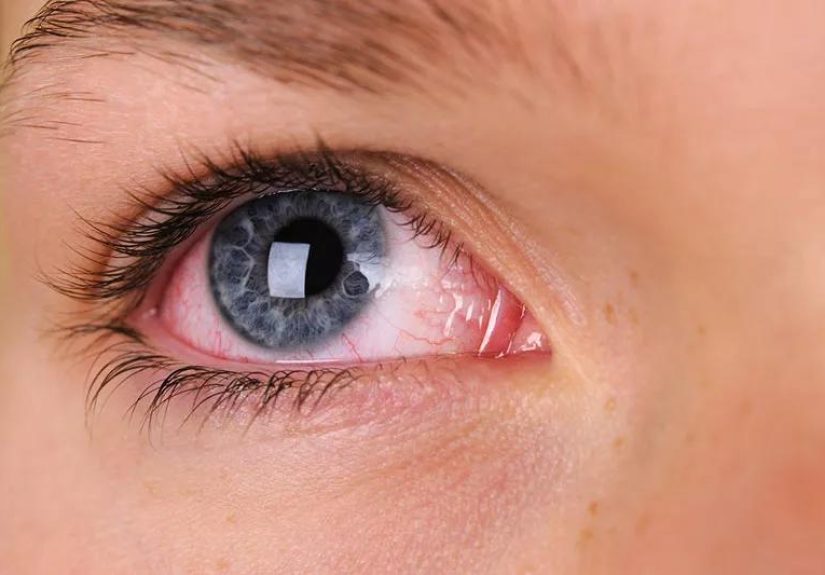
The short answer is this: eyes become red when tiny blood vessels on the surface of the eye expand, become irritated, or inflamed. The longer answer is more interesting. Persistent red eyes can come from dry eye, allergies, contact lens irritation, blepharitis, pink eye, eye strain, environmental triggers, medications, or, less commonly, serious conditions that need urgent care. This guide breaks down the most common reasons your eyes are always red, what symptoms can help you narrow down the cause, and when it is time to stop guessing and call an eye doctor.
This article is for general education, not a diagnosis. Your eyes are tiny, complicated, and surprisingly dramatic organs. When in doubt, let a professional look at them with actual medical equipment instead of relying on bathroom lighting and panic-Googling.
What Does “Red Eye” Actually Mean?
“Red eye” is a broad term for redness in the white part of the eye, around the eyelids, or across the eye’s surface. It can affect one eye or both. It may appear as pinkness, visible blood vessels, a bloodshot look, or a bright red patch. Sometimes the redness comes with itching, burning, watering, discharge, crusting, blurry vision, light sensitivity, or pain.
The key question is not only “Why are my eyes red?” but also “What else is happening?” Redness with mild dryness after screen use is very different from redness with eye pain, vision changes, or sensitivity to light. Your symptoms are clues, and your eyes are leaving breadcrumbstiny, irritated breadcrumbs, but still helpful.
Common Reasons Your Eyes Are Always Red
1. Dry Eye: The Classic Culprit
Dry eye is one of the most common reasons for chronic red eyes. It happens when your eyes do not make enough tears, when your tears evaporate too quickly, or when the tear film does not work properly. Tears are not just emotional confetti; they protect, lubricate, and nourish the eye’s surface.
Dry eye can make your eyes feel gritty, scratchy, tired, watery, burning, or sensitive to light. Oddly enough, dry eyes can water a lot. That is because irritated eyes may produce reflex tears, which are more like emergency sprinklers than high-quality lubrication.
Common dry eye triggers include long hours on digital devices, dry indoor air, wind, smoke, contact lenses, aging, certain medications, eyelid problems, and health conditions such as thyroid disease, diabetes, lupus, or Sjögren’s syndrome. If your eyes feel worse at the end of the day or after computer use, dry eye may be sitting near the top of the suspect list.
2. Digital Eye Strain: Your Screen Is Not Innocent
Staring at a computer, phone, tablet, or gaming screen does not usually “damage” your eyes in the dramatic way your grandparents may warn you about, but it can make them very unhappy. When you focus on a screen, you tend to blink less. Fewer blinks mean your tear film does not refresh as often, which can lead to dryness, irritation, and red eyes.
Screen-related redness often comes with tired eyes, blurred vision that improves after resting, headaches, or a heavy feeling around the eyes. A helpful habit is the 20-20-20 rule: every 20 minutes, look about 20 feet away for 20 seconds. Your eyes may not send you a thank-you card, but they will appreciate the break.
3. Allergies: When Your Eyes Overreact to the World
Eye allergies can make your eyes red, itchy, watery, swollen, and irritated. Pollen, dust mites, pet dander, mold, and certain cosmetics can all trigger allergic conjunctivitis. If your eyes itch like crazy and your nose is also sneezing its way through the day, allergies may be the main character.
One of the biggest giveaways is itching. Dry eye can burn and feel gritty, but allergies are often intensely itchy. Rubbing your eyes may feel satisfying for about three seconds, but it usually makes redness worse. It is basically adding chaos to a tiny inflammation party.
4. Pink Eye: Not Every Red Eye Is Pink Eye
Pink eye, also called conjunctivitis, is inflammation of the conjunctivathe thin, clear tissue lining the inside of the eyelid and covering the white part of the eye. It can be caused by viruses, bacteria, allergies, or irritants. Viral and bacterial pink eye can spread easily, especially through hand-to-eye contact, shared towels, or contaminated surfaces.
Pink eye may cause redness, watering, itching, burning, swelling, and discharge. Viral pink eye is often watery and may happen with a cold. Bacterial pink eye may create thicker yellow or greenish discharge. Allergic pink eye usually affects both eyes and comes with itching. Because the symptoms overlap, it is not always possible to tell the cause just by looking in the mirror and whispering, “Please don’t be contagious.”
5. Contact Lens Irritation or Infection
Contact lenses are medical devices, not decorative stickers for your eyeballs. When used correctly, they can be safe and convenient. When used carelessly, they can cause irritation, dryness, inflammation, or infection.
Redness from contacts may happen if you wear lenses too long, sleep in lenses not approved for overnight wear, reuse old solution, expose lenses to water, wear damaged lenses, or use lenses that do not fit well. Contact lens-related infections can become serious quickly, especially if redness comes with pain, light sensitivity, discharge, or blurry vision.
If your eye turns red while wearing contacts, remove the lenses and switch to glasses. Do not put the lenses back in while your eye is irritated. If symptoms persist or worsen, contact an eye care professional. Your cornea deserves better than a “maybe it’ll be fine” experiment.
6. Blepharitis: The Eyelid Problem That Irritates the Eye
Blepharitis is inflammation of the eyelids, especially along the lash line. It can make the eyelids red, swollen, itchy, flaky, crusty, or greasy. It may also cause burning, watering, light sensitivity, and red eyes.
This condition often involves clogged oil glands near the eyelashes. Since those glands help stabilize the tear film, blepharitis can contribute to dry eye symptoms. Many people notice crusting in the morning, like their eyelashes decided to make tiny breakfast crumbs overnight.
Blepharitis can be chronic, but it is often manageable with consistent eyelid hygiene, warm compresses, and guidance from an eye doctor when needed.
7. Environmental Irritants
Smoke, pollution, chlorine, dust, strong fragrances, cleaning products, wind, and dry air can all irritate the eyes. If your red eyes flare up after swimming, cleaning, sitting near smoke, or spending time in a dusty room, the environment may be playing villain.
Indoor air can be especially drying during winter or in air-conditioned spaces. A humidifier, better ventilation, wraparound sunglasses outdoors, and avoiding direct airflow from fans may help reduce irritation.
8. Lack of Sleep
Sleep is when your body resets, and your eyes are very interested in that reset. Not getting enough rest can make your eyes look red, puffy, and tired. The tear film may become less stable, and eye muscles can feel strained.
If your eyes are red mostly after late nights, the treatment plan may be embarrassingly simple: sleep more. Unfortunately, simple does not always mean easy. Your eyes, however, are voting for bedtime.
9. Overusing Redness-Relief Drops
Redness-relief drops can make eyes look whiter by narrowing surface blood vessels. That can be useful occasionally, but frequent use may hide the real cause of redness. Some redness-relieving drops can also lead to rebound redness, where the eyes look red again after the drops wear off.
Artificial tears are different. Lubricating eye drops can help with dryness and irritation, especially preservative-free versions for frequent use. If you rely on redness relievers often, it is a sign to investigate the cause instead of repeatedly asking your eyes to “just look normal for this meeting.”
10. Broken Blood Vessel
A bright red patch on the white of the eye may be a subconjunctival hemorrhage, which means a tiny surface blood vessel broke. It can look alarming, like your eye is auditioning for a medical drama, but it is often painless and clears on its own.
It may happen after coughing, sneezing, straining, rubbing the eye, or minor trauma. However, if it follows an injury, happens repeatedly, comes with pain or vision changes, or you take blood-thinning medication, it is wise to check with a healthcare professional.
When Red Eyes Need Urgent Attention
Most red eyes are not emergencies, but some symptoms should not be ignored. Seek prompt medical care if red eye comes with severe eye pain, vision loss, new blurred vision, halos around lights, intense light sensitivity, a bad headache, nausea, fever, chemical exposure, an object in the eye, or a recent eye injury.
Contact lens wearers should be extra cautious. Redness with pain, discharge, light sensitivity, or reduced vision can signal an infection involving the cornea. Conditions such as keratitis, uveitis, scleritis, and acute glaucoma can threaten vision if they are not treated quickly.
A simple rule: if your red eye is painful, affects vision, follows trauma, or feels dramatically different from your usual irritation, do not wait it out.
How to Calm Mild Red Eyes at Home
For mild redness without pain or vision changes, you can try a few basic steps. Use preservative-free artificial tears. Take screen breaks. Avoid rubbing your eyes. Remove contact lenses. Apply a cool compress for itching or a warm compress for eyelid crusting. Wash your hands often, especially if pink eye is possible. Replace old eye makeup, and do not share towels or cosmetics.
If allergies are likely, reducing exposure to triggers can help. Keep windows closed during high-pollen days, rinse your face after being outdoors, and avoid touching your eyes after petting animals. For recurring allergy symptoms, ask a healthcare professional about allergy eye drops that are appropriate for you.
If dry eye is likely, check your environment. Move fans away from your face, use a humidifier when the air is dry, and blink intentionally during screen use. It sounds silly until you realize your eyes have been waiting for you to remember blinking is part of the job.
How an Eye Doctor Figures Out the Cause
An eye doctor may ask when the redness started, whether one or both eyes are affected, whether you wear contacts, what medications you use, whether you have allergies, and whether you have pain, discharge, or vision changes. They may examine your eyelids, tear film, cornea, conjunctiva, and eye pressure.
This matters because many red-eye conditions look similar at first. Dry eye, allergies, pink eye, blepharitis, and contact lens complications can overlap. The right treatment depends on the cause. Antibiotic drops do not fix allergies. Allergy drops do not fix a corneal infection. Redness-relief drops do not fix the life choices that led to sleeping in contacts.
Real-Life Experiences: What “Always Red Eyes” Often Feels Like
Many people with chronic red eyes describe a frustrating pattern: they wake up looking tired even after sleeping, or their eyes seem fine in the morning but become red by afternoon. One common example is the student or office worker who starts the day with clear eyes, spends six hours on a laptop, and by evening looks like they watched three sad movies back-to-back. In that case, screen-related dryness and reduced blinking may be the quiet troublemakers.
Another familiar experience is the “seasonal mystery.” Every spring or fall, the eyes become red, itchy, watery, and swollen. The person may blame lack of sleep or screen time, but the real clue is timing. If symptoms appear when pollen counts rise or after visiting a home with pets, allergies may be the issue. The worst move is rubbing the eyes until they feel temporarily better and then look dramatically worse. Eye rubbing is like giving inflammation a microphone.
Contact lens wearers often have their own storyline. At first, lenses feel great. Then, after a few hours, the eyes become red, dry, and uncomfortable. Sometimes the redness appears around the edges of the iris or becomes worse in one eye. This can happen from dryness, poor lens fit, overwear, solution sensitivity, or early infection. The important lesson is simple: contacts should not feel like a challenge you must emotionally overcome. If lenses repeatedly cause redness, they need a professional review.
Some people notice redness mainly in the morning. They may wake up with gritty, irritated eyes, crusty lashes, or a feeling that their eyelids are stuck together. That pattern can point toward blepharitis, dry eye, allergies, or even sleeping with eyes slightly open. Morning redness can also be worse in rooms with fans, air conditioning, or dry air. Small changeslike adjusting airflow, cleaning eyelids properly, or using recommended lubricating dropscan sometimes make a noticeable difference.
Then there is the “cosmetic panic” experience: red eyes before a photo, class presentation, date, interview, or family event where everyone suddenly becomes an eye-health commentator. It is tempting to reach for whitening drops every time. But if redness keeps returning, the better long-term move is to find the cause. Healthy-looking eyes usually come from healthier eye surfaces, not from repeatedly forcing blood vessels to behave for a few hours.
The biggest takeaway from these experiences is that red eyes are not random. Patterns matter. Time of day, season, screen use, contact lenses, makeup, sleep, pets, air quality, and other symptoms all help tell the story. Your eyes may be red for a simple reason, but they are still asking for attention. Listen before they start yelling in full tomato mode.
Conclusion
If you are asking, “Why are my eyes always red?” the answer is usually found in a combination of symptoms, habits, and triggers. Dry eye, allergies, screen use, contact lenses, pink eye, blepharitis, poor sleep, and environmental irritation are among the most common causes. Many mild cases improve with better eye hygiene, artificial tears, screen breaks, allergy management, and avoiding irritants.
But red eyes should not be ignored when they come with pain, vision changes, light sensitivity, discharge, injury, chemical exposure, or contact lens complications. In those situations, professional care is the smart move. Your eyes are small, but they are not low-maintenance decorations. Treat them like the high-value equipment they are.