Table of Contents >> Show >> Hide
- What Are Winter Allergies?
- Why Allergies Can Get Worse in Winter
- Common Winter Allergy Triggers
- Winter Allergies vs. a Cold: How to Tell the Difference
- Symptoms of Winter Allergies
- How to Reduce Winter Allergy Symptoms at Home
- Treatment Options for Winter Allergies
- When to See a Doctor
- Can Outdoor Allergies Happen in Winter?
- Real-Life Experiences: What Winter Allergies Often Feel Like
- Conclusion: So, Are Winter Allergies a Thing?
- SEO Tags
Yes, winter allergies are absolutely a thing. They may not arrive with dramatic clouds of yellow pollen or a springtime soundtrack of lawn mowers and sneezing neighbors, but they are real, stubborn, and impressively annoying. In fact, winter allergies can feel extra confusing because the season is already crowded with colds, flu, dry air, fireplaces, holiday candles, and that one office heater that sounds like it is preparing for takeoff.
The short answer is this: winter allergies are usually indoor allergies that become more noticeable during colder months. When temperatures drop, people spend more time inside, windows stay closed, heating systems run more often, and indoor allergens have fewer chances to escape. Dust mites, mold spores, pet dander, cockroach particles, and even poor indoor air quality can build up like uninvited guests who brought overnight bags.
So if your nose starts acting like a leaky faucet every December, your eyes itch during movie night, or you wake up congested even though you have not been near a flower since Halloween, you are not imagining things. Winter allergies may be quieter than spring allergies, but they know how to make themselves comfortable.
What Are Winter Allergies?
Winter allergies are allergic reactions triggered during the colder months, most often by indoor allergens. Unlike seasonal allergies caused by outdoor pollen from trees, grasses, or weeds, winter allergies usually come from things already living rent-free inside your home. The main culprits include dust mites, mold, pet dander, cockroach allergens, and particles stirred up by heating systems.
These allergens can cause allergic rhinitis, sometimes called hay fever, even though no hay is required and the fever part is usually misleading. Allergic rhinitis happens when the immune system reacts to something harmless as if it were a threat. The body releases chemicals such as histamine, and suddenly your nose, eyes, throat, and sinuses begin filing complaints.
Why Allergies Can Get Worse in Winter
Winter creates the perfect indoor allergy setup. Think of your home as a snow globe, except instead of glitter, it contains dust, dander, and microscopic particles that make your sinuses question your life choices.
1. We Spend More Time Indoors
Cold weather naturally pushes people indoors. That means more time around carpets, upholstered furniture, bedding, curtains, pets, and stored decorations. If those items collect dust or hold moisture, they can become allergy hot spots.
2. Homes Are Sealed Tight
Keeping windows closed helps save heat, but it also traps indoor allergens. Without enough ventilation, particles can circulate repeatedly through the same rooms. Your living room may feel cozy, but your immune system may see it as a tiny indoor obstacle course.
3. Heating Systems Stir Things Up
Forced-air heating can move dust, dander, and other particles around the house. If filters are dirty or vents have not been cleaned in a while, turning on the heat can feel like pressing the “launch allergens” button.
4. Indoor Humidity Can Be Too High or Too Low
Humidity is tricky. Very dry air can irritate nasal passages and make symptoms feel worse. But too much moisture encourages mold and dust mites. A comfortable indoor humidity range is often around 30% to 50%. Above that, mold and dust mites may start celebrating like they just won free rent.
Common Winter Allergy Triggers
Dust Mites
Dust mites are microscopic creatures that live in dust, bedding, mattresses, pillows, upholstered furniture, and carpets. They feed on flakes of skin shed by humans and pets. Charming, right? The problem is not that dust mites bite. They do not. The issue is that proteins in their waste and body fragments can trigger allergy and asthma symptoms in sensitive people.
Dust mite allergy may cause sneezing, congestion, runny nose, itchy eyes, coughing, postnasal drip, and sometimes wheezing. Symptoms may be worse in the morning because bedding is one of their favorite hangouts.
Mold
Mold can grow indoors wherever moisture lingers. Bathrooms, basements, kitchens, laundry rooms, window frames, and areas around leaks are common trouble spots. In winter, condensation on windows and poor ventilation can make mold more likely, especially in homes that stay closed for warmth.
Mold allergy symptoms can resemble other respiratory allergies: stuffy nose, sneezing, coughing, itchy eyes, throat irritation, and asthma flare-ups in some people. If you notice a musty smell or symptoms that worsen in damp rooms, mold deserves a closer look.
Pet Dander
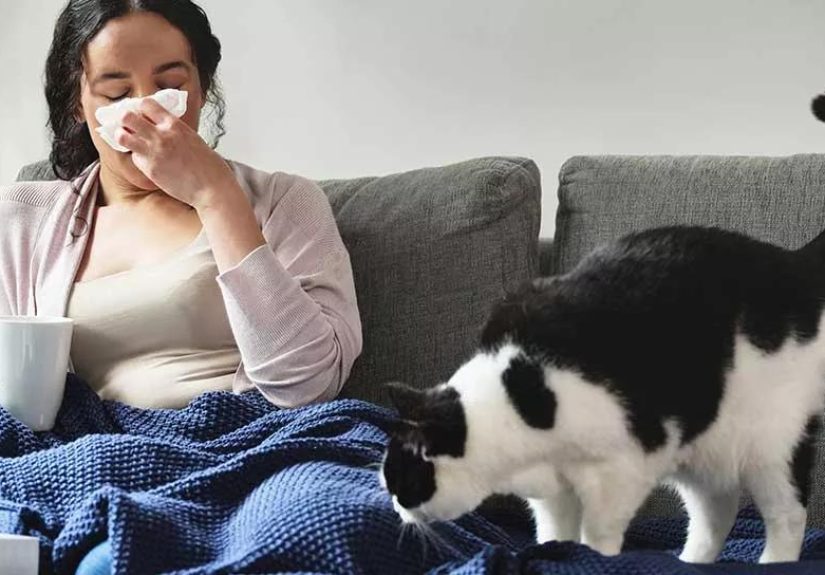
Pet dander comes from tiny flakes of skin, along with proteins found in saliva and urine. Cats, dogs, rabbits, rodents, and other furry animals can all produce allergens. Pet hair itself is not usually the main allergen, but it can carry dander, dust, pollen, and mold spores. Basically, your adorable pet can become a walking allergen delivery service, which feels unfair because they are also very cute.
In winter, pets spend more time indoors just like humans do. More cuddling, less ventilation, and more soft surfaces can mean more exposure for people with pet allergies.
Cockroach Allergens
Cockroach particles can trigger allergies and asthma, especially in urban environments or buildings with pest problems. These allergens may come from droppings, saliva, and body parts. Food crumbs, moisture, and clutter can attract pests, so winter allergy control sometimes starts with a kitchen cleanup that nobody wanted but everyone secretly needed.
Indoor Air Irritants
Not everything that causes winter symptoms is technically an allergen. Smoke from fireplaces, scented candles, air fresheners, cleaning products, gas stoves, and poor ventilation can irritate the airways. These irritants can make allergies feel worse, especially for people with asthma or sensitive sinuses.
Winter Allergies vs. a Cold: How to Tell the Difference
This is where winter gets sneaky. A cold and winter allergies can both cause a runny nose, congestion, sneezing, coughing, and fatigue. But there are clues.
Allergies often last as long as exposure continues. If your symptoms drag on for weeks, appear every time you are at home, or flare after cleaning, sleeping, or spending time with pets, allergies may be involved. Allergies also commonly cause itchy eyes, itchy nose, watery eyes, and repeated sneezing.
A cold usually develops after exposure to a virus and tends to improve within about a week or two. Colds may come with body aches, sore throat, thicker mucus, and sometimes fever. Allergies typically do not cause fever. If you have a high fever, severe pain, shortness of breath, or symptoms that rapidly worsen, it is time to check in with a healthcare professional.
Symptoms of Winter Allergies
Winter allergy symptoms may include:
- Sneezing
- Runny or stuffy nose
- Postnasal drip
- Itchy, watery, or red eyes
- Itchy nose, throat, or ears
- Coughing
- Sinus pressure
- Dry or irritated throat
- Wheezing or asthma symptoms in sensitive people
- Eczema flare-ups or itchy skin in some cases
Symptoms may be worse in bedrooms, basements, carpeted rooms, homes with pets, or spaces with visible dampness. Some people feel better when they leave the house for several hours, which can be a useful clue that indoor allergens are involved.
How to Reduce Winter Allergy Symptoms at Home
Wash Bedding Weekly
Bedding is a major dust mite zone. Wash sheets, pillowcases, blankets, and washable covers regularly. Hot water can help reduce dust mites and remove allergens. If a fabric cannot handle hot water, drying it thoroughly may still help reduce moisture and allergen buildup.
Use Allergen-Proof Covers
Encasing mattresses and pillows in allergen-proof covers can reduce exposure to dust mites. This is especially useful because your face spends several hours each night very close to your pillow, which is a rude place for allergens to hold a meeting.
Control Humidity
Use a hygrometer to measure indoor humidity. Aim for a balanced range, often around 30% to 50%. If your home is too damp, consider a dehumidifier, exhaust fans, or better ventilation. If the air is extremely dry, a clean humidifier may help comfort, but it must be maintained carefully. A dirty humidifier can spread mold or bacteria, which is the opposite of helpful.
Clean Without Launching a Dust Parade
Dust with a damp microfiber cloth instead of a dry feather duster. Vacuum with a HEPA filter if possible, especially on carpets, rugs, and upholstered furniture. Wear a mask while cleaning if dust triggers symptoms. Cleaning is noble, but breathing in a confetti cannon of allergens is not required.
Change HVAC Filters
Replace heating and cooling system filters according to manufacturer directions. Higher-efficiency filters may capture more particles, but your HVAC system must be able to handle them. If you are unsure, ask an HVAC professional.
Reduce Mold Sources
Fix leaks quickly, dry damp areas, use bathroom fans, and clean visible mold safely. Small areas may be manageable with careful cleaning, but larger mold problems or mold related to flooding may require professional help. Never ignore mold that keeps returning. Mold is like the villain in a low-budget sequel: if the moisture remains, it will be back.
Create Pet-Free Zones
If pet dander is a trigger, keep pets out of bedrooms and off upholstered furniture when possible. Wash pet bedding often. Bathing pets may help some households, though the best schedule depends on the animal and veterinary guidance. Air cleaners with HEPA filtration may reduce airborne particles, but they work best as part of a broader plan, not as a magical allergy eraser.
Keep Pests Away
Store food in sealed containers, clean crumbs, avoid leaving dirty dishes out overnight, repair leaks, and seal cracks where pests may enter. For serious pest problems, professional pest control may be necessary.
Treatment Options for Winter Allergies
Home changes can make a big difference, but some people still need medical treatment. Common options include antihistamines, nasal corticosteroid sprays, saline rinses, decongestants for short-term use, and eye drops for itchy eyes. The right choice depends on symptoms, age, other health conditions, and medication safety.
For frequent or severe symptoms, allergy testing can help identify specific triggers. An allergist may recommend immunotherapy, such as allergy shots or tablets for certain allergens. Immunotherapy is not an overnight fix, but it can reduce sensitivity over time for some people.
People with asthma should take winter allergy symptoms seriously. Allergens such as dust mites, mold, pests, and pet dander can worsen asthma symptoms. Wheezing, chest tightness, shortness of breath, or nighttime coughing should be discussed with a healthcare professional.
When to See a Doctor
Consider medical advice if symptoms last more than a few weeks, interfere with sleep, keep returning every winter, or do not improve with reasonable home steps. Seek prompt care for trouble breathing, wheezing, chest tightness, swelling of the face or throat, severe sinus pain, persistent fever, or symptoms that feel unusual or intense.
It is also wise to talk to a doctor before using multiple allergy medications at once, giving medications to children, or using decongestant sprays for more than a few days. Your nose may want instant relief, but your nasal passages do not enjoy medication drama.
Can Outdoor Allergies Happen in Winter?
Yes, depending on where you live. In warmer parts of the United States, some plants release pollen during winter. Mountain cedar, for example, can cause winter allergy symptoms in parts of Texas and nearby regions. Mold spores may also remain a problem outdoors in mild or damp climates.
However, for many people in cold climates, winter allergy symptoms are more likely connected to indoor exposures. The calendar may say winter, but your immune system does not care what month it is. It cares what you are breathing.
Real-Life Experiences: What Winter Allergies Often Feel Like
Winter allergies can feel surprisingly personal because they often show up in daily routines. Imagine waking up every morning with a blocked nose, even though you felt fine before bed. You blame the cold air. Then you blame your pillow. Then you briefly consider blaming your entire personality. But the real issue may be dust mites in bedding or pet dander in the bedroom.
Another common experience happens after holiday decorating. Boxes come out of storage, ornaments get unpacked, artificial trees unfold, and suddenly everyone is sneezing. Stored decorations can collect dust, mold spores, and musty odors, especially if they spent eleven months in a damp basement or garage. A cheerful wreath should not make your sinuses feel like they signed up for a wrestling match, but it happens.
Some people notice symptoms after turning on the heat for the first time. The house finally feels warm, but then the sneezing begins. Dust in vents, old filters, and particles settled inside the system may circulate through rooms. This does not mean your heater is evil. It may simply need maintenance, filter changes, and a little less dust in its social circle.
Pet owners may have a different winter allergy story. In summer, the dog spends more time outside, windows open, and the house breathes. In winter, the dog naps on the couch, the cat claims the laundry basket, and everyone gathers indoors. Suddenly, itchy eyes and congestion appear during family movie night. The pet did not become more allergenic out of spite. The exposure changed.
Basements are another classic setting. A person may feel fine upstairs but stuffy, itchy, or coughy after doing laundry or grabbing storage boxes downstairs. Damp corners, poor airflow, and hidden leaks can make basements a mold-friendly environment. If symptoms repeatedly happen in one room, that room may be sending clues louder than a smoke alarm with low batteries.
Dry winter air can also confuse the picture. Dryness can irritate the nose and throat, causing burning, scratchiness, nosebleeds, or a cough. That irritation is not always an allergy, but it can make allergy symptoms feel worse. Many people try a humidifier, which can help comfort when used properly. But if the humidifier is not cleaned, it can create a new problem by spreading unwanted particles. The humidifier is helpful only when it behaves itself.
The most frustrating experience is when symptoms look like a cold but never fully leave. A cold usually moves through stages and improves. Winter allergies may linger as long as the trigger remains. If every morning starts with sneezing and every night ends with congestion, your home environment may deserve a gentle investigation.
The encouraging part is that winter allergies are manageable. Small changes can stack up: washing bedding, reducing bedroom clutter, controlling humidity, replacing filters, cleaning damp areas, keeping pets out of sleeping spaces, and using the right treatment when needed. No single step works for everyone, but a consistent plan can turn winter from “the season of tissues” into something much more breathable.
Conclusion: So, Are Winter Allergies a Thing?
Yes, winter allergies are real. They are usually caused by indoor allergens rather than the classic outdoor pollen triggers people associate with spring and fall. Dust mites, mold, pet dander, pests, and poor indoor air quality can all make symptoms worse when homes are closed up for the season.
The best approach is part detective work and part prevention. Notice where symptoms happen, how long they last, and what makes them better or worse. Then target the likely triggers: clean bedding, manage humidity, reduce dust, prevent mold, maintain filters, and address pet or pest allergens. If symptoms are frequent, severe, or linked to asthma, professional guidance can help you find the right treatment plan.
Winter may bring cozy blankets, warm drinks, and suspiciously early sunsets, but it does not have to bring nonstop sneezing. With the right indoor allergy strategy, you can breathe easier and enjoy the season without keeping tissues in every pocket like emergency confetti.