Table of Contents >> Show >> Hide
- The Scotland Kitchen That Refuses to Sit Still
- What Makes a Moveable Kitchen Actually Work
- The Shaker Peg Rail: Minimalism’s MVP
- Design Details Worth Stealing (Even If You Live Nowhere Near Scotland)
- How to Build Your Own Moveable Kitchen Setup
- Common Mistakes (So Your Kitchen Doesn’t Turn into a Rolling Circus)
- 7 Design Ideas to Steal from This Moveable Scottish Kitchen
- Conclusion: A Kitchen That Moves with Your Life
- Experiences: Living with a Moveable Kitchen (A 500-Word Reality Check)
- SEO Tags
If your kitchen has ever felt like a crowded subway car at rush houreveryone bumping elbows, nowhere to stand, and somehow a single spoon becomes a full-contact sportthis one’s for you.
This week’s standout kitchen comes from an Edinburgh apartment owned by designers and shopkeepers Nina and Craig Plummer, who built their home around calm, practical beautyand one clever idea that deserves a slow clap: a kitchen that can literally move. Instead of treating the layout like a permanent tattoo, they treated it like a great outfit: tailored, flexible, and ready to change depending on what the day demands. The result is a refined, Shaker-leaning space where storage is smarter, surfaces are hardworking, and the whole room can shift from “weekday breakfast” to “photoshoot-ready” without a meltdown.
The Scotland Kitchen That Refuses to Sit Still
A design-minded home base in Edinburgh
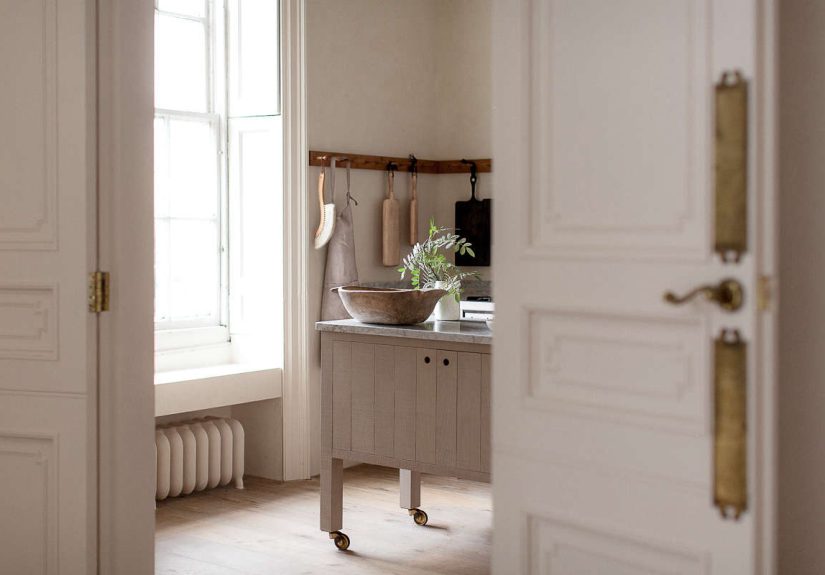
The Plummers photograph products for their shop in their home, so the kitchen isn’t just a place to cookit’s also a set, a studio, and a daily-life command center. That’s why the palette stays intentionally quiet: lime-washed walls create a soft, neutral backdrop; honed Carrara marble counters bring a classic, matte elegance; and a waterproof Venetian plaster finish keeps the walls durable where splashes and steam are part of the job description.
Architectural details pull you in, toolike elegant twin doors that look historic but were custom made, borrowing their patterning from Georgian interior shutters and paired with original hardware still surviving in the home. It’s the kind of detail that whispers “old building charm” while still functioning like a modern space you can actually live in.
The “moveable” strategy
Here’s the headline: a kitchen island on casters makes the workflow adjustable. Need more room near the sink? Roll it closer. Hosting friends and want a bigger walkway? Glide it out of the traffic lane. Styling a photo with better light? Reposition and pretend you’re not thrilled about it.
In this kitchen, movement isn’t a gimmickit’s a layout tool. The island is paired with a moveable table and chairs near a built-in banquette, giving the whole space a “choose your own adventure” vibe. And unlike some trendy kitchens that look great but act like they’ve never met a saucepan, this one is grounded in real function.
What Makes a Moveable Kitchen Actually Work
Clearance: the unglamorous hero
Any islandrolling or built-inneeds breathing room. Designers and kitchen planning guidelines commonly recommend enough clearance so people can pass, drawers can open, and the cook doesn’t feel trapped in a countertop maze. A useful rule of thumb: plan wider aisles when the island faces active work zones (sink, stove, dishwasher) and when multiple people cook at once.
In practical terms, many kitchen guides land around the low-40s (in inches) for a comfortable work aisle in a single-cook setup, and wider when the kitchen is busy or appliance doors swing into the path. A moveable island is especially helpful in smaller or multipurpose rooms because you can “borrow” clearance when you need it instead of locking yourself into a layout that only works on Tuesdays.
Casters: don’t cheap out on the part that keeps dinner from drifting away
A rolling island is only as good as its wheels. Look for sturdy, smooth-rolling casters with reliable locksbecause a kitchen island should not behave like a shopping cart with a grudge. Locking casters help keep the island steady during chopping, mixing, and kneading (all activities that tend to punish wobbly furniture). If you’re placing the island on tile, uneven wood, or older floors, bigger wheels generally roll more smoothly and feel more stable.
Weight and balance matter
Moveable doesn’t mean flimsy. A good mobile island has a solid base and a top that can take real work. If you’re planning stone, thick wood, or a heavy butcher-block style surface, make sure the structure underneath is designed for it. On the flip side, if the goal is frequent movement, a lighter top (or a smaller footprint) can make the island far more usable day to day.
The Shaker Peg Rail: Minimalism’s MVP
What a peg rail is (and why it’s having a moment)
A Shaker peg rail is a simple wooden strip with evenly spaced pegsan early-American storage solution designed to keep communal spaces orderly and floors clear. Historically, peg rails were used to hang everything from textiles to brooms, and even chairs, freeing up space when rooms needed to be cleaned or repurposed.
Modern kitchens are basically begging for this kind of storage. Why? Because upper cabinets can feel visually heavy, open shelving can turn into a dusting hobby you didn’t sign up for, and countertop clutter spreads faster than a viral recipe video. A peg rail puts frequently used items in reach without piling them on the counter.
How it’s used in this Scottish kitchen
Instead of upper cabinets, the Plummers run a peg rail the length of the kitchen. It’s not just decorativethis is working storage. Near the sink, it holds scrub brushes and mugs. Near the range, it supports trivets and cookware. It’s practical, visually tidy, and quietly brilliant because it organizes without feeling like a storage unit moved into your home.
The “anti-junk-drawer” effect
Peg rails have one underrated superpower: they discourage clutter. When your storage is visible, you naturally edit. You hang what you truly useand the rest stops pretending it’s essential. The rail becomes a curated tool wall rather than a chaotic pile-up, which is exactly the kind of calm Shaker design is famous for.
Design Details Worth Stealing (Even If You Live Nowhere Near Scotland)
1) Honed Carrara marble for a soft, timeless surface
Honed marble has a matte finish that feels less precious than polished stone and tends to develop character over time. It’s not “perfect forever,” and that’s the point. In a real kitchen, patina happens. This surface embraces itespecially in a home where cooking and photography both matter.
2) Venetian plaster where paint would panic
In splash-prone areas, a waterproof plaster finish offers durability with a handcrafted look. It’s a smart alternative when you want walls that can handle humidity without resorting to shiny, sterile finishes.
3) A freestanding, unfitted vibe without losing function
This kitchen taps into the broader unfitted-kitchen trend: spaces that feel collected over time, mixing built elements with furniture-like pieces. It’s warmer and more personal than a wall of identical cabinetry, and it’s flexibleespecially for people who move, renovate in phases, or want a kitchen to evolve rather than stay frozen in “showroom mode.”
4) A not-too-precious antique storage piece
One of the best moves here is the inclusion of an antique bread cupboard near the fridge. A single vintage piece can soften a kitchen instantlyadding texture, history, and storage without requiring a full commitment to “antique everything.” Think of it as the design equivalent of adding a great jacket to basic jeans.
5) A recognizable appliance momentwithout overpowering the room
A classic-style range and fridge give the kitchen a familiar anchor, while the quieter palette and natural materials keep the overall effect calm. The lesson: one or two statement appliances can shine when the rest of the room isn’t yelling.
How to Build Your Own Moveable Kitchen Setup
Start with one mobile element
You don’t need to roll your entire kitchen into the next room. Begin with a single moveable piece:
- A rolling prep island (extra workspace and storage)
- A kitchen cart (coffee station, baking hub, bar cart, or produce parking)
- A moveable table (eat, prep, work, craftthen slide it aside)
Choose a size that fits your life, not just your Pinterest board
A compact island can still be powerful if it’s thoughtfully designed. Many guides note that even a modest island footprint can work well when clearance is respected and storage is efficient. If you’re tight on space, prioritize a slimmer island with smart shelving and a durable top, rather than forcing in a bulky unit that makes the whole room feel cramped.
Add a Shaker peg rail the easy way
If you want the peg-rail magic without a full renovation, install a rail on the wall you naturally face while working (often near the sink or prep zone). A few tips that keep it functional and safe:
- Mount it securely into studs when possible, especially if you’ll hang heavier items.
- Keep the load realistic: mugs, utensils, brushes, and small pans are great; cast iron collections… maybe not.
- Use zones: cleaning near the sink, cooking tools near the stove, grab-and-go items near the coffee setup.
- Leave breathing room so it stays elegant instead of becoming “The Wall of Random Objects.”
Common Mistakes (So Your Kitchen Doesn’t Turn into a Rolling Circus)
- Not enough clearance: if people can’t pass when the dishwasher is open, the layout will feel stressful.
- No wheel locks: a mobile island must be able to “park” firmly.
- Overloading the peg rail: peg rails are charming, not magical. Respect weight limits.
- Clutter creep: visible storage demands editing. Hang what you use, store the rest.
- Forgetting lighting: moveable zones still need task lighting, especially for prep work.
7 Design Ideas to Steal from This Moveable Scottish Kitchen
- Swap upper cabinets for a peg rail to keep the room visually open.
- Use a rolling island to adapt your kitchen to cooking, hosting, and work-from-home life.
- Pick a soft, neutral wall finish (like limewash) for warmth without visual noise.
- Choose a countertop finish that forgivesmatte surfaces often feel calmer and more lived-in.
- Mix fitted and unfitted elements for a kitchen that feels collected, not cookie-cutter.
- Add one antique storage piece to bring character without a full vintage overhaul.
- Keep the palette quiet so everyday objects (wood boards, ceramics, cookware) become the “decor.”
Conclusion: A Kitchen That Moves with Your Life
This Scottish kitchen proves a big point: function doesn’t have to be loud. The moveable island on casters makes the layout flexible. The Shaker peg rail replaces bulky uppers with simple, reachable storage. And the finisheslimewash, plaster, marblebuild a calm backdrop that can handle real life without looking like it’s trying too hard.
If your kitchen is small, multipurpose, or just chronically “in the way,” borrowing these ideas can change everything. Because the best kitchens don’t just look good. They behave.
Experiences: Living with a Moveable Kitchen (A 500-Word Reality Check)
To understand why a moveable kitchen feels so satisfying, picture a normal weekday morning. Someone wants coffee, someone else wants toast, and the dog is convinced the floor is about to produce bacon. In a fixed layout, you naturally collide at the same choke points: the counter by the kettle, the drawer with the spoons, the one clear space that isn’t covered in yesterday’s mail. A rolling island changes the rhythm. You can pull the island closer to the coffee zone, set up a quick “breakfast station,” and suddenly the main counters are free again. It’s like adding an extra lane to the highwaytraffic still exists, but it stops feeling personal.
Now imagine cooking a real dinner (not the “handful of crackers and regret” variety). You’re chopping vegetables, stirring something on the stove, and rinsing herbs at the sink. The peg rail becomes a quiet co-star: the wooden spoon is hanging where your hand expects it; the towel isn’t buried in a drawer; the trivet is ready before you even remember you need it. When storage is visible and intentional, your brain does less scavenger hunting. The kitchen feels calmer because you’re not constantly opening cabinets like you’re trying to crack a safe.
Hosting is where mobility really earns its keep. A fixed island can be wonderfuluntil guests treat it like a roundabout and block every path. With a moveable island, you can shift the room for the occasion: roll the island slightly toward the prep side so the walkway opens up; move the table a few inches so chairs don’t jam into cabinets; create a clear route from the fridge to the sink so you’re not trapped behind a crowd. Even small moves can make the kitchen feel twice as big, because the flow becomes intentional instead of accidental.
Then there’s the cleanup momentarguably the truest test of any design. A moveable island can slide aside to give you a wider aisle for sweeping and mopping. And a peg rail helps keep counters from becoming “the drying rack overflow zone,” since brushes, towels, and even lightweight tools can hang up to dry without spreading out like a kitchen rash. The Shaker logic shows up here: keep the floor clear, keep the surfaces usable, keep the room easy to reset.
Finally, a moveable kitchen supports the way people actually live now: cooking, working, photographing, crafting, entertaining, and existing all in the same space. One day the island is a baking station. The next, it’s a homework desk. Later, it’s a serving cart for a casual dinner. The magic isn’t that it movesit’s that your kitchen stops insisting there’s only one correct way to use it. And that, honestly, is the most luxurious feature of all.