Table of Contents >> Show >> Hide
- The quick answer: cousins, not twins
- What is corned beef, exactly?
- What is pastrami, exactly?
- The real differences (the stuff you can taste)
- Flavor profile: what to expect in a bite
- Nutrition notes (because your doctor and your taste buds both deserve respect)
- Which one is better for a Reuben?
- How to shop for the good stuff (without needing a secret handshake)
- Can you turn corned beef into pastrami at home?
- Food safety and leftovers (because future-you deserves nice things)
- FAQ: Pastrami vs. corned beef
- Conclusion: so… what’s the difference?
- Real-world experiences: deli counters, leftovers, and kitchen experiments
If you’ve ever stood at a deli counter feeling like you’re about to take the SATs (“Uh… I’ll have the… salted beef thing?”),
you’re not alone. Pastrami and corned beef look like close relativesbecause they are. They often start with similar cuts,
share a curing step, and both can make a sandwich so good you briefly forget your own name.
But they are not the same meat with different vibes. The difference between pastrami and corned beef comes down to
how they’re cured, how they’re cooked, and what flavors get layered on top.
Let’s clear it upso you can order with confidence (or at least pretend you’re confident).
The quick answer: cousins, not twins
Here’s the simplest (mostly accurate) way to remember it:
- Corned beef = beef that’s cured in a salty brine (the “corned” part), then typically simmered or steamed.
- Pastrami = beef that’s cured too, but then gets a bold spice crust, is smoked, and usually steamed before slicing.
So yes: pastrami is often described as “corned beef that went to smoke school and came back with a peppery attitude.”
It’s not a perfect definition, but it’s a useful mental sticky note.
What is corned beef, exactly?
Corned beef is typically made from brisket (a tough, hardworking cut from the cow’s chest), cured with salt and seasonings.
The curing process changes the meat’s texture and flavor, helps preserve it, and gives it that signature “deli” personality.
Why is it called “corned” beef?
It’s not about corn the vegetable. “Corned” refers to large grains of salt (sometimes called “corns” of salt) used in traditional curing.
Translation: the meat is basically getting a spa treatment in a salt jacuzzi.
How corned beef is usually cooked
Most classic corned beef is cooked with moist heatthink a gentle simmer on the stove, a slow cooker, or a braise in the oven.
That slow cooking matters because brisket has lots of connective tissue that needs time to soften into tender, sliceable goodness.
Common corned beef “use cases” include:
- Corned beef and cabbage (St. Patrick’s Day’s unofficial official meal in the U.S.)
- Corned beef hash (a breakfast MVP, especially with a runny egg)
- Reuben sandwiches (yes, many delis use corned beef; others use pastramimore on that soon)
What is pastrami, exactly?
Pastrami is a cured meat that’s typically made from beef (often brisket or navel/plate cuts, depending on the style),
then seasoned aggressively, smoked, and often steamed before serving.
The signature pastrami flavor
Pastrami’s calling card is its spice crustusually featuring a heavy hit of black pepper and coriander,
plus supporting characters like garlic, mustard seed, paprika, or onion. The crust forms a dark “bark” after smoking,
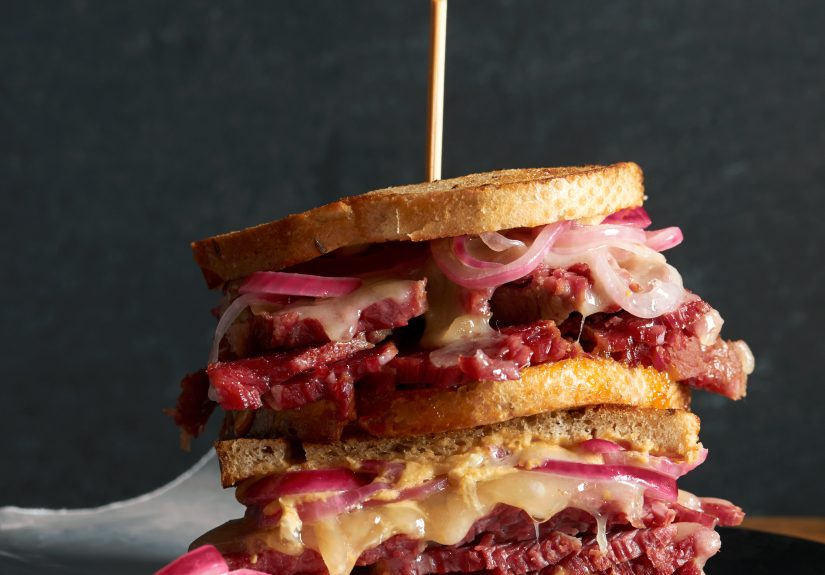
creating that dramatic deli-slice look: rosy meat inside, spicy jacket outside.
How pastrami is usually finished
Even though it’s smoked, deli pastrami is often steamed before slicing. That steaming step reheats the meat gently and keeps it moist,
giving pastrami its famous tender, juicy biteespecially when it’s piled high and practically threatens gravity.
The classic serving is pastrami on rye with mustardsimple, punchy, and wildly effective. It’s the culinary equivalent of
showing up in a perfectly tailored suit and saying, “No big deal.”
The real differences (the stuff you can taste)
1) The cut: brisket flat vs brisket point (and sometimes navel)
Both meats often start with brisket, but not always the same part. Brisket has two main sections:
the flat (leaner, neat slices) and the point (fattier, more marbled, extra juicy).
- Corned beef is commonly made from the flatleaner, tidy, and great for clean sandwich slices.
- Pastrami is often made from the point or navel/plate cutsfatter and richer, which love smoke and steaming.
Practical takeaway: if you want lean and sliceable, corned beef often wins. If you want juicy and indulgent,
pastrami is frequently the move.
2) The seasoning: gentle brine vs loud spice coat
Corned beef gets flavor primarily from the brinesalt plus pickling spices like peppercorns, bay leaf, mustard seed, and coriander.
It’s seasoned, but usually not “pepper-crusted and proud.”
Pastrami gets the brine and the spice rub. That crust is why pastrami tastes more aromatic and “spiced,”
not just salty-savory.
3) The cooking method: simmered vs smoked (then steamed)
This is the big one. Corned beef is typically cooked with moist heatsimmered, boiled gently, or steamed.
Pastrami is typically smoked, which adds a deeper, woodsy flavor, then often steamed to keep it tender.
If you close your eyes and taste smoke, you’re probably in pastrami territory.
If it tastes more like savory cured beef with pickling spice, you’re likely eating corned beef.
4) Texture: “slice and stack” vs “slice and swoon”
Corned beef tends to be firm and sliceable (especially the flat). Pastrami tends to be softer and juicier,
thanks to fattier cuts plus the smoke-and-steam finish.
That said, both can be tender if cooked properlyand both can be tragically dry if cooked like you’re mad at it.
Flavor profile: what to expect in a bite
Corned beef flavor
- Salty, beefy, lightly spiced (think pickling spices)
- Often paired with cabbage, potatoes, or rye bread
- Clean, “classic cured beef” taste
Pastrami flavor
- Smoky, peppery, coriander-forward, more aromatic
- Often richer and fattier, depending on the cut
- Bold crust + juicy interior contrast
If corned beef is a well-mannered dinner guest, pastrami is the one who shows up wearing sunglasses indoors and somehow pulls it off.
Nutrition notes (because your doctor and your taste buds both deserve respect)
Both corned beef and pastrami are cured meats, which generally means:
- Higher sodium than fresh beef (often significantly higher)
- May include curing agents like nitrites (common in many cured meats)
- Protein-rich, but the fat content varies a lot by cut (flat vs point/navel)
If you’re watching sodium, portion size matters, and so does what you pair it with. A mountain of pastrami plus salty pickles plus
a side of “more salt” is deliciousbut it’s also a lot. Consider balancing with vegetables, choosing smaller portions, or saving
deli-night for when you want deli-night.
Which one is better for a Reuben?
This is the food version of asking, “Which superhero would win?” The answer is: it depends on the story.
Choose corned beef if you want:
- A more traditional, mellow cured-beef flavor
- Cleaner slices that stack neatly
- A sandwich that’s hearty but not wildly peppery
Choose pastrami if you want:
- Smokiness and spice that pops through the sauerkraut and Russian dressing
- Extra richness (especially if it’s a fattier cut)
- A “deli flex” sandwich moment
Pro tip: if your deli offers a “Rachel” (often made with turkey or pastrami and coleslaw instead of sauerkraut), it’s worth a try.
Sandwiches don’t need to be monogamous.
How to shop for the good stuff (without needing a secret handshake)
At the deli counter
- Ask for a slice. A good deli will happily let you sample. This is not rudeit’s research.
- Ask how it’s finished. Is the pastrami steamed? Is the corned beef house-cured or pre-packaged?
- Look for moisture. Pastrami should look juicy, not chalky. Corned beef should slice cleanly without crumbling into sadness.
At the grocery store
Packaged corned beef brisket often comes with a spice packet. That packet is basically a tiny flavor buddyuse it,
but feel free to add garlic, bay leaf, peppercorns, or extra pickling spice if you want a bigger aroma.
Packaged “pastrami” varies widely. Some is true smoked-and-steamed style; some is closer to seasoned deli roast beef in disguise.
Check the label for “smoked” and look for that spice crust.
Can you turn corned beef into pastrami at home?
Yesand this is one of the most satisfying kitchen glow-ups out there.
Many home cooks start with a store-bought corned beef brisket, then:
- Soak it in water (often with a few water changes) to reduce saltiness.
- Pat dry and apply a pepper-coriander rub (plus garlic, paprika, mustard seed, etc.).
- Smoke it low and slow until tender.
- Steam (or gently finish with moist heat) to get that classic deli texture.
The result tastes like you leveled up your sandwich gameand you did. Just remember: true pastrami takes time.
If your timeline is “I need lunch in 12 minutes,” your best strategy is ordering from someone else’s smoker.
Food safety and leftovers (because future-you deserves nice things)
Both meats are generally safe when handled properly, but they’re still cooked meatstreat them like the delicious perishable foods they are.
Chill leftovers promptly, store them well sealed, and reheat gently so they don’t dry out.
Leftover ideas that feel like a second encore:
- Hash with potatoes and onions (corned beef or pastrami both work)
- Breakfast scramble with eggs and Swiss
- Deli quesadilla with sauerkraut (trust the process)
- Reuben salad: chopped meat + slaw + rye croutons + dressing
FAQ: Pastrami vs. corned beef
Is pastrami healthier than corned beef?
Not automatically. Both are cured and tend to be high in sodium. Pastrami can be higher in fat if made from a fattier cut.
Corned beef can be leaner if it’s from the flat. The “healthier” choice often comes down to portion size and frequency.
Do pastrami and corned beef taste the same?
They’re related, but not identical. Corned beef tastes more like seasoned cured beef, while pastrami adds a peppery spice crust and smoky flavor.
Can you cook corned beef like pastrami without a smoker?
You can get close. Use a bold spice rub and finish with moist heat (like a low oven plus a covered pan), and consider liquid smoke sparingly if you like.
It won’t be identical to real smoking, but it can still be delicious.
Why is deli pastrami so tender?
Two reasons: the cut often has more marbling, and it’s commonly steamed before serving, which keeps it moist and relaxes the fibers for that silky bite.
Conclusion: so… what’s the difference?
Corned beef and pastrami share a family tree, but they take different career paths. Corned beef is cured and typically simmered or steamed,
giving you a savory, briny, classic deli flavor. Pastrami is cured too, but then gets a bold spice rub, goes through smoke, and often gets steamed
for that juicy, peppery, aromatic finish.
If you want something straightforward and hearty, corned beef is a reliable friend. If you want something smoky, spicy, and dramatic enough to deserve its own fan club,
pastrami is ready for its close-up. Either way, the correct answer is: yes, I’ll take fries with that.
Real-world experiences: deli counters, leftovers, and kitchen experiments
One of the most common “pastrami vs corned beef” experiences starts the same way: you walk into a deli with a simple goalget a sandwichand suddenly
you’re making decisions like you’re drafting a fantasy football team. The person behind the counter asks, “Corned beef or pastrami?” and you realize you
didn’t prepare emotionally for this moment. If you pick corned beef, you’re likely getting a cleaner, salt-and-spice cured flavor that plays nicely with
tangy sauerkraut. If you pick pastrami, you’re signing up for smoke and a peppery crust that announces itself the second the sandwich hits the paper.
The best part? There’s no wrong answerjust different kinds of happiness.
Another real-life giveaway is how the sandwich behaves. Corned beef tends to stack neatly and slice evenly, especially if it’s the brisket flat.
That makes it feel “classic” and balanced, like the sandwich equivalent of a well-organized closet. Pastrami, especially when it’s cut thick and
served warm, is more like a delicious physics experiment. The fat renders, the steam rises, and the meat can slump and fold in a way that practically
demands extra napkins. People often describe that first bite of hot pastrami as “juicy,” but what they really mean is “I am now wearing part of my lunch.”
At home, the experience usually splits into two camps: the “slow simmer” crowd and the “let’s get smoky” crowd. Corned beef is a popular home project because
it’s forgivingset it to a gentle simmer, give it time, slice against the grain, and it shows up tender and reliable. It also turns leftovers into a week of
easy wins: corned beef hash for breakfast, chopped corned beef folded into potatoes, or a quick sandwich that feels fancier than it has any right to.
Pastrami, on the other hand, is the home cook’s bragging rights. When someone says, “I made pastrami,” what they often mean is they spent days planning,
seasoning, and patiently cookingand they want you to understand that this is a lifestyle choice.
A particularly fun (and very common) kitchen experiment is the “corned beef-to-pastrami transformation.” The story usually goes like this:
someone buys a corned beef brisket, tastes it, likes it, then thinks, “What if I made this louder?” They soak it to reduce salt, coat it in black pepper and
coriander, cook it low and slow, then gently steam it to mimic deli tenderness. The payoff is huge: you get that deli-style spice bark and smoky depth without
having to start from scratch. It’s also a great way to learn what the difference between pastrami and corned beef really feels like, because you’re watching
the same basic cured beef evolve into two distinct personalities.
Finally, there’s the social experience: pastrami tends to start conversations. Bring a platter of pastrami sandwiches to a gathering and people suddenly have
opinionsabout rye bread thickness, mustard brands, and whether a Reuben should be griddled “hard.” Corned beef gets love too, especially around St. Patrick’s
Day, where it becomes part meal, part tradition, part excuse to eat something salty with friends. In real life, that’s the biggest difference of all:
corned beef feels comforting and familiar, while pastrami feels like a special occasion you can hold in one hand.