Table of Contents >> Show >> Hide
- What Is BBL Therapy?
- How BBL Therapy Works
- What BBL Can Treat
- What BBL Can’t Do (and What It’s Not Great For)
- What to Expect: Before, During, and After
- How Many Sessions Do You Need?
- Effectiveness: Does BBL Actually Work?
- Safety, Side Effects, and Risks
- Who’s a Good Candidate for BBL Therapy?
- BBL vs. IPL vs. Laser: What’s the Difference?
- How Much Does BBL Therapy Cost?
- How to Get Better Results (Without Doing Anything Wild)
- Experiences Section: What BBL Is Like in Real Life (About )
- Final Takeaway
Let’s clear up the acronym confusion right away: in this article, BBL means
BroadBand Light therapy (a light-based skin treatment), not anything else the internet might
try to make it mean. This BBL is all about helping your skin look clearer and more even-toned by using
carefully filtered pulses of light. Think of it as a “targeted reset” for common issues like sun spots,
redness, and uneven texturewithout the drama (or downtime) of more aggressive procedures.
If you’ve ever wondered why some people seem to develop that “I drink water, wear sunscreen, and never
argue with my skincare” glow, BBL therapy is one of the tools that can help. But it’s not magic, it’s not
instant perfection, and it’s not for every skin concern. Let’s break down exactly how BBL works, what it
can realistically do, and how to tell if it’s worth your time (and your wallet).
What Is BBL Therapy?
BBL therapy is a type of intense pulsed light (IPL) treatment used for
photorejuvenationa fancy word for improving the look of skin that’s been “weathered”
by sun exposure, time, and life in general. Unlike a laser (which uses a single wavelength), BBL uses a
broad range of light wavelengths delivered in short pulses. Different filters can be used
to focus the energy toward specific targets in the skin.
In practical terms: BBL is often used to soften the appearance of brown spots, freckles, broken
capillaries, and rednessespecially in sun-exposed areas like the face, neck, chest, and hands.
How BBL Therapy Works
1) It targets “color” in the skin (chromophores)
BBL works by aiming light at specific targets called chromophores. The two big ones are:
- Melanin (brown pigment) found in freckles and sun spots
- Hemoglobin (red pigment) found in visible blood vessels and redness
When the light hits these targets, it converts into heat. This controlled heat helps break up unwanted
pigment or shrink tiny superficial vessels. Your body then gradually clears away that damaged pigment or
reabsorbs the treated vessels over the days and weeks that follow.
2) It uses selective heating (not “fry everything” energy)
A well-performed BBL treatment is designed to heat the target more than the surrounding skin. This idea
is part of the science behind many light-based treatments: deliver enough energy to affect the target,
while protecting the surrounding tissue as much as possible. That’s one reason settings and technique
matter so muchtoo much energy or the wrong settings can increase the risk of burns or pigmentation
problems.
3) It can support smoother texture over time
While BBL is best known for treating discoloration and redness, many people also notice improvements in
overall “skin quality,” like a more even tone and a slightly smoother look. This is often explained as a
collagen-supporting effect from the gentle heat and the skin’s natural repair response. If you’re hoping
for big lifting or deep wrinkle removal, though, BBL isn’t the star of that show (more on that later).
4) Filters help customize the treatment
BBL systems use different filters (and settings) depending on what you’re treating. For example, some
filters are commonly associated with pigmentation issues, others with redness and small vessels, and
others with acne or hair reduction. You don’t need to memorize the numbersjust know that the same device
can be adjusted for different concerns, which is part of why BBL is popular in dermatology practices.
What BBL Can Treat
BBL therapy is often used for a group of concerns that share one thing in common: they involve
unwanted color (brown or red) or early signs of photodamage. Common treatment goals
include:
Sun spots, freckles, and uneven pigmentation
If you have scattered brown spots from sun exposure (sometimes called “age spots” or solar lentigines),
BBL can help break up that pigment so the skin looks more evenly toned.
Redness, flushing, and visible tiny blood vessels
BBL can reduce the look of diffuse redness and small visible vessels that contribute to a constantly
“pink” complexion. Some people with mild rosacea-related redness may see improvement, though results vary.
Acne (in specific situations)
Certain light-based approaches can help acne by reducing inflammation and addressing factors that
contribute to breakouts. However, BBL is not a one-size-fits-all acne fixespecially if acne is severe,
cystic, or driven by hormonal patterns. Dermatologists often treat acne with a combination plan rather
than relying on light alone.
Texture and early signs of aging
BBL may help skin look brighter and smoother, especially when discoloration is a major reason the skin
appears “older.” It’s best for early changes: mild uneven texture, mild fine lines, and dullness.
Sometimes: hair reduction
Some IPL-style systems can reduce unwanted hair by targeting pigment in hair follicles. That said, many
practices use dedicated laser hair removal systems for stronger, more predictable resultsespecially
across different hair and skin combinations.
What BBL Can’t Do (and What It’s Not Great For)
BBL is powerful at what it’s designed forbut it’s not the right tool for everything. In general, BBL is
not the best choice if your main goal is:
- Deep wrinkles (you may need resurfacing lasers, injectables, or other approaches)
- Significant skin laxity (devices that target deeper tissue may be needed)
- Severe acne (often needs medical therapy and a tailored plan)
- Melasma (heat/light can worsen it in some people; careful evaluation matters)
The “melasma question” deserves special emphasis. Because melasma can be triggered by heat and light in
some individuals, many clinicians approach it carefully and may recommend alternative strategies first
(like topical therapy, sun protection, and specific procedures chosen for melasma-prone skin).
What to Expect: Before, During, and After
Before your appointment
Most providers will give you a prep checklist, but typical guidance includes:
- Avoid tanning and heavy sun exposure for a few weeks (tanned skin increases risk)
- Pause irritating skincare (often retinoids/exfoliants) for a short window if advised
- Arrive with clean skin (no heavy makeup, sunscreen, or thick products if instructed)
- Share your medication listsome meds can increase light sensitivity
During the treatment
A typical session may take about 15 to 30 minutes for a face treatment, depending on the
size of the area. Here’s the usual play-by-play:
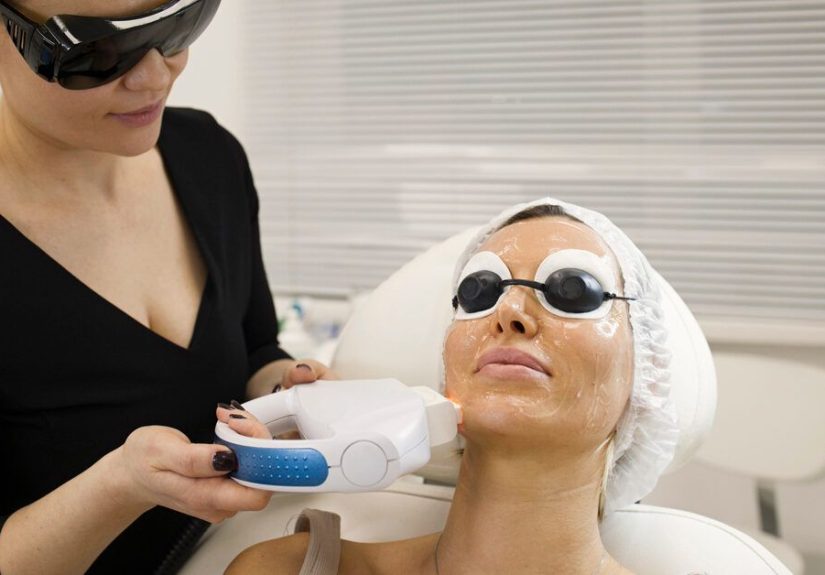
- Protective eyewear is placed (non-negotiable).
- A cooling gel may be applied.
- The device delivers quick pulses of light as it’s moved across treatment zones.
- You may feel warmth and a quick “snap” sensationoften compared to a rubber band flick.
Many modern systems use cooling technology to improve comfort, which is why a lot of patients describe
the experience as “annoying but totally doable.”
After the treatment
The most common immediate effects are mild redness and a warm, sunburn-like feeling. Pigmented spots may
temporarily look darkersometimes described as a “peppered” or “coffee-ground” effectbefore they flake
away over several days. Most people can return to normal activities quickly, but you’ll want to baby
your skin for a bit:
- Use gentle cleanser and moisturizer
- Avoid hot yoga/saunas and intense heat for a short window if instructed
- Be serious about sunscreen (SPF isn’t optional after light-based treatments)
- Avoid picking at flaking spots (let them shed naturally)
How Many Sessions Do You Need?
One session can help, but BBL is usually a series treatment. Many people need
3 to 5 sessions spaced a few weeks apart for best results, especially for widespread sun
damage or redness. After that, some choose maintenance sessions (often once or twice a year) depending on
goals, sun exposure, and how their skin responds.
A helpful way to think about it: BBL isn’t a “one-and-done makeover.” It’s more like a course of
treatments that gradually improves clarity and tonethen maintenance keeps your results from drifting
backward.
Effectiveness: Does BBL Actually Work?
In the real world, many dermatology practices use BBL/advanced IPL systems because patients do see
meaningful improvementsespecially in discoloration and redness. The evidence base includes:
-
Clinical improvement in visible sun-related changes such as telangiectasias (tiny
vessels) and lentigines (sun spots), with studies showing noticeable aesthetic improvement after a
series of treatments. -
Objective measurements in smaller studies (for example, split-face designs) that track
changes like pore appearance and skin measurements over multiple sessions. -
A well-known pilot study suggesting broadband light treatment may influence gene
expression patterns in aged skin in a “more youthful” direction. (Important: gene expression findings
are not the same thing as “this reverses aging,” and this isn’t how devices are typically cleared or
marketed for everyday cosmetic treatment.)
The best results tend to show up when the treatment matches the problem:
pigment and redness respond better than deep wrinkles. If your main issue is brown spots
and broken capillaries, BBL can be a strong option. If your main issue is sagging or deep lines, you’ll
likely need a different category of treatment.
Safety, Side Effects, and Risks
BBL is generally considered safe when performed by trained professionals on appropriate candidatesbut
“safe” doesn’t mean “risk-free.” Common short-term side effects include:
- Redness and mild swelling
- Temporary warmth or stinging
- Darkening of pigment spots before they fade
Less common (but more serious) risks can include burns, blistering, prolonged pigment changes (either
darker or lighter patches), scarring, or infection. These risks increase when:
- The skin is recently tanned or naturally has more pigment
- Settings are too aggressive for the person’s skin type
- The operator lacks training or uses poor technique
Translation: picking a qualified provider matters. Light-based treatments are not the place to “bargain
hunt” like you’re shopping for earbuds.
Who’s a Good Candidate for BBL Therapy?
BBL tends to work best for people who want improvement in:
sun spots, freckles, redness, and overall uneven tone. Historically, many IPL-style
treatments have been most straightforward in fair-to-medium skin tones because higher skin pigment can
compete for the light energy and increase the risk of unwanted pigmentation changes.
That doesn’t mean deeper skin tones can never be treatedsome advanced systems, settings, and strategies
can expand who may be eligible. But it does mean a careful consultation is essential, and sometimes a
different technology may be safer depending on your skin type and concern.
You may be asked to postpone or avoid treatment if you have:
- Recent tanning/sunburn
- Active skin infection, open wounds, or a flare of certain skin conditions
- Use of medications that increase photosensitivity (your clinician will evaluate this)
- History of problematic scarring or pigment changes after procedures
BBL vs. IPL vs. Laser: What’s the Difference?
BBL vs. IPL
BBL is a form of IPLyou can think of it as a branded, advanced approach within the IPL
category. Both use broad-spectrum light, not a single laser wavelength. The practical differences depend
on the device generation, available filters, cooling, and how precisely energy can be delivered.
IPL/BBL vs. laser
Lasers use a specific wavelength aimed at a specific target. That can make lasers very powerful for
certain concerns. IPL/BBL, with its broader spectrum and filters, can be more versatile for mixed issues
(some brown spots + some redness + overall tone). Your best option depends on your skin type, your main
concern, and how aggressive you want to be.
How Much Does BBL Therapy Cost?
Pricing varies by region, provider, and how large the area is. For facial treatments, many people see
per-session costs that commonly fall in the few-hundred-dollars range, and a series is
usually recommended. Because this is typically considered cosmetic, insurance usually doesn’t cover it.
If you’re comparing quotes, ask what’s included (consultation, numbing, post-care products, follow-up)
and how many sessions the provider expects you’ll need. A cheaper single session that doesn’t match your
needs can cost more in the long run if it leads to poor resultsor worse, complications.
How to Get Better Results (Without Doing Anything Wild)
The most underrated “add-on” to BBL results is not a luxury serumit’s sun protection.
BBL can reduce existing photodamage, but it can’t stop new damage if you’re baking in UV every day.
Simple habits that protect your investment
- Daily broad-spectrum sunscreen and reapplication when outdoors
- Hats and shade when the sun is intense
- Gentle skincare around treatment time (avoid harsh actives until cleared)
- Follow your provider’s schedule instead of “randomly whenever”
Experiences Section: What BBL Is Like in Real Life (About )
If you ask people what BBL feels like, you’ll get a range of answersbut there’s a common theme: it’s
usually more “spicy inconvenience” than “full-on suffering.” Most patients describe the sensation as a
series of quick, warm snaps. The best comparison is a rubber band flick paired with a brief flash of
heat. The good news is that the discomfort tends to be momentary. The not-as-fun news is that the first
few snaps can make you think, “Oh, so we’re doing that today.” Then you get used to it.
Right after a session, many people notice their skin looks a little flushed, like they just power-walked
in summer humidity. Some say the skin feels warm or tight for a few hours. If redness was the main
target, it might look slightly more pronounced right awaydon’t panic. That immediate “extra pink”
effect can be part of the short-term response before things calm down.
The most dramatic “experience moment” often happens a few days later: pigmented spots can get
darker before they get lighter. People describe it as tiny speckles or peppery patches that make
them think something went wrong. In many cases, that’s actually the treatment doing its jobthose areas
are on their way out. Over several days, the darkened pigment gradually flakes off or fades, revealing a
more even tone underneath. The key is to resist the urge to pick at it. Your skin is not a scratch-off
lottery ticket.
Another common experience is the “unexpected glow.” Some patients notice that once the initial redness
settles, their skin looks brighter and makeup goes on more smoothly. It’s not always a dramatic makeover
after one session, but it can be the kind of improvement that makes you look more rested even if you’re
running on two hours of sleep and pure determination.
People who do a series of treatments often say the results feel cumulative. After the first session,
maybe the skin looks a bit clearer. After the second or third, the tone starts to look more consistent,
and redness or spots become less noticeable in photos (and mirrors with unforgiving lighting). That
“series effect” is also why some people are disappointed when they only do one treatment and expect a
full reset. BBL is more like going to the gym than getting a haircut: consistency matters.
Finally, many experienced patients will tell you the same thing: the easiest way to protect results is
to become sunscreen-serious. People who skip SPF often feel like they’re paying twiceonce for the
treatment and again for the maintenance sessions they need sooner than expected. The ones who commit to
sun protection tend to keep that clearer, calmer look longer.
Final Takeaway
BBL therapy can be a smart, effective option for improving uneven tone, sun spots, and
redness with minimal downtimeespecially when you do it as a series and protect your skin afterward.
It’s not a replacement for stronger resurfacing procedures or lifting treatments, but for the right
concerns, it can deliver that “healthier skin” look that reads as fresher and more even in everyday
lighting.
The best next step is a consult with a qualified dermatology professional who can assess your skin type,
your main concern, and whether BBL (or another option) is the safest and most effective match.