Table of Contents >> Show >> Hide
- What “Midcentury Scandi” Really Means (and Why Rugs Nail It)
- The Quick Checklist Before You Buy (So Your Rug Doesn’t “Float”)
- 10 Easy Pieces: Colorful Graphic Rugs with Midcentury Scandi Appeal
- 1) Bauhaus Blocks Flatweave (Primary colors, but grown-up)
- 2) Pebble-and-Line Abstract (Organic shapes meet clean stripes)
- 3) Scandinavian Stripe With a Pop (Calm base, one “hello color”)
- 4) Atomic Starburst Motif (Retro energy, modern restraint)
- 5) Color-Field Ombre (Art rug, but chill)
- 6) Mod Checkerboard (Yes, it’s backand it can be sophisticated)
- 7) Abstract “Nordic Landscape” (Soft shapes, dusk colors)
- 8) Terrazzo Speckle (Playful texture without visual noise)
- 9) Kilim-Inspired Geometry (Flatweave, folk-meets-modern)
- 10) Indoor/Outdoor Geometry (The “I spill coffee” friendly option)
- How to Style Colorful Graphic Rugs Without Making Your Room Feel Busy
- Care and Longevity: Keep It Cute for the Long Haul
- Where to Shop (and What to Look for in Listings)
- of Rug Experiences (Because This Is Where the Real Drama Lives)
- Final Takeaway
Some décor decisions are hard. (Like choosing a paint color from 47 versions of “white.”) Rugs, though? Rugs are the shortcut. The right one can make a room look finished, intentional, and “yes, I absolutely meant for this chair to be here” in about 30 seconds.
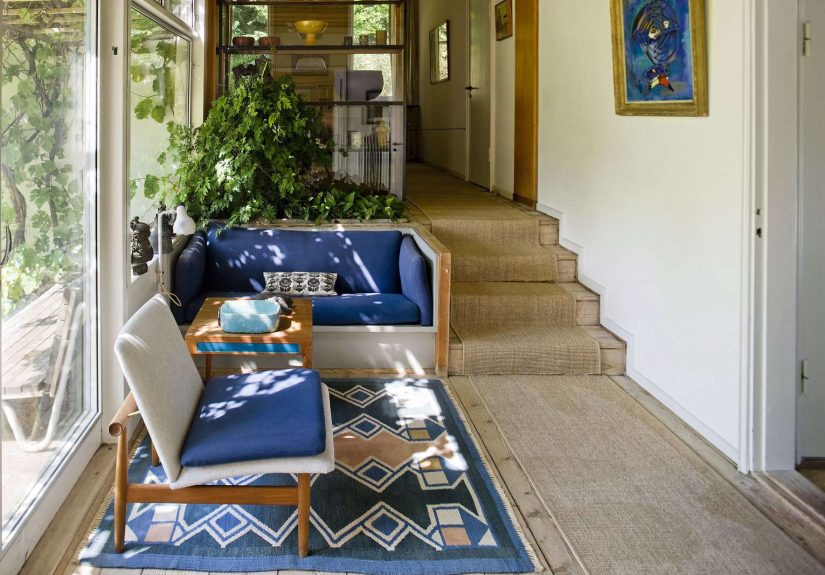
Today’s mission: colorful graphic rugs that blend midcentury modern punch with Scandinavian calmaka the sweet spot where bold geometry meets cozy restraint. Think: clean lines, warm woods, playful shapes, and colors that feel sunny… not circus-y.
What “Midcentury Scandi” Really Means (and Why Rugs Nail It)
Midcentury modern: geometry with warmth
Midcentury style is the design equivalent of a perfectly tailored jacket: simple, sharp, and secretly doing a lot. It loves clean lines, organic curves, and graphic shapesbut it keeps things functional. That’s why bold rugs work so well here: a rug can deliver the “wow” without requiring you to buy a new sofa (or emotionally recover from the price of teak).
Scandi style: light, natural, and quietly cozy
Scandinavian interiors lean into minimalism, functionality, and natural materials, usually in a bright, airy palette. The rug’s job in a Scandi space is often to add texture and warmthand, if we’re being honest, to keep your feet from touching cold floors like a surprise ice bath.
Put them together and you get a look that’s graphic but not chaotic, colorful but not loud, and modern but still comfy. A well-chosen rug does the heavy lifting.
The Quick Checklist Before You Buy (So Your Rug Doesn’t “Float”)
1) Size: go bigger than your instincts (yes, really)
The most common rug mistake is picking one that’s too small. It makes furniture look like it’s awkwardly hovering around a tiny decorative island. A larger rug anchors the room and makes everything feel more intentional.
- Living room: Aim for front legs of your sofa and chairs on the rug (or ideally all legs if space allows). A classic sweet spot is 8’×10′ or 9’×12′ for many layouts.
- Dining room: Make sure chairs stay on the rug even when pulled out. As a rule, add extra space beyond the table on all sides.
- Bedroom: You want enough rug showing on the sides of the bed so your feet land on something soft in the morningbecause adulthood is hard enough already.
2) Pile height: match it to real life
Love a plush rug? Same. But in high-traffic zones (entryways, dining spaces, homes with pets who treat mud like a skincare routine), consider low-pile or flatweave for easier cleaning and fewer chair-leg tantrums.
3) Material: choose your “rug personality”
- Wool: A classic for good reasondurable, cozy, and often naturally resistant to grime. Great for living rooms and bedrooms.
- Cotton: Softer, more casual, often more affordable. Nice for low-traffic areas or layered looks.
- Performance synthetics (like polypropylene/PET blends): Frequently easier to clean and great for busy households, kids, or pets.
- Natural fibers (jute/sisal): Textural and earthy, but can feel rough and may not love spills. Better in low-mess zones.
4) Rug pad: the quiet hero
If you skip the rug pad, your rug may slide, bunch, or wear faster. A pad helps with grip, comfort, and longevity. Match pad thickness to rug pile and placement (thin for low-pile, thicker for extra cushion where you lounge).
10 Easy Pieces: Colorful Graphic Rugs with Midcentury Scandi Appeal
These “easy pieces” are style formulas you can shop across many retailersbecause your perfect rug might be called “Geo Sunrise,” “Modern Blocks,” or something equally dramatic. The key is the pattern logic and palette.
-
1) Bauhaus Blocks Flatweave (Primary colors, but grown-up)
The look: Rectangles, circles, and confident color blockinglike modern art decided to become a rug.
Why it works: Midcentury geometry is built-in, while a neutral background (cream, sand, dove gray) keeps it Scandi-friendly.
Try it in: Living rooms with light wood, black accents, and simple upholstery. Bonus points if your coffee table has slim legs and good posture.
Palette tip: Choose two bold colors and let the rest be calm (e.g., rust + teal on ivory).
-
2) Pebble-and-Line Abstract (Organic shapes meet clean stripes)
The look: Rounded “pebble” shapes with a few crisp linessoft, modern, slightly playful.
Why it works: The curves nod to midcentury organic forms; the minimal layout keeps it Nordic.
Try it in: Bedrooms, nurseries, or reading corners. It’s soothing without being sleepy.
Material call: Wool or wool-blend low-pile looks especially elevated here.
-
3) Scandinavian Stripe With a Pop (Calm base, one “hello color”)
The look: Subtle stripes in cream/gray with a single punchy accent line (mustard, cobalt, or terracotta).
Why it works: It’s basically Scandi minimalism wearing a fun sock. One bold detail adds personality without clutter.
Try it in: Hallways, home offices, or under a dining table where you want interest but not chaos.
-
4) Atomic Starburst Motif (Retro energy, modern restraint)
The look: Small starbursts or “atomic” dots scattered lightly across a field.
Why it works: It references classic midcentury patterns but stays airy if the scale is small and the background is light.
Try it in: A minimalist living room that needs a little personalitylike adding eyeliner to a great outfit.
Keep it Scandi: Choose muted versions of brights (dusty teal, warm mustard, clay pink).
-
5) Color-Field Ombre (Art rug, but chill)
The look: A gentle fade from one color to another, sometimes with a subtle horizon line.
Why it works: It’s graphic without being busyperfect for Scandi spaces that still want color.
Try it in: Bedrooms and living rooms where you want softness and depth.
Designer trick: Echo the rug’s main tone once elsewhere (a pillow, a vase, or a framed print) so it looks intentional.
-
6) Mod Checkerboard (Yes, it’s backand it can be sophisticated)
The look: Checkerboard, but in softened colors or slightly irregular blocks.
Why it works: Midcentury loves pattern; Scandi loves order. Checkerboard is bothif you keep the palette controlled.
Try it in: Kitchens (runner), dining rooms, or entryways in a durable performance weave.
Palette tip: Cream + caramel, ivory + charcoal, or sand + dusty blue keeps it timeless.
-
7) Abstract “Nordic Landscape” (Soft shapes, dusk colors)
The look: Blobby hills, half-moons, and layered shapes in muted toneslike a minimalist postcard from Denmark.
Why it works: It reads artistic and modern, but not loud.
Try it in: Living rooms with warm woods, linen sofas, and a few black metal accents.
Best colors: Slate blue, moss green, clay, oatmeal, and a whisper of mustard.
-
8) Terrazzo Speckle (Playful texture without visual noise)
The look: A neutral base with scattered confetti-like flecks in coordinated colors.
Why it works: It hides crumbs (bless) and adds graphic interest while still feeling minimal.
Try it in: Family rooms, dining areas, and spaces where “life happens.”
Material call: Performance synthetics are great here for easy cleanup.
-
9) Kilim-Inspired Geometry (Flatweave, folk-meets-modern)
The look: Crisp geometric motifs with a handmade vibeoften in flatweave construction.
Why it works: The pattern satisfies midcentury graphic love, while the flatweave texture feels Scandinavian and unfussy.
Try it in: Layered looks (over jute, under a coffee table) or anywhere you want a curated, collected vibe.
Color tip: Choose a rug where one warm wood tone (rust, cognac, walnut-brown) shows up to harmonize with furniture.
-
10) Indoor/Outdoor Geometry (The “I spill coffee” friendly option)
The look: Bold geometric patterns built for durabilityoften in tightly woven synthetics.
Why it works: You get graphic impact with low-maintenance reality.
Try it in: Entryways, patios, kitchens, and dining roomsespecially if you host often or have pets who think “outside” is a seasoning.
Scandi styling: Pair with simple furniture and natural textures (wood, linen, woven baskets) so the rug reads intentional, not sporty.
How to Style Colorful Graphic Rugs Without Making Your Room Feel Busy
Let the rug be the headlineeverything else is the supporting cast
If the rug has strong shapes and color, keep big furniture pieces relatively calm: solid upholstery, simple silhouettes, and warm wood tones. This is how you get “designed” instead of “I lost a bet at a paint store.”
Repeat a color twice, then stop
Pull one rug color into two small momentslike a cushion and a piece of art. That’s enough to feel cohesive without turning your room into a themed party.
Use contrast like seasoning
Midcentury interiors often mix warm woods with crisp black details and a punch of color. Scandinavian spaces love soft neutrals with texture. A graphic rug can bridge both: bold pattern + calm background = balance.
Care and Longevity: Keep It Cute for the Long Haul
- Vacuum regularly: Especially in high-traffic areas (and yes, even if the rug “looks fine”).
- Rotate every few months: Helps prevent uneven fading and wear.
- Spot clean fast: Blot, don’t scrub like you’re trying to erase your past.
- Use a rug pad: Adds grip, comfort, and helps the rug wear more evenly.
Where to Shop (and What to Look for in Listings)
You can find these styles across big retailers, boutique rug brands, and washable-rug companies. When you’re browsing, focus on:
- Construction: Flatweave and low-pile are easier for dining chairs and high traffic.
- Material clarity: Wool, cotton, polypropylene/PET, or blendsmake sure it’s stated.
- Pile height: If you have a robot vacuum, check clearance unless you want it to retire in protest.
- Color notes: Look for “muted,” “dusty,” “heathered,” or “tonal” if you want Scandi softness.
- Return policy: Rugs are big commitments. Make sure you can return if it looks different at home.
of Rug Experiences (Because This Is Where the Real Drama Lives)
If you’ve ever shopped for a rug online, you already know it’s a three-act play.
Act 1: Confidence. You measure your space. You feel powerful. You tell yourself, “I’m not going to be one of those people who buys a rug that’s too small.” You even consider using painter’s tape to outline the rug on the floor like a responsible adult with a future.
Act 2: The Internet, a.k.a. 9,000 Options and One Weird Size. Suddenly every rug is listed as 7’10” × 10’3″ (which is not a real number; it’s a riddle). You discover that “ivory” can mean “warm cream” or “the color of a printer paper that’s seen too much.” You zoom in on product photos until the fibers look like a satellite image of a tiny planet.
Then comes the pattern debate. A bold geometric rug looks incredible in the staged photobecause that living room has no charging cables, no mail pile, and a suspicious absence of normal life. You start asking yourself big questions like: Will this make my room feel energizing… or like a retro arcade?
Act 3: The Arrival (and the Unboxing Workout). The rug shows up rolled tighter than your schedule. You drag it inside, unroll it, and immediately learn that corners have opinions. Your pet appears out of nowhere to sit on it like they personally selected this rug with their own credit card.
This is also the moment you realize why rug pads exist. Without one, the rug does that slow, sneaky slide across the floorlike it’s trying to leave the room without saying goodbye. With a pad, it finally behaves, feels softer, and stops bunching every time someone walks across it with purpose.
And once it’s down? Magic. The room suddenly looks pulled together. Your sofa seems more expensive. The space feels warmer and quieter. You catch yourself standing there, coffee in hand, thinking, “Wow. I did that.”
That’s the real joy of a colorful graphic rug with midcentury Scandi appeal: it gives you the best of both worlds. You get the playful geometry and color that makes the room feel alive, plus the calm structure and warmth that makes you want to stay awhile. It’s design that looks goodand lives well.
Final Takeaway
A great Midcentury-Scandi rug is basically a cheat code: bold shapes + controlled palette + the right size = instant “designer” energy. Pick a pattern that makes you smile, keep your big furniture calm, add a rug pad, and let that graphic color do what it does bestmake the whole room feel finished.