Table of Contents >> Show >> Hide
- Vitamin D in Plain English: Why It Matters
- How Much Vitamin D Do You Need Each Day?
- Vitamin D2 vs. D3: The 20-Second Version
- 8 Foods High in Vitamin D: Your Vitamin D Foods List
- How to Actually Hit Your Vitamin D Goal (Without a Spreadsheet)
- When Food Isn’t Enough: A Sensible Note on Supplements and Safety
- Final Takeaway
- Real-Life Experiences: 8 Foods High in Vitamin D (How It Plays Out in a Normal Week)
Vitamin D is the “sunshine vitamin,” which is cute until you realize most of us spend our days under roofs, behind windshields,
and occasionally under a blanket that we insist is “just a light throw.” The result: getting enough vitamin D from sunlight alone
can be tricky, and getting it from food can feel like a scavenger hunt where the prize is… another nutrition label.
The good news is you can build a smart, realistic vitamin D foods listone that fits a normal American kitchen and doesn’t
require you to develop a personality based entirely on cod liver oil. This guide breaks down the top vitamin D foods (natural and
fortified), how much you might get per serving, and practical ways to eat them without turning dinner into a biology lecture.
Vitamin D in Plain English: Why It Matters
Vitamin D helps your body absorb calcium and supports bone health. It also plays roles in muscle function and the immune system.
When vitamin D intake is low for long stretches, the risk for bone and muscle issues goes up. Translation: vitamin D is one of those
behind-the-scenes helpers you miss most when it’s not showing up to work.
Food isn’t the only way to get vitamin D (sunlight and supplements count, too), but food is the most controllable option for many
peopleespecially during winter months, busy seasons, or if sun exposure is limited for skin-protection reasons.
How Much Vitamin D Do You Need Each Day?
Recommended amounts vary by age. Here’s a quick, reader-friendly snapshot in both micrograms (mcg) and International Units (IU).
(Helpful conversion: 1 mcg = 40 IU.)
| Life stage | Recommended daily amount |
|---|---|
| Birth to 12 months | 10 mcg (400 IU) |
| Children 1–13 years | 15 mcg (600 IU) |
| Teens 14–18 years | 15 mcg (600 IU) |
| Adults 19–70 years | 15 mcg (600 IU) |
| Adults 71+ years | 20 mcg (800 IU) |
| Pregnant/breastfeeding | 15 mcg (600 IU) |
One more label-life tip: in the U.S., Nutrition Facts labels list vitamin D in mcg per serving, and may also show IU
in parentheses. The Daily Value (DV) for vitamin D on U.S. labels is 20 mcg (800 IU) for adults and children 4+,
which makes it easier to compare foods at a glance.
Vitamin D2 vs. D3: The 20-Second Version
You’ll see two forms of vitamin D in food: D3 (often from animal sources like fish and eggs) and D2
(commonly from plants and fungi, like UV-exposed mushrooms). Both can help you meet vitamin D needs, but their sources matter if you
eat vegan or mostly plant-based. Practically speaking: if fish and eggs are on your menu, D3 foods do a lot of heavy lifting; if not,
fortified foods and UV-treated mushrooms become your best friends.
8 Foods High in Vitamin D: Your Vitamin D Foods List
Amounts vary by brand, species, season, and how a food is prepared, so think of these as reliable ranges and label-check prompts
rather than a math exam. If you want precision, your best move is still the Nutrition Facts label (for fortified foods) and reputable
nutrient databases (for whole foods).
1) Rainbow Trout (Cooked)
If vitamin D had a “most underrated” award, trout would win it and still show up on time to help you move. A cooked fillet of
rainbow trout can deliver a hefty dose of vitamin Doften enough to make a meaningful dent in your daily target.
- Why it’s great: High vitamin D, high protein, mild flavor, quick cook time.
- How to eat it: Sheet-pan trout with lemon, garlic, and asparagus; or flake it into tacos with cabbage slaw.
- Smart tip: Pair with a little fat (olive oil, avocado) to support absorption, since vitamin D is fat-soluble.
2) Salmon (Wild or Canned)
Salmon is the headline act in most “foods high in vitamin D” lists for a reason. It naturally contains vitamin D, and it’s easy to
work into meals without reinventing your whole personality.
- Typical serving: 3 ounces cooked or a portion of canned salmon.
- How to eat it: Salmon bowls with rice and roasted veggies; salmon salad (like tuna salad, but fancier).
- Budget hack: Canned salmon is often more affordable and still contributes vitamin D.
3) Canned Light Tuna
Tuna is popular because it’s convenient, not because it’s trying to impress you. It still earns a spot on a vitamin D foods list,
especially when you’re building meals from whatever’s in the pantry plus vibes.
- Why it’s useful: Easy lunch protein that contributes vitamin D.
- How to eat it: Tuna salad with Greek yogurt and mustard; tuna melt; tuna-and-white-bean salad.
- Practical note: If you eat tuna often, vary your seafood choices to keep your overall diet balanced.
4) Sardines (Canned)
Sardines are tiny fish with big “main character energy” in the nutrient world. They offer vitamin D and other nutrients like omega-3s.
If you’ve never tried them, think of sardines as the “bold” optionlike anchovies’ chill cousin.
- Best for: Fast snacks and no-cook meals.
- How to eat it: Mash on toast with lemon and pepper; toss into pasta with garlic and olive oil.
- Flavor upgrade: Try smoked or lemon-flavored varieties if plain feels intimidating.
5) Cod Liver Oil
This one is basically vitamin D’s greatest hits album. Cod liver oil is concentrated and can provide a large amount of vitamin D in a
small servinghelpful for some people, but also a reason to use it thoughtfully.
- Why it’s powerful: Very high vitamin D in a small dose.
- How to take it: If you use it, follow label directions and consider talking with a healthcare professionalespecially
if you also take supplements or eat lots of fortified foods. - Reality check: It’s not a “more is better” situation; vitamin D has an upper limit for a reason.
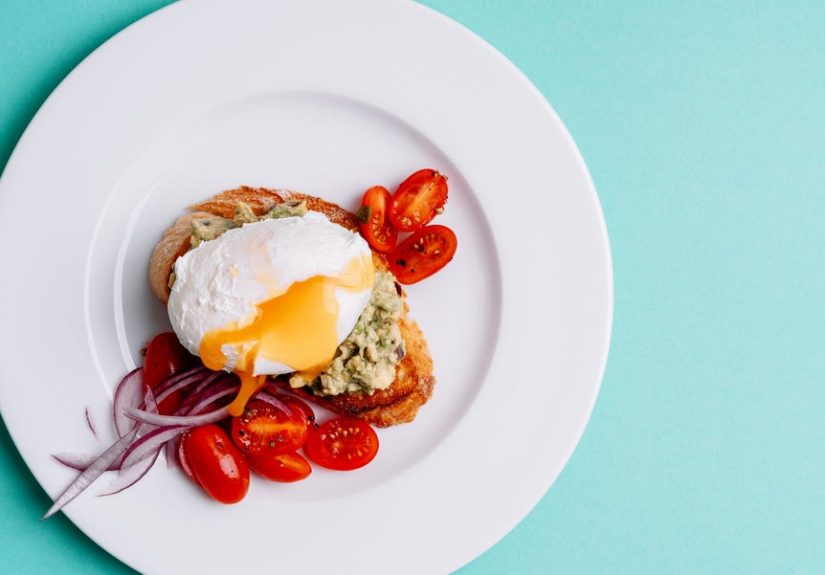
6) Egg Yolks
Eggs won’t carry your entire vitamin D intake solo, but they’re consistent, widely available, and easy to layer into a day’s eating.
The vitamin D is in the yolk, so this is not the moment for an “egg-white-only era” unless you have a specific reason.
- How to eat it: Veggie omelet; jammy eggs on salad; breakfast tacos.
- Strategy: Combine eggs with another vitamin D source (like fortified milk in a latte or UV-exposed mushrooms in an omelet).
7) UV-Exposed Mushrooms
Mushrooms are the MVP for plant-based eaters because they can provide vitamin D2especially when they’ve been exposed to ultraviolet
(UV) light. Many stores label these specifically (look for phrases like “UV-exposed” or “high in vitamin D”).
- Why they matter: One of the few non-animal foods that can meaningfully contribute vitamin D.
- How to eat it: Roast them until crispy; add to stir-fries; blend into sauces for a savory boost.
- Pro move: Put them in tacos or pasta to make the whole meal taste meatier (even if it isn’t).
8) Fortified Milk and Fortified Alternatives (Plus a Few Bonus Fortified Foods)
In the U.S., many people get most of their dietary vitamin D from fortified foods. Cow’s milk is a common example,
and many plant-based milks (soy, almond, oat) are fortified too. You can also find vitamin D added to certain yogurts, breakfast cereals,
and even some orange juices.
- Why it’s a big deal: Fortified foods can provide steady, predictable vitamin Dbecause the amount is listed right there on the label.
- What to do: Compare brands. Fortification levels vary, especially in plant-based products.
- Easy wins: Fortified milk in smoothies, fortified yogurt at breakfast, fortified cereal as a snack.
How to Actually Hit Your Vitamin D Goal (Without a Spreadsheet)
Most people don’t fail at vitamin D because they “didn’t care enough.” They fail because vitamin D doesn’t show up in tons of foods,
and the foods that do contain it aren’t always daily staples. Here’s a realistic approach:
Build “vitamin D combos,” not one perfect superfood
- Breakfast combo: Eggs + fortified milk (coffee, cereal, smoothie) + UV-exposed mushrooms in an omelet.
- Lunch combo: Tuna salad + fortified yogurt + a side of roasted mushrooms.
- Dinner combo: Salmon or trout + roasted vegetables + a fortified beverage you actually like.
Read labels like a pro
For fortified foods, the label is your cheat code. Look for vitamin D in mcg, then use the conversion if you think in IU:
mcg × 40 = IU. Also, check the %DVif it’s 20% DV, that’s about 4 mcg (160 IU) based on the DV of 20 mcg.
Don’t forget vitamin D is fat-soluble
You don’t need to drink olive oil out of a shot glass (please don’t), but pairing vitamin D foods with healthy fats can help with absorption.
Think: salmon with avocado, eggs with cheese, mushrooms roasted in olive oil, tuna salad made with a fat source.
When Food Isn’t Enough: A Sensible Note on Supplements and Safety
If you suspect low vitamin D, the most helpful move is to talk with a healthcare professional about whether testing makes sense for you.
People with limited sun exposure, certain medical conditions, or dietary restrictions may need extra support. Supplements can be useful,
but vitamin D is one of those nutrients where “more” isn’t automatically “better.”
For most adults, the tolerable upper intake level is often cited as 4,000 IU per day. That doesn’t mean everyone should aim
for 4,000 IUit means routinely going beyond that without guidance is a bad plan. If you combine fortified foods, cod liver oil, and a supplement,
it can add up faster than you think.
Final Takeaway
A strong vitamin D foods list is less about chasing a single “perfect” ingredient and more about stacking small, consistent choices:
fatty fish a couple times a week, fortified foods you actually enjoy, and plant-based options like UV-exposed mushrooms if needed.
Keep it practical, check labels, and remember: your goal is steady progressnot turning dinner into a doctoral dissertation.
Real-Life Experiences: 8 Foods High in Vitamin D (How It Plays Out in a Normal Week)
People rarely struggle with vitamin D because they don’t know it exists. They struggle because life happens. Work runs late, grocery plans
fall apart, and suddenly you’re eating “girl dinner” that’s basically pickles and crackers. Here are some common, real-world patterns people
run intoand simple ways they tend to solve them using vitamin D foods.
Experience #1: “I only remember vitamin D when it’s cold and dark.”
This is incredibly common. When daylight shrinks, people notice mood shifts, lower energy, or just a general “why is my blanket calling me?”
feeling. What helps is building a winter default routine that doesn’t require motivation: fortified milk or a fortified plant milk in
coffee every morning, plus a fish dinner once or twice a week. Salmon bowls become popular here because they’re fast, comforting, and scale well
for leftovers. Many people also discover they like canned salmon more than expected once it’s mixed into a salad with crunchy celery and a squeeze
of lemon.
Experience #2: “I’m plant-based, so vitamin D feels impossible.”
Plant-based eaters often start with mushrooms, get excited, then realize not all mushrooms are created equal. UV-exposed mushrooms are the key.
Once people find them (or find a brand that consistently labels vitamin D content), it gets easier: roasted mushrooms tossed into tacos, pasta,
or grain bowls can become a weekly staple. The other big breakthrough is label-comparing plant milks. Some brands are generously fortified; others
are basically nut-water with good marketing. People who hit their targets more consistently tend to pick one fortified milk they genuinely enjoy
and use it dailysmoothies, cereal, coffee, overnight oatsso vitamin D becomes automatic instead of “another thing to remember.”
Experience #3: “I hate fish, but I want the benefits.”
This one is a classic. The workaround is usually texture and flavor strategy: start with mild fish like trout or a well-seasoned salmon recipe
(think: blackened seasoning, teriyaki glaze, or lemon-garlic). For some people, the gateway is fish in a form that doesn’t taste “fishy,” like a
salmon cake or a tuna melt. Sardines are the wild-card: plenty of folks swear they’re delicious once paired with the right supporting casttoast,
hot sauce, citrus, and something crunchy. If none of that sounds appealing, fortified foods (milk, yogurt, cereals) do more heavy lifting.
Experience #4: “I’m busy, and I forget until the day ends.”
Busy schedules push people toward grab-and-go foods, which is actually an advantage if you choose fortified staples. A fortified yogurt cup at
breakfast, cereal as an afternoon snack, or fortified milk in a smoothie can quietly add vitamin D without cooking. The “easy button” dinner is
often canned light tuna over salad greens with olive oil dressingminimal prep, real protein, and a little vitamin D. People who succeed here
usually stock two “backup” vitamin D options at all times: one pantry item (tuna or sardines) and one fridge item (fortified dairy or non-dairy).
Experience #5: “I started supplements and forgot food still matters.”
Some people jump straight to supplements and then accidentally stack vitamin D from multiple directions: supplements plus cod liver oil plus
fortified foods. The most sustainable approach tends to be “food first, supplements with guidance.” People often feel best when their baseline is
consistent mealseggs and fortified milk for breakfast, mushrooms in a stir-fry, salmon once a weekthen supplements only if a clinician recommends
them based on individual needs.
The overall pattern is simple: vitamin D is easiest when it becomes part of your defaults. Pick two or three vitamin D foods you like,
repeat them each week, and let the label do the math for you. Your future self (and your grocery brain) will thank you.