Table of Contents >> Show >> Hide
- What Is SIRVA (and Why Does It Happen)?
- SIRVA vs. Normal Post-Vaccine Soreness
- SIRVA Symptoms: What People Often Notice
- What “Counts” as SIRVA? Common Diagnoses Under the Umbrella
- What Causes SIRVA?
- How SIRVA Is Diagnosed
- SIRVA Treatment: What Actually Helps
- Recovery Timeline: How Long Does SIRVA Last?
- Can SIRVA Be Prevented?
- of Experiences: What People Commonly Describe With SIRVA
- Conclusion
Quick heads-up: This article is for general educationnot a medical diagnosis. If you think you have SIRVA (or your shoulder is staging a rebellion after a shot), a clinician can help you sort out what’s going on and how to fix it.
What Is SIRVA (and Why Does It Happen)?
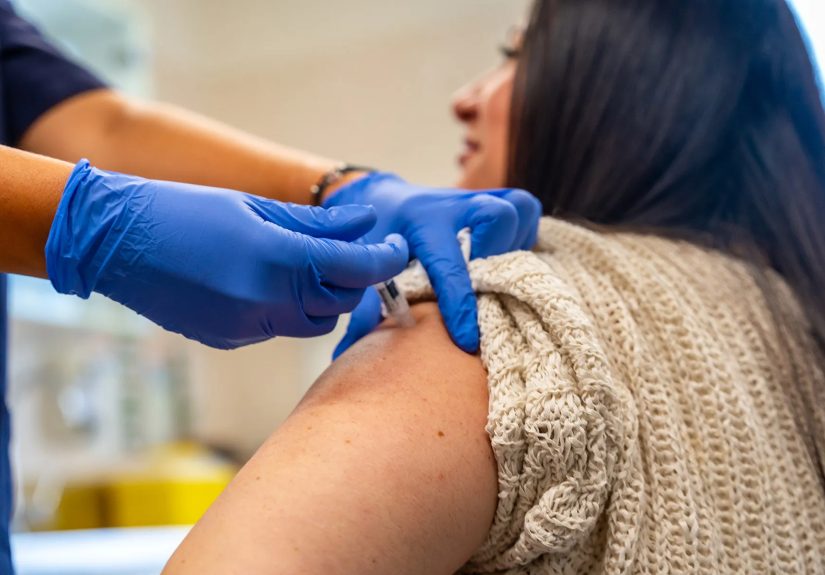
SIRVA stands for Shoulder Injury Related to Vaccine Administration. It’s a preventable shoulder problem that can happen when a vaccine meant for the deltoid muscle ends up being injected too high or too deepcloser to the shoulder’s sensitive structures like the subdeltoid/subacromial bursa, tendons, or joint capsule. Instead of “normal post-shot soreness,” the shoulder can develop an inflammatory reaction that leads to significant pain and limited movement.
Important nuance: SIRVA is about administration technique (where the shot went), not about the vaccine “being bad.” Vaccines can cause temporary arm soreness in many people. SIRVA is different: it’s a shoulder injury pattern that tends to start fast and linger.
SIRVA vs. Normal Post-Vaccine Soreness
Lots of people feel a dull ache after a vaccine. That’s common, expected, and usually fades within a few days. SIRVA is more like: “My shoulder didn’t just get a shotmy shoulder got drafted into an unwanted commitment.”
Typical “Normal” Soreness
- Starts within a day
- Feels like muscle tenderness at the injection site
- Improves steadily over 24–72 hours
- Annoying but manageable with gentle use, time, and simple pain relief
More Suggestive of SIRVA
- Rapid onset (often within 48 hours) of significant shoulder pain
- Range of motion gets worse (hard to lift your arm, reach overhead, or reach behind your back)
- Pain that doesn’t improve with typical over-the-counter approaches
- Symptoms persist for weeks and sometimes longer if not addressed
- No meaningful shoulder problem before the vaccination
If you’re unsure which bucket you’re in, a clinician can helpbecause other issues can mimic SIRVA, and some of them need urgent attention.
SIRVA Symptoms: What People Often Notice
SIRVA symptoms usually center on pain and functionmeaning what your shoulder can (or suddenly cannot) do. Common symptoms include:
1) Shoulder Pain That Feels “Deeper” Than обыч (Regular) Shot Soreness
People often describe pain that feels inside the shoulder rather than just on the surface of the deltoid. It may be sharp with movement, achy at rest, or both.
2) Limited Range of Motion
You may notice trouble with everyday actions like:
- Putting on a shirt or bra
- Washing your hair
- Reaching into a cabinet
- Fastening a seatbelt
- Sleeping on the affected side (a classic “why is my shoulder so dramatic at bedtime?” moment)
3) Weakness or “Guarding”
Sometimes weakness comes from painyour body reflexively protects the shoulder by limiting movement. True weakness can also happen if certain tendons or nerves are irritated.
4) Stiffness That Builds Over Time
In some cases, the shoulder gradually stiffens, resembling adhesive capsulitis (frozen shoulder). That’s when the joint capsule becomes inflamed and tight, and mobility becomes seriously restricted.
5) Sleep Disruption
Night pain is common with shoulder inflammation. If you’re waking up because rolling over feels like your shoulder got jump-scared, that’s worth mentioning to a clinician.
What “Counts” as SIRVA? Common Diagnoses Under the Umbrella
SIRVA is often discussed as a syndrome rather than one single injury. Clinicians may diagnose a specific condition such as:
- Subacromial/subdeltoid bursitis (inflamed bursa)
- Tendinitis (inflamed tendon), including rotator cuff tendinitis
- Rotator cuff injury (from inflammation or an aggravated pre-existing issue)
- Adhesive capsulitis (frozen shoulder)
- Shoulder impingement patterns
One reason SIRVA can be tricky is that imaging can look similar to “regular” shoulder problems. The standout clues are often the timing (soon after vaccination) and the functional drop (sudden limitation compared with baseline).
What Causes SIRVA?
The most common explanation is improper landmarkingthe injection is placed too close to the shoulder joint or bursa instead of into the central, thickest part of the deltoid. If vaccine material reaches sensitive shoulder structures, it may trigger a strong local inflammatory response.
Contributing Factors
- Injection too high on the arm (near the acromion)
- Injection too deep for a person’s body build
- Incorrect needle length selection
- Arm position that makes landmarking harder
- Clothing that prevents the vaccinator from seeing proper landmarks (yesrolling up a tight sleeve can be a surprisingly unhelpful plot twist)
None of this is about blaming patients. It’s simply mechanics: the shoulder is a busy intersection of tendons, bursae, and joint structures. Put the injection in the wrong lane, and traffic gets chaotic.
How SIRVA Is Diagnosed
There’s no single “SIRVA blood test.” Diagnosis usually comes from a combination of:
- History (especially timing: onset within ~48 hours, previously normal shoulder)
- Physical exam (pain location, range-of-motion limits, strength testing)
- Imaging when needed (ultrasound or MRI to evaluate bursitis, tendon inflammation, rotator cuff problems, or adhesive capsulitis patterns)
Why Clinicians Take the Differential Diagnosis Seriously
Shoulder pain after vaccination can also be:
- Typical post-injection soreness
- A flare of a pre-existing shoulder issue (that just chose an unfortunate time to show itself)
- Nerve irritation (rare, but possible)
- Infection (rare, but urgent when present)
Red Flags: Get Urgent Care
Seek prompt medical care if you have shoulder symptoms plus any of the following:
- Fever or chills
- Rapidly worsening redness, warmth, or swelling
- Severe weakness, numbness, or spreading tingling
- Inability to move the arm at all
- Symptoms that worsen dramatically day by day instead of gradually improving
SIRVA Treatment: What Actually Helps
SIRVA treatment generally mirrors treatment for the underlying shoulder inflammation diagnosis (bursitis, tendinitis, adhesive capsulitis, etc.). The big idea is to reduce inflammation, restore motion, and prevent long-term stiffness.
Step 1: Early, Practical Pain Control
- Relative rest (avoid painful overhead lifting, but don’t “immobilize forever”)
- Ice in short sessions to reduce pain
- Anti-inflammatory medications when appropriate (a clinician can advise what’s safe for you)
Gentle movement matters. Total shutdown can lead to stiffnessespecially if adhesive capsulitis is developing.
Step 2: Physical Therapy (Often the MVP)
Physical therapy is frequently recommended because it targets the two things SIRVA loves to mess with: painful movement and lost range of motion.
PT may include:
- Guided stretching to restore motion safely
- Strengthening for rotator cuff and shoulder blade stabilizers
- Posture and mechanics coaching (your shoulder is part of a team: neck, upper back, and shoulder blade all influence it)
- Home exercisesshort, consistent sessions usually beat “one heroic workout”
Step 3: Corticosteroid Injection (For Some Cases)
If symptoms are significant or persistentespecially when bursitis or frozen shoulder patterns are suspectedclinicians may consider a corticosteroid injection into the appropriate space (often guided by exam findings and sometimes imaging). This can reduce inflammation and pain and may make PT more tolerable.
Step 4: Imaging and Specialist Referral
If pain and dysfunction continue, a clinician may order an ultrasound or MRI to better characterize bursitis, tendon involvement, or adhesive capsulitis and guide treatment. Referral to sports medicine, orthopedics, or physical medicine/rehab may be helpful for stubborn cases.
Step 5: Surgery (Rare, but Sometimes Necessary)
Most people improve without surgery. But if there’s a significant structural issue (or prolonged adhesive capsulitis that doesn’t respond to conservative care), surgical options might be discussed. This is typically a last resort after a thoughtful course of non-surgical treatment.
Recovery Timeline: How Long Does SIRVA Last?
Recovery varies based on the exact diagnosis (bursitis vs. adhesive capsulitis), how soon treatment starts, and individual factors like baseline shoulder health. Some people improve over weeks; others need months of targeted rehabilitationespecially if a frozen shoulder pattern develops.
A useful rule of thumb: if your shoulder isn’t improving after a few days the way normal soreness wouldor if function is clearly limitedget evaluated earlier rather than later. Timely treatment may reduce the severity and duration.
Can SIRVA Be Prevented?
YesSIRVA is widely described as preventable. Prevention is mostly about correct injection technique and appropriate needle selection.
For Clinicians and Vaccinators
- Use proper anatomical landmarking and inject into the recommended deltoid area
- Select appropriate needle length based on body build
- Use correct angle and technique for intramuscular injection
For Patients (Yes, You Can Advocate Without Being Awkward)
- Wear a top that allows the vaccinator to see your full shoulder
- Avoid tight sleeves that force “guesswork landmarking”
- Relax your arm and let the clinician position you properly
- If the injection point looks extremely high (near the top of the shoulder), it’s okay to politely ask, “Is that the usual spot for the deltoid?”
And just to be clear: none of this is a reason to skip vaccines. It’s a reason to do vaccines wellwhich is exactly what trained vaccinators aim to do.
of Experiences: What People Commonly Describe With SIRVA
Because SIRVA is a shoulder problem that shows up right after something routine (a vaccine), a lot of the experience is a weird blend of surprise, frustration, and eventually strategy. People often start with a thought like, “Okay, my arm is sorenormal.” Then the plot thickens: the pain feels deeper than a typical injection ache, and certain movements (lifting the arm, reaching behind the back, putting on a jacket) suddenly feel like the shoulder is negotiating a contract instead of cooperating.
A common story goes like this: within a day or two of the shot, sleep becomes difficultespecially for side sleepers. Some people report waking up when they roll onto the affected side, or feeling a sharp pinch with overhead reaching. Others describe a “catching” sensation or a painful arc when lifting the arm. The day-to-day irritation can be sneaky: it’s not always constant agony, but it repeatedly interrupts normal lifehair washing, grabbing a bowl from a cabinet, carrying a backpack, or even buckling a seatbelt.
Emotionally, people often describe a specific type of annoyance: the injury happened after something they did to protect their health. That can lead to worry (“Did I damage something permanently?”) or guilt (“Should I have said something about the injection site?”). In reality, many cases improve with proper care, and the most productive step is shifting from blame to problem-solving: get evaluated, identify the likely diagnosis (bursitis, tendinitis, frozen shoulder pattern), and start a plan.
Physical therapy experiences are frequently described as a turning point. At first, it can feel counterintuitive to move a painful shoulder. But people often report that guided stretching and strengthening makes daily tasks easier over timeespecially when they keep up with short home exercise sessions. Many also describe the value of learning “shoulder-friendly” habits: adjusting posture at a desk, using the shoulder blade muscles more effectively, and modifying activities temporarily rather than quitting movement entirely.
Some people note that anti-inflammatory strategies help take the edge off, but the biggest wins come from restoring motion and function. When a clinician recommends a corticosteroid injection, experiences varysome describe rapid relief, others more gradual improvementbut a common theme is that reduced pain can make physical therapy more effective. Finally, many people say the experience changed how they approach future vaccines: they choose clothing that exposes the shoulder fully, they let the vaccinator position the arm, and they feel comfortable asking a quick question if the injection looks unusually high. Not anxiousjust informed. That’s the goal.
Conclusion
SIRVA can be painful and disruptive, but it’s also treatable and often preventable. The biggest clues are timing (rapid onset after vaccination), significant pain, and noticeable loss of shoulder function that doesn’t fade like normal post-shot soreness. With early evaluation, the right combination of pain control, physical therapy, and targeted anti-inflammatory treatment, many people regain comfort and range of motionso the shoulder can stop being the main character.