Table of Contents >> Show >> Hide
- Why Roast a Turkey on a Traeger?
- Step 1: Choose and Thaw Your Turkey Safely
- Step 2: Brine and Season for Maximum Juiciness
- Step 3: Set Up Your Traeger
- Step 4: Roast the Turkey on the Traeger
- Step 5: Rest, Carve, and Serve
- Bonus: Spatchcocking for Faster Traeger Turkey
- Common Traeger Turkey Mistakes (and How to Fix Them)
- Real-World Traeger Turkey Experiences and Pro Tips
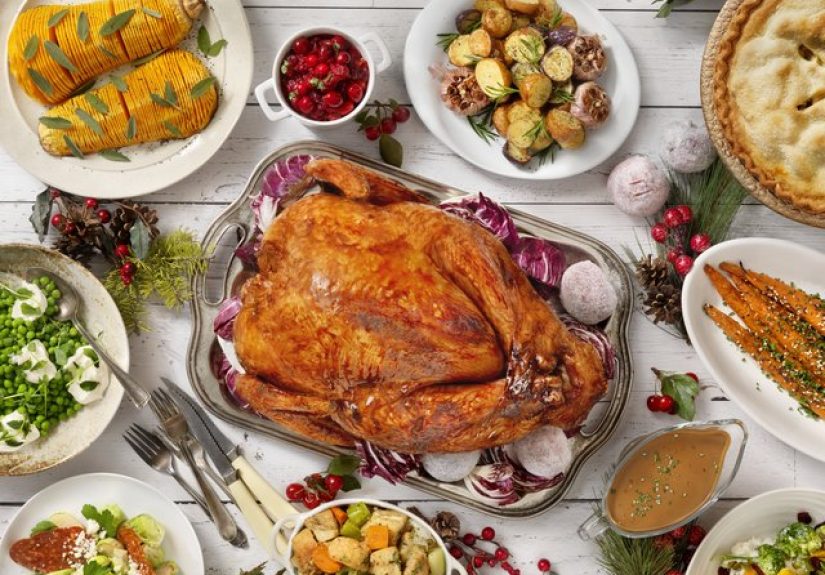
If your oven turns into Grand Central Station every holiday, moving the turkey to a Traeger pellet grill might be the best upgrade you make all year. A Traeger gives you steady, set-it-and-forget-it heat plus real wood-fired flavor, which is basically a cheat code for juicy turkey and crispy skin.
This step-by-step guide walks you through everything: thawing and brining safely, choosing pellets, seasoning, roasting temps, and how to avoid the dreaded dry turkey. Think of it as an eHow-style tutorial, but with more smoke and fewer stress sweats.
Why Roast a Turkey on a Traeger?
Pellet grills like a Traeger sit right between a smoker and an oven. An auger feeds compressed hardwood pellets into a fire pot, and a fan circulates heat and smoke so your turkey cooks evenly with gentle convection. That means:
- Consistent temperature: No more riding the oven dial like it’s a roller coaster. Once you set 300°F or 325°F, the grill’s controller keeps it there with minimal babysitting.
- Wood-fired flavor: Pellets made from apple, cherry, pecan, or a dedicated “turkey blend” add a light smoke that tastes special but not campfire-level intense.
- More oven space: Sides stay in the kitchen; the main event stays outside. Your mashed potatoes will thank you.
- Versatility: You can smoke low and slow for a few hours, then crank the heat to finish and crisp the skin, a method many Traeger guides recommend.
Bottom line: a Traeger makes it easier to hit the sweet spotflavorful, juicy meat with golden skinwithout playing turkey roulette.
Step 1: Choose and Thaw Your Turkey Safely
Picking the right bird
You can roast any standard whole turkey on a Traeger, but a few guidelines make life easier:
- Size: For even cooking, aim for a 10–16-pound bird. Bigger turkeys can be harder to cook evenly; if you’re feeding a crowd, consider two smaller birds instead.
- Check the label: Look for “no self-basting solution added” if you want full control over salt and flavor. Pre-basted birds already have salt and broth injected, so adjust your brine or rub accordingly.
- Fresh vs. frozen: Frozen is usually cheaper and easier to find. Just factor in thawing time.
How to thaw a turkey the safe way
Thawing is where many Thanksgiving horror stories begin. The safest methodrecommended by the USDAis the refrigerator method:
- Refrigerator thawing: Plan on about 24 hours of fridge time for every 4–5 pounds of turkey. A 15-pound bird needs roughly three days to thaw in a fridge at or below 40°F.
- Keep the turkey in its original wrapper, breast-side up, in a rimmed pan to catch any juices.
- Once fully thawed, you can leave it in the fridge for another 1–2 days before cooking.
Short on time? The cold-water method is the next best option: keep the wrapped turkey submerged in cold water, changing the water every 30 minutes. Allow about 30 minutes per pound, and cook as soon as it’s thawed.
Tempted to thaw on the counter “just this once”? Don’t. Room-temperature thawing lets the outer layers sit in the bacterial “danger zone” long before the center has thawed.
Step 2: Brine and Season for Maximum Juiciness
Wet brine vs. dry brine (or a shortcut)
Brining helps season the meat all the way through and keeps it juicy under the dry heat of the grill. You have three main options:
- Wet brine: Submerge the turkey in a salt-and-aromatics solution (often with citrus, herbs, and sugar). Many Traeger recipes use a citrus-forward brine for bright flavor.
- Dry brine: Rub salt and seasonings directly onto the turkey a day or two ahead and let it sit uncovered in the fridge. This takes less space and helps dry out the skin for better crisping.
- Brine kits and rubs: Pre-mixed brine and rub kitslike citrus brine plus turkey rub combos sold with Traeger brandingare popular time-savers and still deliver solid results.
Whichever route you choose, go light if your turkey is already enhanced or self-bastingtoo much added salt can make the meat taste hammy rather than turkey-ish.
Herb butter and seasoning
For classic Traeger-style roasted turkey, mash softened butter with kosher salt, black pepper, garlic, and chopped herbs (rosemary, thyme, sage). Gently loosen the skin over the breasts and slide some of the herb butter underneath, then rub the rest all over the outside of the bird. Many pellet-grill recipes credit this butter-under-the-skin trick for extra moisture and flavor.
Best pellets for turkey
Milder fruit woods shine with poultry. Mix and match:
- Apple or cherry: Slightly sweet, great all-purpose choice.
- Pecan: Richer, nuttier smoke that pairs well with herb butter.
- Blends: Many manufacturers sell “turkey” or “poultry” pellet blends designed to keep smoke flavor balanced, not overpowering.
Step 3: Set Up Your Traeger
- Clean the grill: Empty excess ash, line the drip tray with foil, and make sure the grease bucket is in place. Turkey fat is generous.
- Fill the hopper: Use enough pellets for at least 4–5 hours of cooking.
- Preheat: For a roast with mild smoke and crisp skin, preheat your Traeger to 300–325°F. Some pitmasters like to start lower (around 225°F) for an hour or two to add extra smoke, then raise the temperature to 300–350°F to finish and crisp the skin.
- Set your probe: If your Traeger includes a built-in temperature probe, get it ready. If not, have a digital instant-read thermometer handy.
Step 4: Roast the Turkey on the Traeger
Positioning the bird
Place the turkey breast-side up on a rimmed roasting pan or directly on the grill grates with a pan underneath to catch drips. If you use a pan, a small rack inside keeps the bottom from stewing in its juices.
Insert the thermometer probe into the thickest part of the breast, avoiding the bone. If you have a second probe, place it in the thickest part of the thigh.
Time and temperature guidelines
For a straightforward roasted Traeger turkey:
- Roast at 300–325°F.
- Plan roughly 13–15 minutes per pound as a ballpark estimate.
- Start checking internal temperatures about an hour before your estimated finish time; pellet grills can run slightly differently depending on weather and model.
Many Traeger guides suggest pulling the turkey when the breast reaches about 160°F, because carryover cooking typically nudges it up to the safe mark while it rests.
Safe internal temperature (don’t skip this)
According to the USDA, poultryincluding whole turkeyis safely cooked when the internal temperature reaches at least 165°F (73.9°C) in the breast, innermost thigh, and innermost wing.
Check in three spots:
- Thickest part of the breast
- Innermost part of the thigh, not touching bone
- Innermost part of the wing
If any area is below 165°F, put the turkey back on the grill and recheck every 10–15 minutes.
Step 5: Rest, Carve, and Serve
Once the turkey hits temperature, remove it from the Traeger and transfer it to a cutting board or platter. Let it rest at least 20–30 minutes before carving.
That rest period isn’t just tradition. As food-safety and cooking experts point out, resting allows juices to redistribute so less liquid runs out when you slice, keeping the meat moister. It also gives carryover heat time to do its work, gently bringing the turkey to a stable serving temperature.
Carve off the legs and thighs, then remove the breast halves from the bone and slice them across the grain. Don’t forget to snag some of the smoky skin for yourselfcook’s tax.
Bonus: Spatchcocking for Faster Traeger Turkey
If you want more even cooking and shorter grill time, consider spatchcocking (butterflying) the turkey by removing the backbone and flattening the bird. Spatchcocked turkeys often cook faster and brown more evenly, which several pellet-grill recipes rely on for mid-size birds.
On a Traeger, you can spatchcock, smoke at 300–325°F, and still aim for the same internal temperature targets. Just start checking earlieraround the 90-minute to 2-hour mark for medium birdsbecause the flatter shape speeds everything up.
Common Traeger Turkey Mistakes (and How to Fix Them)
- Rubbery skin: Usually from low temps the whole way through. Make sure you finish at 300–350°F to render fat and crisp up the skin.
- Dry breast, underdone thighs: Try spatchcocking, shielding the breast with foil for part of the cook, or starting the bird breast-side down for 30 minutes before flipping.
- Too much smoke: Use milder pellets, skip heavy mesquite, and don’t leave the turkey at 225°F for half a day. Most pellet-grill guides suggest a moderate smoke window followed by a hotter roast.
- Dry meat overall: Brine next time, don’t skip the butter or oil, and avoid overshooting 165°F by a lot.
Real-World Traeger Turkey Experiences and Pro Tips
Cooking turkey on a Traeger isn’t just about following numbersit’s about learning how your specific grill behaves. Here are experience-based tips drawn from seasoned pellet-grill users and holiday cooks.
1. The “practice turkey” pays off
If you’re new to the Traeger, consider a “practice turkey” or at least a bone-in turkey breast a few weeks before the big holiday. You’ll get a feel for how quickly your grill climbs to temperature, how long it takes a certain size bird to cook in your climate, and how accurate your built-in thermometer is compared with an independent probe.
Many backyard cooks discover that in cold or windy weather, their grill runs a little cooler and needs more time. Others find hot summer weather can shorten cook times. A practice run lets you adjust expectations so you’re not staring at the grill, hangerly calculating how long sides can wait.
2. Brining that fits real life
Full wet brines are amazing in theory, but in a small kitchen, wrestling a five-gallon bucket of poultry and saline can feel like a CrossFit workout. That’s why a lot of experienced Traeger users switch to dry brining or brine kits that use large, heavy-duty bags. You can tuck the bag into a roasting pan or even a clean cooler in the fridge and walk away.
Brine kits and rub blends built for smoked turkey are popular for a reason: they give you a carefully balanced mix of salt, sugar, herbs, and sometimes citrus peel without forcing you to measure 12 ingredients while the dog is underfoot and the in-laws are texting ETAs. You still get deep flavor and extra moisture, just with less chaos.
3. Wood pellet “personality” matters
Long-time Traeger cooks often talk about finding “their” pellet combination. Some love a 50/50 blend of apple and pecan for a slightly sweet, nutty smoke. Others swear by cherry pellets for the deep color they give the skin. A few prefer a straight “signature” blend for something more neutral.
The trick is to think of smoke as an ingredient, not just a side effect. If your family is new to smoked meats, start with milder woods and shorter smoke times so the flavor doesn’t overwhelm classic Thanksgiving sides. You can always add more smoke next year; it’s much harder to take it away.
4. Use your probe like a co-pilot
One of the biggest upgrades from traditional roasting is the ability to monitor internal temperature without constantly opening the grill. A built-in probe or a wireless thermometer lets you track the temperature curve in real time. Over a few cooks, you’ll see patterns: maybe your turkey sits in the 120–140°F range for a while, then rapidly climbs in the last 20–30 minutes.
Instead of obsessing over “minutes per pound,” let that probe tell you the story. If the breast is racing ahead of the thigh, you can tent it with foil or lower the grill temperature slightly. If everything is lagging, bump the temperature up and relaxpellet grills recover quickly.
5. Make leftovers part of the plan
Experienced pellet-grill fans know that Traeger turkey leftovers are gold. The mild smoke flavor makes next-day dishesturkey soup, enchiladas, smoky turkey saladtaste a little more interesting than the usual post-holiday fare. When you’re deciding on turkey size, think about how many leftovers you actually want.
Just remember to treat those leftovers safely: refrigerate within two hours of cooking and reheat to at least 165°F. That way, you’re enjoying great flavor and staying on the right side of food safety guidelines.
With a bit of planning, a good brine, and a steady Traeger, roasting a turkey outdoors becomes less of a yearly gamble and more of a reliable tradition. By your second or third bird, you’ll probably find yourself saying, “Why didn’t I do this years ago?”right around the time everyone goes back for seconds.