Table of Contents >> Show >> Hide
- What Is an Oiled Oak and Horsehair Bath Brush?
- Why These Materials Work So Well Together
- What a Bath Brush Can (and Can’t) Do for Your Skin
- Dry Brushing vs. In-Shower Brushing
- How to Use an Oiled Oak + Horsehair Bath Brush
- Who Should Be Careful (or Skip It)
- Cleaning and Caring for the Brush (So It Doesn’t Get Weird)
- How to Choose the Right Brush (A No-Regrets Checklist)
- Pairing the Brush with a Simple Body Care Routine
- Common Mistakes (and Easy Fixes)
- Conclusion: A Small Tool That Feels Like an Upgrade
- Experiences and Real-Life Moments with an Oiled Oak + Horsehair Bath Brush (Extra)
Some self-care tools are loud about it. Neon colors. Aggressive marketing. Claims that sound like they were written by a smoothie.
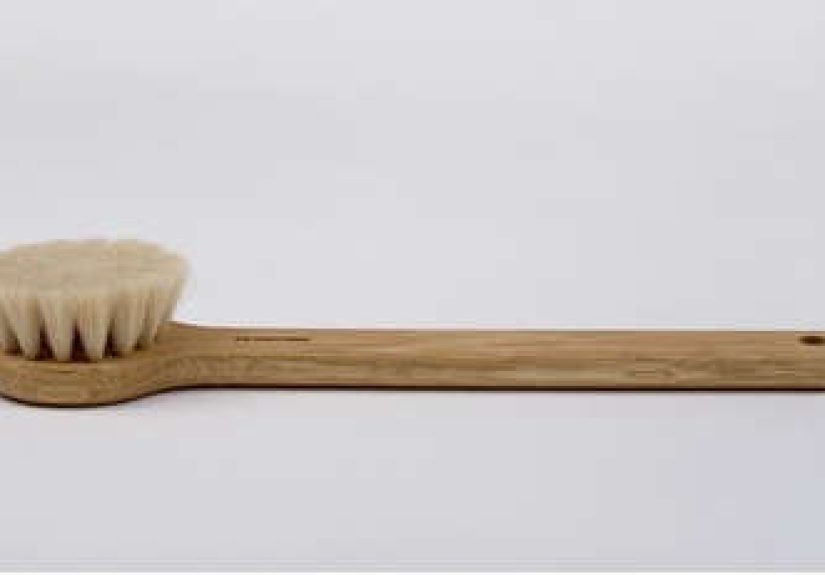
And then there’s the oiled oak and horsehair bath brushquiet, practical, and oddly satisfying, like a well-made wooden spoon that somehow makes soup taste better.
If you’ve ever looked at a body brush and thought, “Is this for my skin… or for sanding a deck?”you’re in the right place.
This article breaks down what makes an oiled oak handle + horsehair bristles combo special, how to use it (dry and in-shower),
how to keep it from turning into a damp science experiment, and how to pick one that actually feels goodwithout falling for miracle-y hype.
What Is an Oiled Oak and Horsehair Bath Brush?
An oiled oak and horsehair bath brush is a body brush made with:
- Oak wood for the handle (often finished with a penetrating oil rather than a glossy varnish)
- Horsehair bristles for brushing the skin (usually softer and finer than many plant-based bristles)
You’ll typically see it in one of two formats:
- Long-handle bath brush (great for the back, shoulders, and hard-to-reach spots)
- Handheld body brush (more control for arms, legs, and torso)
The “oiled” part matters: oil finishes soak into the wood and help protect it while keeping a natural, grippy feel. Translation:
less slippery “wet bar of soap” energy in the shower.
Why These Materials Work So Well Together
Why Oiled Oak for the Handle?
Oak is a dense hardwood known for durability. In brush terms, that means a handle that feels sturdy and balanced instead of flimsy.
An oil-finished oak handle also tends to:
- Feel warmer and more secure in the hand than plastic
- Show character over time (a little patina can look intentional, not tragic)
- Be easier to refresh when it looks dryoften with a light re-oiling
One important reality check: wood and water are not best friends. Oil helps, but it doesn’t grant magical waterproof powers.
How you dry and store the brush matters as much as what it’s made from.
Why Horsehair Bristles?
In the world of natural bristles, horsehair usually sits on the gentler side. Compared with stiffer plant fibers (like sisal),
horsehair bristles often feel:
- Softer (more “polish” than “scrub”)
- More flexible (less scratchy for many people)
- Better for beginners who want exfoliation without feeling like they’re paying penance
That makes horsehair a popular pick for people who want a brush that can do both:
dry brushing (before showering) and in-shower brushing (with a gentle cleanser).
What a Bath Brush Can (and Can’t) Do for Your Skin
The Realistic Benefits
Used correctly, a natural bristle bath brush can support:
-
Gentle exfoliation:
brushing helps lift and remove some dead skin cells, which can make skin feel smoother and look less dull. -
Better body moisturizer “behavior”:
when flaky buildup is reduced, lotions and body oils often spread more evenly and feel less like they’re sitting on top. -
A temporary circulation boost:
brushing can create short-term warmth and pinkness (your skin’s way of saying “hello, I’m awake”). -
A habit loop that supports self-care:
consistent routinesespecially ones that feel goodare easier to keep than complicated 12-step plans.
What It’s Not: A Miracle Tool
A body brush isn’t a medical treatment, and it’s not a guaranteed fix for cellulite, chronic swelling, or skin conditions.
Some claims online sprint far ahead of the evidence. A smart approach is to enjoy the proven basics (exfoliation, comfort, routine)
without expecting your brush to moonlight as a wizard.
Dry Brushing vs. In-Shower Brushing
Dry Brushing (Before Shower)
Dry brushing is brushing clean, dry skin with a dry brushusually before bathing.
With horsehair, the experience is typically more comfortable than with very stiff bristles, making it a common “starter” option.
Best for: rough patches, dullness, and people who like a quick energizing routine.
In-Shower Brushing (With Cleanser)
In the shower, the brush becomes more like a body scrubberespecially on elbows, knees, feet, and the back.
If your brush has an oiled oak handle, try to keep the wood from soaking. Think “rinse and dry,” not “marinate overnight.”
Best for: back cleansing, gentle buffing, and pairing with a mild body wash.
How to Use an Oiled Oak + Horsehair Bath Brush
Technique for Dry Brushing (2–3 Minutes)
- Start with dry skin (no oils or lotion yet).
- Use light pressure. If it stings, scratches, or leaves angry red marks, it’s too much.
-
Work in short strokes:
feet → legs → hands → arms → torso. Many people brush toward the center of the body. - Go easy on sensitive areas (chest/neck) or skip them.
- Shower to rinse away loosened skin cells.
- Moisturize right after while skin is slightly damp for a smoother feel.
Frequency tip: start 1–2 times per week. If your skin handles it well, you can increase gradually.
Overdoing physical exfoliation is a classic way to irritate your skin barrier.
Technique for Shower Brushing (Back-Friendly Edition)
- Wet your skin and apply a gentle cleanser (either on skin or lightly on bristles).
- Use slow, controlled strokesespecially on the back.
- Focus on “high friction” zones (shoulders, upper back, elbows) but don’t scrub like you’re removing graffiti.
- Rinse thoroughly so cleanser doesn’t stay trapped at the bristle base.
- Dry the brush properly (details belowthis is where good brushes go to live long, happy lives).
Who Should Be Careful (or Skip It)
Even a gentle horsehair body brush is still physical exfoliation.
Consider skipping brushingor checking with a clinicianif you have:
- Open cuts, sunburn, active rashes, or irritated skin
- Flare-ups of eczema/dermatitis or highly reactive skin
- Skin infections or unexplained lesions
If you’re unsure, the “test patch” rule is your friend: try a small area on the forearm with very light pressure, then wait a day.
Skin has opinionsand it usually shares them quickly.
Cleaning and Caring for the Brush (So It Doesn’t Get Weird)
After Each Use
- Shake out debris (dead skin + lint happens; it’s not glamorous, but it’s real).
- Rinse bristles if used with cleanseravoid soaking the wood handle.
- Dry bristles down or hang the brush so water drains away from the base.
- Store in airflow, not in a sealed, steamy shower corner where mildew throws parties.
Weekly (or Every Other Week): A Deeper Clean
- Use lukewarm water and a small amount of mild soap.
- Clean the bristles onlykeep water below the wooden head/handle connection when possible.
- Rinse well to prevent soap residue buildup.
- Air dry completely before using again.
How to Refresh an Oiled Oak Handle
If the handle starts to look dry, chalky, or rough, a light refresh can help. Common wood-care approaches include:
- Wipe-clean first (remove grime so you don’t seal “old shower day” into the grain).
- Apply a small amount of wood-safe oil or wax with a cloth.
- Buff off excess so the handle isn’t slippery.
Practical warning: oils and waxes can make surfaces slick if overapplied. You want “comfortable grip,” not “buttered bowling ball.”
How to Choose the Right Brush (A No-Regrets Checklist)
1) Bristle Feel: Soft, Medium, or “Absolutely Not”
Horsehair is typically chosen for its gentler feel, but not all horsehair brushes feel the same.
Look for:
- Even bristle density (no bald spots)
- Comfortable contact on your forearm test (light pressure should feel pleasant)
- Minimal shedding (a few loose hairs at first can happen; ongoing shedding is a red flag)
2) Handle Design: Long, Angled, or Handheld
- Long handle: best for back and shoulders
- Hand strap: best for control and dry brushing
- Angled head: helps reach mid-back without turning your shoulder into a negotiation
3) Build Details That Matter More Than People Think
- Secure bristle set (bristles should be anchored firmly)
- Smooth edges (no sharp wood corners catching on skin)
- A way to hang or drain (hook loop, cord, or handle hole)
4) Sustainability and Sourcing
Natural materials can be a sustainability win when sourced responsibly. Consider:
- Certified or responsibly sourced wood (when available)
- Transparent material descriptions (oak type, finish type, bristle origin)
- Durability (the most eco-friendly brush is the one you don’t replace every two months)
Pairing the Brush with a Simple Body Care Routine
Routine A: “I’m Busy, But I’m Trying” (2–4 Minutes)
- Dry brush 1–2x/week (quick strokes, light pressure)
- Shower, then moisturize
- Brush dries bristles-down while you go live your life
Routine B: Rough Patches and Ingrown-Hair-Prone Areas
- Use the brush gently on legs/arms (avoid aggressive scrubbing)
- Don’t combine with harsh scrubs + strong acids on the same day
- Moisturize consistently
Routine C: Sensitive Skin “Proceed with Respect”
- Pick horsehair specifically for the softer feel
- Brush less often (start weekly)
- Stop if you see redness, stinging, or increased dryness
Common Mistakes (and Easy Fixes)
-
Mistake: Pressing too hard because “pain = progress.”
Fix: Use feather-light strokes. Your skin is not a cast-iron pan. -
Mistake: Brushing over irritated skin or sunburn.
Fix: Wait until skin is calm and intact. -
Mistake: Leaving the brush in a wet shower puddle.
Fix: Hang it or dry it bristles-down in airflow. -
Mistake: Thinking a brush replaces moisturizing.
Fix: Exfoliation + hydration = the real smooth-skin duo.
Conclusion: A Small Tool That Feels Like an Upgrade
An oiled oak and horsehair bath brush is one of those rare purchases that can feel quietly “premium” without being complicated.
Oak brings durability and comfort; an oil finish keeps the handle practical; horsehair keeps the brushing experience gentle enough that you’ll actually use it.
If you stick to light pressure, sensible frequency, and good drying habits, it can be a simple way to keep skin smoother and your routine more consistent.
And if nothing else? It’s a nice reminder that sometimes the best upgrades aren’t apps, subscriptions, or complicated hacks.
Sometimes it’s just a well-made brush that doesn’t bully your skin.
Experiences and Real-Life Moments with an Oiled Oak + Horsehair Bath Brush (Extra)
People’s experiences with a horsehair bath brush tend to fall into a few delightfully human categoriesbecause the brush isn’t just about skin.
It’s also about routines, tiny wins, and the strange satisfaction of doing one small thing consistently.
1) The “First Week: Surprised This Feels… Nice?” Phase
A common early experience is relief that horsehair doesn’t feel harsh. Many first-timers expect a scratchy, bristly situation
and are surprised by how “polished” the sensation can beespecially on arms and legs.
The oiled oak handle also makes a difference here: it tends to feel solid and comfortable, which helps the brush feel like a tool you own on purpose,
not a random object you panic-bought at midnight.
In practice, people often notice the simplest effect first: after a shower, lotion spreads more easily and skin feels less rough in spots like elbows and knees.
It’s not dramatic, movie-montage transformationmore like, “Oh. My skin feels less cranky today.”
2) The “Back-Brushing Victory” Moment
If you choose a long-handled brush, there’s a very specific kind of joy in reaching the center of your back without acrobatics.
For many, that’s the moment the brush becomes a keeper: it’s not just exfoliation, it’s access.
When the handle is oak and has a matte, oil-finished grip, it can feel less slippery than glossy finishes
which matters when your hands are wet and you’re trying not to reinvent the slip-and-slide.
People who work at desks a lot sometimes describe the brushing step as a “reset” feelinglike flipping a light switch from sluggish to alert.
That sensation is often temporary, but it’s real enough that it helps the habit stick.
3) The “I Overdid It” Lesson (and the Calm Comeback)
Another very real experience: some people press too hard at first. The logic is understandable:
“If a little is good, a lot must be better.” Skin usually disagrees.
The smarter long-term pattern many settle into is gentler pressure and fewer sessions per weekespecially in colder months when skin is drier.
After adjusting, brushing becomes more of a comforting routine than a competitive sport.
In other words: the brush works best when you treat your skin like skin, not like a kitchen counter.
4) The “Brush Care is Self-Care” Realization
Owning a natural-material brush often teaches a small maintenance habit:
rinse, shake, dry. People who stick with the brush usually develop a simple system
hanging it, letting it dry bristles-down, and occasionally cleaning the bristles so they don’t collect residue.
That care loop matters because a damp brush can get musty, and nobody wants their self-care tool to smell like a forgotten gym bag.
The oak handle can also develop a subtle patina. Some people love that “lived-in” look;
others prefer to refresh the oil finish so it stays smooth. Either way, it’s an experience that feels a bit more like owning a quality object
than using disposable plastic.
5) The “Tiny Ritual, Big Mood” Effect
Finally, one of the most consistent experiences is the mood shift. A body brush doesn’t fix your schedule, your stress, or your inbox,
but it can create a small daily (or weekly) moment that feels intentional.
People often describe it as a “reset button” before showeringquick enough to be realistic, satisfying enough to repeat.
And that’s the real magic here: not miracle claims, but a tool that makes a basic routine feel upgraded.
If your brush helps you show up for your own care more consistentlyeven in a small wayit’s doing something valuable.