Table of Contents >> Show >> Hide
- Salvia vs. Sage: What’s the Difference?
- Meet the Salvia “Family Reunion”: Popular Types and Why You’d Grow Them
- How to Grow Salvia and Sage Like You Actually Want It to Live
- Pruning, Deadheading, and the Art of Not Turning Sage into a Stick
- Propagation: More Sage Without Buying More Sage
- Common Problems (and How to Fix Them Without Panicking)
- Cooking with Culinary Sage: Flavor, Timing, and Not Overdoing It
- Health and Safety Notes (Because Herbs Are Still Powerful Plants)
- Salvia for Pollinators: Turning Your Yard into a Tiny Wildlife Airport
- White Sage: Grow It Responsibly
- FAQ: Fast Answers for Busy Gardeners
- Real-World Experiences with Salvia and Sage (About )
If you’ve ever stood in a garden center holding a plant tag that says Salvia while your brain insists it’s “sage,”
congratulationsyou’ve just met one of the most confusing (and most lovable) plant name situations on Earth.
The good news: once you untangle the names, you get an entire universe of plants that can flavor dinner, perfume your hands,
and turn your yard into a hummingbird lounge.
This guide breaks down what “salvia” and “sage” actually mean, which types to grow, how to keep them thriving,
and how to use culinary sage without turning your stuffing into a mouthful of regret. We’ll also cover a few safety and
sustainability notes that matter in real lifebecause plants are fun, but they’re not imaginary.
Salvia vs. Sage: What’s the Difference?
Salvia is a large genus in the mint family (Lamiaceae). It includes hundreds of speciesannuals, perennials,
and shrubswith the classic mint-family “tells”: aromatic leaves, square-ish stems, and flowers designed to attract pollinators.
In everyday American English, sage usually refers to a few things:
- Culinary sage (most often Salvia officinalis): the classic kitchen herb.
- Ornamental “sage” plants: many are salvias, grown mainly for flowers.
- Plants nicknamed “sage” that aren’t salvias at all: common names can be chaotic.
So here’s the simplest rule: All culinary sage is salvia, but not all “sage” is culinary sage.
(And not all plants called “sage” are even in the same botanical genus. Plants have zero respect for our labeling systems.)
Meet the Salvia “Family Reunion”: Popular Types and Why You’d Grow Them
1) Culinary Sage: The Classic Kitchen Workhorse
Salvia officinalis is the familiar garden sage used in American cookingthink Thanksgiving stuffing,
roasted squash, and “brown butter sage” everything. It’s typically a small, woody perennial with soft, aromatic leaves.
In many climates, it performs best with full sun and excellent drainage.
2) Pollinator Magnets: Ornamental Salvias
Ornamental salvias are the “party planners” of the garden: long bloom seasons, nectar-rich flowers, and a talent for
attracting bees, butterflies, and hummingbirds. A few favorites:
- Autumn sage (Salvia greggii): a tough, drought-tolerant shrublet with long bloom periods in warm regions.
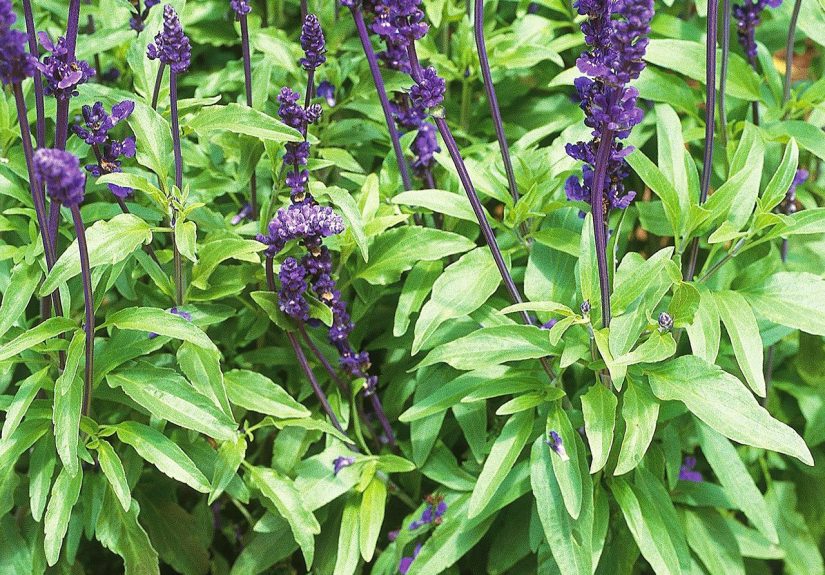
- Mealy blue sage / mealycup sage (Salvia farinacea): upright spikes of blue-purple flowers; great for borders.
- Perennial salvias (like Salvia nemorosa types in gardens): known for repeat bloom when deadheaded.
- Scarlet sage (Salvia splendens): bold color for beds and containers (often grown as an annual).
- Mexican bush sage (Salvia leucantha): velvety purple blooms that show up when the season starts winding down.
3) White Sage: Beautiful, Culturally Significant, and Often Misunderstood
Salvia apiana (white sage) is a silvery, drought-adapted shrub native to parts of Southern California
and Baja California. It’s loved for its scent and its pale, soft-looking foliage.
It also has deep cultural significance for Indigenous peoples and has been impacted by poaching and overharvest in some areas.
If you want it, the most responsible move is to buy from reputable growers, not from questionable wild-harvest supply chains.
4) “Wait, That’s a Salvia Too?” Rosemary and Russian Sage Name Changes
Modern plant taxonomy has been busy rearranging the family photo album.
You may still see rosemary labeled as Rosmarinus officinalis, but many references now treat it as
Salvia rosmarinus. Likewise, Russian sage has been widely known as Perovskia atriplicifolia
and is now often treated as Salvia yangii. Translation: the plants didn’t changeonly the name tags did.
Quick Comparison Table
| Plant | Botanical Name | Why People Grow It | Best Conditions (General) |
|---|---|---|---|
| Culinary sage | Salvia officinalis | Cooking, fragrance, easy herb garden | Full sun; very well-drained soil |
| Autumn sage | Salvia greggii | Long bloom; hummingbirds; drought tolerance | Sun; lean soil; low water once established |
| Mealy blue sage | Salvia farinacea | Border color; pollinators; heat tolerance | Sun; moderate water; adaptable |
| White sage | Salvia apiana | Silver foliage; native planting; fragrance | Full sun; dry, well-drained soil |
| Rosemary (often a salvia now) | Salvia rosmarinus | Cooking; evergreen structure; drought tolerance | Sun; well-drained soil; warmer zones |
How to Grow Salvia and Sage Like You Actually Want It to Live
Sunlight: Most Salvias Want the Spotlight
Many popular salvias and culinary sage perform best in full sun (roughly 6+ hours). Some tolerate partial shade,
but if your plant is tall, floppy, and flowering like it’s doing you a favormore sun is often the fix.
Soil and Drainage: The Make-or-Break Factor
The number one “oops” with sage is loving it too much… with water. Culinary sage in particular prefers
very well-drained soil, especially in winter. If the soil stays soggy, roots struggle,
and the plant can decline quickly. Think “Mediterranean hillside,” not “swamp spa day.”
- In clay soil: plant on a mound, improve drainage, or use containers/raised beds.
- In containers: choose a pot with drainage holes and a fast-draining mix.
Watering: Less Drama, More Roots
New plants need regular water to establish. Once established, many salvias (especially drought-adapted species)
prefer deep, occasional watering rather than constant dampness. If you’re not sure, let the top inch or two of soil
dry before watering againparticularly for culinary sage and white sage.
Spacing and Airflow: Give Them Room to Breathe
Crowding can lead to weaker growth and more disease pressure. Good airflow helps keep foliage healthier,
especially in humid climates.
Fertilizer: Don’t Overfeed the Aromatic Introvert
Many salvias and sages do fine with modest fertility. Too much nitrogen can push soft growth that flops,
gets stressed, or dilutes flavor in culinary sage. If your soil is decent, compost and restraint are often enough.
Pruning, Deadheading, and the Art of Not Turning Sage into a Stick
Deadheading for More Blooms
Many flowering salvias respond well to deadheading (removing spent blooms). It can encourage rebloom,
keep the plant tidy, and shift energy back into flowering instead of seed production.
- Snip or pinch faded flower spikes back to a healthy set of leaves or a branching point.
- Repeat through the season for a longer bloom window.
- Leave some seed heads late in the season if you want birds to snack or you like winter interest.
Pruning Culinary Sage (The Woody Reality)
Culinary sage tends to get woody with age. That’s normal. The trick is to prune at the right time and
avoid cutting into lifeless old wood with no buds. In spring, once you see new growth starting, trim back
dead stems and shape the plant. Many garden references also recommend replacing culinary sage every few years
because older plants can become less vigorous.
Pruning Ornamental Salvias
When ornamental salvias get leggy or blooms thin out, a shear-back (sometimes fairly hard) can trigger fresh growth.
Timing depends on your climate and the specific species, but the common theme is: prune to encourage new, flowering growth,
not to punish the plant for having a personality.
Propagation: More Sage Without Buying More Sage
Seeds
Many salvias can be grown from seed, especially annual or bedding types. Seeds are a budget-friendly way to fill space,
but named cultivars won’t always come true from seed.
Cuttings
Culinary sage and many ornamental salvias can be propagated from cuttings. This is ideal if you want a clone of a plant you love
(same color, same growth habit). Cuttings often root best from healthy, non-flowering stems.
Division
Some perennial salvias can be divided, depending on species and growth habit. If a clump is crowded or has a dead center,
division can rejuvenate it.
Common Problems (and How to Fix Them Without Panicking)
“My Sage Is Dying” (Translation: The Soil Is Too Wet)
Yellowing leaves, sudden collapse, and poor growth often point to drainage issuesespecially in culinary sage and white sage.
Improve drainage, reduce watering, and consider raised beds or containers.
Leggy Growth
Usually caused by insufficient sun or delayed pruning. Move it to a brighter spot (if possible) and prune for branching.
Pests
Sage and salvias are often relatively low-drama plants, but issues like slugs, spider mites, and occasional foliar diseases can appear.
Good airflow, proper watering, and not turning the soil into a constant puddle go a long way.
Cooking with Culinary Sage: Flavor, Timing, and Not Overdoing It
Culinary sage is boldearthy, slightly peppery, and resinous. It pairs beautifully with rich foods:
butter, poultry, beans, squash, mushrooms, and creamy sauces. It also plays well with rosemary, thyme, garlic, and lemon.
Fresh vs. Dried
- Fresh sage: brighter, more aromatic; great for frying leaves or finishing dishes.
- Dried sage: concentrated; use less than you think you need.
Three Easy, Specific Examples
- Brown butter sage for pasta: gently brown butter, add whole sage leaves, then toss with pasta and a squeeze of lemon.
- Roasted squash upgrade: olive oil + chopped sage + salt + pepper. Roast until caramelized.
- Bean soup depth: add a small sprig of sage while simmering, then remove before serving.
Health and Safety Notes (Because Herbs Are Still Powerful Plants)
Sage has a long history of culinary and traditional use. In normal food amounts, it’s generally considered safe for most people.
However, some sage species contain compounds (including thujone in common sage) that can be problematic in very large doses
or with prolonged high-dose use. That’s one reason “sage as seasoning” is a different conversation than “sage mega-supplement every day.”
- If you’re considering concentrated sage products (supplements, extracts), talk with a qualified healthcare professional.
- When in doubt: keep it in the food lane unless you have personalized medical guidance.
Pets
The culinary sage plant (Salvia officinalis) is commonly listed as non-toxic for dogs and cats.
Still, any pet can get an upset stomach from eating a lot of plant material, so “non-toxic” doesn’t mean “all-you-can-eat salad bar.”
A Quick, Important Note on Salvia divinorum
One species, Salvia divinorum, is known for psychoactive effects and is regulated or restricted in some U.S. states.
Because laws vary and because it can be unsafeespecially for minorsthis article does not provide instructions on use or acquisition.
If you’re researching it, focus on legal compliance and safety, and talk to a trusted adult or medical professional.
Salvia for Pollinators: Turning Your Yard into a Tiny Wildlife Airport
Salvias are famous for supporting pollinators. Their tubular flowers are especially beloved by hummingbirds,
and many species provide nectar for bees and butterflies. If pollinator gardening is a goal, consider:
- Plant diversity: combine salvias with other bloomers so something is flowering spring through fall.
- Native species when possible: natives often fit local climate patterns and support local insects.
- Avoid pesticide overuse: pollinator-friendly plants and heavy pesticide use are not a great combo.
For region-specific success, many conservation groups publish plant lists tailored by state or eco-regionhelpful if you want
a “works here, not just in a brochure” garden plan.
White Sage: Grow It Responsibly
White sage is drought-adapted and can be a gorgeous landscape plant in suitable climates: silver leaves, strong fragrance,
and flowers that attract pollinators. But it’s also at the center of real conservation and cultural conversations.
If you want white sage:
- Buy nursery-grown plants or seed from reputable sellers (avoid suspicious “wildcrafted” claims).
- Don’t harvest from the wild where it’s vulnerable or protected.
- Grow your own if your climate fitsthat’s often the most sustainable option.
In other words: enjoy the plant, respect the context, and don’t treat ecosystems like a free buffet.
FAQ: Fast Answers for Busy Gardeners
Is salvia the same thing as sage?
Culinary sage is a salvia (Salvia officinalis), but “sage” is also used as a common name for several different plants.
In garden shopping, “salvia” usually signals ornamental flowering types; “sage” often signals the culinary herbunless it doesn’t.
Why does my sage die in winter?
The most common culprit is wet soil plus cold weather. Sage often needs very well-drained soil to overwinter successfully.
Do salvias really help pollinators?
Yesmany salvias are nectar-rich and attract bees, butterflies, and hummingbirds. Choosing species adapted to your region
makes success much more likely.
Should I deadhead salvia?
Often yes, especially for repeat-blooming ornamentals. Deadheading can extend bloom time and improve plant appearance.
Real-World Experiences with Salvia and Sage (About )
Talk to a handful of gardeners and you’ll hear the same theme: salvia is the friend who shows up early, stays late, and brings snacks.
Many people plant one salvia for “a little color,” then notice the side effectshummingbirds hovering like tiny helicopters, bees
working the blooms all morning, and neighbors suddenly asking, “What is that plant?” (Translation: you are now the unofficial
block botanist.)
A common first-time experience with culinary sage is discovering that it’s both tough and picky. Tough because it doesn’t
demand rich soil or constant fertilizer. Picky because it absolutely does not want “wet feet,” especially when temperatures drop.
Gardeners often describe a pattern: the sage looks fine all summer, then winter arrives, the soil stays damp, and spring reveals a plant
that’s half alive and half auditioning for a dried-flower arrangement. The fix people swear by is almost always the same:
improve drainage (raised bed, container, or a sunnier spot with drier soil) and avoid overwatering.
With ornamental salvias, the “aha” moment tends to be pruning and deadheading. Many gardeners report that salvias can look tired
after a big bloom flushspent flower spikes, leggier stems, fewer new buds. Then they shear the plant back (sometimes more than
they’re comfortable with), and within a couple of weeks it pushes fresh growth and starts blooming again. It feels like cheating,
but it’s just plant biology: remove the old, encourage the new. Colorado gardeners, in particular, often talk about deadheading as a
simple way to keep perennials (including salvias) reblooming and tidy through the season.
People who grow autumn sage (Salvia greggii) in warmer or drier regions often describe it as a “set it and forget it” plant
once establishedprovided it gets sun and isn’t drowned with irrigation. The blooms can be nearly nonstop, and the plant tends to
fit nicely into that sweet spot between “wild and natural” and “actually looks intentional.” Meanwhile, mealy blue sage
(Salvia farinacea) is frequently described as dependable: upright color, long bloom, and a shape that behaves in borders
without starting a neighborhood coup.
White sage experiences are more mixed and very location-dependent. In the right climatesunny, dry, well-drainedgardeners often
love the silver foliage and the fragrance. In humid or wet climates, the plant can struggle, and people realize it’s not a universal
“grow anywhere” shrub. Another repeated experience is the ethical learning curve: many well-meaning gardeners discover that
white sage has been heavily commercialized, and they shift toward buying from reputable native plant nurseries or growing their own
rather than supporting questionable wild-harvest products.
The most relatable salvia/sage experience, though, might be this: you plant it for one reasonflavor, color, drought tolerance
and you keep it because it changes the vibe. A little sage by the walkway makes the air smell good when you brush past it.
A patch of salvia turns a quiet yard into a living, buzzing thing. And suddenly gardening feels less like “yard work” and more like
hosting a tiny, well-dressed ecosystem.