Table of Contents >> Show >> Hide
- What Is a Washing-Up Bowl (and Why You Might Want One)
- High vs. Low: Two Meanings That Matter
- The “Low” Pick: A Basic Dishpan That Fits Your Sink
- The “High” Pick: Drain Plug, Strainer, Better Ergonomics
- High-Sided vs. Low-Profile: Which Depth Should You Choose?
- How to Set Up a Two-Basin System (Even With One Sink)
- The Best Washing Order (So Your Water Doesn’t Turn Into Soup)
- Soaking: How Long Is “Enough” (Without Wrecking Your Stuff)?
- Water-Saving (Without Turning Dishwashing Into a Spreadsheet)
- What to Look For When Buying a Washing-Up Bowl
- High/Low Recommendations by Lifestyle
- Cleaning and Hygiene: Keep the Bowl From Becoming the Problem
- Experience Notes: What It’s Like Living With a High/Low Dishpan Setup (500+ Words)
- Conclusion: The Best Washing-Up Bowl Is the One You’ll Actually Use
Americans don’t usually say “washing-up bowl.” We say dishpan, dish tub, or (when we’re feeling fancy)
“that plastic thing living in my sink like it pays rent.”
But whatever you call it, a washing-up bowl is a deceptively powerful kitchen tool: it can help you save water, protect delicate glassware,
organize a chaotic sink, and make hand-washing feel less like a medieval punishment.
This guide breaks down the High/Low approach: when a premium washing-up bowl is worth it, when a budget dishpan is all you need,
and how to pick the right shape, depth, and features so you don’t end up with “the bowl that doesn’t fit the sink” (a tragedy in three acts).
What Is a Washing-Up Bowl (and Why You Might Want One)
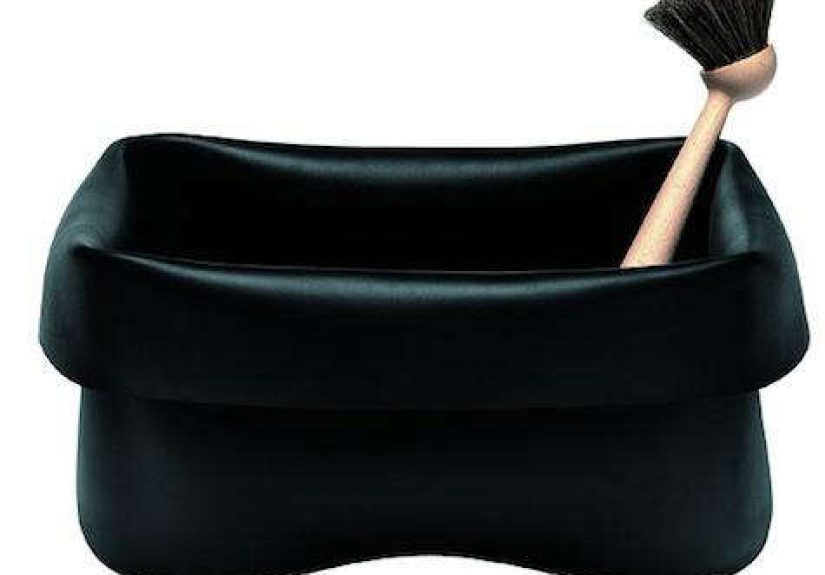
A washing-up bowl is a removable basin that sits inside (or beside) your sink. In the U.S., the closest everyday term is a dishpan.
You fill it with hot, soapy water for washing, and often use a second basin (or the other side of a double sink) for rinsing.
The biggest reasons people use one
- Less water waste: Instead of running the faucet nonstop, you wash in a filled basin.
- Cleaner workflow: One side for washing, one side for rinsing, even if you only have one sink basin.
- Sink protection: Cushions dishes and can reduce chips/scratches when you clank a mug like a cymbal.
- Easy soaking: Contain a messy soak without taking over your entire sink.
- Portability: Carry water and dishes where you need them (hello, RVs, tiny kitchens, or “my sink is currently a crime scene”).
High vs. Low: Two Meanings That Matter
“High/Low washing-up bowl” can mean two useful things:
1) High-end vs. low-cost (the classic High/Low buy)
A “high” bowl usually adds convenience features (drain plug, strainer, better grip, nicer materials) that reduce effort and mess.
A “low” bowl is the simple, inexpensive dishpan that just… holds water. Which is honestly most of the job.
2) High-sided vs. low-profile (the depth choice)
Depth changes how you wash. A high-sided bowl holds more water and contains splashes. A low-profile bowl can feel easier to work in,
especially if you hate fishing for forks at the bottom of a deep tub.
The “Low” Pick: A Basic Dishpan That Fits Your Sink
The budget move is simple: buy a sturdy plastic dishpan that fits your sink, doesn’t flex like a trampoline, and has handles.
A classic example is a 12-quart dishpan sized to sit inside standard sinks, with molded handles for lifting and transport.
Many are designed specifically to “expand your sink space” by creating more room for washing and soaking. (Yes, a bowl can expand space.
Kitchens run on wizardry.)
What “low” gets right
- Cost-to-benefit is unbeatable: You’re paying for function, not vibes.
- Big capacity for soaking: Great for pots, sheet pans, and “the casserole dish nobody wants to deal with.”
- Multi-use: Dishpans often double as laundry hand-wash tubs, toy-wash stations, or pantry organizers.
Watch-outs (aka how cheap bowls betray you)
- Too flimsy: If the sides bow outward when you lift it, you’re one slosh away from a kitchen flood.
- No grip: Smooth plastic + wet hands = surprise water feature.
- Wrong size: Measure your sink basin first. A “standard” dishpan isn’t standard to your sink.
The “High” Pick: Drain Plug, Strainer, Better Ergonomics
If you hand-wash often, the feature that feels the most “why didn’t we always do this?” is a drain plug.
Instead of lifting a heavy, sloshy bowl to empty it, you pull the plug and let gravity do the work.
Some designs also include a straining plug that catches larger food bits, which can help reduce sink clogs and keep cleanup calmer.
Premium features that actually matter
- Integrated drain + strainer: Drain without lifting; trap debris before it hits the pipes.
- Steep sides: Helps keep suds and water in the bowl (not on your shirt).
- Large carry handles: Safer transportespecially if you’re moving water to another area for cleaning.
- Better materials and stability: Often a mix of polypropylene with grippy components for control.
In plain English: “High” buys you less mess, less lifting, and fewer moments where you stare at the sink like it personally offended you.
High-Sided vs. Low-Profile: Which Depth Should You Choose?
Depth is more than aesthetics. It changes the whole dishwashing experience.
Choose a high-sided bowl if you…
- Soak pots and pans often (sauce, rice, oatmeal… basically glue).
- Have a single-basin sink and need a full wash station.
- Want splash control (especially with kids helping, or if you wash like you’re power-washing a driveway).
Choose a low-profile bowl if you…
- Mostly wash cups, plates, and utensils.
- Prefer fast in-and-out washing rather than long soaking.
- Want easier reach and visibility (no more “where did the teaspoon go?” deep-sea expedition).
How to Set Up a Two-Basin System (Even With One Sink)
The easiest upgrade is the classic wash + rinse setup. If you have a double sink, your life is already halfway organized:
one side can be soapy wash water, the other for rinsing. If you have a single sink, you can still do it with a dishpan.
The simple setup
- Wash basin: Fill your dishpan with hot water and dish soap.
- Rinse basin: Use the other sink basin (if you have it) or a second smaller tub with clean water.
- Dry zone: Dish rack, towel on the counter, or a drying mat.
One practical reason this works: washing in a controlled basin helps keep your wash water cleaner longer, especially if you start with lightly soiled items.
That means fewer mid-wash water changes and less greasy film redepositing on everything.
The Best Washing Order (So Your Water Doesn’t Turn Into Soup)
If you want your dishpan water to last, wash from cleanest to dirtiest. The goal is to avoid turning your basin into a swamp by minute four.
A realistic order that works
- Glasses and cups
- Flatware (careful with knives)
- Plates and bowls
- Pots, pans, and greasy items
And yessoaking is allowed. For stuck-on food, a short pre-soak can make scrubbing faster and less destructive.
Soaking: How Long Is “Enough” (Without Wrecking Your Stuff)?
Soaking is basically a negotiation with dried food: “Please detach from this pan and go live your best life elsewhere.”
The trick is using the right soak time for the mess and the material.
Practical soak times
- Lightly soiled: about 5–10 minutes in hot, soapy water.
- Heavily soiled: around 30 minutes to an hour (overnight for extreme cases, cautiously).
- Delicates (fine china/antique/glazed items): shorter soaks (think 15–20 minutes) and gentler water temps.
Pro tip: your dishpan is the best place to soak because it keeps the mess contained and frees up the sink for rinsing and prep.
Water-Saving (Without Turning Dishwashing Into a Spreadsheet)
If you’re hand-washing, the most important habit is simple: don’t run the water the whole time.
Fill a basin for washing, then use a second basin for rinsing (or rinse quickly and efficiently).
Why the basin method matters
A kitchen faucet running continuously can burn through water quickly. That’s why many efficiency guides recommend plugging the sink
or using a wash basin, and scraping rather than pre-rinsing when possible.
Translation: your dishpan is not just a bowl. It’s a small, plastic act of rebellion against waste.
What to Look For When Buying a Washing-Up Bowl
Ignore the marketing poetry. Here’s what actually makes a washing-up bowl good.
1) Fit and capacity
- Measure your sink basin: width, depth, and any weird corners.
- Think in “real dishes”: Can it hold your biggest skillet? Your tallest glasses?
2) Handles and lift comfort
- Molded or oversized handles are safer than tiny grips, especially when wet.
- If you hate lifting heavy water, prioritize a drain plug.
3) Materials that won’t get gross
- Non-porous plastic is easy to clean and good for daily use.
- Look for bowls labeled BPA-free if that matters to your household’s preferences.
- If your bowl includes soft grips or feet, make sure they’re easy to rinse clean (no hidden gunk hotels).
4) Drainage and debris control
- Drain plug: empties water without lifting (your wrists will send thank-you notes).
- Strainer option: traps larger bits to reduce sink clog risk.
- Steep sides: helps contain water and suds.
High/Low Recommendations by Lifestyle
If you hand-wash daily
Go “high.” A drain plug and sturdy handles can meaningfully reduce effort, especially if you’re doing multiple rounds per day
(coffee mugs in the morning, lunch dishes, dinner pots… and somehow a random spoon that appears out of nowhere).
If you mostly use a dishwasher but need a soak station
Go “low.” A classic dishpan is perfect for soaking and pre-cleaning without taking over the sink.
Bonus: it’s also great for staging dirty dishes in the sink so the countertop stays clear.
If you have a small kitchen or RV setup
Prioritize portability: good handles, manageable size, and a plug that lets you drain without lifting a mini-lake.
A compact “high” option can be worth it here because your sink space is precious.
Cleaning and Hygiene: Keep the Bowl From Becoming the Problem
Your dishpan should make cleaning easiernot become an extra thing you have to clean with a tiny toothbrush at midnight.
The simplest rule: empty, rinse, and let it dry after use, and give it a deeper wash regularly.
Quick hygiene habits
- Change water when it looks dirty: murky water doesn’t “build character,” it redeposits grime.
- Scrape first: less food in the basin = cleaner water for longer.
- Let it dry fully: air-drying helps prevent funky odors.
Experience Notes: What It’s Like Living With a High/Low Dishpan Setup (500+ Words)
The first “experience” most people report when they switch to a dishpan system is emotional: relief.
Not because dishes suddenly become fun (let’s not lie to each other), but because the sink stops feeling like a chaotic pit
where utensils vanish into the underworld. A bowl creates a defined workspace. It’s the kitchen equivalent of putting your keys
in the same spot every daysmall structure, big sanity.
A surprisingly common moment: you’ll realize how often you were washing dishes with the water running “just a little.”
Then you try the basin methodfill a bowl, wash a whole batchand the routine feels calmer. The sound changes, too.
Instead of constant splashing and faucet noise, you get the quiet swish of soapy water and the occasional clink of a plate
(which still sounds like judgment, but softer).
If you go with a high-sided bowl, the experience is mostly about containment. You can scrub a crusty pan
without sending waves onto the countertop. High sides keep suds where they belong and make soaking feel more controlled.
People who cook a lot tend to love this: sticky sauces, dried rice, and baked-on cheese become a “put it in the bowl and move on”
problem instead of a “stare at it until it cleans itself” fantasy.
If you go low-profile, the experience is different: speed and visibility. Everything is easier to reach.
You’re not digging for a fork in six inches of water like a raccoon searching a creek. A shallow bowl also makes it easier to
do quick micro-washeslike rinsing a cutting board right away or washing two mugs without committing to a full sink ritual.
Many people find low bowls feel less heavy and less awkward to handle, especially in smaller sinks.
The “High” (premium) experience is mostly about what doesn’t happen: you don’t lift a heavy bowl full of water to dump it.
That one change can be a daily quality-of-life upgrade. No wrist strain. No sloshy “oops” cascade. No last-second panic twist
because you felt the bowl wobble and imagined your kitchen turning into a koi pond. If your household hand-washes often, or if you
regularly soak items, a drain plug can feel like a luxury that quickly becomes a necessity.
The “Low” (budget) experience is about rugged simplicity. A basic dishpan is the tool you can abuse without guilt.
You can soak, scrub, carry, and stack it away. It’s also weirdly satisfying for organization: some people keep the bowl in the sink
as a “dirty dish corral,” then move the whole batch to the dishwasher later. Others use it as a dedicated soak station while keeping
the sink free for rinsing produce or filling a pot. And because it’s inexpensive, it’s easy to own two: one deeper “wash” bowl and
one shallow “rinse” bowlcreating a true two-basin setup even in a single sink.
The final experience you’ll probably notice is this: your sink looks cleaner more often. Not spotlessagain, we’re being realistic
but more “intentional.” A dishpan is a small boundary. And in the kitchen, boundaries are basically self-care.
Conclusion: The Best Washing-Up Bowl Is the One You’ll Actually Use
The High/Low decision is simple:
- If you hand-wash a lot, get the “high” features that save effort (especially a drain plug and sturdy handles).
- If you mostly need soaking, staging, or sink protection, a “low” dishpan is a ridiculously good value.
- If you’re not sure, start lowthen upgrade once you learn what annoys you most (lifting? splash? size?).
Because the goal isn’t to own the perfect bowl. The goal is to make dishwashing slightly less annoyingwhich is basically a modern miracle.