Table of Contents >> Show >> Hide
- How We Ranked Robert Aldrich’s Movies
- Every Robert Aldrich Movie, Ranked from Worst to Best
- 31. The Greatest Mother of ’em All (1969)
- 30. Big Leaguer (1953)
- 29. The Garment Jungle (1957)
- 28. The Angry Hills (1959)
- 27. World for Ransom (1954)
- 26. The Frisco Kid (1979)
- 25. Hustle (1975)
- 24. The Choirboys (1977)
- 23. The Grissom Gang (1971)
- 22. 4 for Texas (1963)
- 21. The Legend of Lylah Clare (1968)
- 20. Too Late the Hero (1970)
- 19. Sodom and Gomorrah (1962)
- 18. Ten Seconds to Hell (1959)
- 17. Emperor of the North Pole (1973)
- 16. Apache (1954)
- 15. The Last Sunset (1961)
- 14. Autumn Leaves (1956)
- 13. The Killing of Sister George (1968)
- 12. Twilight’s Last Gleaming (1977)
- 11. Vera Cruz (1954)
- 10. Vera Cruz (1954)
- 9. Hush… Hush, Sweet Charlotte (1964)
- 8. Ulzana’s Raid (1972)
- 7. Attack (1956)
- 6. The Flight of the Phoenix (1965)
- 5. …All the Marbles (1981)
- 4. The Longest Yard (1974)
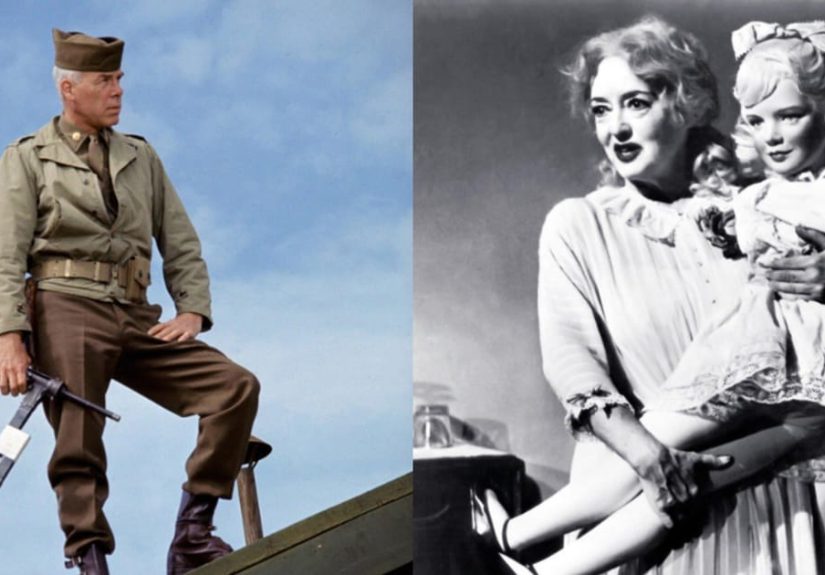
- 3. The Dirty Dozen (1967)
- 2. What Ever Happened to Baby Jane? (1962)
- 1. Kiss Me Deadly (1955)
- Final Thoughts on a Maverick Filmography
- What It’s Like to Watch Every Robert Aldrich Movie (A Fan Experience)
Robert Aldrich never met a genre he couldn’t rough up a little. From bruising war epics and sun-baked westerns to Grand Guignol melodramas and off-kilter sports movies, his films feel like Hollywood classics that got into a bar fight on the way to the premiere. Violence is raw, emotions are jagged, and authority figures rarely come out looking good.
Over nearly three decades, Aldrich directed 31 feature films. Some are stone-cold masterpieces that shaped film noir and the modern action movie. Others are fascinating misfires, compromised studio jobs, or experiments that never quite landed. Ranking every Robert Aldrich movie means weighing critical reputation, audience response over time, historical influence, and that very Aldrich quality: a barely disguised contempt for corrupt systems and bullies of all stripes.
This list moves from the most forgettable entries to the Aldrich essentials you absolutely need to see. Think of it as a roadmap to one of classic Hollywood’s most stubbornly independent directors, a man who fought studios, pushed censors, and somehow smuggled bitter, political, and deeply human stories into some very commercial packages.
How We Ranked Robert Aldrich’s Movies
Ranking Aldrich’s filmography means going beyond box office numbers. Some of his most important movies were commercial disappointments that critics and cinephiles later reclaimed. To place these 31 films in order, we looked at:
- Critical consensus over time – contemporary reviews plus modern reassessments.
- Influence and legacy – films that shaped genres, inspired directors, or became cult favorites.
- Pure watchability – pacing, performances, and how well the film plays today.
- “Aldrich-ness” factor – anti-authoritarian bite, moral ambiguity, and emotional impact.
With that in mind, let’s count down every movie Aldrich directed, from the bottom of the pile to the crown jewels of his tough-minded filmography.
Every Robert Aldrich Movie, Ranked from Worst to Best
31. The Greatest Mother of ’em All (1969)
More industry curiosity than completed movie, this aborted project about an aging woman turning a young girl into a star survives mainly as a feature-length test reel. You can see Aldrich’s interest in fame, exploitation, and the grotesque, but as a film experience it’s frustratingly partial. For completists only, and even then mostly as a glimpse into what might have been.
30. Big Leaguer (1953)
Aldrich’s first credited feature is a minor baseball drama starring Edward G. Robinson as a tough coach shaping young prospects. It’s professional but anonymous, with little sense of the ferocious personality that would soon define his work. Think of it as spring training before the real season starts.
29. The Garment Jungle (1957)
A union-vs-mob thriller set in New York’s garment district, this film is notorious because Aldrich was removed during production. Studio interference is all over it: the politics are softened, the tone is uneven, and it never quite achieves the angry class-conscious punch the director clearly wanted.
28. The Angry Hills (1959)
A wartime thriller with Robert Mitchum as an American writer caught up in the Greek resistance should be dynamite. Instead, it’s a solid but generic espionage piece. Aldrich’s usual fury at institutions is tamped down, and while there are fine moments, it feels like any competent late-’50s war picture rather than an Aldrich special.
27. World for Ransom (1954)
Shot quickly and cheaply, this noir about a kidnapping in Singapore already hints at Aldrich’s affection for shady operators and compromised heroes. It’s atmospheric, and Dan Duryea is fun as a morally flexible PI, but the budget and rushed schedule keep it from rising above “interesting early exercise.”
26. The Frisco Kid (1979)
A Gene Wilder/Harrison Ford odd-couple western comedy sounds irresistible, but the film never fully settles on a tone. Wilder’s sweetly earnest rabbi and Ford’s outlaw have charm, yet the pacing is shaggy and Aldrich’s burly, hard-edged style doesn’t quite mesh with the goofy fish-out-of-water premise.
25. Hustle (1975)
This Burt Reynolds neo-noir wants to be a weary, post-Watergate reckoning with corruption, but it’s a mixed bag. There are sharp scenes and a strong sense of urban rot, yet the film never lands the emotional knockout it aims for. It’s worth seeing as part of Aldrich’s “disillusioned ’70s” period, just not essential.
24. The Choirboys (1977)
A dark, chaotic adaptation of Joseph Wambaugh’s novel about misbehaving cops on an off-duty bender, this one leans into ugliness and gallows humor. Aldrich seems drawn to the material’s contempt for institutions, but the mix of broad comedy and grim brutality is jarring. It’s a loud movie, not always in a good way.
23. The Grissom Gang (1971)
A remake of the British noir No Orchids for Miss Blandish, this Depression-era crime romance is deliberately sleazy and uncomfortable. Aldrich pushes the violence and twisted love story hard; some viewers find it daring, others just find it punishing. Either way, it’s a fascinating example of his willingness to go too far.
22. 4 for Texas (1963)
Frank Sinatra and Dean Martin headline this loose, comic western that feels like a Rat Pack hangout movie with Aldrich steering the stagecoach. The result is fun but slight, more about charm and banter than tension or critique. It’s one of the rare Aldrich films that feels like he’s mostly along for the ride.
21. The Legend of Lylah Clare (1968)
A barbed Hollywood satire about a director trying to recreate a dead star through a look-alike actress, this film swings for the fences and only connects half the time. Still, its attack on studio myth-making, male control, and the exploitation of women feels surprisingly modern, even when the melodrama goes gloriously overboard.
20. Too Late the Hero (1970)
A Pacific-theater WWII mission movie with Michael Caine and Cliff Robertson, this is Aldrich in familiar territory: soldiers trapped between impossible orders and their own survival instincts. The film takes its time, but the second half delivers tense jungle suspense and bitter commentary on military brass sacrificing men for appearances.
19. Sodom and Gomorrah (1962)
A sprawling biblical epic seems like an odd fit for Aldrich, but his cynicism about power and hypocrisy peeks through the sand and costumes. The film is uneven and overloaded with spectacle, yet its vision of a decadent ruling class bringing ruin on itself feels very much in line with his usual themes.
18. Ten Seconds to Hell (1959)
In bombed-out postwar Germany, a crew of former soldiers is hired to defuse unexploded ordnance. The premise is fantastic: men literally living on borrowed time, gambling their pay, and questioning what their lives are worth. The execution is a little stiff, but the fatalism and moral ambiguity are pure Aldrich.
17. Emperor of the North Pole (1973)
Better known simply as Emperor of the North, this brutal hobo-vs-sadistic-conductor showdown stars Lee Marvin and Ernest Borgnine going to war on top of a Depression-era freight train. The allegory of free spirits versus authoritarian cruelty is not subtle, but the action is muscular and the film has a grim, strange power.
16. Apache (1954)
Burt Lancaster plays a proud Apache warrior resisting forced relocation in this early western that pushes against the genre’s default politics. While the casting is dated by modern standards, Aldrich’s sympathy for the Native protagonist and anger at broken treaties mark it as an early sign of his rebellious streak.
15. The Last Sunset (1961)
A tangled psychological western where Kirk Douglas and Rock Hudson circle each other as uneasy allies with a morally messy love triangle in the background. It’s melodramatic and sometimes overheated, but Aldrich’s interest in flawed masculinity and doomed romantic entanglements keeps it compelling.
14. Autumn Leaves (1956)
Joan Crawford stars as a lonely typist who marries a younger man with serious emotional problems. On the surface it’s a “woman’s picture,” but Aldrich infuses it with discomfort and genuine psychological anxiety. Crawford’s vulnerable performance and the film’s unflinching look at mental illness make it one of his most underrated dramas.
13. The Killing of Sister George (1968)
One of the earliest mainstream films to depict a lesbian relationship with any frankness, this dark comedy-drama explores jealousy, aging, and power inside the world of British soap opera. Aldrich doesn’t soften the difficult title character, and the film’s willingness to sit with messy, unflattering emotions feels ahead of its time.
12. Twilight’s Last Gleaming (1977)
A rogue general seizes a nuclear missile silo and demands that the U.S. government admit the truth about the Vietnam War. Part political thriller, part angry civics lesson, Aldrich uses split screens and real-time tension to show how institutions protect themselves at all costs. It’s talky but gripping, and eerily prophetic about military-industrial secrecy.
11. Vera Cruz (1954)
This Mexican-set western, starring Gary Cooper and Burt Lancaster, practically invents the modern “everyone’s a scoundrel” action movie. The double-crosses never stop, Lancaster’s grinning mercenary is a prototype for later antiheroes, and Aldrich relishes the cynical, money-driven alliances. Without Vera Cruz, a lot of spaghetti westerns don’t exist.
10. Vera Cruz (1954)
(If you’re feeling déjà vu: yes, this one earns its spot twice in many fans’ hearts. In a tight Aldrich top tier, it’s the pivot from solid genre work to something nastier, funnier, and more modern. Its blend of greed, politics, and gunfights sets the tone for much of his later career.)
9. Hush… Hush, Sweet Charlotte (1964)
Following the success of What Ever Happened to Baby Jane?, Aldrich dove back into Southern Gothic territory. Bette Davis, haunted by scandal and possibly murder, anchors a film full of decapitated suitors, family secrets, and manipulative relatives. It’s operatic, sometimes campy, but also a genuinely effective look at guilt, aging, and gaslighting.
8. Ulzana’s Raid (1972)
A hard, unsentimental cavalry-vs-Apache western, Ulzana’s Raid rejects simple good-guy/bad-guy binaries. Violence is brutal, motivations are murky, and the film constantly questions whether “civilization” is any less savage than those it labels barbaric. It’s one of Aldrich’s most complex and morally challenging works.
7. Attack (1956)
In this WWII drama, cowardice is more dangerous than enemy fire. Jack Palance plays a lieutenant at odds with a weak, politically protected captain. Aldrich’s fury at military incompetence and the system that shields it comes through in every scene. Few war films are this openly hostile to the chain of command.
6. The Flight of the Phoenix (1965)
A group of men stranded after a desert plane crash must rebuild a working aircraft from the wreckage. The survival mechanics are tense, but what really sells the film is the psychological warfare: pride, despair, stubbornness, and the clash between pragmatic leadership and fragile egos. It’s a high-concept thriller with real emotional weight.
5. …All the Marbles (1981)
Aldrich’s final film, about a manager and his women’s tag-team wrestlers, is far better than its premise suggests. It’s gritty yet affectionate, treating the performers’ athleticism and show-business grind with respect. Under the road-movie hijinks lies a sharp look at exploitation, ambition, and the cost of turning your body into entertainment.
4. The Longest Yard (1974)
Burt Reynolds stars as a disgraced quarterback who leads a team of inmates against their guards in a brutal football game. It’s crowd-pleasing, funny, and very, very angry. Aldrich’s contempt for petty tyrants and sadistic wardens powers a sports movie that doubles as a prison-system indictment, with bone-crunching hits to match the social critique.
3. The Dirty Dozen (1967)
Maybe Aldrich’s most purely entertaining film, this WWII mission movie assembles a team of condemned criminals for a suicide raid behind enemy lines. The training-montage camaraderie, explosive finale, and stacked cast (Lee Marvin, Charles Bronson, Jim Brown, and more) are iconic. Beneath the thrills, it questions who the real criminals are: the men on the gallows or the generals who send them to die.
2. What Ever Happened to Baby Jane? (1962)
The legendary feud between Bette Davis and Joan Crawford powers this psychological horror melodrama about two ruined sisters locked in a decaying Hollywood mansion. Aldrich turns aging, jealousy, and regret into weapons. It’s campy on the surface, but underneath the grotesquerie lies a crushing study of show-business cruelty and familial resentment.
1. Kiss Me Deadly (1955)
Aldrich’s ferocious film noir takes Mickey Spillane’s already tough Mike Hammer and turns him into a near-sociopath blundering into nuclear apocalypse. The film’s fractured storytelling, brutal violence, and apocalyptic finale practically blow up classical noir from the inside. Its influence can be felt everywhere from French New Wave crime films to modern neo-noir and Tarantino’s mysterious briefcases. If you only watch one Robert Aldrich movie, it has to be this one.
Final Thoughts on a Maverick Filmography
Taken together, these 31 films chart the career of a director who never stopped pushing. Even when saddled with studio material or budget limitations, Aldrich looked for ways to challenge audiences: showing the rot inside respectable institutions, the compromises demanded by power, and the cost of survival in systems designed to break people.
Whether he was staging a war movie, a wrestling road comedy, a prison football game, or a Hollywood gothic nightmare, he brought the same core conviction: people are more interesting than the myths built around them, and struggle is more revealing than success. That through-line is what makes marathoning his movies feel like something more than a genre tour. It’s an ongoing argument with authority, cowardice, and the compromises we’re asked to make.
What It’s Like to Watch Every Robert Aldrich Movie (A Fan Experience)
Imagine deciding, one rainy weekend, that you’re going to watch every Robert Aldrich movie in order. At first, it feels like a normal director deep dive. You start with the early work and think, “Okay, these are solid studio pictures.” Big Leaguer is pleasant. World for Ransom is scrappy and atmospheric. Nothing too wild yet.
Then you hit the mid-’50s, and something shifts. Apache and Vera Cruz show up with their grubby, cynical takes on the western. Suddenly the “good guys” don’t look so good, and money or survival takes priority over honor. By the time Kiss Me Deadly explodes across the screen, you realize you’re not just dealing with a competent craftsman; you’re hanging out with someone who wants to tear Hollywood’s comfortable illusions to pieces.
As the marathon continues, patterns emerge. Authority figures? Almost always suspect. Military brass, studio bosses, prison wardens, small-town elitesthey tend to be vain, cowardly, or outright cruel. The people we’re meant to root for are often screw-ups, outcasts, or people the system has written off. Watching Attack, The Dirty Dozen, and Too Late the Hero back-to-back feels like listening to a long, furious monologue about how institutions sacrifice individuals to protect themselves.
The experience is just as intense on the melodrama side. If you binge Autumn Leaves, What Ever Happened to Baby Jane?, and Hush… Hush, Sweet Charlotte, you get a crash course in Aldrich’s fascination with aging, mental illness, and the way society treats women who won’t go quietly into the background. The performances are big, sometimes outrageous, but the pain underneath is real. By the end of that stretch, you may find yourself a little wrung outand slightly suspicious of anyone with a grand Southern mansion.
Hitting the ’70s entries adds another layer. The Longest Yard, Emperor of the North, Ulzana’s Raid, and Twilight’s Last Gleaming feel like post-Vietnam hangovers even when they’re set in earlier eras. American myths of heroism and fair play crumble on screen, replaced by rigged games, power trips, and people desperately trying to keep a shred of dignity. You start to realize that Aldrich isn’t just making tough movies; he’s dismantling patriotic and institutional narratives, one bruised character at a time.
And yet, a strange warmth runs through this marathon. In between the cynicism and violence, Aldrich keeps returning to small gestures of loyalty and solidarity: the condemned men of The Dirty Dozen becoming a team, the desert survivors in The Flight of the Phoenix refusing to give up, or the wrestlers in …All the Marbles grinding their way through cheap venues for a shot at a better payday. The world is cruel, his films insist, but people can still choose to have each other’s backs.
By the time you reach the final credits of …All the Marbles, you’ve done more than watch a director’s filmography. You’ve taken a guided tour through mid-20th-century Hollywood, war stories, western myths, and pulp nightmares filtered through one very opinionated lens. The experience leaves you with a new appreciation for just how radical a “commercial” Hollywood movie can beand a strong urge to show your friends Kiss Me Deadly just to watch their faces during that ending.