Table of Contents >> Show >> Hide
- Understanding Insomnia: More Than Just a Bad Night's Sleep
- How Anxiety Affects Your Sleep
- Stress: The Silent Sleep Stealer
- The Role of Caffeine in Insomnia
- Putting It All Together: How Anxiety, Stress, and Caffeine Contribute to Insomnia
- Conclusion: Finding Relief from Insomnia
- Personal Experiences with Insomnia: Anxiety, Stress, and Caffeine
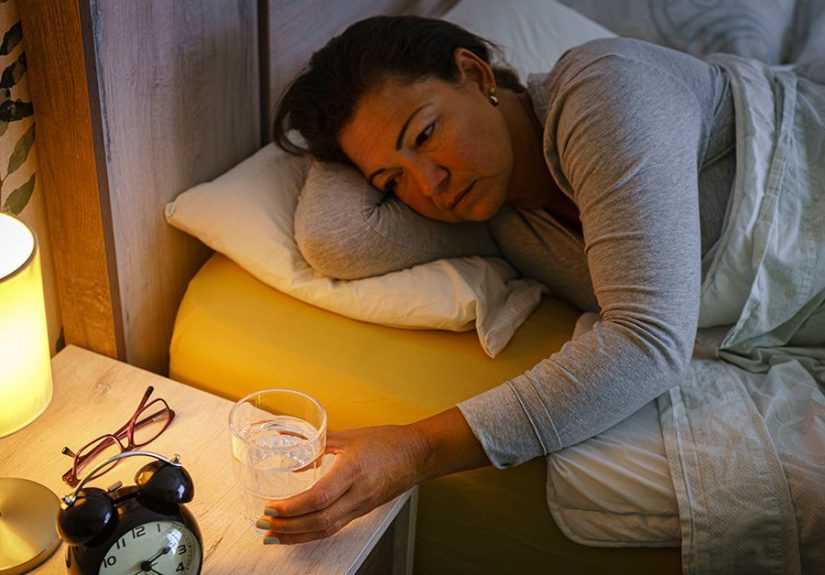
Getting a good night’s sleep is essential for our well-being, but for many, it seems to be an elusive goal. Insomnia, or the inability to fall or stay asleep, is a widespread problem affecting millions of people. While there are numerous causes of insomnia, anxiety, stress, and caffeine consumption are among the most common triggers. In this article, we will dive deep into how each of these factors contributes to insomnia, how they interact, and what you can do to manage them for better sleep.
Understanding Insomnia: More Than Just a Bad Night’s Sleep
Insomnia isn’t just about occasionally tossing and turning for a few hours. It’s a chronic condition that can lead to long-term physical and mental health problems, such as fatigue, mood disturbances, difficulty concentrating, and even an increased risk of heart disease and diabetes. While the occasional sleepless night happens to all of us, when it becomes a pattern, it can negatively affect every part of your life.
How Anxiety Affects Your Sleep
One of the leading causes of insomnia is anxiety. Whether it’s work-related stress, personal issues, or generalized anxiety disorder (GAD), the feeling of being “on edge” can make it incredibly difficult to wind down at the end of the day. Anxiety activates the body’s “fight or flight” response, which triggers the release of stress hormones like cortisol. These hormones keep you alert and make it hard for you to relax and sleep.
For many people suffering from anxiety-induced insomnia, the cycle can feel endless. You feel anxious, which keeps you awake, and then the lack of sleep makes your anxiety worse the next day. This creates a vicious loop that can take a significant toll on both your mental and physical health. But it’s important to understand that anxiety doesn’t just make it hard to fall asleep; it also disrupts sleep once you do manage to drift off, leading to restless, fragmented sleep that leaves you feeling unrefreshed.
Tips for Managing Anxiety and Sleep
To break the cycle of anxiety and insomnia, it’s essential to implement strategies that help reduce anxiety levels before bedtime. Here are some tips:
- Mindfulness Meditation: Practicing mindfulness or deep breathing exercises can help calm your mind and body, making it easier to fall asleep. Apps like Headspace or Calm can guide you through relaxation techniques.
- Cognitive Behavioral Therapy for Insomnia (CBT-I): This form of therapy focuses on changing negative thought patterns around sleep and anxiety. CBT-I has been shown to be highly effective for people with anxiety-related insomnia.
- Journaling: Writing down your worries before bed can help clear your mind and make it easier to relax.
Stress: The Silent Sleep Stealer
Stress is another major contributor to insomnia. While anxiety is more specific in nature, stress can stem from a wide range of sources: work pressures, financial worries, family concerns, or even just the daily grind of modern life. Stress causes the body to release adrenaline and cortisol, which keeps your heart rate elevated and makes you feel more alert. These hormones are great when you need to take quick action, but they’re not conducive to relaxation and sleep.
When you’re stressed, your mind tends to race with thoughts about everything you need to do. This racing mind prevents you from being able to wind down and prepare for sleep. Additionally, stress can cause physical symptoms like muscle tension and headaches, which can make it even harder to get comfortable at night.
How to Manage Stress for Better Sleep
Managing stress is a key component in improving your sleep. Here are a few strategies to help reduce stress:
- Exercise Regularly: Physical activity releases endorphins, which are natural mood boosters. Regular exercise can help reduce the impact of stress and promote better sleep.
- Relaxation Techniques: Techniques such as yoga, progressive muscle relaxation, or aromatherapy with calming scents like lavender can help reduce stress and prepare your body for sleep.
- Time Management: Sometimes, stress is the result of feeling overwhelmed by your to-do list. By organizing your day and setting boundaries, you can reduce feelings of being stressed out.
The Role of Caffeine in Insomnia
Many of us reach for a cup of coffee or tea to wake up and stay alert during the day. While caffeine is an effective stimulant for staying awake, it can be a major culprit when it comes to insomnia. Caffeine blocks the effects of adenosine, a neurotransmitter that promotes sleep, which is why it helps us feel more awake. However, this effect can linger for hours, and if you consume caffeine too close to bedtime, it can make it difficult to fall asleep.
Additionally, caffeine can disrupt the natural sleep cycle, reducing the amount of deep, restorative sleep you get during the night. This is especially true for individuals who are more sensitive to caffeine or consume it in large quantities. Even if you fall asleep, the quality of your sleep may suffer, leaving you feeling tired and groggy the next day.
Managing Caffeine for Better Sleep
If you suspect that caffeine is affecting your sleep, there are a few steps you can take to manage your intake:
- Limit Caffeine to Early in the Day: Try to avoid drinking caffeine after 2 p.m. to give your body enough time to process it before bed.
- Switch to Decaf: If you enjoy the ritual of a cup of coffee or tea, consider switching to decaffeinated versions later in the day.
- Be Mindful of Hidden Sources of Caffeine: Remember that caffeine is also found in soda, energy drinks, and chocolate, so be mindful of your overall intake throughout the day.
Putting It All Together: How Anxiety, Stress, and Caffeine Contribute to Insomnia
While each of these factorsanxiety, stress, and caffeinecan individually contribute to insomnia, their combined effects can create a perfect storm for sleepless nights. Anxiety and stress activate your body’s fight-or-flight response, while caffeine further exacerbates the situation by preventing you from winding down. Together, they create a cycle of poor sleep that can be difficult to break.
Fortunately, by addressing each of these causes and implementing strategies to reduce anxiety, stress, and caffeine intake, you can improve your chances of getting a better night’s sleep. It’s important to remember that there’s no one-size-fits-all solution. What works for one person might not work for another, so it may take some trial and error to find the best approach for you.
Conclusion: Finding Relief from Insomnia
Insomnia caused by anxiety, stress, and caffeine can be challenging, but with the right strategies in place, you can regain control of your sleep. By practicing relaxation techniques, managing stress, and being mindful of your caffeine consumption, you can break the cycle of insomnia and enjoy a better quality of life. If you continue to struggle with insomnia, consider seeking professional help to explore other treatment options, including therapy or medication.
sapo: Struggling with sleepless nights? Anxiety, stress, and caffeine could be the culprits. Learn how these factors affect your sleep and find strategies to improve your rest.
Personal Experiences with Insomnia: Anxiety, Stress, and Caffeine
I’ve struggled with insomnia for years, and for a long time, I couldn’t pinpoint what was causing it. At first, I thought it was just stress from work, but as time went on, I realized that my caffeine habit was making it worse. I would have a cup of coffee in the afternoon to power through an afternoon slump, only to find myself wide awake at midnight, my mind racing. The anxiety I felt about not being able to sleep only made the situation worse. It wasn’t until I started making a few changes that I began to see improvement. Cutting back on caffeine, especially in the afternoon, was a game-changer. I also started incorporating mindfulness practices into my routine, which helped to calm my racing thoughts. If you’re dealing with similar struggles, I encourage you to try some of the techniques mentioned here. It may take time, but with patience and consistency, it’s possible to break the cycle of sleeplessness and feel rested again.