Table of Contents >> Show >> Hide
- Why This Is the Best Salmon Recipe (Yes, We’re Claiming the Throne)
- The #1 Salmon Recipe: Crispy-Skin Salmon with Lemon-Dijon Butter Sauce
- What You’ll Need (Serves 4)
- Optional Quick Brine (Highly Recommended)
- Brine Ingredients
- Step 1: Brine for 10 Minutes (Optional), Then Dry Like You Mean It
- Step 2: Season Simply
- Step 3: Crisp the Skin (The Foolproof-ish Method)
- Option A: Cold-Pan Crispy Skin (Our Weeknight Favorite)
- Option B: Hot-Pan Sear (Restaurant Vibes)
- Step 4: Doneness Without Guessing (Temperature + Visual Cues)
- Step 5: Lemon-Dijon Butter Sauce (Made in the Same Pan)
- Serve Like a Pro
- What to Serve With This Salmon (So Dinner Looks Planned)
- Easy Variations (Because You’ll Make This Again)
- Common Salmon Questions (Answered Without Judging You)
- Make-Ahead and Leftovers
- Nutrition Notes (The Practical, Not Preachy Version)
- of “We’ve Been There” Experiences With This Salmon Recipe
- Conclusion
- SEO Tags
Every home cook has “the one” recipe: the dinner you can make on a Tuesday that still feels like you bribed a restaurant chef.
For us, that recipe is salmonspecifically, salmon that’s crispy on the outside, juicy in the middle, and dressed in a glossy, lemony, Dijon-kissed butter sauce.
It’s fast, forgiving, and somehow always makes people say, “Wait… you made this at home?”
This isn’t a fussy, 42-step culinary thesis. It’s a practical, repeatable method that borrows the best real-world techniques:
a quick brine (optional but magical), careful drying (non-negotiable), and a pan method that gives you that “chef-y” crisp skin without fear-sweating over the stove.
Consider this your best salmon recipe for weeknights, date nights, and “I forgot I invited people” nights.
Why This Is the Best Salmon Recipe (Yes, We’re Claiming the Throne)
Salmon can be incredibleor it can turn into expensive pink cardboard if you blink at the wrong moment.
This recipe earns “#1” status because it solves the most common salmon problems:
- Dry salmon: prevented with smart heat control and a finishing sauce that actually helps.
- Sad, soggy skin: avoided with a crisp-skin technique that stacks the odds in your favor.
- White stuff (albumin) everywhere: reduced with a quick brine and by not overcooking.
- Boring flavor: fixed with lemon zest, Dijon, garlic, and a buttery pan sauce that tastes like effort.
The #1 Salmon Recipe: Crispy-Skin Salmon with Lemon-Dijon Butter Sauce
What You’ll Need (Serves 4)
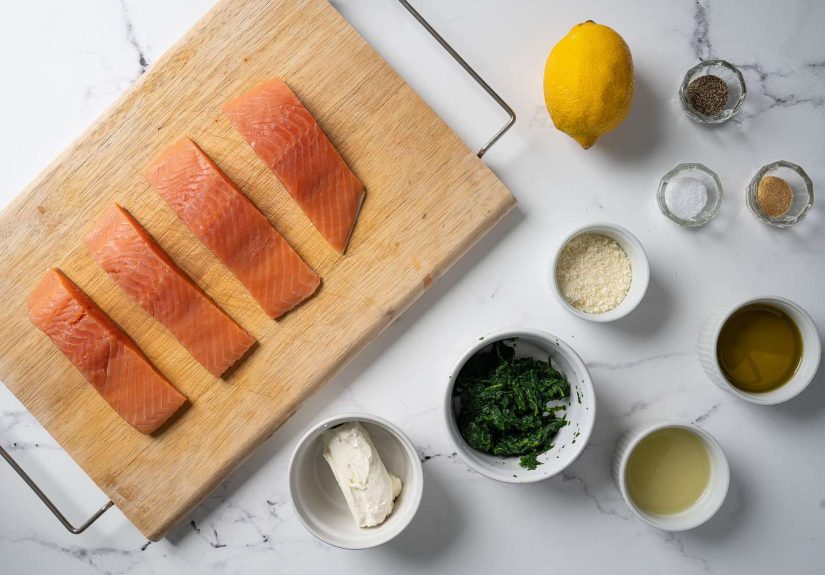
- 4 salmon fillets (about 6 oz each), preferably skin-on
- Kosher salt
- Neutral oil (avocado, grapeseed, or canola)
- 2 tablespoons unsalted butter (plus 1 tablespoon extra if you’re feeling generous)
- 2 teaspoons Dijon mustard
- 1 lemon (zest + juice)
- 1 small garlic clove, finely grated or minced
- 1 tablespoon chopped fresh dill or parsley (or both)
- Black pepper
- Optional: pinch of red pepper flakes
Optional Quick Brine (Highly Recommended)
If you’ve ever cooked salmon and watched that white protein (albumin) bubble out like your fish is stress-crying, this helps.
A short saltwater soak can improve texture, keep the fish juicier, and make the surface behave better.
Brine Ingredients
- 1 cup cold water
- 1 tablespoon kosher salt
Step 1: Brine for 10 Minutes (Optional), Then Dry Like You Mean It
- Stir salt into cold water until dissolved.
- Add salmon fillets and brine for 10 minutes (up to 15 if they’re thick).
- Remove, rinse quickly under cold water, and pat dry thoroughly with paper towels.
Drying is the secret handshake of crispy-skin salmon. Moisture is the enemy of browning. If the salmon looks glossy-wet, keep blotting.
Step 2: Season Simply
Season the flesh side with salt and black pepper. If you brined, go lighter on salttaste buds deserve rights too.
Leave the skin side mostly alone; the skin will crisp better without extra moisture from seasonings.
Step 3: Crisp the Skin (The Foolproof-ish Method)
You’ve got two great options. Pick your comfort level:
- Option A: Cold-pan start (surprisingly consistent for crispy skin)
- Option B: Hot-pan sear (classic, fast, a little more dramatic)
Option A: Cold-Pan Crispy Skin (Our Weeknight Favorite)
- Place a nonstick or well-seasoned skillet on the stove cold. Add 1–2 teaspoons oil.
- Put salmon in the pan skin-side down. Then turn heat to medium-high.
- As the pan heats, the fat under the skin renders slowly. Let it cook undisturbed for 6–9 minutes depending on thickness.
- Once the skin is deeply golden and crisp, reduce heat to medium. Flip and cook the flesh side for 30–90 seconds to finish.
Option B: Hot-Pan Sear (Restaurant Vibes)
- Heat a skillet over medium-high with 1–2 teaspoons oil until shimmering.
- Add salmon skin-side down. Press gently for the first 10 seconds so the skin stays flat.
- Cook mostly on the skin side for 5–8 minutes, then flip for 30–60 seconds to finish.
Step 4: Doneness Without Guessing (Temperature + Visual Cues)
The safest standard is cooking salmon to 145°F in the thickest part. If you prefer a tender, slightly translucent center, many cooks pull it earlier,
around the 120–130°F range and let carryover heat finish the jobjust know that lower temps can carry higher food-safety risk.
No thermometer? Look for salmon that flakes easily at the thickest point, with an interior that changes from translucent to mostly opaque.
The center should still look moistnot chalky. Chalky is what salmon becomes when it has given up on life.
Step 5: Lemon-Dijon Butter Sauce (Made in the Same Pan)
Remove salmon to a plate, skin-side up (to protect your hard-earned crisp). Reduce heat to low.
- Add 2 tablespoons butter to the skillet.
- When melted, stir in garlic for 10–15 seconds (don’t brown itbitterness is not a personality trait).
- Whisk in Dijon, lemon zest, and a squeeze of lemon juice.
- Turn off heat and stir in herbs. Taste. Add more lemon if it needs brightness, or a pinch of salt if it needs pop.
Serve Like a Pro
Spoon sauce over the salmon just on the flesh, keeping the skin crisp.
Finish with extra herbs and a few twists of black pepper. If you like heat, add red pepper flakes.
What to Serve With This Salmon (So Dinner Looks Planned)
- Roasted asparagus or broccolini (same oven, minimal effort, maximum “I’m thriving”).
- Garlic rice, quinoa, or couscous to soak up sauce.
- Simple salad with a lemon vinaigrette to echo the flavors.
- Sheet-pan potatoes if you want comfort-food energy.
Easy Variations (Because You’ll Make This Again)
1) Honey-Mustard Twist
Add 1–2 teaspoons honey (or maple syrup) to the butter sauce for a sweet-savory glaze that tastes like you own a tiny bistro.
2) Miso-Lemon Upgrade
Swap Dijon for white miso (about 1–2 teaspoons). You’ll get a deeper savory note that pairs beautifully with salmon’s richness.
3) Garlic-Herb “Butter Blanket”
Skip mustard entirely and go heavy on herbs and lemon zest. Finish with a small extra pat of butter on top.
It’s simple, classic, and dangerously good.
Common Salmon Questions (Answered Without Judging You)
Is it better to bake salmon or pan-sear salmon?
Baking is hands-off and great for multiple portions. Pan-searing gives you the best crispy skin and fast cooking.
This recipe is built around pan-searing because the texture payoff is huge.
If you’re cooking for a crowd, bake the salmon and still make the lemon-Dijon butter sauce on the stove.
How long do you cook salmon?
It depends on thickness and method. A common guideline for fillets is around 10–15 minutes at 400°F in the oven,
or 6–9 minutes mostly skin-side down in a skillet plus a quick finishing flip.
When in doubt, use an instant-read thermometer and aim for your preferred doneness.
What’s the white stuff on salmon?
That’s albumintotally safe, just not the look most people are going for. It shows up more when salmon is cooked at higher heat or overcooked.
A quick brine and gentler cooking reduce it.
Wild vs. farmed salmondoes it matter here?
Yes, but you don’t need a marine biology degree. Wild salmon is often leaner and can dry out faster, so watch it closely.
Farmed salmon usually has more fat, which is more forgiving and stays moist.
The method still works for bothjust adjust cooking time and rely on temperature cues.
Make-Ahead and Leftovers
Crispy-skin salmon is best fresh. Leftovers still taste great, but the skin won’t stay crisp.
Store in an airtight container for up to 2–3 days. Reheat gently in a skillet over low heat or enjoy cold over salad.
If you microwave it, salmon will forgive you, but your kitchen might smell like it’s filing a complaint.
Nutrition Notes (The Practical, Not Preachy Version)
Salmon is naturally rich in protein and omega-3 fatty acids, and it pairs well with simple sides like vegetables and grains.
This recipe uses a modest amount of butter for a high flavor returnso you get satisfaction without needing a sauce-heavy casserole situation.
of “We’ve Been There” Experiences With This Salmon Recipe
If you’ve ever felt personally attacked by salmonlike it’s either undercooked and slippery or overcooked and sadyou’re not alone.
In a lot of home kitchens, salmon gets treated like a “healthy obligation dinner” rather than something genuinely craveable.
That’s usually because people learn salmon from the worst possible teacher: fear. Fear of raw fish, fear of sticking,
fear of the pan, fear of the oven, fear of that smell. The result? The poor fillet gets cooked into submission.
This recipe is the one that changes the story because it’s built around small, confidence-boosting wins.
The quick brine is the first win: it’s a low-effort move that makes the fish feel more stable and less likely to “weep” albumin everywhere.
Then comes drying, which is the unglamorous step nobody posts on social mediayet it’s the moment you quietly become the person who
makes salmon with a restaurant-like finish. Once you’ve patted salmon dry until it looks matte instead of shiny, you’ll notice everything improves:
browning happens faster, sticking happens less, and the surface behaves like it actually wants to be delicious.
The crispy-skin method is the second big “aha.” People assume crisp skin requires wizard-level timing, but the reality is mostly physics:
you need the skin in contact with the pan while fat renders and water evaporates. That’s why the skin-side-down focus matters so much.
And the cold-pan option? It feels wrong the first timelike you’re breaking a sacred cooking rulebut it’s a relief for weeknights.
You set the fish in, turn on the heat, and let the process happen without frantic flipping.
It’s the cooking equivalent of taking a deep breath.
The sauce is the final experience-maker. Plenty of salmon recipes taste fine but forgettable, like they’re trying not to offend anyone.
Lemon-Dijon butter sauce does the opposite: it wakes everything up. The lemon zest smells bright and alive; Dijon brings a gentle bite;
garlic adds warmth; herbs make it feel fresh. It’s also the kind of sauce that makes a basic side dishrice, potatoes, green beanstaste better
without extra work. That’s why this becomes a “signature” recipe at home: it doesn’t just cook the salmon, it upgrades the whole plate.
And here’s the real reason it’s #1: it’s repeatable. You can make it after a long day, when you’re not in the mood to follow a complicated recipe.
You can make it for guests, when you want something impressive but not stressful. You can even make it when you’ve got a random lemon and a half-jar
of Dijon sitting in the fridge like they’ve been waiting for their moment. This recipe gives you that rare feeling of calm competence
like dinner is handled, and you didn’t have to negotiate with your smoke detector to get there.
Conclusion
If you want one go-to salmon dinner that hits the sweet spotcrispy skin, juicy center, bright buttery saucethis is it.
It’s fast enough for a weeknight, special enough for company, and flexible enough to riff on forever.
Once you’ve made salmon this way a few times, you’ll stop searching “easy salmon recipe” in a panic and start saying,
“Yeah, I’ll just make the salmon.”