Table of Contents >> Show >> Hide
- What “Modern” Really Means for Window Treatments
- 23 Modern Window Treatment Ideas
- 1) Hang Curtains High and Wide (Yes, Higher Than Feels Normal)
- 2) Go Ripple-Fold Drapery for a Clean, “Hotel-Lobby” Finish
- 3) Use Matte Black or Brushed Metal Hardware as a Graphic Accent
- 4) Choose Linen or Linen-Look Drapery for Soft Minimalism
- 5) Add Pinch-Pleat Panels for Structured, Tailored Modern
- 6) Install Inside-Mount Roller Shades for a Crisp Frame
- 7) Try Solar Shades to Tame Glare Without Losing the View
- 8) Pair a Shade + Drapery for the Modern “Layered but Not Fussy” Look
- 9) Use Woven Wood (Bamboo) Shades to Add Texture in Neutral Rooms
- 10) Choose a Tailored Roman Shade for Soft Structure
- 11) Add a Subtle Pattern (Small Scale = Modern-Friendly)
- 12) Embrace Border Trim and Banding for a Custom Look
- 13) Go Tone-on-Tone for Quiet Luxury
- 14) Try Café Curtains Outside the Kitchen
- 15) Use Top-Down/Bottom-Up Shades for Privacy Without a Cave Effect
- 16) Choose Cellular (Honeycomb) Shades for a Sleek Energy Upgrade
- 17) Use “Day-Night” (Dual) Shades for Flexible Light Control
- 18) Pick Room-Darkening or Blackout Linings That Don’t Look Heavy
- 19) Modernize Sliding Doors with Panel Tracks
- 20) Don’t Fear Vertical BlindsJust Choose the 2025 Version
- 21) Add a Minimal Cornice or Valance to Hide Hardware
- 22) Go Cordless (Cleaner Look, Easier Life)
- 23) Add Smart Motorized Shades for Modern Comfort on Autopilot
- Quick Styling Rules That Make Any Treatment Look More Modern
- Conclusion
- Real-Home Experiences: What People Learn After Upgrading Window Treatments (Bonus)
Window treatments have a weird superpower: they can make a room look finished in about five minutes… or make it look like you’re
still “waiting for the rest of the furniture to arrive” five years later. The good news? Modern window treatments aren’t about
fussy layers and complicated cords. They’re about clean lines, smarter light control, better textures, and a “designed on purpose”
vibeeven if your purpose is just “please stop the afternoon sun from cooking my couch.”
Below are 23 modern window treatment ideas that work in real homes (tiny apartments, big glass walls, rental spaces, and everything
in between). Each idea includes what makes it modern, where it shines, and how to pull it off without accidentally recreating a
1998 mini-blind situation.
What “Modern” Really Means for Window Treatments
Modern doesn’t have to mean cold, stark, or “my living room echoes.” In window terms, modern usually means:
simpler silhouettes, intentional mounting (height and width matter), texture over clutter,
and function that actually functionsprivacy, glare control, insulation, noise softening, and sleep-friendly darkness.
23 Modern Window Treatment Ideas
1) Hang Curtains High and Wide (Yes, Higher Than Feels Normal)
Mounting drapery close to the ceiling (and extending the rod beyond the window) is a modern classic because it makes ceilings look taller
and windows look grander. It’s like a push-up bra for architecturesupportive, subtle, and oddly confidence-boosting.
Try it: In living rooms and bedrooms, use floor-length panels and let the rod extend 6–12 inches past each side of the window so
the curtains stack mostly off the glass.
2) Go Ripple-Fold Drapery for a Clean, “Hotel-Lobby” Finish
Ripple-fold (also called wave fold) curtains have uniform, continuous folds that feel sleek and modernless “busy ruffles,” more “calm geometry.”
They look especially sharp on ceiling tracks.
Try it: Great for large windows, sliders, and open-plan rooms where you want soft texture without visual chaos.
3) Use Matte Black or Brushed Metal Hardware as a Graphic Accent
Modern rooms love contrast. A simple rod in matte black, brushed nickel, or champagne brass can outline the window in a way that feels crisp
and intentionalespecially with neutral curtains.
Try it: Pair white, oatmeal, or greige panels with black hardware if you have black window frames, dark flooring, or modern lighting.
4) Choose Linen or Linen-Look Drapery for Soft Minimalism
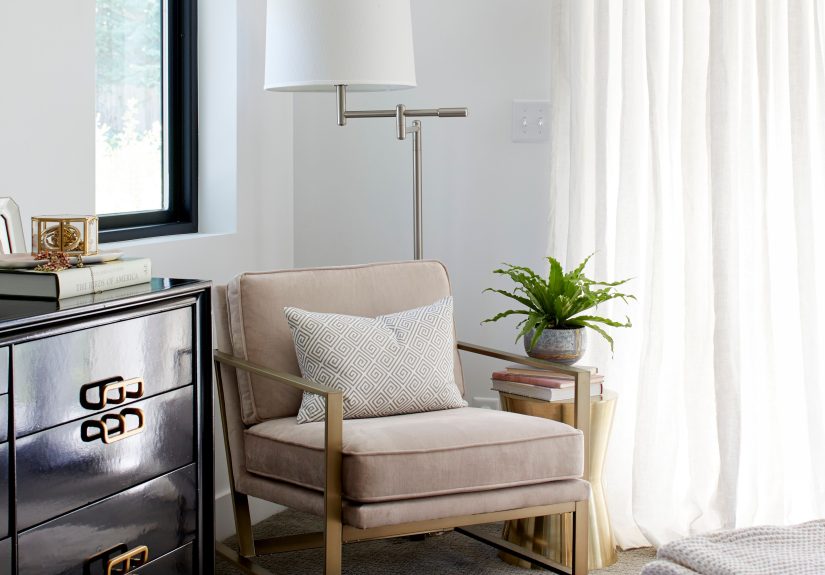
Linen is the reigning champion of modern “warm” design. It filters light beautifully, adds texture, and doesn’t scream for attention.
Even better: it plays nice with nearly every stylemodern farmhouse, Scandinavian, coastal, and contemporary.
Try it: Use unlined linen in dining rooms or living rooms for glow; add lining in bedrooms if you’re serious about sleep.
5) Add Pinch-Pleat Panels for Structured, Tailored Modern
Pinch pleats aren’t just traditionalthey’re also modern when the fabric is simple and the styling is clean. The structure looks polished,
and the fullness reads “custom,” not “crumpled sheet on a rod.”
Try it: Solid-color panels with a tailored pleat in a modern bedroom or dining room. Keep patterns minimal.
6) Install Inside-Mount Roller Shades for a Crisp Frame
A roller shade inside the window frame is one of the cleanest, most modern looksespecially if you have nice trim or modern windows.
It’s also a top choice for people who want privacy without the drapery “fabric wall” effect.
Try it: Light-filtering rollers in kitchens and offices; room-darkening rollers in bedrooms.
7) Try Solar Shades to Tame Glare Without Losing the View
If your room gets bright enough to qualify as a tanning salon, solar shades can reduce glare and UV exposure while still letting you see outside.
They’re modern because they’re minimal, practical, and great for big glass.
Try it: South- and west-facing windows, TV rooms, home offices, and anywhere you’re tired of squinting at 3 p.m.
8) Pair a Shade + Drapery for the Modern “Layered but Not Fussy” Look
Layering is modern when each layer has a job: a shade for light control, drapery for softness and style. The key is restraintthink two
deliberate layers, not five competing textiles.
Try it: Roller shade + floor-length curtains in a living room. Roman shade + sheers in a bedroom for a softer feel.
9) Use Woven Wood (Bamboo) Shades to Add Texture in Neutral Rooms
Woven wood shades bring warmth and a subtle pattern that reads modern when the rest of the room is clean-lined. They’re especially good when you
want “cozy” without adding more throw pillows (because you’re out of surface area).
Try it: Bathrooms (with proper ventilation), bedrooms, and any space with white walls that needs a little life.
10) Choose a Tailored Roman Shade for Soft Structure
Roman shades sit right in the modern sweet spot: clean silhouette, softer than blinds, and easy to customize with fabric. Go tailored (flat or
softly structured) to keep it contemporary.
Try it: Kitchens, breakfast nooks, and bedroomsespecially when you want pattern without adding more art.
11) Add a Subtle Pattern (Small Scale = Modern-Friendly)
Modern pattern works best when it’s controlled: small geometric prints, tone-on-tone stripes, or micro-checks. The effect is “designed,” not “optical illusion.”
Try it: Use patterned curtains with solid walls, or patterned Roman shades with neutral furniture.
12) Embrace Border Trim and Banding for a Custom Look
A simple fabric with a contrasting edge (like a tape trim or band) looks modern because it’s graphic and tailored. It’s also one of the fastest ways
to make off-the-shelf curtains feel upgraded.
Try it: Add a black border on oatmeal linen for a chic contrast, or match trim to a rug color for cohesion.
13) Go Tone-on-Tone for Quiet Luxury
Instead of high contrast, match your treatments to the wall color (or stay within one color family). This makes the window treatment feel built-in and modern,
and it lets architecture and furniture do the talking.
Try it: Warm white walls with ivory sheers. Soft gray walls with stone-colored rollers.
14) Try Café Curtains Outside the Kitchen
Café curtains are having a moment because they solve a real problem: privacy at eye level while still letting in light. Modern versions use clean fabrics,
simple rods, and unfussy styling.
Try it: Bathrooms, entryways, laundry rooms, and even kids’ roomsespecially on street-facing windows.
15) Use Top-Down/Bottom-Up Shades for Privacy Without a Cave Effect
This is one of the most modern “why didn’t I do this sooner?” options. You can cover the lower half for privacy while keeping the top open for daylight.
It’s ideal for homes close to neighbors.
Try it: Bathrooms, bedrooms, and first-floor living rooms.
16) Choose Cellular (Honeycomb) Shades for a Sleek Energy Upgrade
Cellular shades have a simple profile and are known for insulation benefitshelpful for temperature control and comfort. Modern versions are low-bulk, cordless,
and come in clean neutrals.
Try it: Bedrooms, nurseries, and any room where you want to reduce drafts and improve comfort.
17) Use “Day-Night” (Dual) Shades for Flexible Light Control
Dual shades (often called zebra shades) alternate sheer and opaque stripes so you can shift from filtered daylight to privacy. They’re modern because they look
graphic and do multiple jobs without extra layers.
Try it: Living rooms and offices where light changes throughout the day.
18) Pick Room-Darkening or Blackout Linings That Don’t Look Heavy
Blackout doesn’t have to mean bulky. Modern blackout solutions hide the function behind a clean fronteither through lining, room-darkening rollers, or layered systems.
Your bedroom can be stylish and nap-friendly. Revolutionary.
Try it: Bedrooms, media rooms, and nurseriesespecially if streetlights are basically your unofficial nightlight.
19) Modernize Sliding Doors with Panel Tracks
Panel track blinds are like the calm, modern cousin of vertical blinds. Wide fabric panels slide smoothly and look streamlinedgreat for large openings and patios.
Try it: Sliding glass doors, wide windows, and modern open-concept spaces.
20) Don’t Fear Vertical BlindsJust Choose the 2025 Version
The old plastic versions earned their reputation. But modern vertical options (fabric, textured finishes, cleaner headrails) can look surprisingly sleekespecially for
big sliders where curtains are impractical.
Try it: Rentals, patio doors, and high-traffic zones where durability matters.
21) Add a Minimal Cornice or Valance to Hide Hardware
A simple cornice (wood or upholstered) can conceal a shade’s header and make the window feel more architectural. The modern trick is to keep it crispno swags, no drama,
no “Victorian theater.”
Try it: Media rooms (to hide blackout gear), bedrooms, and anywhere you want a built-in look.
22) Go Cordless (Cleaner Look, Easier Life)
Cordless treatments look more modern because they’re visually quieter. They’re also easier to use day-to-day. Less dangling, less tangling, less “why is this cord a knot again?”
Try it: Everywhereespecially kids’ rooms and high-use windows.
23) Add Smart Motorized Shades for Modern Comfort on Autopilot
Smart shades are peak modern: scheduled light control, app/remote operation, and optional voice assistant integration. They’re especially helpful on tall windows, skylights,
and rooms where the sun moves like it has personal beef with your furniture.
Try it: Hard-to-reach windows, big glass walls, bedrooms (wake up to natural light), and offices (reduce glare during work hours).
Quick Styling Rules That Make Any Treatment Look More Modern
- Measure like you mean it: width, height, and depth (inside mount needs enough depth).
- Avoid “floating” curtains: aim for panels that kiss the floor for a polished finish.
- Keep palettes tight: modern rooms usually look best with 1–2 main window fabrics, not a textile parade.
- Let function pick the category: glare → solar; sleep → blackout; cozy → linen; privacy → top-down/bottom-up.
- Don’t cheap out on hardware: good rods and tracks make curtains hang better and slide smoother.
Conclusion
Modern window treatments aren’t about following one “right” trendthey’re about choosing a clean, intentional solution for your light, privacy, and style needs.
Whether you go with tailored drapery, minimalist roller shades, texture-rich woven woods, or smart motorized systems, the biggest upgrade usually comes from
the basics: the right mount height, the right scale, and a treatment that fits how you actually live.
Real-Home Experiences: What People Learn After Upgrading Window Treatments (Bonus)
In real homes, window treatments rarely fail because the idea was “wrong.” They fail because the room had different needs than the shopper expected.
Here are the most common, practical lessons homeowners and renters tend to discover after living with modern window treatment ideas for a few weeks.
Consider this the “experience section” that saves you from returning a giant box of curtains while muttering, “I swear they looked taller online.”
Experience #1: The mount height is the makeover. People often report that simply hanging curtains closer to the ceiling makes the entire room feel upgraded,
even if the curtains are affordable. It changes the proportions of the spaceespecially in small roomsbecause it pulls your eye upward and makes the window look larger.
Many wish they’d done this first before buying more décor.
Experience #2: Sun problems are usually time-of-day problems. A living room can feel “perfectly bright” at 10 a.m. and “laser beam unpleasant” at 3 p.m.
That’s why solutions like solar shades, layered treatments, and dual shades become favorites: they adapt. People love keeping their view while reducing glare on TVs,
laptops, and glossy tabletops. The surprising part? The problem isn’t always brightnessit’s angle. When the sun hits low, even a bright room can become a squint factory.
Experience #3: Bedrooms need honesty. If you’re sensitive to light (streetlights, early sunrise, neighbor’s porch bulb that could guide ships),
light-filtering curtains will probably disappoint. Many homeowners end up adding blackout lining, switching to room-darkening rollers, or layering a blackout shade behind
prettier drapery. The “experience win” is realizing you can keep the style and add the function invisibly.
Experience #4: Texture reads expensiveeven in neutrals. A lot of modern spaces are neutral, and people sometimes worry that neutral curtains will look boring.
In practice, texture does the heavy lifting: linen, woven wood, and subtly slubbed fabrics create depth without adding busy pattern. Homeowners often describe this as
“the room finally feels finished” because the window stops looking like an empty rectangle and starts looking like part of a design plan.
Experience #5: The “stack-back” matters more than you think. This is the moment when someone opens their curtains and realizes half the window is still covered
by fabric. Modern-looking drapery usually requires enough rod width so panels can stack off the glass. People who love their final result almost always gave themselves
that extra width. (This is also why ripple-fold tracks are so satisfyingthey behave nicely instead of bunching up like a grumpy accordion.)
Experience #6: Smart shades feel like a luxury, but they solve real-life annoyances. Users often say the biggest benefit isn’t showing off voice controlit’s
consistency. Shades that lower automatically during peak sun protect furniture and reduce glare. Shades that rise in the morning make rooms feel brighter and more inviting.
And for tall windows? Not needing a ladder is a quality-of-life upgrade that’s hard to un-love once you’ve tried it.
Experience #7: Cleaning reality check. Kitchen and bathroom treatments live a harder life (steam, splatter, dust). People frequently end up happier with
easy-clean options there: roller shades, faux-wood blinds, or washable café curtains. In other rooms, higher-maintenance fabrics can be worth itbut “worth it” usually
depends on whether you’re willing to vacuum a shade occasionally or remove panels for washing.
Bottom line: the best modern window treatment ideas are the ones you’ll actually use every daysmooth to operate, right for the light in your room, and scaled so the window
looks intentionally dressed, not accidentally covered. If you remember only one thing, remember this: modern design is rarely about doing more. It’s about doing the
right things, on purpose.