Table of Contents >> Show >> Hide
- What Exactly Is a House-Shaped Bed?
- Why House Beds Are Everywhere Right Now
- The House Bed Lineup: Popular Styles (and Who They’re For)
- Safety First: The Non-Negotiables for House-Shaped Beds
- How to Pick the Right House Bed: A Practical Checklist
- Styling House Beds Without Turning the Room Into a Circus
- Buy vs. DIY: Two Roads to the Same Tiny House
- House Bed Ideas for Small Rooms (Because Not Everyone Has a Mansion Nursery)
- Common Mistakes (So You Don’t Learn Them the Expensive Way)
- Wrapping It Up: A Tiny House That Helps Big-Kid Sleep
- Experiences From the “House Bed” Real World (500+ Words)
Somewhere along the way, kids’ bedrooms stopped being “a room with a bed” and started being a whole
tiny neighborhood. And honestly? I support it. The house-shaped bedpart fort, part reading nook,
part “please go to sleep, it’s a school night”is the rare trend that’s both adorable and genuinely useful.
In this guide, we’ll tour the different types of house-shaped beds (from minimalist “roofline frames” to
full-on playhouse lofts), talk safety in a way that won’t kill the vibe, and share styling + shopping tips
that help you land the right bed for your space, budget, and tiny resident’s personality.
What Exactly Is a House-Shaped Bed?
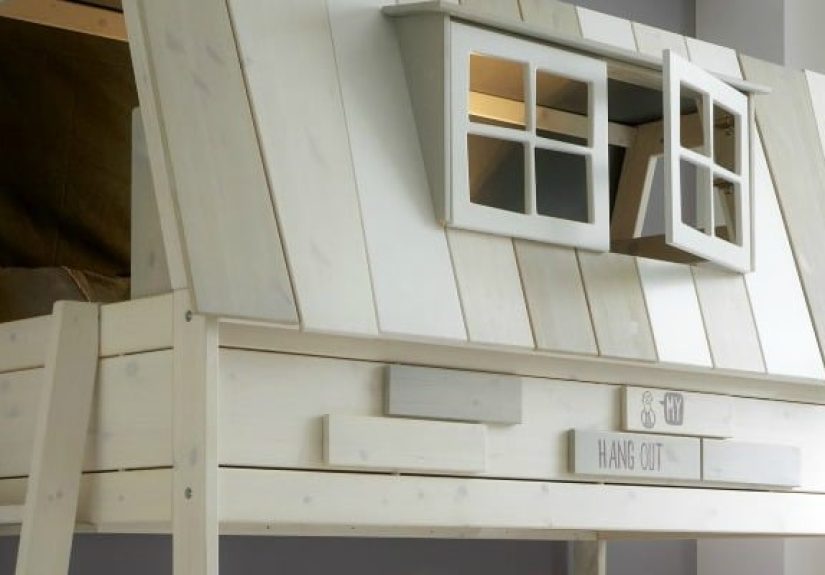
A house-shaped bed is a kid’s bed frame designed to resemble the outline of a simple housethink a
rectangle base with a pitched “roof” frame on top. Some versions stay low to the ground like a
Montessori-style floor bed. Others climb up into loft territory with windows, shutters, ladders, and the
kind of drama usually reserved for reality TV.
The appeal is simple: it turns bedtime into a destination. A kid sees a “house” and immediately knows
what to do with ithide, read, pretend, decorate, invite stuffed animals to a meeting that absolutely
could’ve been an email.
Why House Beds Are Everywhere Right Now
1) They create a cozy “zone” without taking over the room
The open-frame design (just posts + a roofline) adds visual interest without the bulky footprint of a
traditional canopy. It frames the sleep space like a mini room-within-a-room, which can be especially
helpful in shared bedrooms or small spaces where the bed is basically the main character.
2) They encourage independence (especially floor-bed styles)
Many house beds sit low to the floor, making it easier for toddlers and preschoolers to climb in and out
without needing a boost. That’s why you’ll often see them paired with Montessori-inspired setups:
simple, accessible, and arranged so kids can navigate their space more confidently.
3) They’re built-in decor
If you’ve ever tried to decorate a kid’s room and realized your child’s “color palette” is
“neon everything,” a house bed helps. It provides a structure you can style with fabric, lights, and art,
so the room feels intentionaleven if a dinosaur wears a tutu on the nightstand.
The House Bed Lineup: Popular Styles (and Who They’re For)
House Frame Floor Bed
This is the classic Montessori floor bed with a house-shaped canopy frame. It’s ideal for toddlers and
younger kids who want independence, and for parents who prefer a low-to-the-ground setup. Many models
include a fence-style perimeter or partial guardrail to reduce rolling out.
- Best for: toddlers, early preschool, smaller rooms, cautious sleepers
- Watch for: solid mattress fit, sturdy slats, smooth finishes, and rail design that avoids gaps
House Bed Frame (Standard Height)
This version sits at a typical bed height (often for twin or full mattresses) with a roofline above.
Think of it as “big kid bed” meets minimalist playhouse. It’s easier to make (fitted sheets aren’t
an extreme sport), and it can grow with your child.
- Best for: kids transitioning from toddler bed to twin, or kids who want more “real bed” vibes
- Watch for: rail options if your child is a wild sleeper
Playhouse Loft Bed
This is where things get theatrical: a lofted bed up top, and a playhouse structure below or around it.
Some big-name retailers sell versions that are basically a tiny house you can sleep incomplete with
windows, paneling, and sometimes a slide (because why walk to breakfast when you can descend dramatically?).
- Best for: school-age kids who love forts and families trying to maximize floor space
- Watch for: age recommendations, guardrails, and safe ladder placement
House-Themed Bunks and “Twin + Trundle” Setups
If you need sleep capacity (siblings, sleepovers, cousins who “just happen” to stay every weekend),
house-style bunks and trundle house beds are a popular solution. Many include storage drawers or a pull-out
trundle that keeps the room functional without turning it into a mattress warehouse.
- Best for: shared rooms, frequent guests, small homes
- Watch for: top-bunk safety, mattress thickness limits, and clearance for trundles/drawers
Safety First: The Non-Negotiables for House-Shaped Beds
House beds are fun. Gravity is also fun. But only for gravity. If you’re choosing a bed for a child,
safety should be the headline feature, not an afterthought tucked into the assembly manual like
“good luck, brave traveler.”
Choose the right height for the child’s age
For younger kids, a low bed reduces fall risk and makes midnight bathroom trips easier. If you’re
considering a loft or anything “upper bunk-like,” be conservative: elevated sleep surfaces require
reliable guardrails and age-appropriate use.
Guardrails must be secureand designed to prevent hazardous gaps
Elevated beds and bunks have specific guardrail expectations in the U.S. (including minimum height above
the mattress and limits on openings). Even for lower beds, rails should be firmly attached and used
properly. Portable bed rails can create dangerous gaps if installed incorrectly or used on incompatible
mattressesso follow instructions exactly and re-check tightness regularly.
Mattress fit matters more than aesthetics
If the frame is designed for a crib mattress, use a crib mattress. If it’s designed for a twin, use a twin.
A poor fit can create gaps along the edges, which is where problems happenespecially if your child moves
a lot during sleep.
Placement: keep the “climbable house” away from hazards
- Keep beds away from windows and blind cords.
- Avoid placing the bed under shelves, heavy frames, or anything that could fall.
- Anchor dressers and tall furniture to the wallbecause kids climb like it’s an Olympic event.
- If you use string lights or a canopy, keep cords secured and out of reach.
House beds are not jungle gyms (even if they try to be)
The roof frame is tempting. Many brands explicitly warn against sitting or climbing on headboards, rails,
and upper structures. Treat the “house” as decor and gentle play, not parkour infrastructure.
How to Pick the Right House Bed: A Practical Checklist
Materials: solid wood vs. engineered wood vs. metal
Many house-shaped beds are made from pine or other softwoods, which are budget-friendly and common.
You’ll also see combinations like plywood, MDF, and solid wood supports. The best choice depends on your
priorities:
- Solid wood: durable, classic, often repairable; can dent (especially pine) but lasts.
- Plywood/birch builds: stable and modern-looking when well-made.
- MDF components: common in affordable beds; can be fine if engineered well and not overloaded.
- Metal frames: sleek and sturdy; check for rounded corners and quiet slat systems.
Finish and indoor air considerations
Kids spend a lot of time in their rooms, so finishes matter. Many higher-end children’s furniture brands
emphasize non-toxic, water-based finishes and certifications (like GREENGUARD Gold) that indicate
lower chemical emissions. If you’re sensitive to smells or want extra peace of mind, look for those
signals in product details.
Slats, support, and squeak control
Platform house beds often use wood slats and don’t require a box spring. Look for:
- Evenly spaced slats
- Strong center support (especially for full size and up)
- Clear weight limits (and remember: “weight” often includes kids + parents reading stories)
- Hardware that feels substantial, not “mystery metal”
Storage: drawers, trundles, and under-bed “bonus space”
Some house beds include drawers or a trundle. Others leave the under-bed open so you can add bins or
roll-out storage. If your home runs on “Where did all these toys come from?” energy, storage is your
friendjust confirm you have clearance for drawers/trundle to slide fully.
Styling House Beds Without Turning the Room Into a Circus
Keep the base neutral, let the accessories do the talking
A natural wood or white house bed is the easiest to refresh as your child grows. Then you can swap out
bedding, wall art, and lights whenever the “current obsession” changes (today: astronauts, tomorrow:
sea otters wearing crowns).
Use the “roofline” for gentle magic
- Fabric canopy: a simple curtain panel can make it feel like a hideaway.
- Soft lighting: warm, low-brightness string lights secured safely can add bedtime calm.
- Seasonal swaps: garlands, paper stars, or small banners make the bed feel new again.
Design themes that work especially well
- Cottage core: gingham bedding, warm neutrals, little “window” wall art.
- Modern minimal: crisp white frame, a few bold pillows, simple graphic prints.
- Camp-out vibe: earth tones, lantern-style night light, cozy throw for “storytime hikes.”
- City rowhouse: black frame, striped bedding, framed “street sign” art (cute, not literal).
Buy vs. DIY: Two Roads to the Same Tiny House
Buying: fastest path to bedtime peace
If you want quick setup and tested instructions, buying is the easy button. Major U.S. retailers carry
playhouse lofts and house-bed variations, and big marketplaces carry everything from minimalist roof frames
to models with drawers, windows, and guardrails.
Pro tip: read reviews with an architect’s eye. Look for patterns like “took two adults,” “hardware labeled,”
“sturdy once tightened,” and “we added wood glue” (which is code for “it was wobbly until we negotiated with it”).
DIY: best for handy folks who want custom sizing or built-ins
House beds are popular DIY projects because the shape is friendly to basic framingposts, beams, and angled
roof pieces. DIY plans from woodworking communities and tool brands often show step-by-step builds using common
lumber sizes and pocket-hole joinery. That makes it easier to customize:
- Fit an awkward nook or small room
- Add taller rails, a reading ledge, or under-bed drawers
- Match existing trim or built-ins
- Choose your own finish and paint
IKEA hacks: the “remix culture” of kids’ furniture
Some of the most creative house-bed looks come from transforming existing frames (like IKEA’s reversible kids
beds) into roofed forts using added panels and framing. If you go this route, treat it like a real build:
measure twice, secure everything, and finish surfaces properly.
House Bed Ideas for Small Rooms (Because Not Everyone Has a Mansion Nursery)
If your child’s room is more “cozy corner” than “estate wing,” you can still do house-bed magic.
Here are strategies designers and small-space pros lean on:
1) Go low and keep it airy
A floor house bed has a smaller visual footprint than a bulky upholstered bed. The open frame makes the room
feel less crowded, and low height keeps things safer for younger kids.
2) Prioritize under-bed function
If you’re not using a floor-bed style, under-bed drawers or bins can reclaim a shocking amount of space.
In many small bedrooms, the bed is the largest piece of furnitureso making it do double duty is a win.
3) Consider a loft only if it truly helps
Loft beds can create a play zone or desk nook underneath, but they also add climbing and safety concerns.
If you go loft, commit to guardrails, stable ladders, and age-appropriate use.
Common Mistakes (So You Don’t Learn Them the Expensive Way)
- Buying the wrong mattress thickness: some beds require specific thickness for rail safety.
- Placing the bed near a window: especially risky with cords and climbable frames.
- Ignoring the “re-tighten hardware” reality: new beds often need a second tightening after a week.
- Over-decorating the roof frame: heavy decor can fall; cords can become hazards.
- Assuming the roof is for climbing: many frames are not designed for that load.
Wrapping It Up: A Tiny House That Helps Big-Kid Sleep
The best house-shaped bed isn’t just cuteit’s functional. It fits your room, supports safe sleep, and gives
your child a space that feels like theirs. Whether you pick a low Montessori-style house bed, a
clean-lined roof frame, or a full playhouse loft that turns bedtime into a fairytale, the goal is the same:
a cozy landing spot where your kid feels secure enough to actually, you know… sleep.
Choose the right height, pay attention to rails and mattress fit, keep placement safe, and let the styling
stay simple. The result: a bedroom that feels playful without being chaoticand a bed that gets used for
more than bouncing auditions.
Experiences From the “House Bed” Real World (500+ Words)
House-shaped beds have a funny way of changing how a room gets usednot just how it looks. In many families,
the first “experience” is a shift in bedtime attitude. A standard bed can feel like a command (“Go to bed”),
but a house bed feels like a destination (“Go hang out in your little house”). That subtle difference can
matter, especially for kids who resist transitions. Parents often find it easier to build routines around
the bed itself: a story on the “porch” (aka the side rail), a calm chat under the “roof,” then lights out.
Another common experience: kids start personalizing the bed immediately, whether you planned for it
or not. The roofline becomes a natural place for lightweight decor (a tiny flag garland, a few paper stars,
a name banner). Many kids treat it like their first “room project,” which can be a surprisingly sweet way
to encourage ownership without giving them free rein to repaint the walls purple at midnight. A practical
approach is to define “approved decorating zones”for example, fabric ties on the vertical posts, removable
decals on the wall behind the head of the bed, and a small shelf nearby for rotating treasures.
For shared rooms, house beds can also reduce friction. When each child has a defined structure (even two
matching house frames), it creates a visual boundary that makes the room feel more fair. Kids understand
what’s “my space” and “your space” faster when the bed itself is an obvious anchor. In practice, this often
leads to fewer arguments about who’s touching whose blanket pilebecause the house frame is a built-in
“property line.” (No tiny lawyers required.)
Small-space households report another very real experience: the house bed becomes a storage strategy.
Under-bed drawers or bins turn into the fastest cleanup system in the home. Many families adopt a simple
nightly habit: toss toys into labeled bins and slide them under the bed before brushing teeth. The win isn’t
just the storageit’s the routine. When cleanup takes 90 seconds, it’s easier for a kid to feel successful
doing it. The bed becomes part of the rhythm of the room rather than a giant object you work around.
DIY experiences tend to be… character-building. People who build house beds often mention three lessons:
measure doorways before you assemble a large frame, sand more than you think you need to (kid hands find
every rough spot), and expect to re-tighten hardware after the first week of use. Wood moves, kids bounce,
and physics does not care about your weekend timeline. Many DIYers also learn quickly that pine looks
gorgeous but dents if you glare at it too hardso choosing a durable finish (and making peace with a few
“life marks”) is part of the journey.
Finally, there’s the “it’s not a jungle gym” reality. Kids will test the roof frame like it’s a climbing
wall unless adults set expectations early. Families who have the smoothest experience usually establish one
clear rule: the bed is for sleeping, reading, and calm playnot climbing on the roof or hanging like a bat.
Pairing that rule with an alternative (a small climbing toy elsewhere, or a designated play corner) helps.
The best house bed experience isn’t about restricting funit’s about keeping the fun safe and sustainable,
so the bed stays charming instead of turning into a late-night safety debate.
In other words: house-shaped beds don’t just add style. They often reshape routines, storage habits, and how
kids relate to bedtime. And if that little roofline helps your child settle down faster? That’s not decor.
That’s a life upgrade.