Table of Contents >> Show >> Hide
- What Makes Medjool Dates So Special?
- 8 Health Benefits of Medjool Dates
- 1. Natural, Long-Lasting Energy
- 2. Rich in Fiber for Digestion and Gut Health
- 3. Packed with Antioxidants
- 4. Heart Health Support
- 5. Gentle on Blood Sugar (When Eaten in Moderation)
- 6. Minerals for Bones, Muscles, and Nerves
- 7. Possible Brain and Nervous System Benefits
- 8. Supportive Role in Late Pregnancy (Under Medical Guidance)
- How Many Medjool Dates Is “Healthy”?
- Easy Medjool Date Recipes to Try
- Real-World Experiences With Medjool Dates
- Bottom Line
Medjool dates are the kind of snack that make you wonder, “How is this legal?” They taste like soft caramel candy, but they’re actually a whole fruit packed with fiber, minerals, and antioxidants. No wonder you keep seeing them in smoothies, energy balls, and all over healthy snack TikTok.
In this guide, we’ll walk through eight science-backed health benefits of Medjool dates, how many you can enjoy without overdoing the sugar, and a few easy, no-fuss recipes you can make even when you’re hungry right now. Think of this as your friendly crash course in Medjool dates nutrition, health benefits, and everyday recipes.
What Makes Medjool Dates So Special?
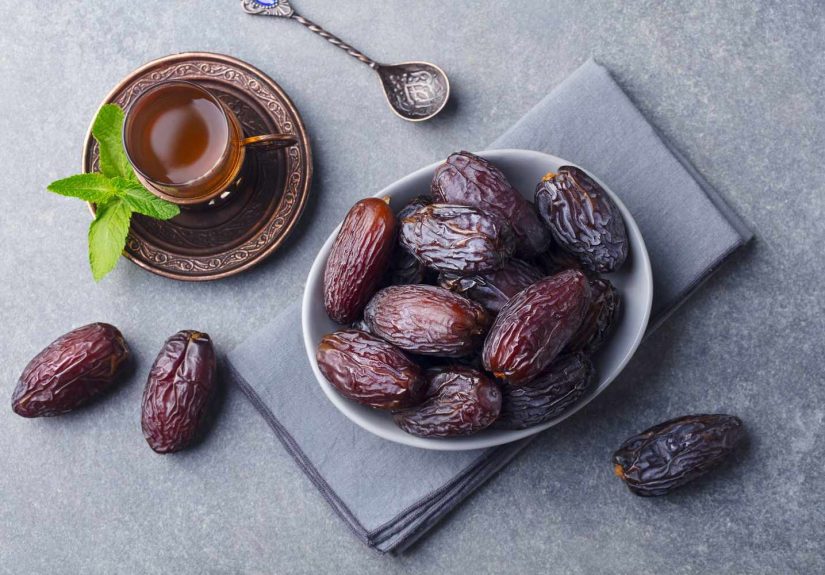
Medjool dates come from the Phoenix dactylifera date palm and are usually larger, softer, and sweeter than other varieties like Deglet Noor. They’re often called “nature’s caramel” thanks to their rich, toffee-like flavor and fudgy texture.
A typical large Medjool date contains roughly 66–70 calories, almost all from carbohydrates, with about 16–18 grams of carbs, a few grams of natural fiber, and virtually no fat or sodium.
They also provide potassium, magnesium, small amounts of calcium and iron, and B vitamins like vitamin B6 and niacin.
In short: Medjool dates are energy-dense, nutrient-rich, and extremely convenient. But are they actually healthy, or just a prettier form of sugar? Let’s look at what the research says.
8 Health Benefits of Medjool Dates
1. Natural, Long-Lasting Energy
Medjool dates are a concentrated source of natural sugars (mainly glucose and fructose), which makes them an ideal quick energy snack. Two large Medjool dates provide about 130–140 calories and around 30–36 grams of carbohydrates.
Unlike candy, though, you’re not just getting sugar. You’re also getting fiber, potassium, and a handful of micronutrients that help your body use that energy efficiently. That’s why many athletes and fitness fans use Medjool dates as a pre-workout snack or mid-hike pick-me-up.
If you’re about to hit the gym, a couple of dates with a handful of nuts can give you a satisfying, portable combo of quick carbs plus some fat and protein to smooth out the energy release.
2. Rich in Fiber for Digestion and Gut Health
Medjool dates are naturally high in dietary fiber. A small serving (about 2–4 dates) can provide a significant chunk of your daily fiber needssome estimates suggest four dates can offer around 25–30% of the daily value.
Fiber helps:
- Support regular bowel movements and prevent constipation
- Feed beneficial gut bacteria, which produce short-chain fatty acids that help maintain gut lining health
- Slow digestion slightly, so you feel fuller for longer after eating
Research on dates in general shows they provide both soluble and insoluble fiber along with antioxidant compounds, which together contribute to their “nutraceutical” (food-as-medicine) profile.
In everyday terms: Medjool dates are a tasty way to help keep things moving.
3. Packed with Antioxidants
Medjool dates are loaded with natural antioxidants, including carotenoids, phenolic acids, and flavonoids. These compounds help neutralize free radicalsunstable molecules that can contribute to oxidative stress and, over time, chronic disease.
While you shouldn’t rely on any single food to “prevent” disease, diets rich in antioxidant-packed plant foods are associated with lower risks of many chronic conditions. Medjool dates can be a small but delicious part of that bigger picture, especially when they’re used to replace ultra-processed sweets.
4. Heart Health Support
Heart health isn’t just about avoiding salt and fried food; it’s also about getting enough potassium, magnesium, and fiberall of which Medjool dates contain.
Medjool dates are particularly rich in potassium, providing roughly twice as much potassium per gram as bananas, along with small amounts of magnesium and calcium.
Potassium helps regulate blood pressure by balancing out the effects of sodium, and adequate intake is associated with a lower risk of stroke and heart disease.
Their soluble fiber may also help reduce LDL (“bad”) cholesterol by binding some cholesterol in the digestive tract and carrying it out of the body.
Meanwhile, the antioxidants in dates may help protect blood vessels from oxidative stress.
Are Medjool dates a magic bullet for heart disease? No. But swapping a sugary dessert for a few dates plus nuts is definitely a heart-friendlier move.
5. Gentle on Blood Sugar (When Eaten in Moderation)
It sounds strange, but despite their sweetness, Medjool dates have a relatively low to moderate glycemic index (GI) when compared to many refined sweets. Studies suggest dried dates often fall around a GI of roughly 42–55, depending on the variety and ripeness, with an average around 54.
Health sources note that about 1½ Medjool dates (around 36 grams) has a GI around 37 and a glycemic load in the medium range.
That means they raise blood sugar more slowly than, say, a cookie or soda. The fiber and natural structure of the fruit help blunt the blood sugar spike.
That said, dates are still very high in natural sugar. If you have diabetes, prediabetes, or insulin resistance, you should work with a healthcare professional or dietitian to decide how Medjool dates fit into your overall carb budgetand stick to small portions.
6. Minerals for Bones, Muscles, and Nerves
Medjool dates may look like candy, but they offer a small but meaningful boost of minerals that your body uses every day:
- Calcium – supports bones, teeth, and muscle function
- Magnesium – involved in muscle relaxation, nerve signaling, and over 300 enzyme reactions
- Potassium – helps regulate fluid balance, blood pressure, and muscle contractions
- Phosphorus and trace minerals – support bone and cellular health
Analyses of Medjool dates show they provide calcium, magnesium, potassium, phosphorus, and iron in small but concentrated amounts for such a tiny snack.
They won’t replace your entire mineral intake, but they can complement a balanced dietespecially for people who don’t consume much dairy.
7. Possible Brain and Nervous System Benefits
Medjool dates supply B vitamins like vitamin B6 and niacin, which help with energy metabolism and normal nervous system function.
Combined with their antioxidant profile, dates may help protect brain cells from oxidative stress over time, at least in theory.
Animal and cell studies on dates and their bioactive compounds have suggested potential neuroprotective and anti-inflammatory effects, though human data is still limited.
So while you shouldn’t treat Medjool dates as a brain supplement, including them in a plant-rich, Mediterranean-style eating pattern could be one small way to support long-term brain health.
8. Supportive Role in Late Pregnancy (Under Medical Guidance)
Dates have been traditionally used in some cultures to support labor and childbirth. Modern research has started to examine this, and several clinical trials have found that eating dates in the last few weeks of pregnancy may:
- Improve cervical readiness (higher Bishop scores)
- Reduce the need for labor induction or augmentation with oxytocin
- Shorten the first stage or active phase of labor in some women
Studies of pregnant women who ate dates daily from around 36–37 weeks found reduced need for induction and shorter labor phases compared with control groups, although study quality is mixed and more research is needed.
Most of these studies look at dates in general, not specifically Medjool, but Medjools are simply one variety of date fruit. If you’re pregnant, always talk to your healthcare provider or midwife before making significant diet changesbut if dates fit into your plan, Medjool dates are a particularly tasty option.
How Many Medjool Dates Is “Healthy”?
Here’s the honest answer: Medjool dates are healthy, but they’re also calorie-dense. Depending on the source, one large Medjool date has about 66–70 calories and 16–18 grams of carbs, mostly sugar.
For most people with no specific medical restrictions, a reasonable daily portion is:
- 2 large dates as a snack, or
- 3 small dates spread throughout the day
That gives you fiber, minerals, and energy without pushing your sugar and calorie intake too high. If you’re very active, you may comfortably enjoy a bit more; if you’re sedentary or managing blood sugar, you may want to stick to 1–2 dates and pair them with protein or fat (like nuts or Greek yogurt) to soften the blood sugar impact.
Easy Medjool Date Recipes to Try
Ready to put those Medjool dates to work? Here are a few simple recipes that showcase their flavor and health benefits without requiring pro-chef skills.
1. Almond Butter Dark Chocolate Stuffed Dates
Perfect for: Dessert bites, coffee companion, or late-night sweet fix.
Ingredients (makes 8–10 bites):
- 8–10 Medjool dates, pitted
- 3–4 tablespoons almond butter or peanut butter
- 2–3 squares dark chocolate (70% cocoa or higher), melted or finely chopped
- Pinch of flaky sea salt (optional)
Directions:
- Slice each Medjool date lengthwise and remove the pit if it’s still inside.
- Fill each date with about 1 teaspoon of almond butter.
- Drizzle with melted dark chocolate or press a few chocolate shards inside.
- Sprinkle with sea salt and refrigerate 10–15 minutes to firm slightly.
You get satisfying sweetness, a bit of healthy fat, and a hit of antioxidants from the dark chocolatefar more nutrient-dense than most candy bars.
2. Creamy Medjool Date Breakfast Smoothie
Perfect for: Busy mornings, post-workout refuel, or a sweet-but-balanced breakfast.
Ingredients (1 large or 2 small smoothies):
- 2 Medjool dates, pitted
- 1 frozen banana
- 1 cup unsweetened almond milk or other milk
- 2 tablespoons rolled oats or chia seeds
- 1 tablespoon nut butter (optional for extra creaminess)
- Ice cubes as needed
Directions:
- Add everything to a blender.
- Blend until smooth and creamy, adding more liquid if needed.
- Taste and adjust sweetnesstwo dates are usually plenty.
The Medjool dates replace added sugar, giving the smoothie a caramel-like sweetness while boosting fiber and minerals.
3. No-Bake Medjool Date Energy Balls
Date energy balls have become a classic healthy snack for a reason: they’re quick, portable, and wildly customizable. Many recipes use a simple base of Medjool dates plus nuts and a pinch of salt.
Ingredients (about 12–15 balls):
- 1 cup Medjool dates (about 10, pitted)
- 1/2 cup nuts (almonds, pecans, or walnuts)
- 1–2 tablespoons oats or shredded coconut (optional)
- Pinch of sea salt
Directions:
- Pulse the nuts in a food processor until finely chopped.
- Add dates, salt, and optional oats or coconut.
- Blend until the mixture clumps and sticks together when pressed.
- Roll into small balls and refrigerate for at least 20 minutes.
These energy balls make a great afternoon snack or lunchbox treat. One or two are usually enough to satisfy a craving.
4. Two-Ingredient Medjool Date “Caramel”
Perfect for: Drizzling over yogurt, pancakes, oatmeal, or sliced apples.
Ingredients:
- 10 Medjool dates, pitted
- 3/4–1 cup warm water or milk (adjust for thickness)
Directions:
- Soak the dates in warm water for 10–15 minutes if they’re very dry.
- Add dates and about 1/2 cup of the soaking liquid to a blender.
- Blend until smooth, adding more liquid as needed to reach a thick caramel consistency.
Store in the fridge for up to a week and use it any time you’d normally drizzle syrup or caramel. It’s still sweet, but you’re getting fiber and nutrients instead of pure sugar.
Real-World Experiences With Medjool Dates
Reading about Medjool dates on a nutrition label is one thing. Actually living with them in your kitchen is another. Here’s what many people discover once they start using Medjool dates regularly in daily life.
First, there’s the snack drawer transformation. Instead of relying on a random mix of candy bars and salty chips, some people keep a container of Medjool dates next to a jar of nuts or seeds. When the afternoon crash hits, grabbing two dates and a few almonds feels surprisingly indulgent but still “on plan.” It delivers that sweet hit you want, but you don’t get the same sugar hangover you might from ultra-processed sweets.
Then there’s the coffee ritual. A lot of home baristas end up using Medjool dates as a natural sweetener for lattes or iced coffee. Blending a date with milk before adding espresso creates a subtly sweet, caramel-flavored drink that tastes fancy but uses no syrups. Once you get into that habit, spooning white sugar into coffee can start to feel a bit flat and one-dimensional.
People who love to bake often find that Medjool dates become their “secret weapon” ingredient. Chopping a few dates into banana bread, oatmeal cookies, or granola bars adds pockets of flavor and sweetness without having to double the sugar. The texture also helps keep baked goods moist, which is especially helpful if you’re experimenting with whole-grain flours or gluten-free recipes that tend to dry out.
For those who are activerunners, cyclists, weightliftersMedjool dates can be a game-changer. Instead of energy gels or chewy candies, tossing a few dates into a small baggie makes for a simple, real-food fuel source. They’re easy to eat on the go, they don’t melt, and they pair perfectly with salty snacks like roasted nuts or lightly salted trail mix. Many people report that dates feel easier on their stomach during workouts compared with highly processed options.
People managing blood sugar or working on weight loss tend to develop a nuanced relationship with Medjool dates. At first, the sweetness can feel almost “too good to be true.” Over time, though, you learn that portion sizing is everything. Two dates can fit nicely into a structured meal plan if you treat them with the same respect you’d give chocolate or dessert. Some people find that pre-portioning themsay, into snack bags with two dates and a handful of nutshelps keep things in balance.
In family kitchens, Medjool dates often become an easy way to upgrade kid snacks. Blending dates into smoothies, energy bites, or even homemade chocolate “milk” (cocoa, milk, and a couple of dates) can reduce reliance on sugary packaged snacks while still keeping kids happy. Since dates are sticky, they’re also great for binding ingredients in no-bake bars and bites, which kids love to help roll and assemble.
Finally, there’s the simple joy factor. For many people, Medjool dates are the rare “healthy” food that doesn’t feel like a compromise. Whether you’re plant-based, omnivorous, or somewhere in between, they slot into your life easily: a couple with cheese for a tapas-style snack, one stuffed with almond butter for dessert, a few blended into oatmeal or smoothies. Over time, it’s often these small, sustainable swapslike replacing refined desserts with something like Medjool datesthat add up to better long-term habits.
Bottom Line
Medjool dates are more than just a trendy pantry item. They’re a naturally sweet, nutrient-dense fruit that offers fiber, minerals, antioxidants, and serious versatility in the kitchen. Enjoyed in moderation, they can support digestion, heart health, stable energy, and even play a role in late pregnancywhile making your snacks and desserts taste like caramel.
Treat Medjool dates with the respect you’d give any concentrated source of calories and sugar: savor a few, pair them with protein or fat, and let them replace less nutritious sweets. Your taste buds (and probably your snack drawer) will thank you.