Table of Contents >> Show >> Hide
Morning Glory is one of the most vibrant and resilient flowering plants you can grow in your garden. Known for their striking blooms and fast-growing vines, these flowers bring instant beauty to any space. Whether you’re a seasoned gardener or a beginner, learning how to grow and care for Morning Glory can be a rewarding experience. In this article, we’ll explore everything you need to know to cultivate these stunning plants successfully.
What is Morning Glory?
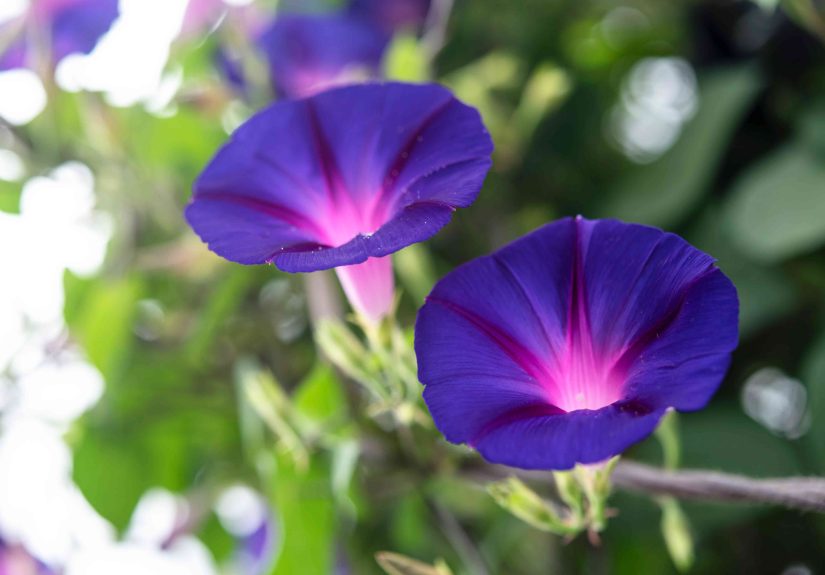
Morning Glory (Ipomoea spp.) is a genus of flowering plants in the family Convolvulaceae, celebrated for its vivid, trumpet-shaped flowers. With over 1,000 species, Morning Glories come in various colors, including purple, blue, pink, and white, offering a plethora of options for gardeners. These plants are often seen climbing fences, trellises, or walls, thanks to their twining vines. Morning Glories are typically annuals in temperate climates, but in tropical areas, they can act as perennials.
Why Grow Morning Glory?
Morning Glories are favored for their rapid growth and ease of care. They thrive in full sun and produce beautiful, large flowers that bloom early in the day, hence the name “Morning Glory.” They’re also perfect for adding a splash of color to fences, pergolas, or balconies. Not only do they enhance the beauty of your garden, but their ability to grow quickly makes them a great choice for filling empty spaces in your landscape.
How to Grow Morning Glory
1. Choose the Right Location
Morning Glories love full sun. Ensure they are planted in a spot that receives at least 6 hours of direct sunlight daily. The more sunlight they get, the more vigorous and plentiful the blooms will be. They are also quite adaptable to different soil types but prefer well-drained soil that is slightly acidic to neutral (pH 6.0-7.0).
2. Prepare the Soil
Before planting, loosen the soil to a depth of about 12 inches. Morning Glories are not particularly fussy about soil but prefer it to be fertile. You can amend the soil with compost or well-rotted manure to improve soil structure and drainage. If you have heavy clay soil, adding sand or organic matter can help to break it up and provide a better growing environment.
3. Start from Seeds or Seedlings
Morning Glory can be grown from seeds or seedlings. If starting from seeds, soak them overnight in warm water to help speed up germination. You can start seeds indoors 4-6 weeks before the last frost date or sow them directly in the ground after the frost danger has passed. Space seeds about 6-12 inches apart, depending on the variety.
4. Provide Support for Climbing
Morning Glory is a climbing plant, so it’s essential to provide vertical support such as a trellis, fence, or arched structure. Make sure the support is sturdy enough to withstand the weight of the vines as they grow. Once planted, gently guide the vines toward the support structure to help them climb. Morning Glories will naturally twine around any available surface.
5. Watering and Feeding
Morning Glories are relatively drought-tolerant once established but will thrive with consistent watering, especially during dry spells. Water deeply but infrequently to encourage deep root growth. Avoid overhead watering, as this can encourage fungal diseases. Fertilize them with a balanced, slow-release fertilizer once in the early growing season. Be careful not to over-fertilize, as too much nitrogen can result in lush foliage but fewer flowers.
How to Care for Morning Glory
1. Pruning and Deadheading
Pruning is essential to keep your Morning Glories healthy and encourage more blooms. Regularly remove any dead or damaged stems to maintain a neat appearance. Deadheading spent flowers will help the plant focus its energy on producing new blooms. You can also trim back the vines to control their growth and prevent them from taking over your garden.
2. Pest and Disease Management
Morning Glories are generally resistant to pests, but they can occasionally be affected by aphids, spider mites, or Japanese beetles. Regularly inspect your plants for signs of pests and use organic insecticidal soap or neem oil if necessary. Fungal diseases like powdery mildew can also affect the leaves, especially in humid conditions. To prevent this, avoid wetting the foliage during watering and ensure good air circulation around the plant.
3. Winter Care (for Perennial Varieties)
If you live in a climate where Morning Glories are perennials, you’ll need to prepare them for the winter months. Cut back the vines after the first frost, and if you’re growing them in containers, bring them indoors to protect them from freezing temperatures. For those planted in the ground, mulch heavily around the base to insulate the roots.
Common Morning Glory Problems
1. Poor Blooming
If your Morning Glory isn’t blooming well, it could be due to insufficient sunlight, too much fertilizer (especially nitrogen), or poor soil drainage. Ensure the plant is getting at least 6 hours of sun each day, and reduce fertilization if the plant is producing excessive foliage without flowers.
2. Weedy Growth
Morning Glories can sometimes become invasive due to their fast-growing nature. If left unchecked, they may spread beyond their designated space. To prevent this, regularly prune the vines and remove any unwanted shoots. You can also try growing non-invasive varieties if you’re concerned about their spread.
Morning Glory Varieties
There are many varieties of Morning Glories, each offering a unique color and growth habit. Some popular varieties include:
- Ipomoea tricolor: Known for its vibrant blue flowers, this variety is one of the most common.
- Ipomoea purpurea: A popular choice for its purple blooms.
- Ipomoea batatas: Sweet potato vines, often grown for their ornamental foliage.
Experiences with Growing Morning Glory
Growing Morning Glories has been a rewarding experience for many gardeners, especially for those who enjoy low-maintenance plants that deliver impressive blooms. For example, one gardener shared their story of planting Morning Glories along a backyard fence. After following the basic care guidelinesplanting in full sun, using a trellis for support, and ensuring good drainagethey watched in awe as the vines rapidly climbed and covered the fence. The blooms began to appear within a few months, with the vibrant colors adding a touch of magic to the landscape.
However, Morning Glories are not without their challenges. A few gardeners have shared experiences where their plants grew beautifully but were plagued by aphids. One gardener found success by using an organic insecticidal soap, which effectively controlled the pests without harming the plant. In another instance, a gardener struggled with poor blooming despite ample sunlight, discovering that the issue was excessive nitrogen in the soil, which had encouraged too much leafy growth at the expense of flowers.
Overall, those who have grown Morning Glories consistently agree that these flowers are well worth the effort. They’re fast-growing, vibrant, and make a statement in any garden or landscape. Whether planted in containers or along a trellis, Morning Glories offer a spectacular display and are sure to bring joy to any gardening enthusiast.
Conclusion
Morning Glories are an excellent choice for gardeners looking to add color, vibrancy, and a bit of vertical interest to their garden. With the right care, these fast-growing climbers can quickly transform any space. Whether you’re planting them for their stunning blooms or their ability to cover unsightly fences, Morning Glories are sure to make your garden shine.