Table of Contents >> Show >> Hide
- What Is “Hey Pandas, Post A Character You Made” All About?
- Why We’re So Obsessed With Original Characters
- How to Introduce Your Character in a Hey Pandas Thread
- Tips for Designing a Character People Remember
- Where Else to Share Your OC After Bored Panda
- Safety, Credit, and Community Etiquette
- Prompt Ideas If You’re Stuck on What to Post
- What It Feels Like to Share a Character You Made (Experiences)
- Ready to Post Your Character, Panda?
If you’ve ever doodled a mysterious cloaked traveler in the margins of your notebook, written fanfic about your half-dragon barista, or built a whole fantasy kingdom around one very dramatic cat… this one’s for you.
Bored Panda’s “Hey Pandas, Post A Character You Made” style threads are basically an open mic for your original characters (OCs). Instead of singing, you’re dropping art, sketches, backstories, and tiny moments from the worlds living inside your head. It’s chaotic, wholesome, and a surprisingly powerful way to connect with other creative people who totally get what it’s like to be emotionally attached to someone who… technically doesn’t exist.
In this guide, we’ll walk through what these Hey Pandas posts are, how to introduce your OC so people actually remember them, a few character-creation tips pulled from writing and art pros, and where else you can share your creation once you’ve hit “publish” on Bored Panda.
What Is “Hey Pandas, Post A Character You Made” All About?
Bored Panda’s Hey Pandas posts are community prompts where readers answer a question or respond to a theme in the comments. Instead of just reading an article, you become part of it by sharing your own stories, photos, or creations.
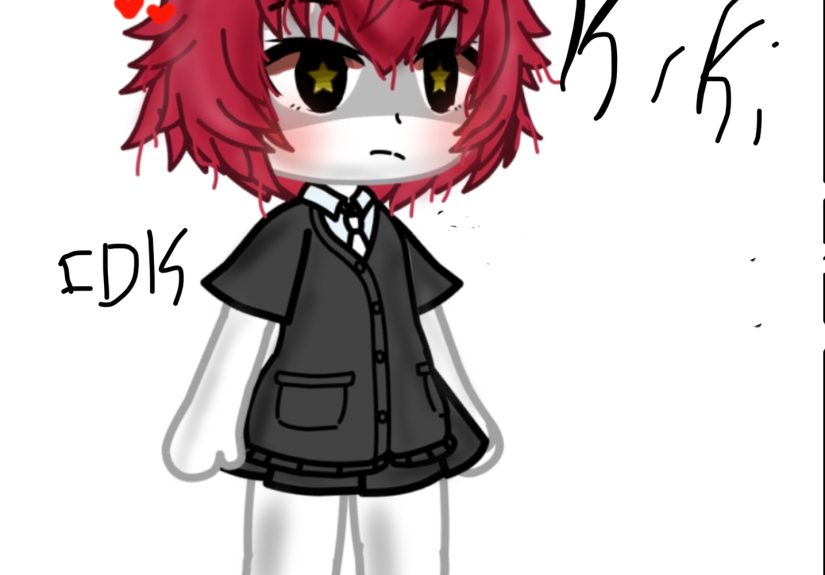
The “Post A Character You Made” idea is simple: you share an OC you designed, whether that’s a hand-drawn character, a digital illustration, a cosplay, or even a carefully written profile. Other users scroll through, upvote, comment, and sometimes get inspired to create their own.
On Bored Panda, community posts are moderated and curated by a team that highlights creative submissions and helps good content reach a bigger audience. That means your character isn’t just yelling into the void they’re stepping onto a stage where people are actually looking for something new and fun to discover.
Think of it as a mash-up of an online art gallery, a writing workshop, and a fandom hangout. The vibe: supportive, curious, occasionally unhinged (in the best way), and very, very into characters.
Why We’re So Obsessed With Original Characters
Creating an OC isn’t just “drawing a cool guy with a sword.” Artists and writers often describe original characters as a mix of self-expression, storytelling, and daydreaming with extra steps. Art education sites and writing guides point out that designing characters helps people explore identity, emotion, and “what if?” questions in a low-stakes way especially for teens and young adults who are still figuring themselves out.
Here’s why OCs fit perfectly into a Hey Pandas post:
- They tell a story at a glance. A good design or short description hints at a whole world, even if you only share a paragraph.
- They’re deeply personal. Many creators mix pieces of their own experiences, favorite media, and random life details into their characters.
- They’re endlessly remixable. As art tutorials often suggest, you can drop the same OC into different outfits, eras, or universes and watch how they change.
- They invite community interaction. When people comment, “I love her jacket” or “He totally looks like he works at a haunted coffee shop,” it’s free feedback and validation.
No wonder entire communities exist just to share and discuss OCs. On platforms like Reddit and specialized character sites, people post art, trade feedback, and build long-running stories around their creations. A Hey Pandas thread is a friendly, low-pressure place to dip your toes into that world.
How to Introduce Your Character in a Hey Pandas Thread
So you’re ready to post. You’ve got a drawing (or a Picrew, or a quick sketch on lined paper) and at least three different playlists that “fit their vibe.” How do you turn that into a comment people will actually read?
1. Start With a Snappy Name and One-Line Hook
Writing coaches talk a lot about making characters memorable with a strong first impression: name, a defining trait, and a hint of conflict. Instead of just writing “This is my OC, Luna,” try something like:
- “This is Luna Vireo, a retired monster hunter who now runs a tea shop for ghosts.”
- “Meet Axel, the world’s politest supervillain who keeps accidentally saving people.”
A short tagline helps readers instantly understand why this character is different from the hundred other hooded figures and dragon girls they’ve seen online.
2. Give a Tiny Snapshot of Their Backstory
Character-building resources often suggest starting with core questions: Where do they live? What do they want? What’s their biggest fear? You don’t need a 12-page lore document just a few sentences that hint at something deeper:
“Luna grew up in a village that banned magic, but she was born with it. After years of hiding, she left to make a space where ghosts, witches, and ordinary humans could drink tea in peace.”
That’s enough to make readers go, “Oh, okay, I get her.” They don’t need the entire timeline. (Save that for the 3 a.m. Discord call with your best friend.)
3. Show, Don’t Lecture
Writing experts love the phrase “show, don’t tell,” and it works perfectly in a Hey Pandas comment. Instead of listing twenty traits, give one tiny moment:
- “Axel pretends he robs banks, but he always leaves more money than he takes.”
- “Luna can banish spirits, but she prefers to slide a cup of chamomile across the table and ask why they’re restless.”
A tiny scene like this does more work than a dry bullet list of “kind, brave, awkward, likes frogs.”
4. Add Visuals (Even if They’re Simple)
Many creators in OC communities share polished digital paintings, but you absolutely don’t need that level of polish to join in. A phone photo of a sketchbook page, a simple ink drawing, or a character made in a free avatar generator is totally valid.
In fact, on social and community platforms, it’s common to see everything from fully shaded illustrations to quick pencil doodles. People are there for the idea and the personality, not just the rendering.
Pro tip: If you’re nervous, you can post with a casual caption like, “Rough sketch, but I love them,” to set expectations and remind everyone this is supposed to be fun.
Tips for Designing a Character People Remember
Want your character to stand out in a thread filled with dozens (or hundreds) of OCs? Artists, writing coaches, and storytelling blogs tend to repeat a few key ideas.
1. Start With Their World
Art education sites often suggest you begin with the setting: Is your character from a cyberpunk city, a cozy cottage-core forest, a space station, or a high school marching band? The world shapes everything outfit, posture, tools, even color palette.
A knight from a desert kingdom might wear light fabrics and minimal armor. A witch in a rainy coastal town might always have an umbrella, rain boots, and salt-stained sleeves.
2. Give Them a Clear Core Belief
Writing tools and craft articles often recommend giving each character a “core belief” that drives their actions something like “people can’t be trusted,” “everyone deserves a second chance,” or “if I’m not useful, I’m worthless.”
You don’t have to spell that out in your Hey Pandas comment, but if you know it in your head, little details will feel more consistent. You’ll instinctively know how they react when someone lies, offers help, or asks for forgiveness.
3. Use Shape and Contrast in the Design
Character design tutorials frequently talk about “shape language”: round shapes feel soft and friendly, sharp angles feel dangerous or intense, and blocky shapes feel sturdy or stubborn. Mixing them can create interesting contradictions.
- A big, round, soft-looking character who is secretly terrifying in battle.
- A sharp, spiky character with a surprisingly gentle smile.
Small visual contradictions help your OC feel more complex, even at a glance.
4. Give Them One Striking Detail
Story experts note that one unusual detail can make a character stick in people’s minds: mismatched shoelaces, floating notebooks, a cape covered in enamel pins, or a prosthetic hand carved from glass.
In a scroll-heavy Hey Pandas thread, that one detail might be what makes someone stop and think, “Oh, that’s the ghost tea witch with the chipped mug.”
5. Let Them Be Flawed (But Lovable)
Character development guides almost all agree: perfect characters are boring. Give your OC something real to struggle with jealousy, fear of abandonment, stubbornness, or an over-the-top need to fix everyone’s problems but their own.
When you mention that flaw in your description, it gives other people something to relate to and talk about in the comments.
Where Else to Share Your OC After Bored Panda
Once you’ve posted in a Hey Pandas thread and tasted the sweet, sweet validation of strangers liking your character, you might want to give them a more permanent home.
Creators often use a mix of platforms:
- OC-focused forums and subreddits. Communities exist specifically for sharing OCs, asking for critique, and trading ideas.
- Character profile websites. Some platforms are designed just to store detailed bios, galleries, and worldbuilding notes for your characters so you can link them anywhere.
- Art and illustration apps. You can build portfolios, post works-in-progress, and gather all the different versions of your character in one place.
- Social media. Many artists grow audiences by posting short comics, doodles, and memes that feature the same OC over and over until followers fall in love with them.
This way, your Hey Pandas post becomes a gateway. Someone might see your character on Bored Panda, click through to your profile or links, and discover a whole universe you’ve been building quietly for years.
Safety, Credit, and Community Etiquette
Before you unleash your beloved chaos gremlin onto the internet, a few practical notes:
1. Protect Your Personal Info
Even in warm, friendly communities, it’s smart to keep private details private. Don’t share your full real name, address, school, or exact location in your character description. Let your OC be the one with the tragic backstory, not you.
2. Watermark or Sign Your Art
Online art communities often recommend adding a small signature or watermark, especially on finished pieces. It doesn’t have to be huge just enough that if your art gets reposted without credit, people can still track it back to you.
3. Be Clear About Boundaries
If you’re okay with people drawing your OC, say so. If you’d prefer they ask first, say that too. A simple line like, “Feel free to draw her, just please credit me,” sets expectations.
4. Respect Other People’s Characters
Never copy someone else’s OC design or story beat-for-beat. Getting inspired is normal; lifting their character wholesale is not. Treat other creators’ work the way you’d want yours to be treated.
Prompt Ideas If You’re Stuck on What to Post
Want to join a “Hey Pandas, Post A Character You Made” thread but your brain has suddenly blue-screened? Try designing a character around one of these themes:
- A librarian who secretly curates cursed books.
- A barista who can see how your day will go based on how you order coffee.
- A dragon who hoards childhood memories instead of gold.
- An alien exchange student who thinks pigeons are in charge of Earth.
- A retired villain trying very hard to be a normal suburban parent.
Pick one prompt, sketch for ten minutes, jot down a short description, and you’ve got something to share.
What It Feels Like to Share a Character You Made (Experiences)
Let’s talk feelings for a moment because posting an OC isn’t just about art or writing technique. For a lot of people, especially in online communities, it’s about vulnerability, connection, and a tiny bit of courage.
Picture a teenager who has quietly drawn the same character for five years. This character has seen them through school stress, friend drama, and late-night existential spirals. They finally stumble onto a Hey Pandas thread that says, “Post a character you made,” and something clicks: Maybe I’m allowed to share this.
They snap a slightly blurry phone pic of their sketchbook, type out a shy caption “This is Iris, she protects lost kids in the forest. I’ve had her since I was 13” and hit submit. For the next hour, they refresh the page like it’s a life-or-death mission. Then the comments start rolling in:
- “Her design is so cozy, I love the lantern.”
- “Wait, I’d totally read a story about her.”
- “I’ve had a forest guardian OC since middle school too, it’s so cool seeing someone else’s.”
Suddenly, that character isn’t just a private coping mechanism or secret hobby. Other people can see her and care about her too. That kind of validation can be quietly life-changing not because internet points solve everything, but because someone outside your own head understands what you were trying to make.
Or imagine a working adult who scribbles character ideas on sticky notes between meetings. They’re not “an artist” in the traditional sense, but they love building worlds in their mind during their commute. They browse Bored Panda on lunch break, see a Hey Pandas community post inviting OCs, and think, “Why not?”
They don’t have fancy software, just a ballpoint pen and a stack of printer paper. They sketch a tired office worker whose shadow is secretly a dragon. In the Hey Pandas comments, they describe him: a regular guy whose shadow occasionally breathes smoke when he’s stressed and flares up when he stands up for himself. People respond with jokes, encouragement, and ideas for scenes. One commenter suggests, “He should accidentally set off the fire alarm just by walking into a performance review.”
Now this creator has something new: a sense that their random little daydreams are actually worth sharing. They might never publish a graphic novel or start a webcomic, but they will remember that day they posted a dragon-shadow guy and strangers on the internet got excited about him.
There are also creators who use OCs to process identity gender, culture, neurodivergence, queerness, or just “I don’t fit in where I am right now.” They build characters who are braver, louder, or more unapologetically themselves. Posting those characters can feel scary, because in a way you’re saying, “This is a piece of me.” When people respond with kindness, fanart, or even just a simple “Same,” it’s more than feedback. It’s a tiny confirmation that you’re not alone.
Of course, not every experience is profound. Sometimes you post a character at 2 a.m., wake up to three likes and one comment that just says “vibes,” and that’s it. But even that is something: you participated, you added your piece to the giant, messy collage of human creativity that is the internet.
Over time, these small acts of sharing can add up. You might start recognizing usernames in the comments, cheering for other people’s characters, or even collaborating trading art, writing little scenes together, or building connected universes. The Hey Pandas post becomes less of a one-time event and more of a doorway into a community.
So if you’re hovering over the “post” button wondering whether your character is “good enough,” here’s the honest answer: the point isn’t perfection. The point is connection, practice, and the quiet joy of seeing someone else smile at a person who only existed in your head yesterday.
Ready to Post Your Character, Panda?
You don’t need a tablet, a degree in illustration, or a novel-length backstory to join a “Hey Pandas, Post A Character You Made” thread. You just need:
- One character (even half-finished is fine).
- A short, punchy description that hints at who they are.
- A willingness to share and interact with others’ creations.
Someone out there might fall in love with your anxious necromancer, your chaotic space mail carrier, or your tea-serving ghost witch. And even if they don’t, you’ve taken a step that every artist and writer has to take sooner or later: showing your work to the world.
So go ahead, Panda. Post that character you made. The comments are waiting.