Table of Contents >> Show >> Hide
- Why Crate Planters Work So Well
- Step 1: Pick the Right Crate (and Avoid Mystery Wood)
- Step 2: Prep the Crate for Outdoor Life
- Step 3: Drainage (The Non-Negotiable Part)
- Step 4: Line the Crate the Smart Way
- Step 5: Use the Right Soil (Spoiler: Not Yard Dirt)
- Step 6: Choose Plants That Match Your Crate’s Size
- Watering and Feeding: The Two Things Containers Never Stop Asking For
- Design Ideas: Crate Planters the “Hometalk Way”
- Common Mistakes (So You Can Skip the Stress)
- Quick FAQ
- of Real-World Crate Planter Experiences (What DIYers Learn Fast)
- Wrap-Up: Build the Crate, Then Let the Crate Teach You
If you’ve ever looked at a plain wooden crate and thought, “You could totally live your best life as a planter,”
congratulationsyou have the exact DIY instinct that keeps patios cute and landfills bored.
Crate planters are one of the easiest upcycled garden projects because they’re lightweight, customizable,
and forgiving: if your first attempt is a little crooked, you can call it “rustic” and keep smiling.
This guide breaks down how to turn wooden crates into long-lasting planters with proper drainage,
smart lining, and plant-friendly soil. You’ll also get design ideas (from herb boxes to vertical walls),
planting tips for flowers and veggies, and the real-life lessons most DIYers only learn after a season
of “Why is this plant mad at me?”
Why Crate Planters Work So Well
Wooden crate planters hit the sweet spot between “charming” and “practical.” They’re easy to carry,
simple to drill, and they look at home anywherefront porch, balcony, patio, or that awkward patch next to
the garage where nothing ever looks intentional (until now).
Top benefits
- Budget-friendly: Often cheaper than big ceramic potsand way less fragile.
- Flexible sizing: Short crates for herbs, deeper ones for flowers, larger ones for greens.
- Custom style: Paint it modern, stain it farmhouse, or leave it raw and call it “organic minimalism.”
- Great for small spaces: Stack, hang, or mount crates to go vertical.
Step 1: Pick the Right Crate (and Avoid Mystery Wood)
Not all crates are created equal. Before you fall in love with a crate’s vibe, make sure it can handle
damp soil and outdoor life.
What to look for
- Sturdy construction: Tight joints, minimal wobble, and slats that don’t flex like a trampoline.
- Wood type matters: Cedar and redwood naturally resist rot better than many softwoods.
- Safe history: If it’s reclaimed, be cautiousavoid crates with unknown chemical treatments or strong odors.
- Depth: Deeper crates give roots more room, especially for vegetables.
A note on treated wood (keep it simple)
Many modern pressure-treated woods use copper-based preservatives rather than older arsenic-based formulas.
Still, if you’re growing edible plants and want maximum peace of mind, choose untreated wood (like cedar) or
use a barrier liner so soil doesn’t sit directly against the wood. And skip old, pre-2004 treated lumber for food gardens.
Step 2: Prep the Crate for Outdoor Life
Think of prep as giving your crate a tiny “home renovation” before it becomes a landlord to basil and petunias.
Five minutes of prep can add months (or years) to its lifespan.
Quick prep checklist
- Sand the rough spots: Especially edges and corners. Your hands will thank you later.
- Reinforce if needed: Add small L-brackets inside corners if the crate feels flimsy.
- Add feet or spacers: Small blocks, rubber feet, or scrap wood strips help airflow underneath and reduce rot.
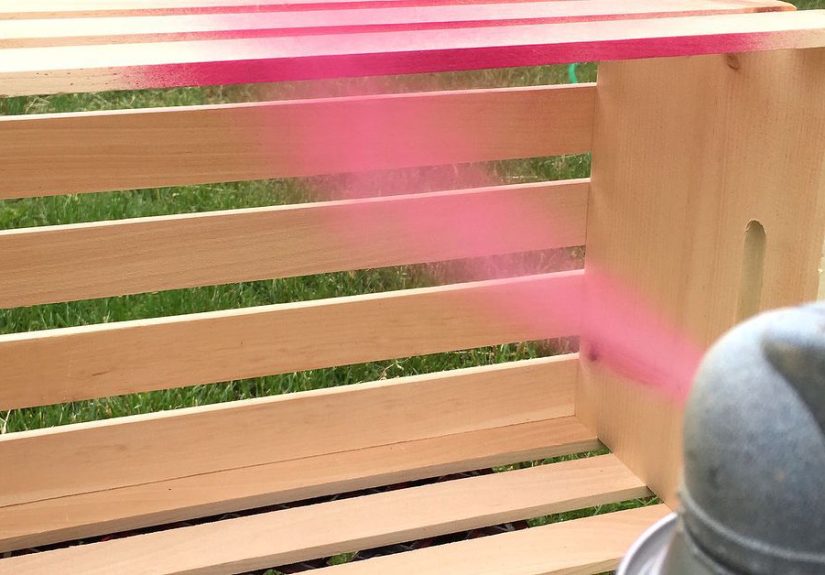
- Decide your look: Paint, stain, or leave natural (but consider sealing for longevity).
Finishes: paint, stain, or seal?
For decorative flower planters, an exterior paint or stain is usually fine as long as it cures fully before planting.
For edible gardens, many DIYers prefer sealing only the exterior and using a liner inside. Either way, let finishes cure
completelyfresh paint and tender roots are not a romantic pairing.
Step 3: Drainage (The Non-Negotiable Part)
If your crate planter doesn’t drain, it’s not a planterit’s a very small swamp.
Good drainage helps prevent root rot and keeps potting mix from staying soggy.
How to add drainage
- Drill holes: If the crate bottom is solid or closely slatted, drill several holes across the base.
- Keep holes unblocked: Don’t let liners or saucers seal everything shut.
- Use a simple “soil saver”: A bit of mesh or a shard-like cover can keep mix from washing out.
Do you need gravel at the bottom?
Most of the time, no. A thick layer of gravel can actually reduce effective drainage in containers by creating
water-holding zones in the potting media. Instead, focus on drainage holes and quality potting mix.
If you want to prevent soil loss, use mesh, fabric, or a small cover over holesnot a rock quarry.
Step 4: Line the Crate the Smart Way
Lining does two important jobs: it keeps soil from falling out, and it protects the wood from constant wet contact.
The trick is balancing protection with drainage and airflow.
Best liner options
- Landscape fabric: Breathable, drains well, holds soilgreat for most crate planters.
- Coconut coir sheets: Natural look, breathable, and plant-friendly (may need replacement over time).
- Plastic liner (optional): Adds strong water protection, but you must poke drainage holes and avoid trapping water against wood.
How to line a crate planter (easy method)
- Cut fabric so it covers the bottom and sides with a little extra at the top.
- Staple or tack it along the upper inner rim.
- If using plastic, add drainage holes that align with the crate’s drainage holes.
- Trim excess or fold it neatly under the rim for a clean finish.
Step 5: Use the Right Soil (Spoiler: Not Yard Dirt)
Crate planters do best with potting mix, not garden soil. Garden soil can compact in containers,
hold too much water, and reduce oxygen to roots. A quality potting mix stays lighter, drains better, and supports healthy root growth.
Simple potting mix strategy
- For flowers: All-purpose potting mix with slow-release fertilizer is a great start.
- For herbs: Potting mix plus extra perlite (or a lighter blend) helps prevent overwatering issues.
- For veggies: Choose a high-quality container mix; vegetables are “hungry” and will benefit from regular feeding.
Step 6: Choose Plants That Match Your Crate’s Size
The fastest way to make a crate planter look amazing is to pick plants that fit the container.
The fastest way to make it stressful is to cram a tomato plant into a shallow crate and hope optimism counts as fertilizer.
Great plant ideas for crate planters
- Herb crate: Basil, parsley, cilantro, thyme, oregano, chives (mix textures for a lush look).
- Flower crate: Petunias, marigolds, calibrachoa, alyssum, or salvia for long bloom.
- Salad crate: Leaf lettuce, arugula, spinach (shallow roots, quick wins).
- Pollinator crate: Zinnias, lantana, and flowering herbs to attract bees and butterflies.
- Succulent crate: Use a gritty mix and keep watering minimalsucculents like drama-free living.
Planting example: “Salad Bar Crate”
Use a medium-depth crate and fill with potting mix. Plant leaf lettuce along the edges,
scatter arugula through the center, and add a few green onions at one end for height.
Place in bright sun (or partial sun in hotter regions), water consistently, and harvest outer leaves weekly.
It’s basically a snack box… but for plants.
Watering and Feeding: The Two Things Containers Never Stop Asking For
Containers dry out faster than in-ground gardens, especially in heat, wind, and full sun.
Wooden crates can also “breathe,” which is good for roots but means moisture may not last as long.
Watering tips that actually help
- Check moisture with a finger test: If the top inch feels dry, it’s usually time to water.
- Water thoroughly: You want water to reach the full root zone and drain out the bottom.
- Morning watering is ideal: Less evaporation, and foliage dries faster.
- Use a saucer wisely: Great on patios, but don’t let roots sit in standing water.
Fertilizer: set it up, then support it
Many potting mixes include slow-release fertilizer, but it often won’t last the entire season.
A practical approach: start with a slow-release blend, then add a water-soluble fertilizer when growth slows
or foliage looks less vibrant (often mid-season). Container plants lose nutrients faster because watering flushes them through.
Design Ideas: Crate Planters the “Hometalk Way”
The charm of crate planters is that they can go from “basic box” to “wow, did you buy that?”
with a few simple upgrades.
1) Stacked vertical crate garden
Stack two to four crates like shelves. Secure them (screws or brackets) and plant trailing flowers on top,
herbs in the middle, and sturdier plants on the bottom. Perfect for small patios and fence lines.
2) Rolling crate planter (great for sun-chasers)
Add casters to the bottom and create a mobile garden. This is especially useful for herbs and greens
if you’re constantly adjusting for sun, shade, or weather.
3) Crate window box
Use a long, narrow crate (or a crate with a reinforced base). Line it well, add drainage holes,
and mount it securely. Choose plants that tolerate more frequent drying: petunias, calibrachoa, geraniums,
or hardy herbs.
4) Seasonal “statement crate”
One crate. Big personality. Rotate your theme with the season: spring bulbs, summer color,
fall mums with ornamental kale, winter evergreens with pinecones. Add a stencil or painted sign for extra flair.
5) Rustic raised crate planter (mini “farmstand”)
Add legs to lift the crate off the groundeasier on the back and a little safer from soggy soil contact.
Great for compact vegetables like peppers, bush beans, or strawberries.
Common Mistakes (So You Can Skip the Stress)
- Too few drainage holes: If water can’t exit, roots sufferfast.
- Using garden soil: Compaction and poor aeration make plants struggle in containers.
- Overcrowding: Crates look full quicklyleave space for plants to grow.
- Skipping fertilizer: Containers run out of nutrients sooner than you think.
- Letting wood sit in water: Add feet/spacers and avoid standing water beneath.
Quick FAQ
How long do crate planters last?
It depends on wood type, weather exposure, and whether you seal/line them. With a breathable liner,
good drainage, and airflow underneath, many crate planters can last multiple seasonsespecially if stored
out of harsh weather in the off-season.
Can I grow vegetables in crate planters?
Yesespecially shallow-rooted veggies like lettuce and spinach, plus herbs, strawberries, and peppers
(in deeper crates). Choose a container-friendly potting mix and plan on regular fertilizing.
Do I need to waterproof the inside?
Not always. Many DIYers use a breathable liner (landscape fabric or coir) and rely on airflow and drainage
to reduce rot. If you do use plastic, add drainage holes and avoid sealing moisture against the wood for long periods.
of Real-World Crate Planter Experiences (What DIYers Learn Fast)
Crate planters have a way of teaching lessons politely at first… and then loudly after a rainstorm.
Here are the most common “crate planter experiences” DIY gardeners share after a season of trial, error,
and unexpectedly emotional conversations with basil.
First: drainage feels optional until it absolutely isn’t. A crate can look like it’s draining because it has slats,
but if the liner blocks the gaps, water has nowhere to go. The classic experience is thinking, “It’ll be fine,”
then noticing your plant looks sad, the soil smells funky, and the crate suddenly weighs like a small refrigerator.
The fix is almost always the same: more holes, clearer pathways, and a liner that drains instead of acting like a raincoat.
Second: containers dry out faster than your confidence. The first week you’ll water like a responsible adult.
Then one hot day arrives, wind gets involved, and you discover your crate planter is basically a sponge wearing sneakers.
DIYers often settle into a rhythm: check moisture daily in peak summer, water deeply, and consider grouping crates together
so they shade each other a bit. Some even add a thin mulch layer (like shredded bark) to slow evaporationsmall change, big impact.
Third: overplanting is the most relatable mistake. In the store, tiny seedlings look adorable and innocent.
In the crate, six “small” plants become a leafy traffic jam by mid-summer. The experience: everything looks amazing for two weeks,
then airflow drops, leaves overlap, and you’re suddenly pruning like you’re auditioning for a gardening makeover show.
The smarter move is to plant fewer things and leave room for growthyour crate will look better longer, and you’ll water less.
Fourth: fertilizer is not cheating; it’s container reality. In-ground soil has a nutrient reservoir.
Potting mix in a crate is more like a pantry that gets cleared out every time you water. Many DIYers start strong with
potting mix that includes slow-release fertilizer, then notice mid-season that blooms slow down or leaves fade a bit.
A light, consistent feeding schedule brings crates back to lifeespecially for flowering annuals and anything edible.
Fifth: the crate itself becomes part of the project’s personality. Some crates age beautifully.
Others split, warp, or develop a “rustic lean” that makes you reposition it like a crooked picture frame.
The experience here is learning what upgrades are worth it: feet/spacers, corner braces, and a breathable liner
usually matter more than expensive décor. When in doubt, make it functional firststyle can follow.
Finally: crate planters turn into conversation starters. Friends ask where you bought them.
Neighbors comment on the flowers. Someone will say, “I have an old crateshould I try this?”
And that’s the best part: crate planters are approachable DIY. They make gardening feel less like a big commitment
and more like a fun experiment you can tweak every season. If your first crate isn’t perfect, you didn’t failyou just
created Version 1. And the garden world runs on upgrades.
Wrap-Up: Build the Crate, Then Let the Crate Teach You
A great crate planter is equal parts craft and gardening: solid structure, real drainage, good potting mix, and
plants that match the container. Start with one crate, learn what your space needs (sun, shade, watering rhythm),
and then scale upstack a few, add wheels, mount them on a fence, or make a seasonal showpiece.
The goal isn’t perfection. The goal is a planter that makes you smile every time you walk past it… and doesn’t turn into a swamp.